If you are an active person, you probably know what this means.
I did such yesterday.
I forgot my age. Yes, that can be a factor too.
I overdid it Big Time.
I hit the wall. And could go no further.
What does “hit the wall” mean?
In endurance sports or long term hard exercise, “hitting the wall” or the “bonk” is a condition of overwhelming fatigue and loss of energy.
I was working hard cleaning in the yard. I was lifting, tugging, throwing, and moving items. The temps were actually nice. But I did not realize the amount of energy I was using.
I’m not a big breakfast eater. I did eat my toast and drank my Energizing Tea and Life Shake. But it wasn’t enough. What we “normally” eat for breakfast or lunch is usually below what is required for heavy exercise. Toast and a Life Shake is good for staying inside and doing the “usual stuff.”
(Energizing Tea does contain 70 mg of caffeine, but don’t rely on caffeine as your engine starter. The fuel is in the carbs.)
My breakfast was not what was needed for the strenuous exercise I was going to do that morning.
Before any strenuous exercise, and that can include cleaning out a locker in the yard, take time to eat a carbohydrate rich breakfast. Obviously one piece of toast it not enough, even adding the carbs of the Life Shake. I wasn’t looking at carbs. I was thinking protein.
But protein is not the fuel needed when there is work to do.
What happens when you “bonk” or “hit the wall” is that you have used up your first response glycogen stores in your body. You also are probably a bit dehydrated. (Remember it doesn’t take much to be dehydrated. I was too busy to drink!)
For women it is 9 cups of fluid over a day; for men it is 13 cups of fluida day.
Now if you are starting out in the morning with your huge strenuous task, remember you are a deficit to start with from the overnight fast. You can see how quickly you can become dehydrated when exerting strenuous exercise. Your body fluid is down. What are you adding to start the day? More than a cup of caffeine??
Add some heat of the sun, and you are a great example of what dehydration can be.
What is glycogen?
“Glycogen is a form of glucose, a main source of energy that your body stores primarily in your liver and muscles. Your body needs carbohydrates from the food you eat to form glucose and then glycogen.”1
Choose good carbs to store; you know what kind. Oats, Rye, Steel cut oats, beans and whole grain rice, whole wheat breads, apples, berries, potatoes, sweet potatoes. Use some of last night’s carbs to start with a good breakfast: rice and beans and eggs? Potatoes, beans and eggs. Maybe a bit of cheese to garnish. Add an apple to much on the side.
Glucose is from carbohydrates (a macronutrient) in certain foods. Good carbs such as oats, (sorry Cheerios’ oats do not count as way too much sugar and low on good carbs. No wonder kids can’t sit still in school?)
When your body doesn’t need the stored glucose for immediate energy, it stores it in your muscles and liver. It puts this stored glucose into storage. (like the stored carbs from last night’s supper.) And we know how hard it can be sometimes to get things out of storage!
Your body creates glycogen from glucose in those good whole carbs in process called glycogenesis.
For an untrained individual, like myself as I was not thinking endurance activity, an average diet is able to store daily about 380 grams of glycogen in the body. This total amount is spread out throughout the muscular system and is not readily available. This is talking a whole day’s worth of glycogen.
When glycogen stores are not replenished during the exercise, your available energy storage is quickly depleted and in less than 2 hours of intense exercise. (I wanted to get it done!)
Glycogen is needed for any strenuous work and it doesn’t have to be special work; it could be your job as we know there are many jobs that require a whole lot of muscular effort.
Suddenly I was intensely tired and could do no more.
I had to stop. I could hardly walk into the house. Boy was I tired! Almost weary.
I drank a Shaklee’s Hydration product. It wasn’t enough. I was too dehydrated for instant results.
I then thought of a Recovery drink that is higher in carbs, sugars, and sodium. (I chose Shaklee’s Build+) I added this to my next drink, with more Hydration product.2
But I was sooo tired. I needed to lay down.
In about 30 minutes, I did feel better and was back on my feet. I was amazed at how different I felt. No longer tired.
I had never noticed the HUGE difference when you give your body what it needs at that moment! It was a lesson learned and to be shared.
What is this lesson?
For one, don’t try to be Superwoman or Superman. Learn to cut down big jobs into sections or days if needed. When you are on the job, look at what needs to be done. Break it up into sections that will allow you time to hydrate and replenish. Work with the weather if you can. (This can mean heavy work when the temps are cooler and not at mid-day.)
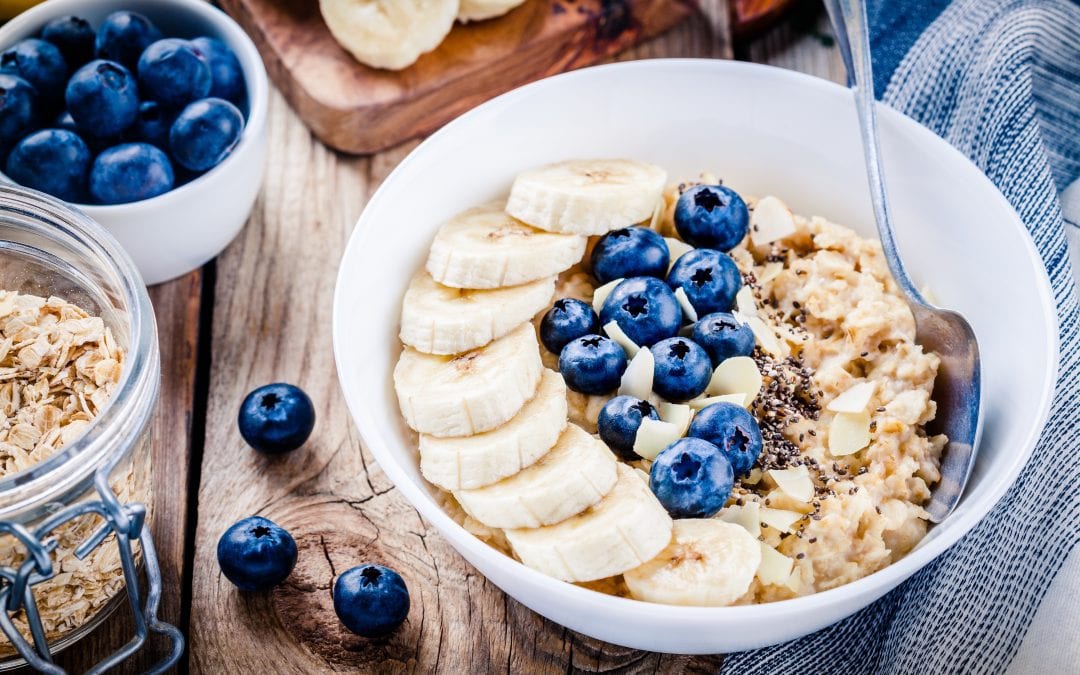
Two: Eat a good breakfast: even if I’m only trying to get yard work done in a short amount of time. (working against the heat of the day.) I suggest Oatmeal with fruits. High carb and good sugars. Drink a good amount of a good Hydration product. (I’m not talking Gatorade here.) Be careful as to quantity as you don’t want to swish those liquids when bending and stretching. You technically should drink your fluids one hour before exercise.
Three:Prep and have a hydration drink available to sip while you are working or exercising. Keeping hydration up does make a difference. Yes, this means that not only do you need a rake, or shovel, or trowel, or whatever equipment needed for the project, you also should prep a good hydration drink to have close by.
Four: Water is not your friend when you are working. Fluid levels are affected by many things. And water does not have the needed electrolytes you are expending.
Sports drinks are not your friend when you are dehydrated as many are too high in sugars and low in needed electrolytes.
Five: Pace yourself. Rome wasn’t conquered in a day. (If you are an endurance athlete, you need an different set of rules to reach your goal.) I’m talking to the average person who sets out to accomplish “great things.”
If you are running to get in shape for an upcoming race, let’s chat! There are different rules for fluids and foods when you are in competition.
Six: And most of all take time to recover. I’m not talking a nap on the couch. Yes, I laid down AFTER I had my RecoveryBuild+ drink and Hydration drink. (I am an older woman!) Recovery time is important!
I added a Recovery Supplement at bedtime. This one is an all natural anti-inflammatory and pain relief. Choose wisely to be able to sleep well without pain.
Recovery is important to your body.
Have you ever noticed that after a day in the sun, or a sweaty workout, your skin feels a bit gritty? That grit is actually the salts that have left your body along with the water when you sweat.
Hydration before the shower! Running water over your skin does not hydrate your skin. Stay hydrated through the exercise and you won’t notice the dry skin.
What to eat? Celery, cottage cheese help with fluid retention. Bananas are good for potassium. Nuts, seeds and dark green leafy greens are good for your tired muscles.
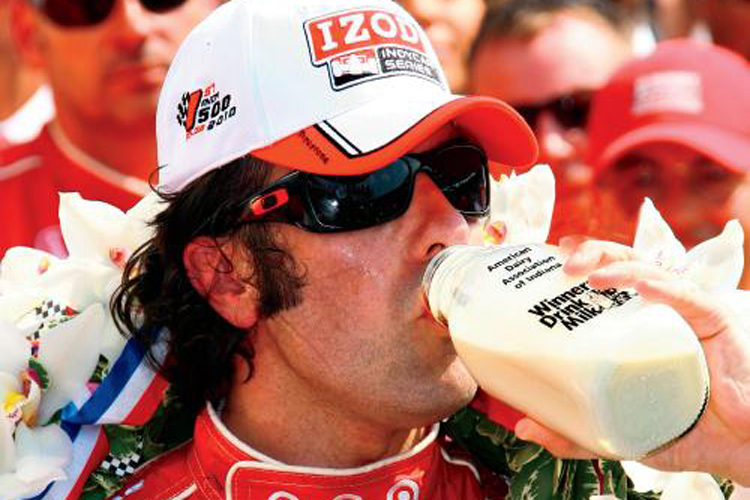
Calcium helps with muscle contraction and is a good liquid for the Recovery drink. Soy, coconut water, milk (now you know why the Indy drivers drink milk after a race), iced tea and agood Hydration product. Pedialyte is good. 3
With a child athlete: pack a banana, nuts, orange slices. Add a good hydration drink, not just a bottle of water.
Recovery foods are important to help with the healing of the muscles used during the strenuous exercise. (You do want to go back out tomorrow and finish the job?)
Indy 500 winner drinking milk
Be choosy. No fast foods. No hot dogs or burgers. No fries. No popcorn as that kind of salt is really too much.
A good salad will be a good start. And maybe a glass of milk! We talked what to pack.
What do you usually have for breakfast? Coffee? Tea? Toast? Cereal? Fruit? Juice? Is breakfast a “sit-down meal” or a grab on the run out the door? We all are in such a hurry!
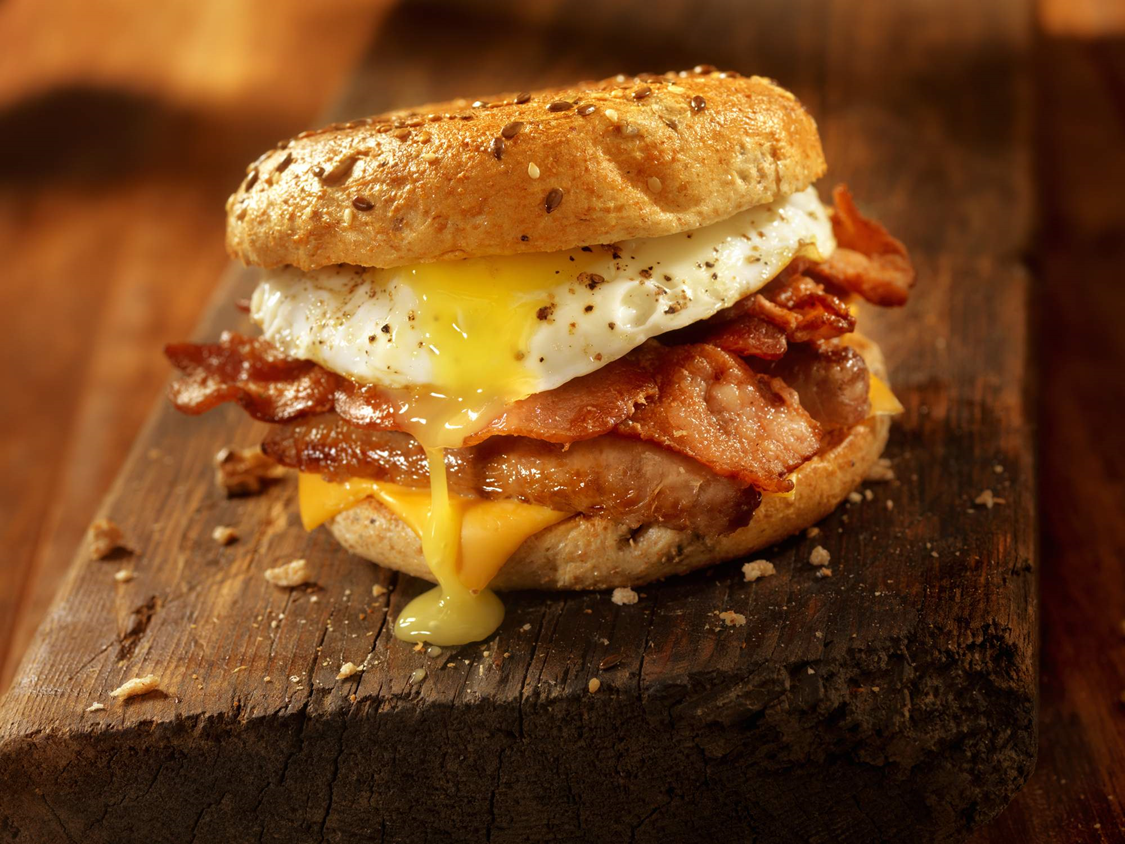
According to polls a normal breakfast can consist of the picture below:
Now I have to say that egg sandwich looks yummy! Bacon and eggs on a muffin! And with cheese!
But one has to be in a car to indulge. And we can see that there is a whole lot of fat in/on that sandwich. So maybe not a good choice?
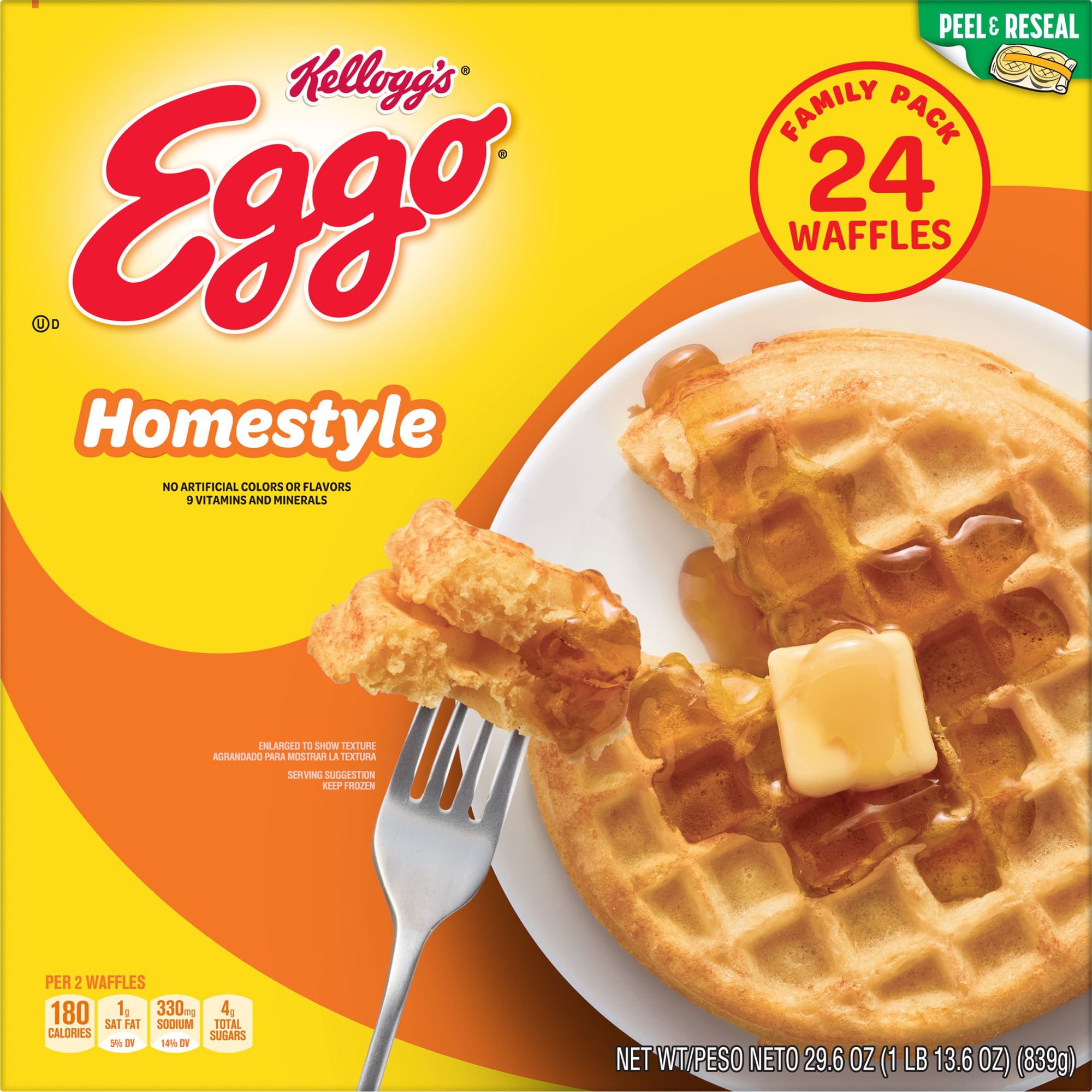
I’m betting Eggo Waffles are a great favorite, and easier to serve and eat!
I like the taste of Eggo Waffles! A friend of mine tasted a whole lot of gluten-free waffles. Her body needed gluten-free. What she tasted was “awful!” She decided that she would still occasionally indulge in Eggo Waffles as they are the best frozen waffle! Even though she would have to do with a tummy ache after! Crazy!
I’m betting there are a lot of kiddos that start their day with an Eggo waffle. Hopefully, they will also have a glass of milk!
What happened to breakfast cereals? Especially a hot cereal? What has happened to sitting down for breakfast? Our lives are “on the run!”
Breakfast is the most important meal of the day.
It literally breaks your “fast” from the day before. I’m sure you have heard of a “Fasting” group that says you can lose weight this way! But is it any different from what we all do?
Most of us choose to eat supper between 6:00 and 7:00 p.m. Most of us do not eat afterwards. Thus begins your body’s fast time.
Seven o’clock P.M. to seven o’clock A.M. is 12 hours of fast and no food or drink. It does help a lot that we all are usually sleeping during this time of no foods!
Why is it important is that we Break the Fast with nutrition?
Importance of breakfast: Eating breakfast is considered important as it replenishes your body’s energy stores after a night of fasting.
Can Eggo Waffles do that? Upon review of the package, Eggo leaves out a lot of nutrition. It is high in calories and high in carbs. Low in proteins.
There are 195 calories in a 2 waffles: a serving size of KELLOGG’S EGGO Waffles, Homestyle. The calorie breakdown is 34% fat, 57% carbs, and 9% protein.
For a child starting the day, the ingredients guarantee “the wiggles.” They promise giggles as the morning goes along. Or maybe lack of concentration?
As we sleep, our bodies are still at work, digesting foods from the previous day. Yes, there is still food in your stomach when you hit the bed!
By morning, your blood sugar is low. Your blood sugar is the power for your body’s muscles and brain. Breakfast replenishes this.
If we miss or short-change our “break the fast” meal, our body begins to tap into our energy reserves. These reserves can be stored in our muscles. Not a good way to start the day.
Your whole system becomes stressed. Skipping breakfast or short-changing breakfast throws off our circadian rhythm! This is the built-in clock that runs our days and nights.
For children, meeting the metabolic needs are greater than for an adult. Remember a child’s body is in the “growing mode.” Nutrition is important.
Statistics show that 20% of American children don’t eat breakfast; 32% of adolescents skip breakfast.
I struggle with expecting children to sit quiet or study when their “tummies” are rumbling. It’s also hard when they are full of sugars and sugar “wiggles.”
Skipping important nutrition in the morning can affect learning, increases the risk of obesity, diabetes and heart disease. This can be said as those who eat breakfast are normally healthier all around than those who skip.
Our children are experiencing obesity and diabetes at early ages.
Putting some good protein and fiber into your stomach in the morning can actually help control appetite throughout the day. Remember it takes hours for food to be processed throughout the body.
A good breakfast could be a nutritious cereal. Did you know that statistics show the average American child will see approximately 758 breakfast cereal advertisements each year?
Most breakfast cereals advertised or available in supermarkets are either high in sugars, low in proteins, and low in nutrition. They are sold based on flavors. And we all like sweet and crunchy!
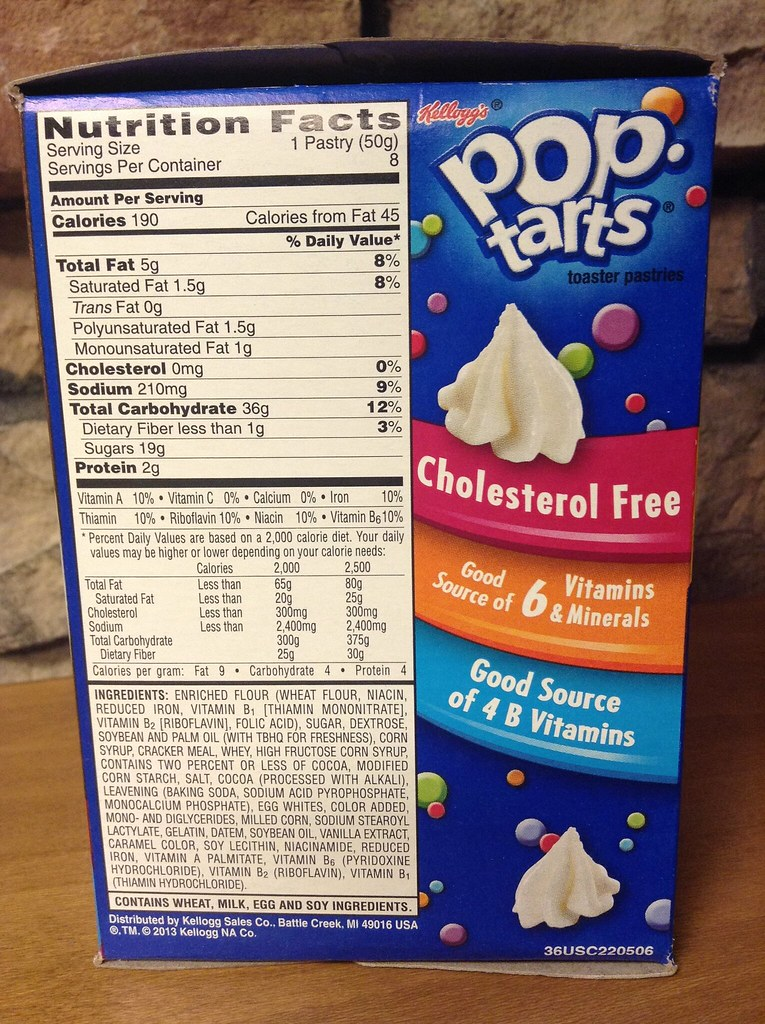
Another great kid’s favorite:Kellogg’s Pop Tarts. Pop Tarts are very low in nutrition. High in sugars.
Oatmeal has it’s advantages, but most have to be cooked. And that takes time. Be careful of sugar-free Oatmeal as it has chemical sweeteners in it instead of cane sugars. I don’t want the chemicals. I’d rather deal with cane sugar.
Carbohydrates get a bad wrap, but they do belong at breakfast. Whole grains are the best carbohydrate in the morning. Whole grains digest slower, moderate blood sugar peaks, and supply nutrition.
My choice: My suggestion:
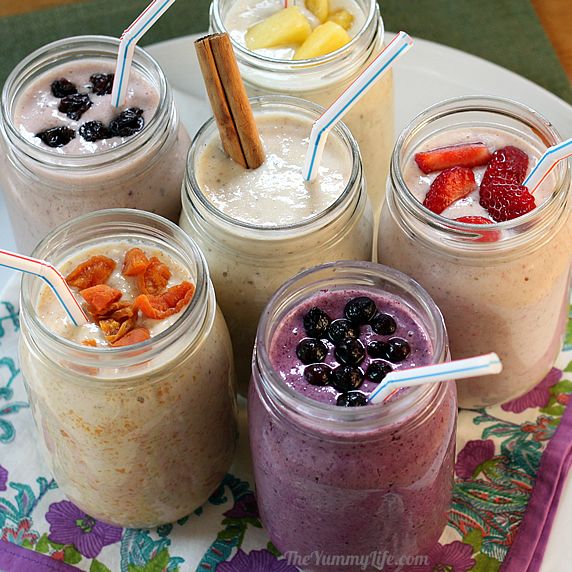
A Breakfast smoothee of milk, protein powder, and fruits and vegetables. Create at dinner time, and refrigerate. It can be made ahead; zapped in the blender in the morning, and provide the best nutrition for your body.
There are endless possibilities of flavors. And Colors with fruits and veggies! After a remix, pour the Breakfast Smoothee into a traveling mug. Then, head out the door with great nutrition for the day!
I personally like the Shaklee Cafe Latte Life Shake, and I add it to my morning coffee! If I have tea, I may add the vanilla flavor Life Shakeor the Strawberry? I add fresh fruit (a banana) to my meal, and I’m all set!
Nine Tips for A Good Breakfast:
Learn to read labels. Don’t buy breakfast based on the TV add. Choose your food wisely. I also feel that a good breakfast keeps the doctor away! Meaning good nutrition does pay off! Wellness does make cents!
Look for whole wheat, oats, rye or other whole grains listed in the FIRST ingredients. You can always add fruit to sweeten. (I do like Oatmeal, and especially Steel Cut Oats!and I can find them Instant!)
Do you know your coffee drink! A local drive-through coffee may have a lot of sugar added for flavors. Starbucks coffee contains 470 calories, 12 grams of unhealthy fats, and 59 grams of sugar! I flavor my coffee with a protein powder. The disadvantage of the powder, is I have to stir it more often. But I can do that! And again lots of flavors to choose from!
Make processed meats such as bacon or sausages an occasional treat. Processed meats have been linked to colorectal cancer (even for young people), heart disease, and type 2 diabetes. Use bacon as a family breakfast on the weekend.
Do not use processed meats, such as bacon or sausage, before physical activity. This includes when you or your child are exercising or playing ball after breakfast. Processed meats are hard to digest and can easily create stomach issues with activity. If you are looking for protein add an tofu or yogurt. Left over meat from dinner the night before can also be served. Beans and rice are a good source of protein.
Serve Eggs in moderation. Eggs are high in cholesterol, but do have proteins, vitamins, and nutrients.
Go easy on fruit Juices. Whole fruit is better as it adds more fibers. Many fruit juices are high in sugars.
Eat IN, not OUT. Breakfast offerings from Fast Food places are high in Sodium, and low in fibers. Its the sodium that really can affect the rest of the day; and you will retain fluids.
Lastly: blend up a Breakfast Smoothee. Combine whole fruits, yogurt, tofu, vegetables, and protein powder with milk, water, or a small amount of fruit juice. A Breakfast Smoothee can be very tasty!
Let’s get Particular!
You know I’m a Health Coach. You know I am a bit biased as to what I think is a good product. If you don’t want to read more, this is the place to end.
If you do want to find out why I am so choosy, then hang in there.
Why Shaklee? Why not some other brand?
I choose Shaklee because of it’s science and it’s dedication to Nature. How can a company produce products with chemicals and then say that they believe in Nature?
Shaklee is all about Natural. 100% pure. No pesticides, fungicides, insecticides. All the ingredients are naturally safe. Or they reject it.
Shaklee Cares:
One way Shaklee is making an impact is through its nonprofit, Shaklee Cares. I can enjoy the good health of Shaklee supplements, but what about those who can’t afford it?
Shaklee Cares provides direct support to families in need. This shows the company’s commitment to doing good.
Shaklee Cares was started in 1992 to assist its customers who were victims of Hurricane Andrew. It has since developed into a general emergency relief fund. This fund has made grants of more than $650,000 in support of 150,000 families.
Roger Barnett, Shaklee’s President, says that a Shaklee ambassador often help their customers apply for the funds. Sometimes, the ambassador even applies on their behalf. “So, if they say they need it to buy an emergency generator, we get it for them” says Barnett. If they need it “to get food for their family, we give it to them.”
I was very happy to be able to help a customer in Puerto Rico! Shaklee does care!
Vitamin Angel
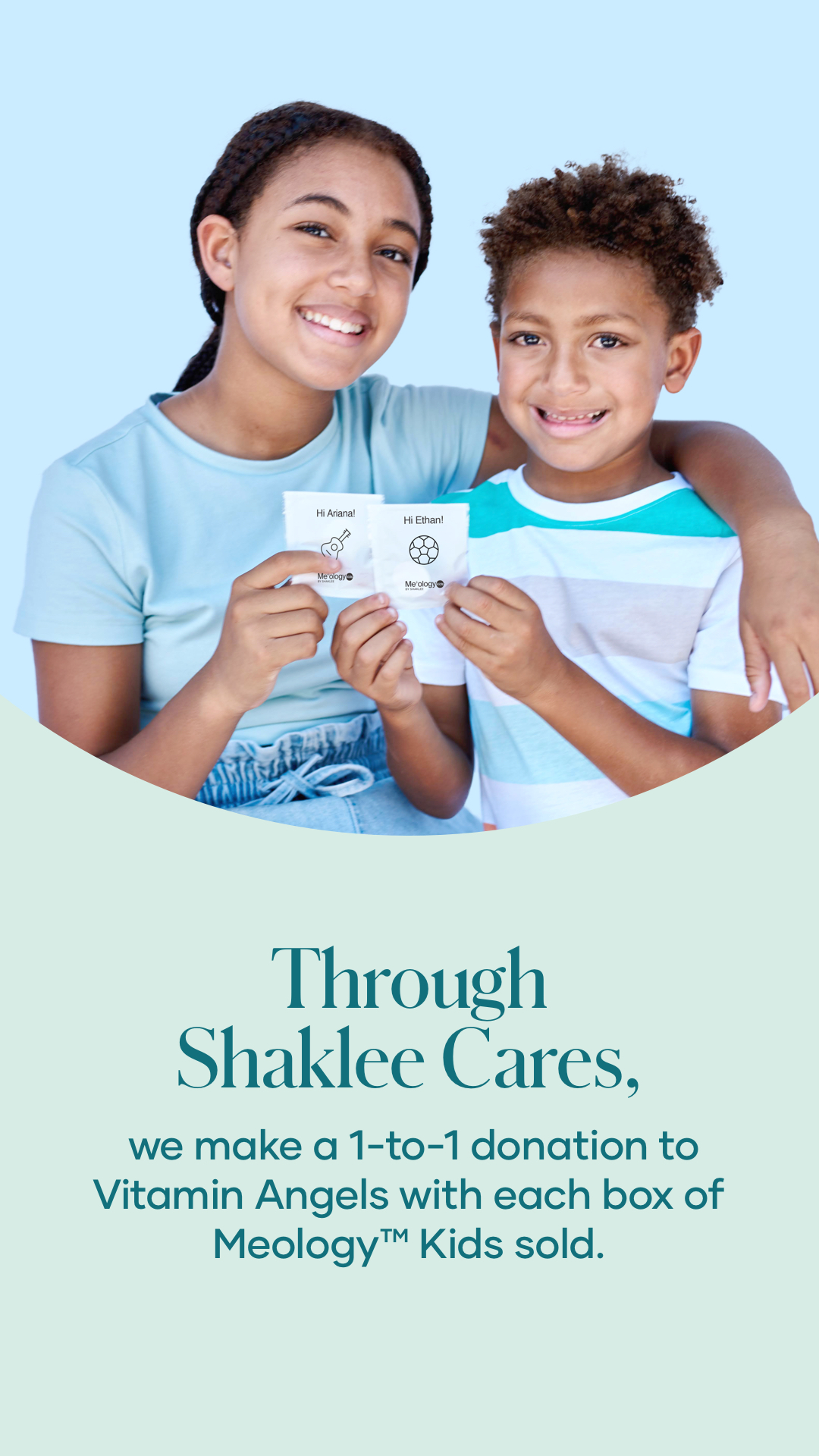
On the 25th anniversary of Shaklee Cares, Barnett says he wanted to rally people around the future. To him, this meant two things: kids and the planet. To do this, the nonprofit began partnering with two organizations. Shaklee Cares makes donations of prenatal and children’s vitamins and other nutrition products to Vitamin Angels.
Vitamin Angels is a special program. It helps children all over the world have access to nutrition.
True Wellness:
“Shaklee’s purpose and mission is to bring true wellness to the world. Shaklee defines true wellness as physical health, financial health, emotional health, and the health of our planet. You cannot be healthy if you don’t have all of those elements,” quote Roger Barnett.
What is Shaklee quality?
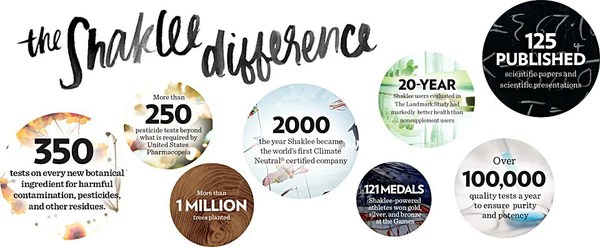
Shaklee Corp. conducts over 100,000 quality tests a year. This ensures that Shaklee products are 100% safe for you and your family.
At Shaklee, they screen for over 350 contaminants, pesticides, and impurities on every new botanical ingredient. Shaklee makes products that are gentle on the environment and they never test on animals.
I do not know of any other nutritional supplement company that does this.
What makes Shaklee nutrition so good:
The Landmark Dietary Supplement Study was conducted by UC Berkeley on behalf of Shaklee Corporation: (but not paid for by Shaklee.) (This is a big difference as many “studies” are paid by the contracting company. The results can be quite biased. )
Study participants The study invited about 1,200 people who had used Shaklee supplements for at least 20 years to participate. Of those, 435 completed online questionnaires.
Study methods The study used a cross-sectional design, with participants completing online questionnaires and undergoing physical exams.
Study findings The study found that Shaklee supplement users had better health than non-supplement users, with lower levels of cholesterol, triglycerides, homocysteine, and C-reactive protein.
Shaklee scientists have published over 100 scientific papers and presentations, including the Landmark Dietary Supplement Study.
I like those numbers.
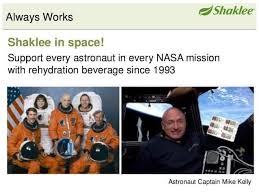
The other recommendation was NASA and their use of Shaklee supplements. The need for good solid health/food products for the space program.
Shaklee started working with NASA in 1993. They provided a customized version of the rehydration beverage, Performance. This was called “Astroade” at the time, and used by NASA Shuttle astronauts. Today this hydration product is part of the Shaklee Sports line.
(Yes that is Senator/Astronaut Mark Kelly!)
NASA continued using Shaklee products until the end of the NASA shuttle program. However, many space astronauts continue to use the supplements.
Hydrate is used by many Olympians. They have to be very careful with the ingredients of products they ingest.
I choose to buy Shaklee products. And one of my favorites is their Life Shake.
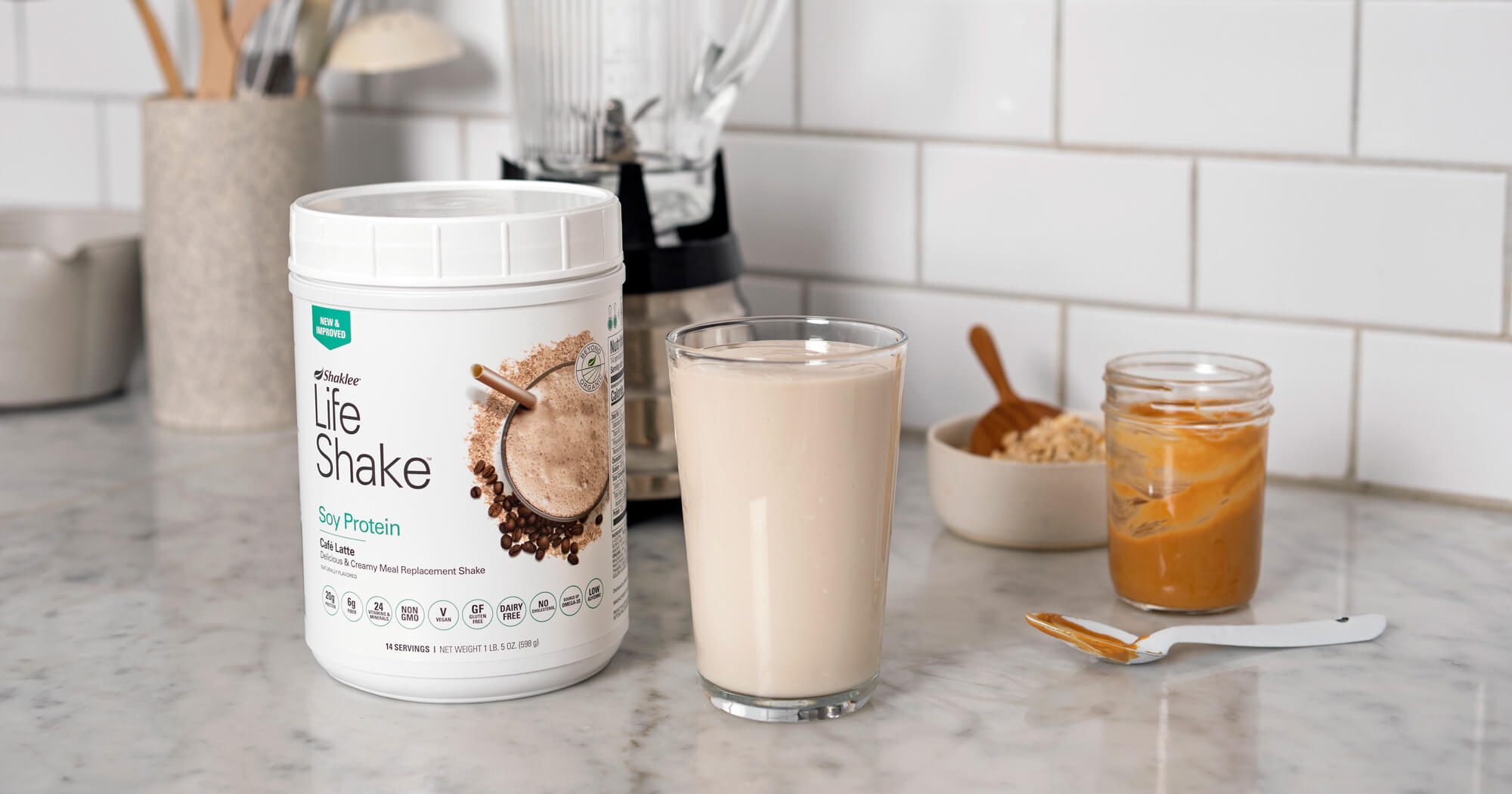
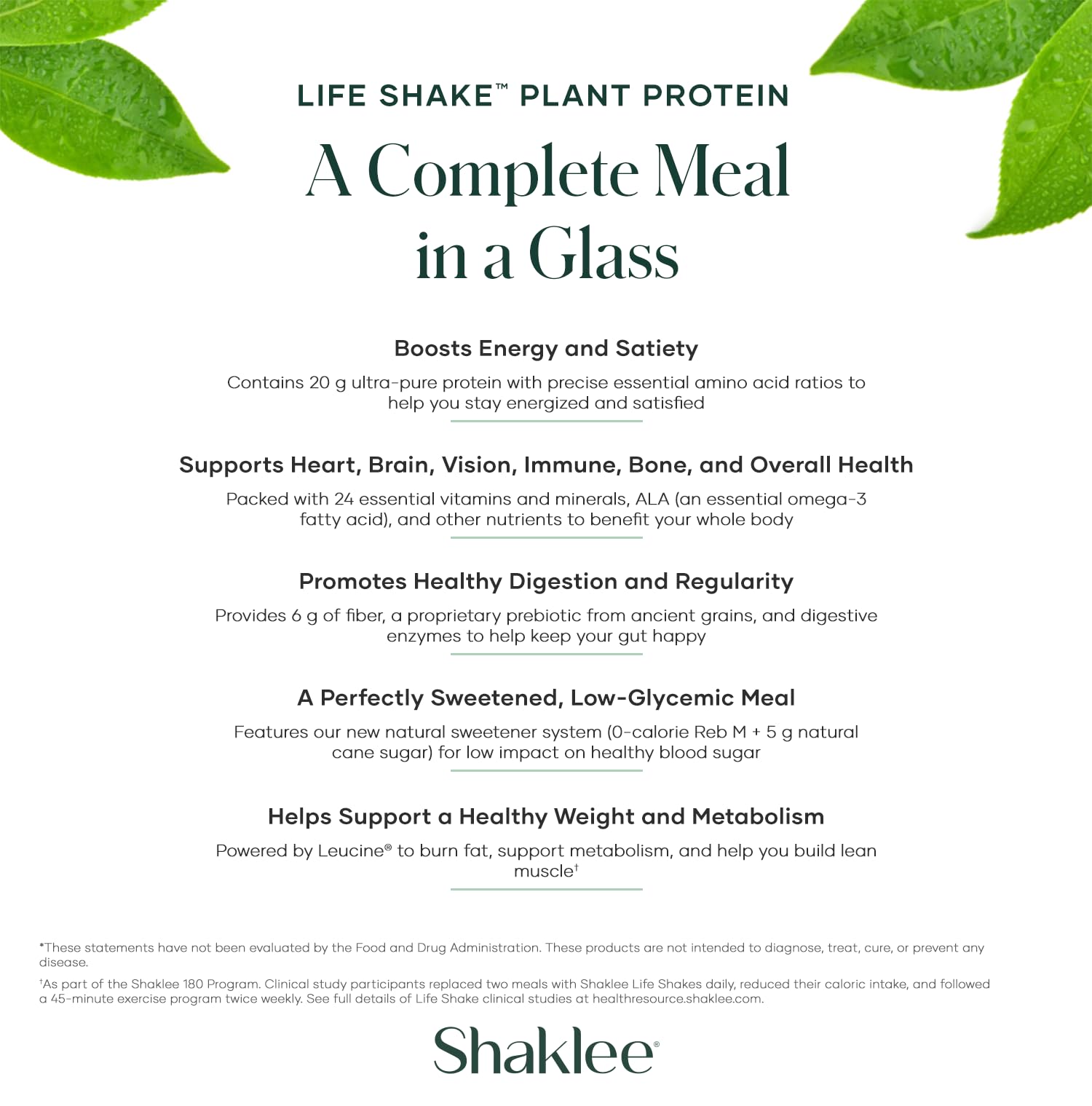
Illustrated is their protein Life Shake. It is available in whey, pea protein and soy protein. Life Shake comes in many different basic flavors with seasonal flavors to widen the choices.
Have you ever purchased a supplement product and then questioned your purchase? I have. I got frustrated with the cost of the product I purchased at Cosco, so I stopped taking it. There was no change. My body did not react to the difference. Why was I spending the money?
I’ve done this with Shaklee supplements (tried to go without! Do I really need this?), and my body will let me know if I forget too many times. I can actually feel the difference.This translates into “getting my money/health worth!
Back to Smoothees and Life Shakes:
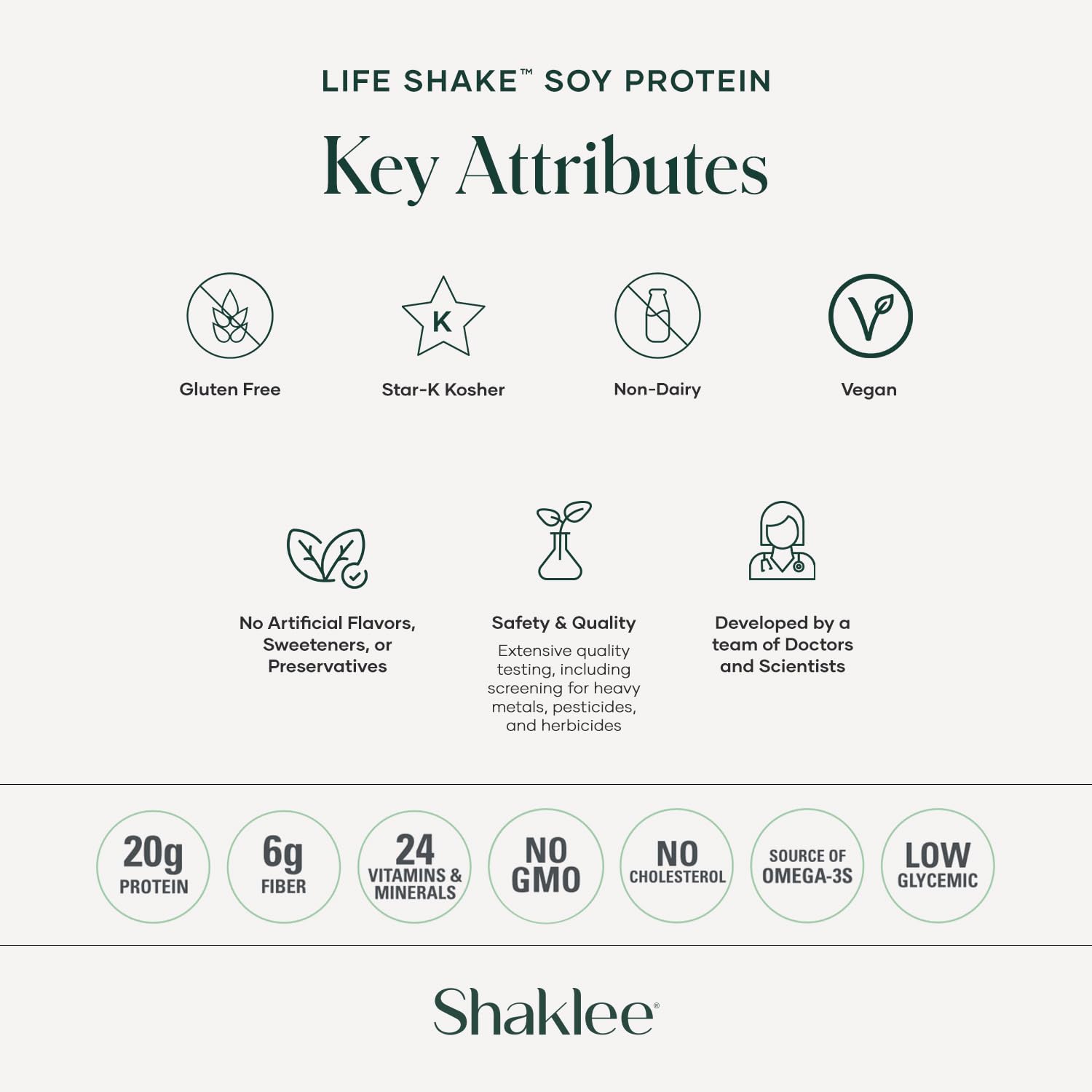
Non-gmo, gluten free, vegan available, keto-friendly, kosher are all the ways Life Shake is available. It contains 23 Essential vitamins and minerals clinically proven to support heart, brain, vision, bone, immune and overall health.
The Life Shake also includes 200 mg of Calcium plus ALA, an essential omega-3 fatty acid. It is powered by Leucine to help you build lean muscle, burn fat, improve metabolism, and reduce cravings.
I believe the reduction in cravings is Life Shake is satisfying my body’s needs.
Have you ever had a craving for a particular food? I want something sweet, or juicy, or crunchy? Sometimes this is your brain asking for what it needs: glycemic index too low, need fiber? I’ve noticed this as to wanting ” something salty” when I’m working hard and perspiring!
I like to add leafy vegetables to my shakes. I have to be in the “mood” for a green or orange colored shake. They are a nice change and can be quite tasty. (For children: green can be fun! and if it tastes of oranges or strawberries, it is even better!”)
I include fresh fruits, (although there may be a bit of chewiness with fresh fruit. If you don’t want “chewiness” use frozen fruits and vegetables.). I also use different kinds of milk. (When you digress from cow’s milk, read the label for calcium and vitamin D. Sometimes this has to be added. Is it by chemicals?) I have added water when I travel, and it is just as tasty (the flavor is not diluted).
You can also add more fiber, by adding oats. Letting the smoothee set overnight in the refrigerator will make the oats softer. Just reblend in the morning.
Breaking the Fast:
Breaking the fast with a good nutritious breakfast is important. I suggest smoothees as many times time is of the essence when it comes to especially morning meals.
Which Shake to choose? Choose a Life Shake with the most nutrition and one that will enhance the day ahead!
Start your day right! Break the Fast with Good Nutrition. Check out the nine tips for a good breakfast. And enjoy the Day!
This holiday did not start out as fun. It has a very spooky history.
Cost of Halloween:
Halloween spenders spend 11.6 Billion dollars! with 3.8 Billion dollars for costumes. And it is said: $3.1 Billion on candy! 1
Christmas is number one expensive holiday, followed by Thanksgiving, with Halloween being third!
The average expense of Halloween is $103.63 per person. Most of the money is spent on costumes. (This year the cost of candy may become second for sure!)
History of Halloween:
I always want to know the history of an annual event. Especially when it is a holiday celebrated by so many people.
Halloween is among the oldest traditions in the world! This holiday touches on the relationship between the living and the dead. It evolved from ancient rituals honoring the transition from Spring to Winter, from living to dead.
Every recorded civilization has some ritual observance for when people die. They have beliefs about where people go after death. Most civilizations have had ways to honor the dead. Some of the traditions in the US can be traced back to the Celtic festival of Samhain.
Controversy over a claim:
Some believed SamHain was the Celtic God of the Dead, and Halloween was his feast day. It was the Christian church of Northern Europe that changed the observance of this pagan holiday. The Church transformed the pagan rite into a secular holiday.
How were the Druids involved?
Perhaps you’ve heard of the Druids and their practices. Interesting is the fact that they also included stocking supplies for the winter, slaughtering cattle (later to eat?), disposing of the bones in a “bone fire,” later to be called a bonfire.
Gatherings of communities feasted and drank alcohol on this holiday. During all this, people were aware of this being the “thin time” of the year. This was the time for the possibility of ghosts showing up at the party. This was the “thin time” of year between living and dead.
The “thin time” of the year:
The phrase “the veil is thin” or “thin time” of the year is deeply meaningful. It reminds us of the profound spiritual significance of Halloween. It supposedly is a time to connect with our ancestors. We can seek guidance from our angels, guides, and ancestors. We can also explore the mysteries of the spiritual realm.
During autumn, the life of the plant returns to the soil. It goes there to sleep in the cold time of winter. Autumn completes the life cycle of the plants.
Thus it is a time to reconnect with loved ones. Life around us is withdrawing. Autumn is a season of transformation from living to the dead/sleep of winter. (As spring is the opposite: a time of new life.)
The “Hunter’s Moon” of October:
The Hunter’s Moon of October encourages a positive mindset for the dark months ahead. (This year’s Hunter’s Moon was exceptional! And if you think of the connection of the name “Hunter’s” moon, it can also associate with preparing for winter.)
The departed were expected and welcomed at this time of year. People practiced setting out favorite foods for the departed loved one.
It was the Irish who also added that elves, fairies, and “wee folk,” sprites, and dark energies could also appear.
How did masks become a costume of Halloween?
People believed in spirits. There was a good chance the spirits were souls who had wronged someone. To deceive the spirit, people of that time, would darken their faces with ashes from the bonfires.
This practice developed into wearing a mask. Druids even wore animal skins to drive away phantoms; some began dressing as ghosts, demons and other malevolent creatures.
And then it became Christianized.
It was in the 8th century that Pope Gregory III designated November 1 as the “Feast of the Souls.” Some scholars claim this was done intentionally to Christianize SamHaim by turning it into “All Hallows’ Eve.”
Once Christianized, “All Hallows’ Eve” became a night of vigil. People engaged in prayer and fasting. They prepared for the next day when the saints were honored. It was a time of honor and prayer. It was a time of prayer and honor of the dead.
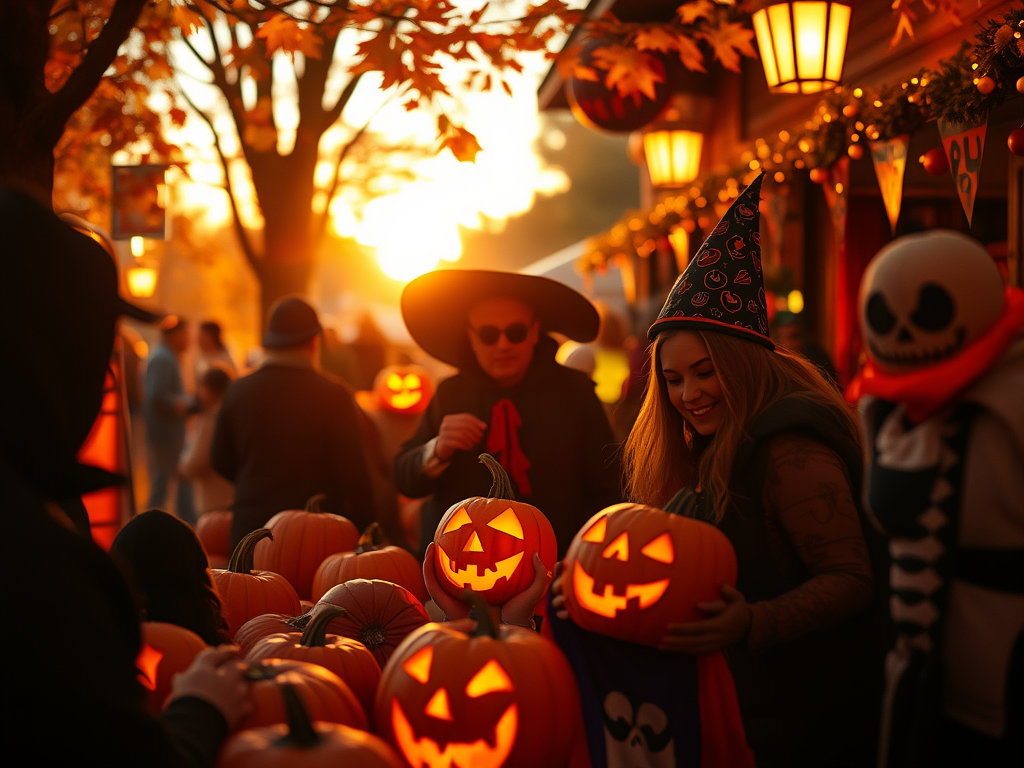
The jack-o-lantern.
The jack-o-lantern is linked to an Irish folktale of Stingy Jack. He was a clever drunk and con man that fooled the devil into banning himself, Stingy Jack, from hell. But because of Jack’s sinful life, he could not enter heaven.
After his death, Stingy Jack roamed the world carrying a small lantern. It was made of a turnip with a red-hot ember inside to light his way.
Turnips for lanterns!
On All Hallows’ Eve, the Irish hollowed out turnips. They carved faces into them. They placed a candle inside so they would be protected from the spirits of Stingy Jack. There was still a belief that the veil of between life and death which was the thinnest on that night. Spooky!
Shortly after emigrating the the United States, the Irish traded the turnips for pumpkins as their lantern of choice.
The history of trick-or-treating can be traced back to Scotland and Ireland.
(Have you ever asked the ‘trick or treaters” to perform a trick? It is a fun reaction!)
First “souling” than it became “trick or treat!”
Was there always a trick or treat Halloween in the USA?
In the mid 19th century, immigrants fleeing the Irish Potato Famine brought Halloween to the United States. This famine included the countries of Ireland and Scotland.
In the early 20th century, Irish and Scottish communities revived the tradition of “souling.” “Souling” involved asking for donations of food. Instead of pledging to pray for the dead, they would sing a song, recite a poem, or tell a joke. They might also perform another sort of “trick” before collecting their treat. The treat typically consisted of fruit, nuts, or coins.2
The haunted history of Halloween costumes.
They also revived “guising,” which means dressing up as evil or frightening characters.
By the 1920s, pranks had become the activity of choice for young people.
The Great Depression increased the Halloween mischief into vandalism, physical assaults, and sporadic acts of violence. It is believed that this type of mischief led to the adoption of Halloween community based activities.
The Birth of Halloween Parties:
Elizabeth Krebs was frustrated. It was the morning after Halloween. Her garden and the town’s gardens were in shambles again after October 31. Children did the vandalizing, wearing masks so no one would recognize them.
The next year, 1913, Ms Krebs made a decision. She would use her own resources to organize a party for the young people. She hoped that the vandalizing would stop. She hoped to tire the children enough that they would go home to bed and no more vandalizing.
From failure to success:
But it didn’t work. Perhaps it was too small a scale. The next year in 1914, the whole town decided to get involved. A costume contest was held. A parade was designed. Her plan worked! Their gardens survived!
The success of Ms Krebs idea took hold and soon after many other towns followed suit. They held costume contests, parades, music, food, dancing, and sweet treats, all accompanied by frightening decorations of ghost and goblins.
Ms Krebs is sometimes cited as the “mother of modern Halloween.”
Trick or Treat was interrupted by WW II, as sugar was rationed. It re-emerged again after the war. The familiar tradition of today dates back to the 1950s where costumes became mass produced. (I remember plastic costumes and plastic facial masks.)
Today Halloween is focused on the young. We celebrate with trick or treat. We wear costumes most likely of Disney characters. We give out candy to children and hold Halloween parties. Halloween has finally gotten quite civilized!
A hallowed Night of Transformation:
A mask or costume can transform a person into another entity. For one night, your child or you can become Darth Vader. You can also become Dora the Explorer, a fairy, a princess, Superman, or even a zombie!
The costumes of today represent the fears and hopes of the wearer. People of long ago wore masks to deter unwelcome spirits. They also anticipated the joy of a reunion with the dead. Today we wear costumes for fun with very little thought to what they represent.
Every holiday has its special foods. Halloween is not an exception.
Countries have different traditional Halloween foods. (Interesting. I did not know that!)
PUMPKIN PIE is in first place in the US for traditional Halloween dessert. And you thought it was only for Thanksgiving!
Pumpkin pie is recognized around the world. It consists of a crusty pie with a spicy pumpkin filling. Easy to make, and available to buy!
PUMPKIN BREAD is another reminder of Halloween and fall. Spicy and crispy-crusted loaf to be served with or after a Halloween dinner. (I bet it would be good with cream cheese!)
CARAMEL APPLES: Everyone enjoys caramel apples! A basic dip for the apple is in sugar, water and corn syrup. And you can add or dip, the apple, into different coatings: nuts, chocolate, or sprinkles!
APPLE BREAD: a delicious way to use apples. Mix the dough ingredients and top with brown sugar coated apple slices.
CARAMEL CORN: A simple sweet snack with popcorn and brown sugar, butter, corn syrup, vanilla, and baking soda.
SOUL CAKES: A traditional Halloween food that is made to respect the deceased ancestor’s spirit. It is a spice cake resembling a biscuit.
It evolved into going dressed-up to honor the deceased. People went door-to-door and performed songs in return for money or food. Soul Cakes were traditionally handed out.
This is where the costumes of today, and the door-to-door trick or treating is believed to have originated.
DEVIL’S FOOD CAKE: The cake got its name in the 70s. This occurred when cocoa powder was used in the cake dough. Dark or heavily spiced food started to be called “deviled” back then (deviled eggs?), and so did the cocoa-based chocolate cake.
Celebrating Halloween around the world.
Other countries have their traditions too.
Ireland: a fruity bread. It is a raisin-loaded bread with a surprise backed inside. Surprises can be a silver coin (wealth), a gold coin (marriage). Some surprises can have good meanings, and some not such.
Italy: Tarrali, these are chewy little bean shaped biscuits, made from almonds, pine nuts, cinnamon, and lemon zest. They can also be shaped into a ring.
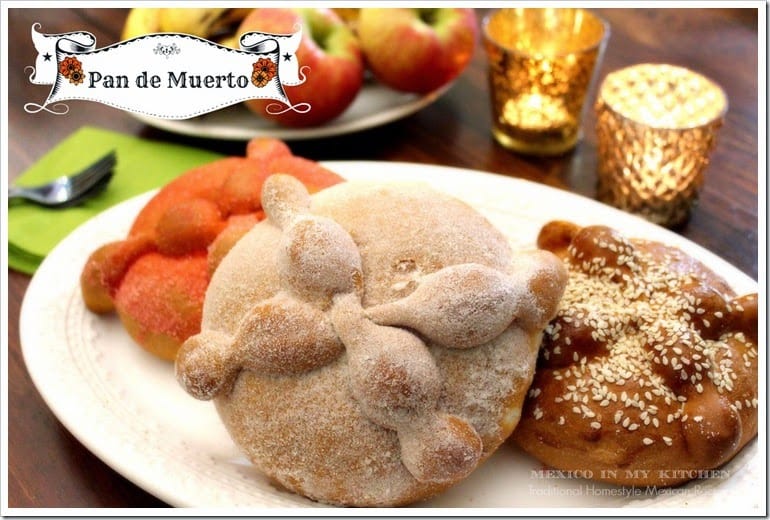
Ecuador: rolls sweet rolls into bread babies. The rolls signify baby dolls and represent deceased people. It is eaten on the Day of the Dead. The bread-like rolls are made with wheat and stuffed with a sweet jelly.
(picture of Ecuador’s baby bread)
Spain creates a soft marzipan tube. It is shaped like a bone and filled with fruit and nuts. Examples include coconut, kiwi, chestnut, and strawberry. It is dipped into a syrup.
(shown to the right is a Spanish/Mexican Day of the Dead bread)
Halloween evolved from the Celtic festivals observing the dead. Countries have different specialties for observance. Perhaps research treats from other countries. Make one and offer it to your family for the Halloween Holiday. (I’m thinking pumpkin bread or apple bread?)
Candy for the Halloween. Is there a healthy candy?
Drum roll: The Number One Favorite Candy for Halloween:
Reese’s Peanut Butter Cups!
Oddly also one of the healthiest candy!
Peanut M&M comes in second and is also considered a healthy candy. In a poll most of the 50 states chose either Reese’s Peanut Butter Cups or Peanut M&Ms. (I prefer Peanut M&Ms.)
Kansas you like Candy Corn! (just a couple pieces, please!) And Georgia likes Nerds. Connecticut likes Sour Patch Kids! Interesting and fun!4
The Best candy to offer is Hershey’s Mini Chocolate Bars. Three pieces equal 190 calories. They contain 3 g of protein and 21 g of sugar! It is easy to eat and melts in the mouth (without nuts or “krackles”)
The very worst? It is Nerds with 42 g of sugar. (4 grams of sugar in 1 tsp = 10.5 Teaspoons of sugar in one little bag!!!) Only 180 calories, and no proteins. Smarties is close to last also with 36 grams of sugar! (Only 9 teaspoons of sugar in one roll!) I think I read that Candy Corn is right there next to Nerds.
Reese’s Peanut Butter Cups: 5 pieces: 23 grams of sugar (5.25 teaspoons sugar) not soo good but has protein and fiber: 220 calories, 1 g fiber!, 4 g protein, 4% calcium, and 6% iron! But also 13 grams of fat. (So good and not so good. But what did you expect: it’s candy!I guess I never thought of protein and candy together!) Interesting!
Be careful how much candy kiddos eat before bedtime or school!
Remember sugar is a stimulant. A lot of sugar turns a child into a restless imp!
Or you can give out: Mini Pretzels. 3 grams of fat, 132 calories in 32 sticks, but 330 grams of sodium, less than 1 gram of sugar, 0 protein. Lots of carbs, very little sugar, with a whole lot of sodium for a small treat.
Is it possible for Halloween to be a healthy holiday?
There are ways to make Halloween healthy.
First choose a fruit before the candy. Eating an apple will diminish how much empty sugar calories you eat. Then enjoy the candy sweet.
Combine the pretzels with cheese and an apple. I’d sneak in carrots or celery too!
An apple is always good. Apples are relatively high in sugar, but they’re still a good choice. A large apple has about 25 grams of sugar. This amount is significantly higher than the sugar content of a banana or orange, for example. But!
The advantage the apple has over candy: Apples contain fiber, vitamin C, and antioxidants. A medium-sized apple provides the following: 11–14% of a person’s daily fiber needs. 10% of a person’s daily vitamin C needs. And is plenty sweet!
You can also think of donating the candy to a charity. My town has a dentist that takes in candy and ships it overseas. (Yes, it still is a lot of sugar calories, but children overseas don’t usually get a whole 5 pounds of candy to eat. Its fun to share. Sometimes this dentist ships candy to armed forces overseas for a treat, or to share.)
What is the safest Halloween Treat? Safest meaning easy for a small child to eat.
If you kiddos are very small, definitely check their bags for candy that they won’t choke on. You can make a game out of it: decide which candy to eat each day. Maybe lay it out in plastic bags. I’m betting in a week, the interest will disappear. And so can the candy.
The safest option of trick or treat candy is individually wrapped treat, without nuts or common allergens.
The of choice for easy to eat is miniature chocolate bars. You want something that does not cause choking. Yogurt covered raisins can be another alternative; altho raisins have fallen out of favor.
If you want safe: choose something that melts in the mouth. Small pieces or bite-off piece is better than something hard or chewy when it comes to little people.
Be careful of sticky candy that sticks to the teeth.
Sticky candy is a challenge for your teeth. So is extra hard or large candy. Bit-O-Honey falls into the category of sticking to your teeth. So does taffy, and even Tootsie Rolls.
Hot candies are not a good choice: Hot Tamales, Atomic fireballs. Peeps are not favored either, nor is candy corn. Little people don’t do hot candies.
Do you check your trick or treaters bag?
55% of parents check the kiddos’ candy for harmful materials.Look for small rings in bags for little people. Look for something that little people shouldn’t put in their mouths. Also check for the candy that sticks to their teeth.
40% of adults admit to removing candy from the child’s trick or treat bag. 21% admit to throwing the entire haul of candy out after a few weeks!
I won’t tell you the percentage that gives out old candy. (What’s old candy?)
(And you thought you were the only one who checked the treat bags?)
Please be careful as to how much candy the child eats before bedtime. I always made sure that my kiddos had something to eat before trick or treat. Many times “sloppy joes” were offered to the whole group of kids! It became an impromptu party! Food before “trick or treat” means candy does not become supper.
And please, no candy before school or at school lunches.Your child’s teacher will thank you.
Best advice for Trick or Treaters: (and their parents)
How to Trick or Treat Safely (recommended by American Family Insurance)
Walk — don’t run — from house to house using sidewalks when possible.
Carry a flashlight so you can safely see where you are walking
Be aware of and avoid open flames like candles in jack-o’-lanterns.
Avoid homemade treats and only eat factory-wrapped candy.
Remove your child’s or teen’s makeup soon after trick-or-treating to avoid skin irritation. A face washing after is always good.
I’ll add that parents walking with kiddos can be fun for all.(I so look forward to talking with neighbors on that night. Everyone’s door is open and the lights are on! My whole street feels so warm!)
Halloween is a fun night of traditions. It is fun to be someone else for a night, especially for little people. Take time to enjoy.
I like Halloween for the porch lights and the costumes. It is a special night for all participants.
Don’t just give out the treats, take the time to interact with your door-ringers and even their chaperons! I’ve given out treats for the chaperons too! It will give you joy to see their reactions. And it’s fun to talk to the neighbors on that dark, but warm-lit night.
As you child ages, perhaps share some of the history of the night. Use pumpkin in your meals.
Buy safe treats. Maybe omit cheap heavy sugared candies.
Encourage a good meal before a candy treat. (And yes, I won’t tell if you throw a lot of the Halloween candy out. I think the fun is walking that night and seeing all the costumes and the open doors with smiling faces!)
There are ways to make the Halloween “haul” healthy. Watch how much your kiddo eats and when. Candy is meant to be a treat after a meal.Candy is not an in-between snack.
By rationing it out, you are also teaching children that sweets are special and not usual.
You are also teaching them it is after a meal to enjoy. Candy is not meant to be eaten by the bowl in front of the TV. All of these action do help in creating good eating habits for your children in the future.
Maybe create a new food tradition or a fun Halloween night meal. Offer chili or sloppy joes before trick or treating. Incorporate pumpkin into your meal. There are many recipes: from soups to breads. Pumpkin soup is a real delight in the Fall. You can roast slices like a sweet potato to eat at your meal.
Cook with pumpkin and include them in your meal plans. This shows your kiddos that Fall offers more than just candy.
Have fun this Halloween! I hope the weather is good!
….The husky, rusty russel of the tossels of the corn,
and the raspin’ of the tangled leaves, as golden as the morn;
The stubble in the furries–kindo’ lonesome-like, but still
A preachin’ sermuns to us of the barns they growed to fill;
The strawstack in the medder, and the reaper in the shed;
the hosses in theyr stalls below–the clover over-head!–
O, it sets my hart a-clickin’ like the tickin’ of a clock,
When the frost is on the punkin, and the fodder’s in the shock!
Fall! Autumn! James Whitcomb Riley expresses it so poetically. We can almost feel it as we read an excerpt from his famous poem.
Fall is a transition time. The days get shorter every day, more noticeably by each week. It can be a busy time as we ready our homes and our families for the cold dark months ahead.
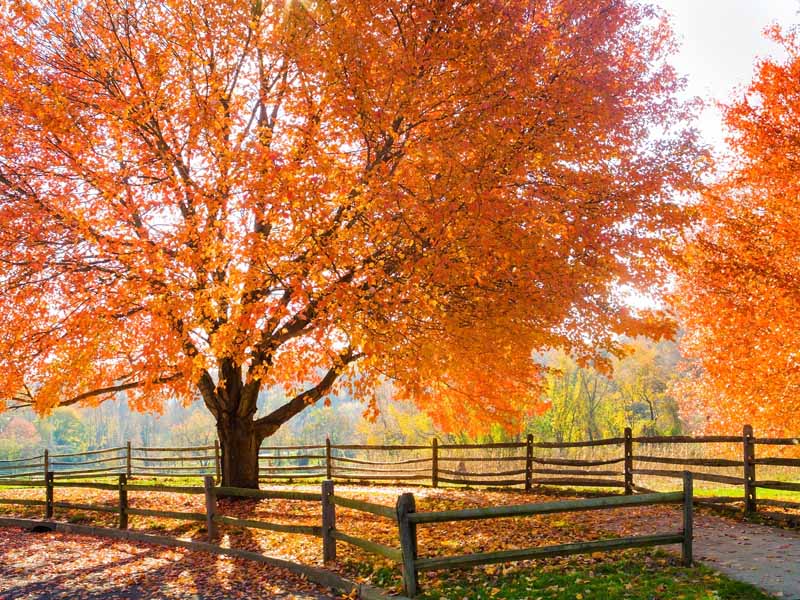
I do like Autumn (nicer sounding than “fall”…as in leaves…) There is color everywhere and the trees are so vibrant. We know that the leaf’s chlorophyll is what makes them green. As the day-light gets shorter, there is less and less time for photosynthesis to work. The green fades and the leaf’s actual color comes thru! The sap of the tree runs back to the root. The leaves drop. The tree above ground goes into winter’s rest.
Interesting to note: the colors of the trees are actually their nutrition showing thru. Carotenoids produce yellows, orange, and browns. Anthocyanins produce reds and purples. (You thought it was just humans that had them!) And of course, Chlorophyll which gives the leaf green color, but only with photosynthesis.
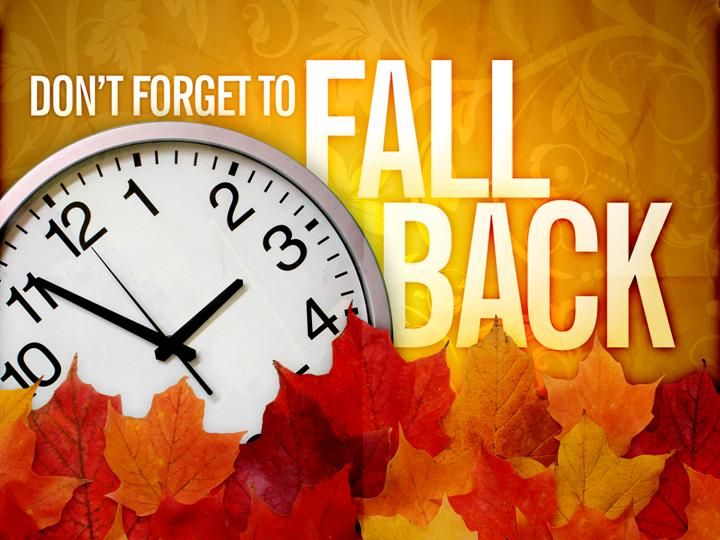
As the weather shifts, our bodies start to acclimate to the changing temperatures and humidity. This time of year disrupts our sleeping patterns. We rise in the dark. For a month, we come home in the dark. (How do they do it in Alaska?) Some of us really struggle with the time change.
WHEN DOES AUTUMN BEGIN? Who loves Autumn?
Some say Autumn starts September 1 (meteorologically). But I prefer the equinox date which falls on 22 or 23 of September. (Hey, it’s my birthday!)
A study done by the Journal of Aging, found that babies born in Autumn months actually live longer. Many live to 100! (However, it really is all about mobility, strength and balance that are necessary to lead to a longer life.)
AUTUMN ISTIME FOR A RESET, NOT JUST WITH THE CLOCK. We restart with new routines. Organization the night before is a sure way to de-stress the morning rush hour.
Autumn is the time we are back to routines. Vacations are over. School is in session. Families are creating schedules. The greatest “structure,” that comes back in Autumn, be that families are eating together again.
Routines give structure to the home and the family. It helps with managing stress to have a set routine at home. Learn to even choose the night before, the clothes for tomorrow. Lay out shoes and purses, briefcases, or book bags. Make certain any due materials are inside the proper bag and ready to go. Lay out coats if needed. Find the mittens if needed. Preparation the night before makes the mornings run a lot easier and allows time for Breakfast!
Many of us have problems with the time change. Shorter days and strange light-time can leave some people feeling confused and depressed, and can also create feelings of loneliness. Find ways to de-stress for yourself. Take up a hobby, join a social group or join a gym. Don’t let the light hours influence your day. Incorporate routines into your life. Set a bedtime routine. Set a morning routine. Routines do help and can give your mind peace.
STRESS AND S.A.D. Seasonal Affective Disorder (SAD) is a type of depression that’s related to changes in seasons. SAD begins and ends at about the same times every year. Stress can also contribute to feelings of sadness and depression. It is important to recognize the impact of both on mental health. It’s crucial to implement coping strategies and seek support from friends, family, or mental health professionals to manage these conditions. Additionally, engaging in regular physical activity is beneficial. Exposure to natural light can also help. Maintaining a healthy lifestyle can play a significant role in alleviating symptoms of both stress and SAD.
Adding more light and a bit of celebration of the Autumn holidays can help to relax Seasonal Affective Disorder (SAD). SAD is a type of depression triggered by the change of seasons. The increased darkness can be upsetting and depressing. Some people become very upset with the time change AND the added darkness. As the light dims outside, light up more inside. String indoor mini lights for decoration and ambiance. Decorate for the Autumn holidays such that coming home everyone will feel warm and invited. Autumn decorations do make a mental difference as they add cheer to a darker home.
Children today suffer from more stress than ever. Studies show that social networking and sometimes even on-line game-playing adds to their stress. Encourage hobbies and activities that give them a personal challenge. These activities should allow display of their work. Examples include painting, clay modeling, car models, sewing. All these activities do help a child’s mental health.
START WITH MEALS: Breakfast is a very important meal of the day. Learn how to make it easy and quick.
Make breakfast the meal of champions: Start with whole grain cereals. Try to stay away from boxed cereals as they are full of sugars. It is easier today to prepare oatmeal in the evening. Add some fruit and yogurt. Refrigerate it overnight. Have it all ready so in the morning family can enjoy breakfast.
Add apples to breakfast. My family like to add fruit cups to oatmeal. It gives natural sugar and the fruit is tasty. (only fruit with natural juices.) Whole grains are important for energy. There are many different types of oatmeal today. Try to stay away from instant as it has lost some nutrition with processing and added sugars. Milk is a good protein source in the morning. Add to milk a protein powder. There are many flavors to choose from. Have a colorful breakfast.
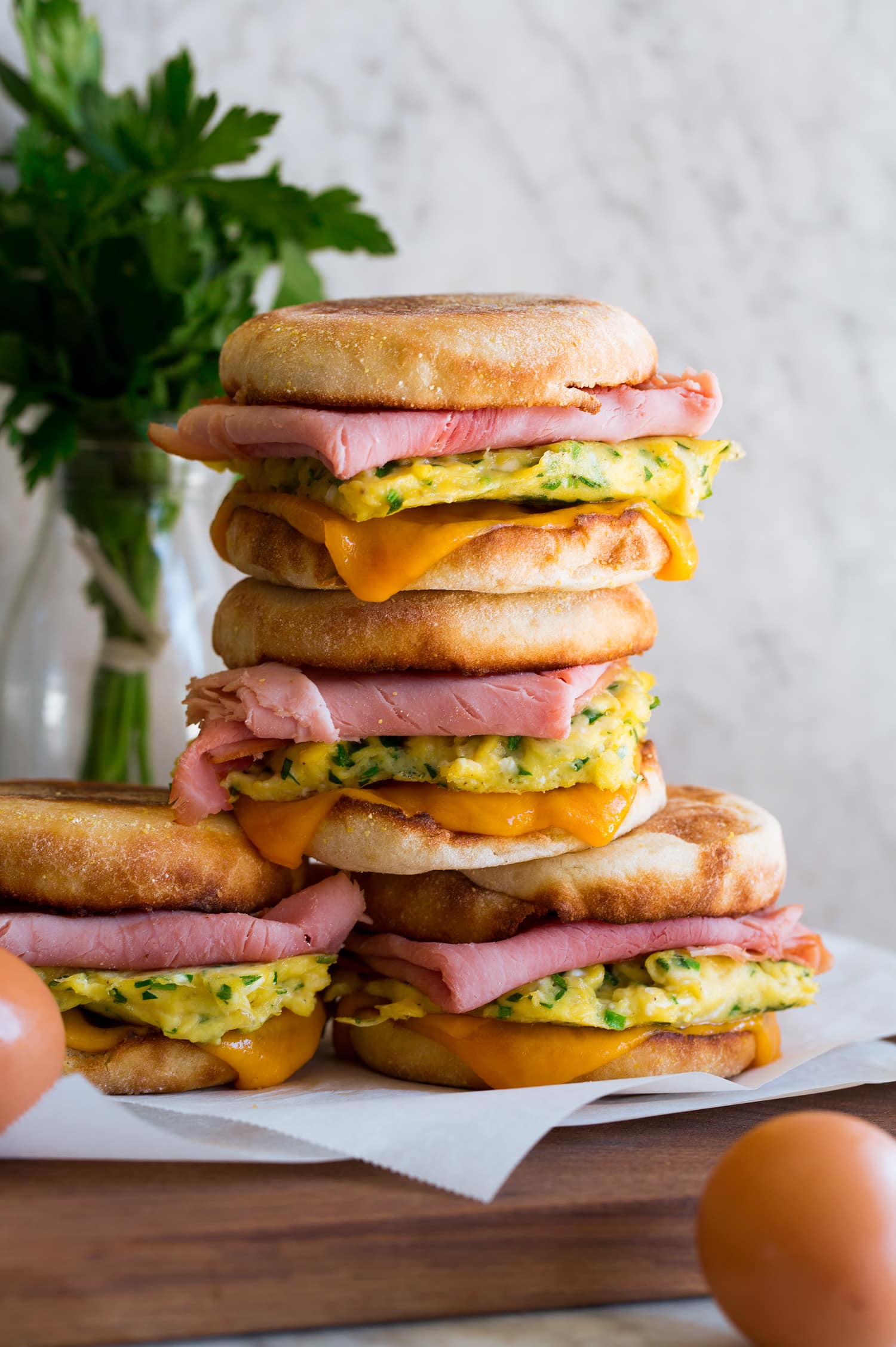
Prepare for morning meals on the weekend by making your family’s favorite egg/English Muffin. Make eggs on the weekend. Create an oblong pan of eggs to make breakfast sandwiches. Cut the eggs into squares. You can add your own cheese, meats, or bacon. This way, you can grab and go. English muffins hold up well in the freezer. Grab a sandwich. Nuke it. And an apple and you are ready for the day. Easy and cost-effective. Much tastier too! Add preserves to cheese on the muffin. Engage kiddos to create fun sandwiches. Don’t forget to label!
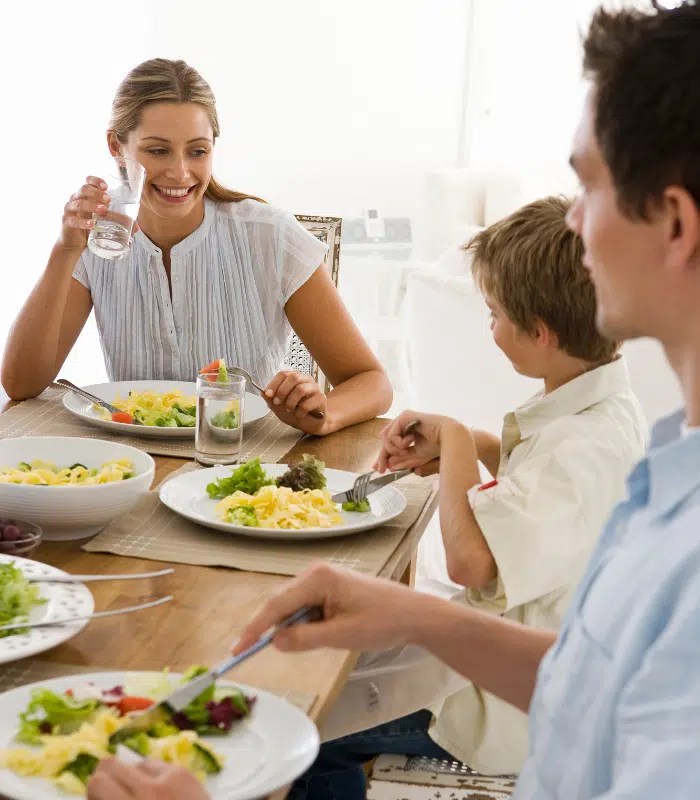
Make mealtimes important. Plan ahead for nutritious family meals that don’t take a lot of prep. Learn to shop only once a week. Incorporate Autumn’s harvest into your meals. This is a great time for stews and soups that simmer while you play or work. Take the time to set a pretty table. Use napkins. Make meal time special. Add some silk flowers? Or a pumpkin?
The American Heart Association actually offers mealtime conversation cards to get the “talk” going. (We have a tradition. We go around the table, with each person saying one thing, good or bad, about their day. Even if it is only lunch that was the highlight!) But don’t let lunch menus become a normal answer. Kiddos have to think and learn to remember. After a while, it is surprising to hear about their days. Ask also how they were treated during the day. Be aware of any signs of bullying.
FOODS TO INCORPORATE TO STAVE OFF AUTUMN ILLNESS: Warm soups and stews! Use Autumn vegetables for nutrition and flavor! Make a big batch to freeze for another meal.
The seasons change and as temperatures drop, our bodies naturally crave foods that give warmth. These types of foods offer comfort and help our immunity. Spice things up. Try something new.
What is a good choice to add in the Autumn time of year?
All kinds of berries: antioxidants.
Vitamin E: nuts, almonds, walnuts, brazil nuts are rich in vitamin E, zinc, and selenium that support our immunity.
Dark leafy vegetables (spinach, kale, swiss chard) are filled with Vitamin A, C and other antioxidants. These can be easily added to soups or stews.
Spices: Turmeric, ginger, cinnamon provide anti-inflammatory properties. These can be added to teas, curries, or baked goods. Turmeric is a good anti-inflammatory spice.
ProBiotic foods: make yogurt a daily food, but make it unsweetened. (Great for snacks. Can add fruits, or a drizzle of honey for sweetener.) Fermented foods such as saurkraut, kimchi and miso can be added to salads or sandwiches.
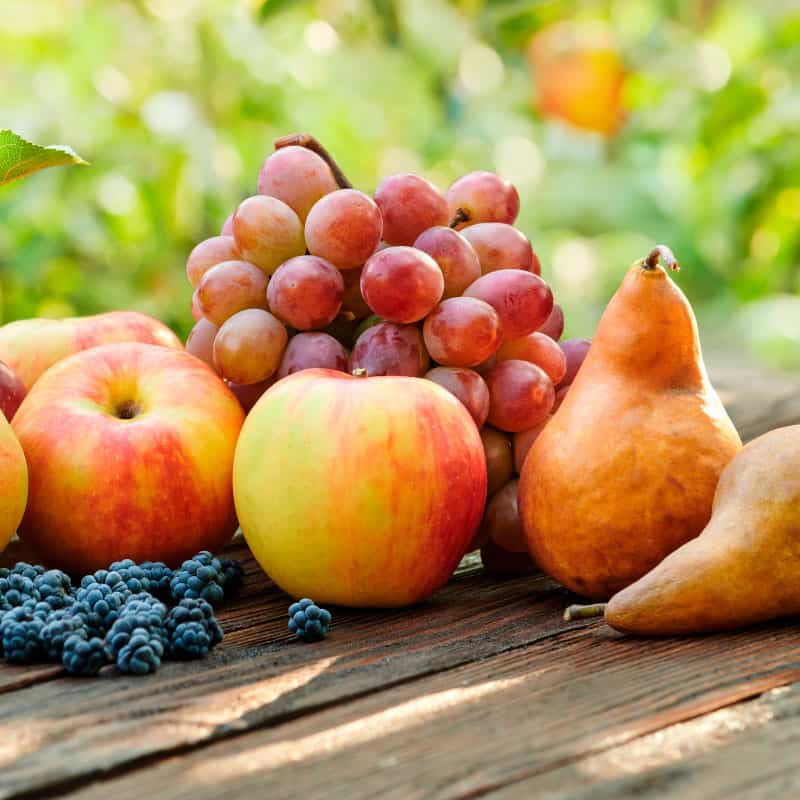
Don’t forget Autumn fruits; they can make a sweet dessert. Cut up ahead of time and serve on a platter. Offer two kinds or add a slice or two of cheese, or a couple nuts. Watch it disappear!
VITAMINS FOR AUTUMN: Autumn fruits are delicious! Be certain to check them out and add them to your meals!
Eating lots of fruits and vegetables can prevent some chronic health problems. They help your body stay strong and fight off infections. Be certain to add Vitamin C-rich foods, like oranges, broccoli and kale. Limit sugary drinks. Water does taste good with sliced fruit in it!
Vitamin D3 is another winter vitamin that you want to add. It is commonly called the “sunshine vitamin,” which is in short supply as the days get shorter. Vitamin D3 is great also for your immunity. Kids vitamins today are very tasty and easy for them to take.
Echinacea and elderberry are known as great age-old remedies to combat the common cold. Be certain to talk with your physician before adding herbal supplements. This will make certain there is no contra-indication if you are on prescription medications. Both herbs are great in teas, especially warm or hot.
UNPLUG AND GET YOUR LEGS MOVING!
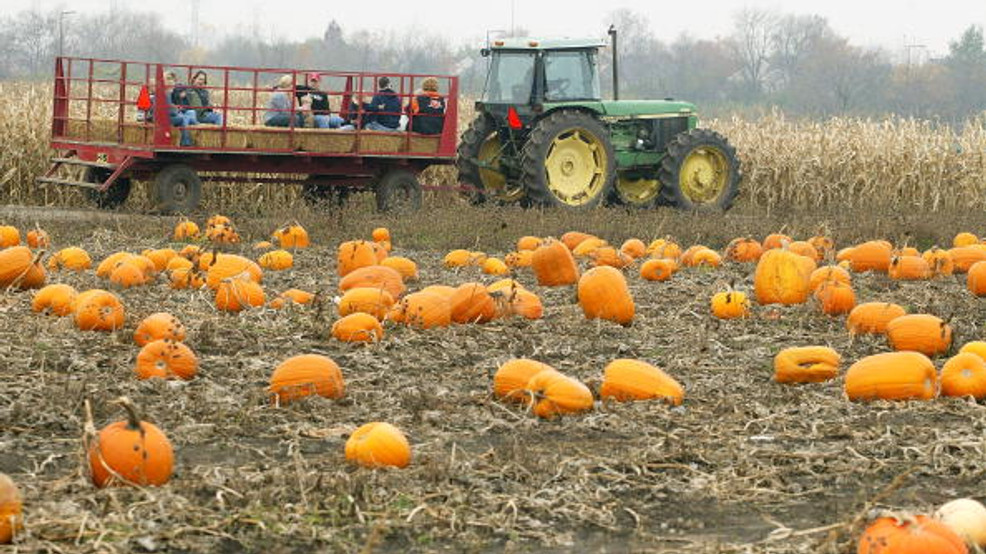
This is a great time for hayrides, and pumpkin and apple farms. Take advantage of cool clean air in the Autumn. It will also reduce the stress of the changes happening with routines and schedules. And it is fun to explore together.
Of course, for the above to work: we all need to unplug. Set a time frame for social networks or emails. No phones at the dinner table. Leave them on the counter, on silent. Suggestion is to definitely unplug at least one hour before bedtime.
This is a great time for walks, jogging, cycling, hiking, apple picking, pumpkin choosing and gardening.
Do dress appropriately for the weather. Perhaps keep a light jacket in the car for impromptu excursions. It will be useful if the weather turns cooler than when you started out.
Remember your sun screen when outside. UVA/UVB rays are there even in cooler days and cloudy days. You can still get sunburn.
Use moisturizers for your skin and lip balm to prevent dry lips. Add a humidifier inside once the heat is constantly on. Condition your hair and don’t style it too tight. Use a cap. Don’t forget hydration. You need proper hydration at any time of the year, not just in the heat of summer.
BEDTIME ROUTINES:
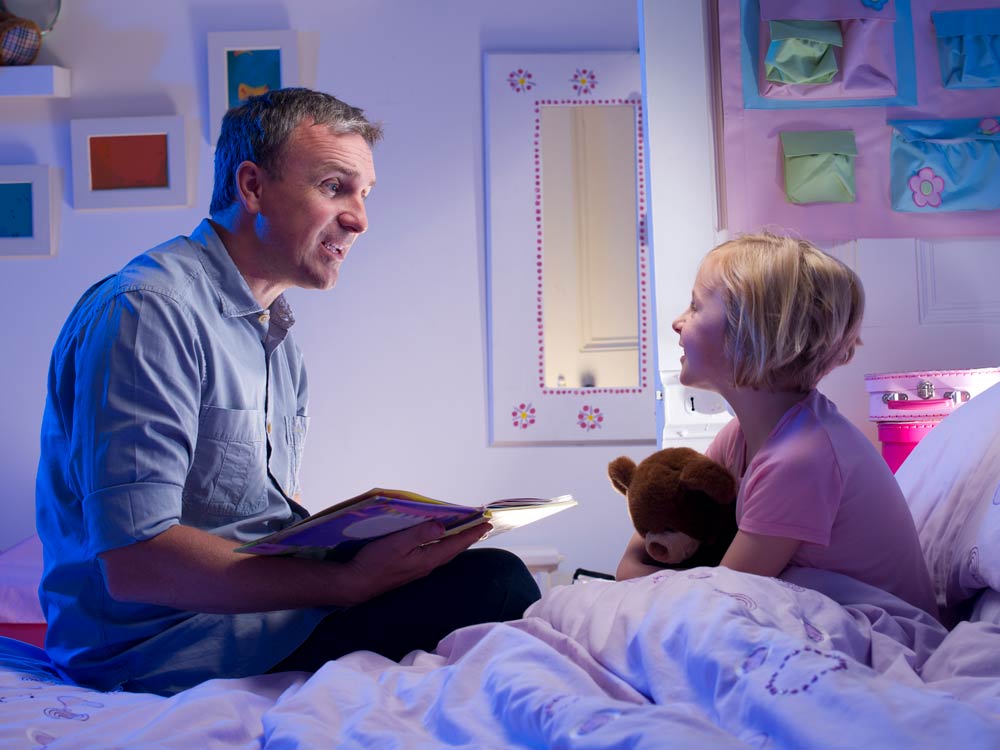
Create a family bedtime routine: our bodies loves routines and it will help you calm enough to sleep. Being outside before/right after dinner, will also help your body rest. Perhaps try reading before sleeping, be careful of blue light as it can interrupt sleep signals. Listen to calming music works for many. Children love to be read to before turning over to sleep. Great snuggle time and Hug time.
We all need at least 7-9 hours of rest each night. Children need more. Schedule your sleep time as important as that meeting for tomorrow.
DON’T FORGET YOUR PERSONAL HEALTH:
Take the time to create doctor appointments. Health checkups are important as we go into the cold, dry, indoor months. Schedule wellness check-ups (make certain boosters are up to date), and don’t forget the dentist. Eyes should also be checked. If you haven’t had flu or CoVid boosters, schedule them too. A once-a-year check up gives you and your doctor a baseline for your health.
BASIC HYGIENE DOES HELP OUR IMMUNITY:
Talk about hygiene to our kiddos: Washing hands regularly. Remind our kiddos not to touch their face often. They should cover their mouth when they sneeze, using their inside arm. Include face washing and teeth brushing at the beginning and end of the day, part of their routines. These routines will go on into their adulthood.
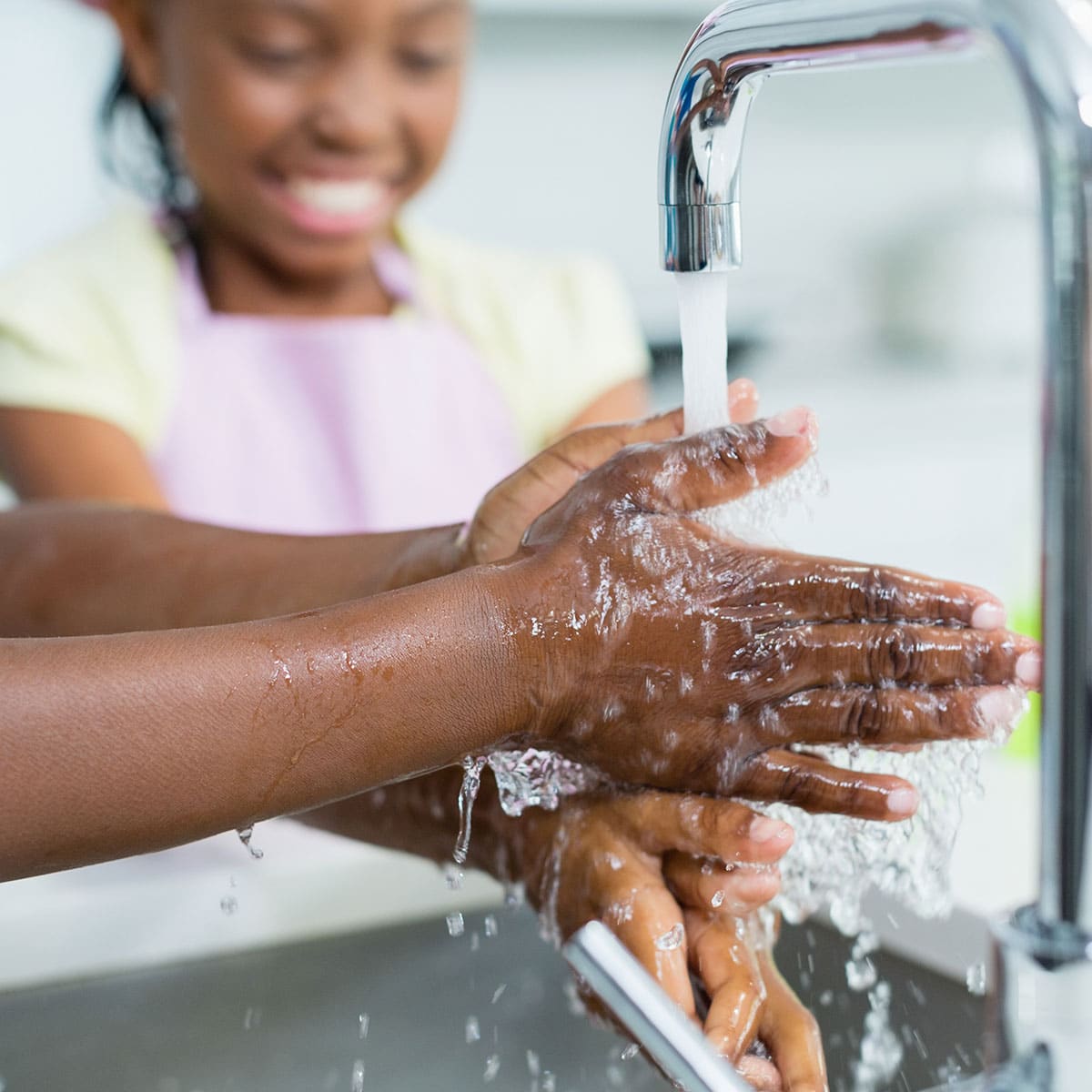
Show kiddos how to properly wash their hands. Rub with soap for at least 20 seconds, or recite “Mary had a little lamb” in their heads. Encourage good hand washing especially at school or when coming indoors from anywhere outside. Not a bad idea for kiddos busy hands, to wash their hands before eating. This is the time of year for colds and flu. Hand washing does make a difference in keeping some of those germs away.
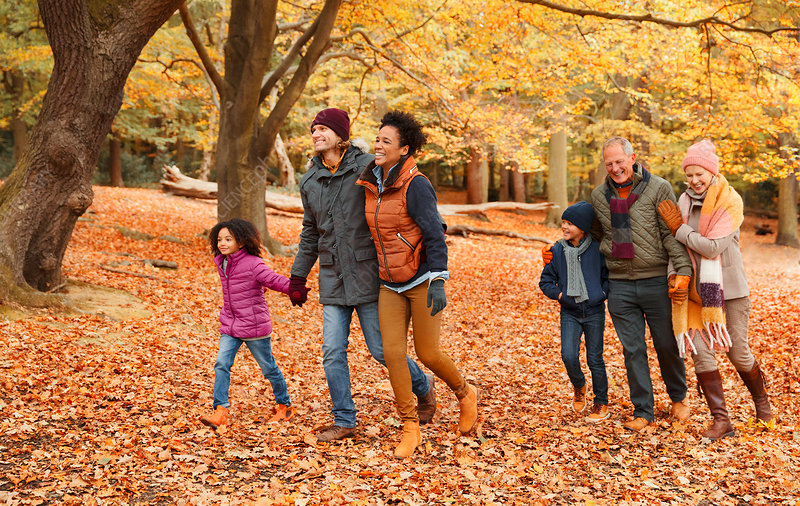
Multi-generation family walking in autumn park is always special. Invite your extended family and make it a fun explore.
Autumn is a gathering time. We gather our crops and harvest them. We gather more together in closed places. Keep up on good health tips to keep your immunity strong. Embrace Autumn and get outside to enjoy Mother Nature’s greatest art work of colors! Challenge: who can find the Biggest Leaf!











 Mary Jessen: Wellness Makes Cents