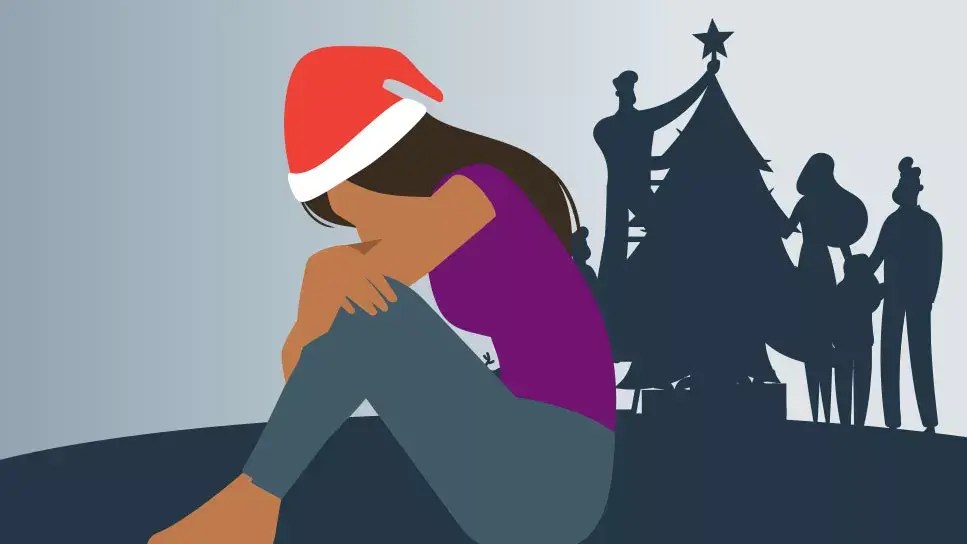
Coping with Holiday Blues: Tips for Mental Health

Christmas Time. Fun times. Gift giving time. Christmas tree time. Stocking hung by the fireplace. Fire in the fireplace. Cookies and cakes oh my! Oh the warmth and glow of Christmas. A perfect Christmas scene.
For some of family and friends, holidays are not fun. It can be a time of great stress, maybe loneliness, anxiety, and depression. Perhaps a lost one is no longer with us.
Additionally, the demands of the season can put great stress upon us. It is difficult to get away from it. Marketing and TV blast it at us: Make it a Hallmark Christmas! We are now looking at Christmas before Halloween!
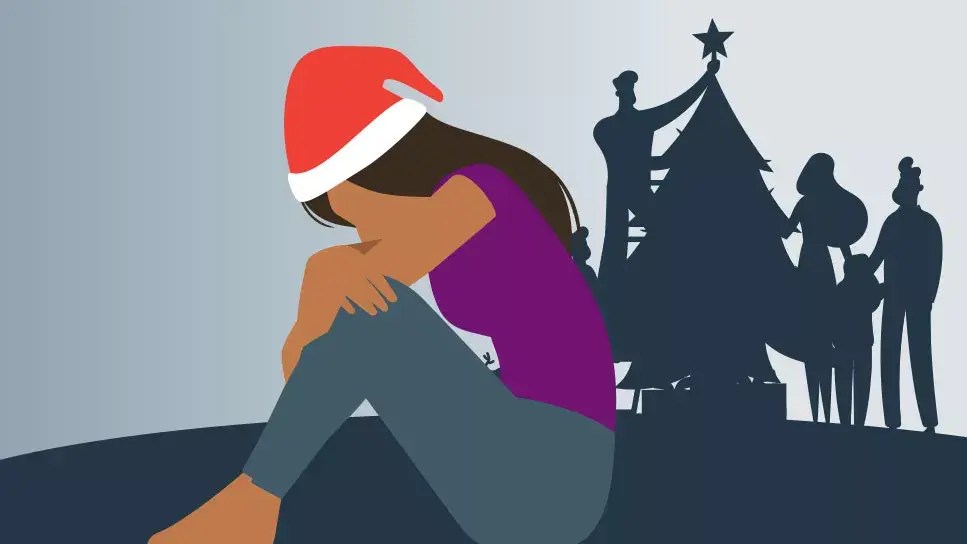
The Holiday season can be overwhelming with tasks that are thrown at us as need-to-do. Sometimes I feel I get caught up in that wave. I sit down at night, and I feel that I’ve not accomplished anything. I become frustrated at what I didn’t finish. I know it is time to re-evaluate my day and tasks. Maybe my list was too long? I could scream as I feel so overwhelmed!
What are Holiday Blues?
Holiday Blues can feel like “regular depression.” However, the difference is that it is triggered by several factors. These include the onset of holidays, holiday events, family get-togethers, and attending or hosting special holiday events. It comes in bursts relative to the event, and end after. Or it can linger for the days and weeks leading up to the holiday season.
“I can’t do all this!” “Why bother?” Depression can be a result of un-achieved, over-tasked, un-accomplished days. This is where seasonal depression starts. “What’s the use?” is a common admission.
It is easy to think we are the only one feeling sad.
It is easy to assume everyone else is having a great holiday! It is easy to assume everyone else has it together. It’s easy to assume everyone else is doing great!
You may think you are the only one struggling with depressed feelings. Holiday depression can make you feel isolated. You may feel like you are observing others having a great time. This can lead to feelings of “what’s wrong with me?”
The brief period when Christmas is considered a Big Deal is only between the ages of 6 and 8. Children become aware of gift-giving and the celebrations as they age. It is after 8 years of age that the reality of the holiday is noticed. And as children get older they begin to recognize that Santa’s gifts cost a lot of money.
As an adult we can see the costs of the Holidays: financial, socially, maybe travel, gift selections, decorating, etc. We get too involved in the mechanics of the holiday. We forget the real reason for it: To celebrate a family getting together. It is perhaps also a time to celebrate the birth of a very special child.
I suggest that if Holiday Blues are becoming more of a problem, step back. Consider what is truly important for you and your family.
Why do I feel so sad?

The most common symptom of Holiday Blues is a persistent feeling of sadness. This can include changes in appetite, weight, sleep patterns, depressed mood, difficult concentrating. It includes a loss of pleasure doing the things that normally make you happy. You may have memory problems. Restlessness. Sadness that lingers around the calendar for the holiday is a sign of Holiday Blues.
Sometimes it is an overwhelming feeling of getting no-where. This can lead to feelings of guilt (there are so many others worse off than me). You can find yourself wanting to stay in bed longer in the morning, or craving unusual afternoon naps. You can develop feelings of anxiousness and worry.
When we are over-stressed during times when we are expected to be organized and happy, it can lead to sadness. We may not feel we are normal. We may feel we are not doing it right. We may feel out-of-control.
You may need to make some changes to your “usual” holiday activities.
Don’t be afraid to make some changes in your Holiday festivities.Maybe you are over-scheduling. Are you trying to accomplish too much? It may be just a gathering of your immediate family that you feel needs to be Perfect. Include the extended family/friend groups after the New Year. A winter party can be more fun than a Christmas social event as the stress of the holidays is gone.
Some facts about Holiday Blues?
In the US, adults are feeling overwhelmed by the holidays. We all feel we need to make our Holidays Perfect!

Nine out of 10 adults say that concerns of not having enough money cause a lot of the stress. They also worry about missing loved ones. Additionally, they worry about family conflicts.
Between two and five people rate the holidays as higher stress than any other holiday.
Forty-three percent of people polled say holiday stress interferes with their enjoyment of the holiday.
Thirty-six percent of people polled says the time between November and January feels like a competition.
(The above facts are according to a poll done by the American Psychological Association.)
It is important for people and families to take care of their mental health during holidays.
Holiday Blues can be hard on mental health, especially if you are dealing with:
- 1.Stressful schedules: Managing a family’s special holiday activities can be overwhelming. Trying to fit them into a family schedule can be quite challenging.
- 2. Holiday depression can be hard if we feel we have to be the best hostess or organizer. No activity is ever perfect. As a guest, we just don’t notice the mistakes or corrections.
- 3.If you are separated from loved ones at the holidays, it can be a sad time. We notice their absence. Don’t avoid the feelings of loved ones trying to adjust to the change in their life. Maybe a hug is just what they need. Maybe it’s you. A hug works for you too.
- 4.Isolation can also become more difficult in the holidays. Whether it is a loss or a move away, the holiday emphasis on family can make you feel all alone. Don’t be afraid to reach out to others who may be alone.

- 5.Conflicts or feuds within the family can bring about depression. This can happen especially with conflicts among the adults result in not seeing their children. Try to adjust to avoid the conflicts. This can be difficult.
- 6.Social anxiety can cause depression when we are afraid of a large gathering. We also fear not belonging in the event.
- 7.Holiday trauma of years past can arise and influence this year’s celebration. Maybe the trauma was a major illness or death. Then the holiday can become a reminder of earlier year’s struggles.
- 8 .Don’t be afraid to set boundaries. It is ok to decline an invitation to a gathering that may not make you happy. It is ok to leave a gathering early. Don’t feel bad about setting a personal boundary around what you feel will upset yourself.
Don’t assume that everyone else is happy when you are struggling with your emotions about the holiday. You are not the only one in this big big world with problems.
There are ways to work with Holiday Blues:
You don’t have to accept feeling blue at the holiday time. There are suggestions that can help you deal with Holiday Blues and be capable of enjoying the holiday.
- A. Don’t be afraid to remember the loved one: Share a toast. Place their picture out. Include their memory in today’s events. “I know she would love this!” “I know she is here with us.”
- B. If distance is a problem, consider placing photographs around. Put some holiday decoration by the photo.Stay connected. Use the computer to connect if you can. Zoom works. And the cost is minimal. Phone calls to help. Work an activity together by phone call.
I remember during CoVid my family had Christmas by Zoom. I sent out gifts and packets of fun to each family. We opened presents together and even played games together, all on line. We were separated, by still shared the time.
The following year, CoVid was not as bad. We decided to hold Christmas in a more open atmosphere: our Garage! We all wore our masks. I decorated the garage. It was not as good as Christmas inside our home, but we were connected. And it became a Christmas to remember.
- C. Professionals suggest that you try to connect with yourself and your values. When you are feeling blue and worrying too much about others, this is the time to reconnect with yourself. Choose an activity that will hold your interest and concentration. Find interests that make you feel good and does not drain you emotionally.
This is where I stop to paint. It’s just watercolors, and simple window plastic decorations. Sometimes craft wooden birdhouses. It fulfills my soul, and refreshes me. I give the objects away or hang them in my window.

- D. Watching TV is a passive activity and realliy doesn’t help. It often presents too weak a subject or plot to hold your interest for very long. Sitting too long looking at Hallmark is not a way to motivate yourself to do what makes you happy. If anything Hallmark has unachievable life plots and lives. It is a fantasy. Not a reality. TV watching can also lead to snacking and added calories.
- E. Be alert to what you decide to put off or ignore. If you find yourself avoiding what normally gave you pleasure, do an “avoidance activity.”
What’s an “avoidance activity?” A brief moment of happiness is an avoidance activity.A suggestion is to make a cup of tea, or cocoa. Stop and embrace the warmth. Savor it. Hold the warmth of the cup in your hand. Feel the warm cocoa go down. Embrace it.
Then perhaps try the activity again. Try the activity in a small dose of positive action. (Clean one counter, not the entire room.) Even a small sense of accomplishment goes a long way to boost your mood.
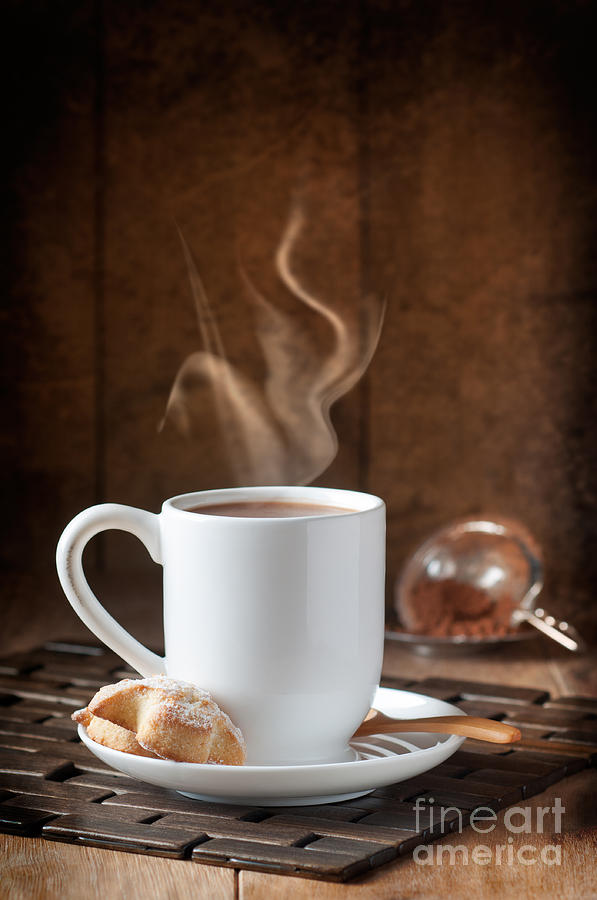
An “avoidance activity” can also be a moment of reconnecting with your values. Enjoy the aroma. Look out the window. Stop and really savor that cup of your favorite beverage. It should become a moment of love of self or nature.

- F. We all know that physical activity counts. When you are in a blue mood, perhaps it is time for a walk around the block. Get a change of air. Physical activity increases endorphins, serotonin, and dopamine all of which are natural anti-depressants. Create an exercise routine in the winter months. Joining a gym can help not only with exercise but also social interaction. And the membership fee can “force” you to go.
Physical activity can include trips to museums and zoo. It does not always have to be a walk. Learn to find spots of interest that are calming not stimulating when you exercise. Do some local exploring. Art center? New coffee cafe?
- G. Weight gain in the winter months can be a problem, especially for those who are affected by seasonal depression. Feelings of lethargy, can lead to eating high-calorie, high fat foods to try to cope. A regular exercise routine helps with improper eating, as excessive holiday eating can lead to weight gain. Enjoy the holiday special foods, just don’t over-do it.
- H. Try to keep a normal sleep schedule. It is quite tempting to stay in bed on a bad winter weather day. Hypersomnia or over-sleeping is common in winter and can actually add to a low mood. We all like to snuggle when the cold winter winds are blowing.

Many of us have lost the need to emphasize sleep. We watch TV until the program is done, or the game is finished, even if it means staying up later. Learn to set a time when stimulation is turned off. Going later than usual does upset your circadian clock. I know my dog likes bedtime at a certain time. She reminds me! We all need to emphasize sleep and rest. We need good rest to be able to recover for the next day’s challenges.
Suggestions for Self-Care for Depression.:
Use some of the above suggestions. Some of these sound alike. Many times it is taking one day at a time, without double scheduling. Planning the week out on a calendar. Planning the week on paper, and then itemizing in priority. Don’t forget to add: eating healthy and getting 6-8 hours of sleep each night.
- Take note of the light in your work/living area. This could be the ONE thing that is affecting you. Start with controlling the light around you. You may need to increase it. Holiday Blues, and S.A.D., are affected by winter darkness. Add more light to your home or work spot.
- It can not be emphasized enough to make time for yourself to recharge. A solo walk outside. A solo shopping trip. A long bath. Pedicure. Manicure. Enjoying a hot cup of cocoa; don’t drink it, savor it! You Need to recharge when stress is high.
- Get good rest. Emphasize it. Make your bedroom feel welcoming to yourself. You want to feel a bit pampered when you sleep. Enhance your bedroom space. Perhaps clean and organize it. Read a book before sleep. Find a good novel with good thoughts. Add some extra pillows to your bed that make you feel “special.”
I add some Christmas decorations in our bedroom. Not a lot but a little green and red. It brings holiday cheer into my safe place. I don’t go overboard as too much is stimulating. I like a quiet bedroom.
- Try to balance your life. This is done by scheduling action and structure to your normal activities. Create regular times for breakfast, exercising, answering email, talking with someone. The last activity of the day, as advised, is to sit down and create a plan for tomorrow. Your mind will rest a lot easier with a plan for the next day.
I’m a note person. I always like to write notes, and especially if I am looking at a busy week. I incorporate house tasks, shopping, meal prep, and even evenings with some relaxing Christmas movies. I like a to-do list especially over the holidays when there is so much to do. I have learned to feel satisfied as I cross off activities.
It is suggested to start the day by making your bed. This is a mental act of organization. Your mind starts the day with an accomplishment.
- Improve your Living Space: Put cozy blankets on the couch. Make your bed every day. Learn to “straighten” your home each night with everyone putting their “things” away. In the morning you are greeted by organization, not chaos.
Add some lamps. Overhead lighting does not help as it has a glare. You want warm bright lights. One of the causes of SAD can be connected to the dark nights of winter. Changing that light bulb, adding more lights, may be all you need to feel better.
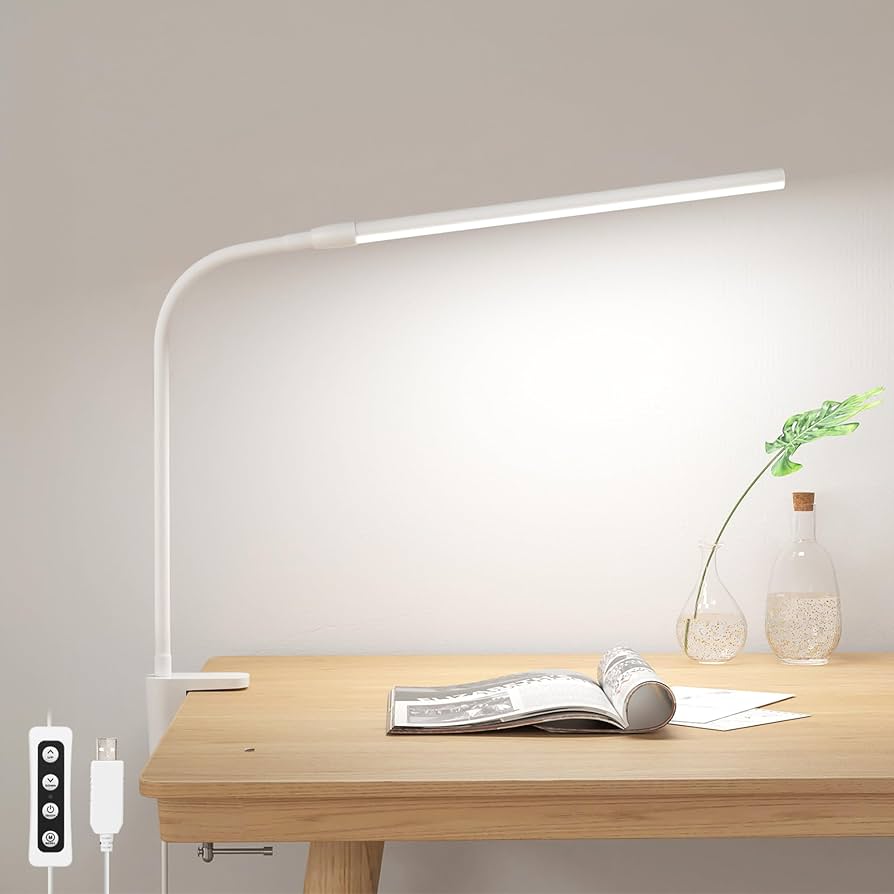
Choose a different bulb for your desk lamp if you find yourself affected by darker days. (Amazon offers special bulbs for SAD.) Alternatively, buy a small desk lamp for your personal use. Move your chair closer to the window. Open the drapes or shades during the daytime.
- Do something new. This can be a trip to the zoo or museum for the holidays. It can be local and it can be far away. Try a new hairstyle. Go to lunch at a different cafe. Novelty and exploration prevent stagnation. This not only puts you in motion but also gives meaning to the day.

Many cities have special Christmas activities. I like our Zoo with all the Christmas lights! And they may have available hot cocoa! Indianapolis State Museum has a Christmas tree contest whereas local groups decorate Christmas trees for competition. It is a beautiful display of trees, lights, and decorations.
- Watch your diet! Junk foods or fast foods can create a “crash” feeling. Complex carbs take longer to digest and increase the “feel good” hormone (serotonin) in your brain. Feel good foods include spinach, sweet potatoes, broccoli, beans or lentils, and zucchini. Chocolates and almonds are also mood enhancers. (But remember chocolate and almonds are high in fats.)
If you are going to attend a high calorie event, watch your daily consumption of calories before attending. The next day, drink a lot of fluids. Pay attention to your calorie intake again. Your body is digesting the rich foods of yesterday. Exercise on the day after does help burn some of the high calories.
is a significant amount of activity before the Holidays. All this activity occurs in a short period of time and is for just one day? Making a list can help you and your brain. Itemize what you want to achieve. This process takes stress from your brain. It helps your brain by seeing order to what you want to do.
- Create a list:

- Create a list. Write it down. Ask yourself to rank what you want done.
- Then arrange the tasks you listed. Stick to your list.
- What has the Most importance?
- What has the least importance and this task be eliminated?
- Add to the above list, tasks that you would like for yourself to get ready for the holiday.
- Make certain you are putting a good night’s rest at the top. Don’t run your list until midnight! Remember sleep is important. If preparing for the holiday, cuts into your sleep, you are doing too much.
- Getting enough sleep will give you greater energy to achieve what you consider important.
- Add a pedicure or a manicure for yourself. You don’t have to buy a spa treatment, just enjoy a good bath or shower. Take time for yourself to recharge.
- Take your vitamins. When stress is high don’t short-change yourself with your supplement. When stress is high, our immune system struggles. Probiotics and vitamins are good to help increase your immune system at this time.
- You need an immune system that is high with all the shopping and events. A low immune system can lead to getting sick.
- Make certain to eat a balanced meal. Don’t always rely on fast foods.
- Be certain to add some outside time. Taking a walk, even if only once a week, can renew your spirit.
- And share the joy, not the stress. Sometimes it is taking a step back to look at the holidays as a child views them. Simple.
As to the list? What did you rank high? What did you rank last? Cross out the bottom three. How does that feel? I hope you feel a bit lighter.
- Your thoughts are not Facts. If you mind chatter is controlling you, STOP the mind chatter. We get in trouble listening to that inner voice sometimes. Our minds tend to wander down the same path it took for years. Knowing this can help you work on changing that voice. Your inner voice is not what really happened nor will it happen.
And if you don’t have an inner voice, not to worry. Many people do not.
The best suggestion I’ve received for that inner voice chatter is to say: “STOP. I don’t want to listen. STOP.” It does work. Try to remember something good instead.
What is S.A.D.?
This change of seasons can set into motion a type of depression called Seasonal Affective Disorder, commonly called S.A.D. This type of depression starts in late fall, November, and can last until Spring or even Summer. It is real. It does happen. It can sneak up on you. One day you can look in the mirror and start to cry.
Symptoms can include: depressed mood for most or all days; loss of interest in activities you once enjoyed; lack of energy; trouble concentrating; sleep disturbances (particularly oversleeping); feelings of hopelessness or worthlessness; thoughts about not wanting to live; and weight gain. The symptoms of S.A.D. and Holiday Blues and Depression are quite similar.
(To distinguish between depression and S.A.D. in comes down to a time frame. If depression starts in November and runs through winter, and ends about March or April, it most likely is S.A.D. If it goes longer, please seek help. It is all about the time frame of onset.)
Holiday Blues may come and go with the time frame for an event or celebration. Holiday Blues is connected to performance of the activity. It comes before, and once the event is done, it disappears.
Severe Symptoms of Seasonal Depression and S.A.D.
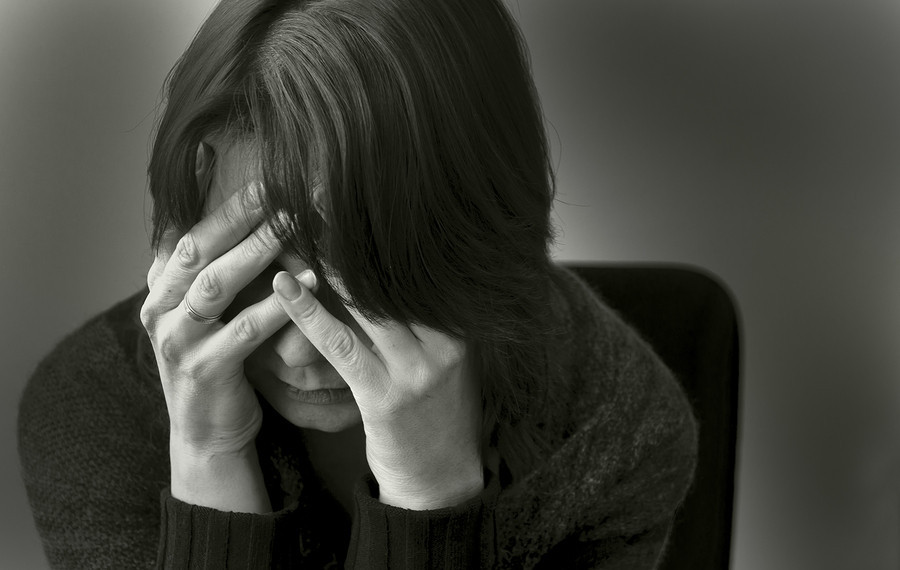
Severe symptoms of seasonal depression are more than Holiday Blues.
It’s when Feelings of depression last most of the day or nearly every day past the holidays.
Feelings of Hopelessness. Feelings of worthlessness. (This is particularly worrisome. Please contact your doctor if you find yourself feeling such.)
Sluggishness. Agitation.
Any time depression includes thoughts of suicide, you need to get professional help. Don’t wait. It’s easy to call 988. This call is confidential.
If you find yourself with these symptoms for more days than not, it is important to talk with your doctor. Seek help if it does not improve as the holiday season ends or winter ends. Professional help can truly help you through this.
What’s the overall Suggestion for Holiday Blues: Slow down on attending all the events. Don’t plan so much. Prioritize. Everything does not have to be perfect.
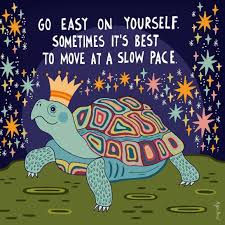
Slow the pace down. Try for one activity a day. One special event per week. Take control of your calendar.
Keep the pace slow and manageable. Slowing things down can create better memories. Don’t rush through events that become a blur in your memories.
At holiday times we feel our family needs it all. Advertising and marketing companies keep telling us how much we NEED to do this or NEED to buy this.
Do we really NEED it?
Most often not.
When should I go for help?
If the holiday passes and you are still depressed, please see your doctor for help. Or if you find your depression is deepening, please see your doctor. Everyone gets depressed at times. It is when the depression lasts longer than two weeks, we need help.
Over all Suggestion to help make the Holidays a bit easier.
Refocus your holidays. Make it family time. Slow things down to savor the times together. Take the time to remember the memory. When we don’t try to accomplish it all, you may find greater satisfaction and enjoyment. Prioritize. Eat healthy meals. Try to stay away from fast foods. Get enough good quality sleep. Pamper yourself and your family with quiet times.
Set a budget. Set a budget for gifts, for extra entertaining, or decorating. Try to stay within the planned costs. Try not to find yourself competing with the “neighbors” or what TV says is perfect.
If you find yourself getting depressed, take a step back and recharge YOURSELF. Try some of the suggestions. Realize that you are not alone with stress/holiday blues at the Holiday Time. Marketing and Sales has put a huge burden on families. We can easily lose our focus.
Keep the Holiday simple: Simple Plans, Less Stress!
Most of all: You are not alone with your feelings. Hugs!
https://wellness.maryjessen.com
References:
https://www.apa.org/news/press/releases/2023/11/holiday-season-stress#
 Mary Jessen: Wellness Makes Cents