
Autumn: A Time for Reset, Rejuvenation and Fun!

WHEN THE FROST IS ON THE PUNKIN:
- ….The husky, rusty russel of the tossels of the corn,
- and the raspin’ of the tangled leaves, as golden as the morn;
- The stubble in the furries–kindo’ lonesome-like, but still
- A preachin’ sermuns to us of the barns they growed to fill;
- The strawstack in the medder, and the reaper in the shed;
- the hosses in theyr stalls below–the clover over-head!–
- O, it sets my hart a-clickin’ like the tickin’ of a clock,
- When the frost is on the punkin, and the fodder’s in the shock!
Fall! Autumn! James Whitcomb Riley expresses it so poetically. We can almost feel it as we read an excerpt from his famous poem.
Fall is a transition time. The days get shorter every day, more noticeably by each week. It can be a busy time as we ready our homes and our families for the cold dark months ahead.
I do like Autumn (nicer sounding than “fall”…as in leaves…) There is color everywhere and the trees are so vibrant. We know that the leaf’s chlorophyll is what makes them green. As the day-light gets shorter, there is less and less time for photosynthesis to work. The green fades and the leaf’s actual color comes thru! The sap of the tree runs back to the root. The leaves drop. The tree above ground goes into winter’s rest.
Interesting to note: the colors of the trees are actually their nutrition showing thru. Carotenoids produce yellows, orange, and browns. Anthocyanins produce reds and purples. (You thought it was just humans that had them!) And of course, Chlorophyll which gives the leaf green color, but only with photosynthesis.
As the weather shifts, our bodies start to acclimate to the changing temperatures and humidity. This time of year disrupts our sleeping patterns. We rise in the dark. For a month, we come home in the dark. (How do they do it in Alaska?) Some of us really struggle with the time change.
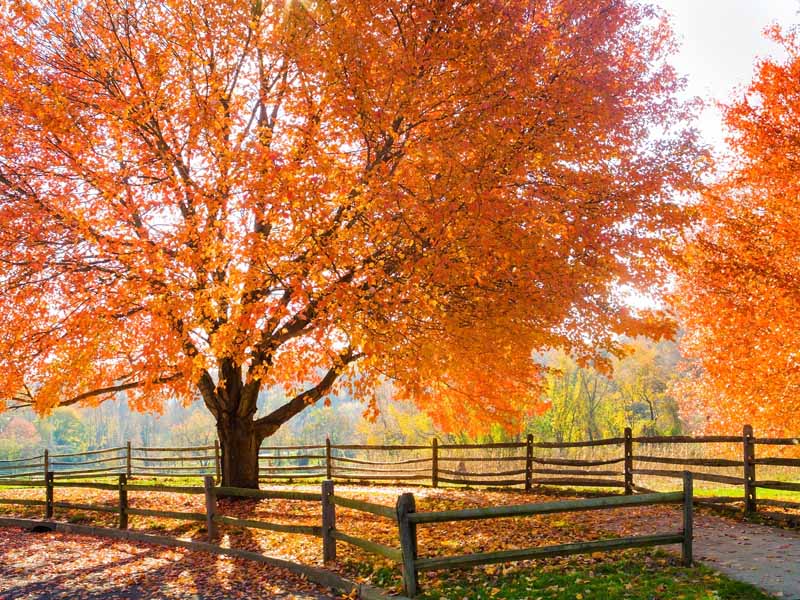
WHEN DOES AUTUMN BEGIN? Who loves Autumn?
Some say Autumn starts September 1 (meteorologically). But I prefer the equinox date which falls on 22 or 23 of September. (Hey, it’s my birthday!)
A study done by the Journal of Aging, found that babies born in Autumn months actually live longer. Many live to 100! (However, it really is all about mobility, strength and balance that are necessary to lead to a longer life.)
AUTUMN IS TIME FOR A RESET, NOT JUST WITH THE CLOCK. We restart with new routines. Organization the night before is a sure way to de-stress the morning rush hour.
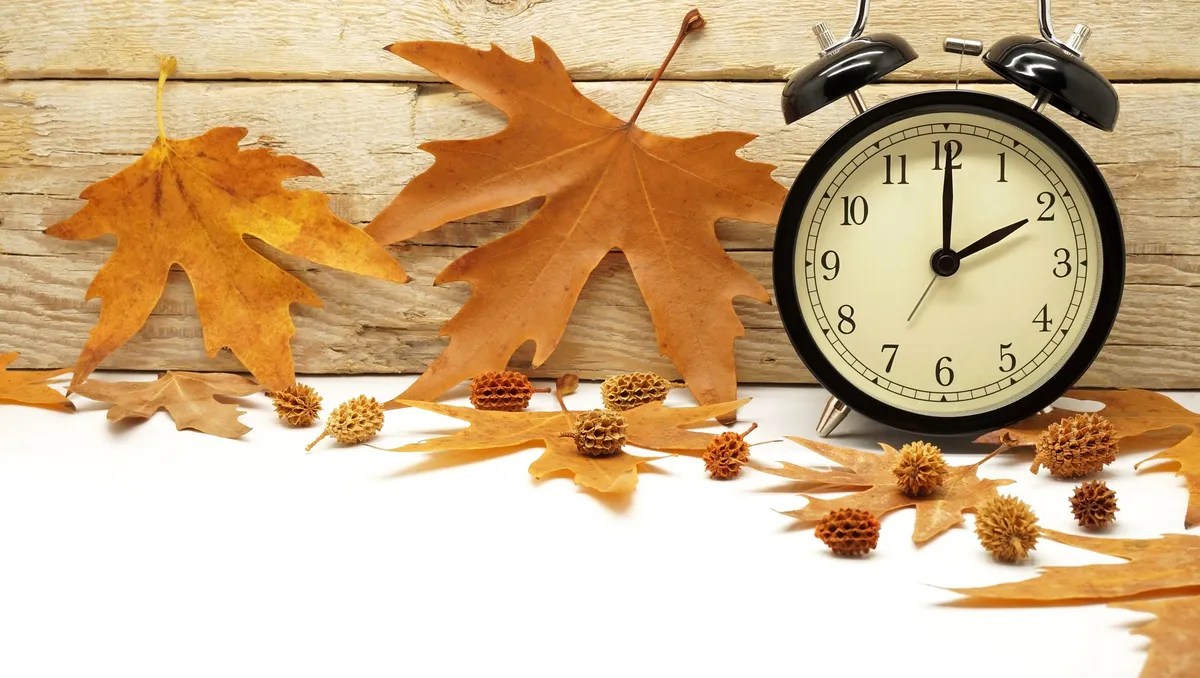
Autumn is the time we are back to routines. Vacations are over. School is in session. Families are creating schedules. The greatest “structure,” that comes back in Autumn, be that families are eating together again.
Routines give structure to the home and the family. It helps with managing stress to have a set routine at home. Learn to even choose the night before, the clothes for tomorrow. Lay out shoes and purses, briefcases, or book bags. Make certain any due materials are inside the proper bag and ready to go. Lay out coats if needed. Find the mittens if needed. Preparation the night before makes the mornings run a lot easier and allows time for Breakfast!
Many of us have problems with the time change. Shorter days and strange light-time can leave some people feeling confused and depressed, and can also create feelings of loneliness. Find ways to de-stress for yourself. Take up a hobby, join a social group or join a gym. Don’t let the light hours influence your day. Incorporate routines into your life. Set a bedtime routine. Set a morning routine. Routines do help and can give your mind peace.
STRESS AND S.A.D. Seasonal Affective Disorder (SAD) is a type of depression that’s related to changes in seasons. SAD begins and ends at about the same times every year. Stress can also contribute to feelings of sadness and depression. It is important to recognize the impact of both on mental health. It’s crucial to implement coping strategies and seek support from friends, family, or mental health professionals to manage these conditions. Additionally, engaging in regular physical activity is beneficial. Exposure to natural light can also help. Maintaining a healthy lifestyle can play a significant role in alleviating symptoms of both stress and SAD.
Adding more light and a bit of celebration of the Autumn holidays can help to relax Seasonal Affective Disorder (SAD). SAD is a type of depression triggered by the change of seasons. The increased darkness can be upsetting and depressing. Some people become very upset with the time change AND the added darkness. As the light dims outside, light up more inside. String indoor mini lights for decoration and ambiance. Decorate for the Autumn holidays such that coming home everyone will feel warm and invited. Autumn decorations do make a mental difference as they add cheer to a darker home.
Children today suffer from more stress than ever. Studies show that social networking and sometimes even on-line game-playing adds to their stress. Encourage hobbies and activities that give them a personal challenge. These activities should allow display of their work. Examples include painting, clay modeling, car models, sewing. All these activities do help a child’s mental health.
START WITH MEALS: Breakfast is a very important meal of the day. Learn how to make it easy and quick.

Make breakfast the meal of champions: Start with whole grain cereals. Try to stay away from boxed cereals as they are full of sugars. It is easier today to prepare oatmeal in the evening. Add some fruit and yogurt. Refrigerate it overnight. Have it all ready so in the morning family can enjoy breakfast.
Add apples to breakfast. My family like to add fruit cups to oatmeal. It gives natural sugar and the fruit is tasty. (only fruit with natural juices.) Whole grains are important for energy. There are many different types of oatmeal today. Try to stay away from instant as it has lost some nutrition with processing and added sugars. Milk is a good protein source in the morning. Add to milk a protein powder. There are many flavors to choose from. Have a colorful breakfast.
Prepare for morning meals on the weekend by making your family’s favorite egg/English Muffin. Make eggs on the weekend. Create an oblong pan of eggs to make breakfast sandwiches. Cut the eggs into squares. You can add your own cheese, meats, or bacon. This way, you can grab and go. English muffins hold up well in the freezer. Grab a sandwich. Nuke it. And an apple and you are ready for the day. Easy and cost-effective. Much tastier too! Add preserves to cheese on the muffin. Engage kiddos to create fun sandwiches. Don’t forget to label!
Make mealtimes important. Plan ahead for nutritious family meals that don’t take a lot of prep. Learn to shop only once a week. Incorporate Autumn’s harvest into your meals. This is a great time for stews and soups that simmer while you play or work. Take the time to set a pretty table. Use napkins. Make meal time special. Add some silk flowers? Or a pumpkin?
The American Heart Association actually offers mealtime conversation cards to get the “talk” going. (We have a tradition. We go around the table, with each person saying one thing, good or bad, about their day. Even if it is only lunch that was the highlight!) But don’t let lunch menus become a normal answer. Kiddos have to think and learn to remember. After a while, it is surprising to hear about their days. Ask also how they were treated during the day. Be aware of any signs of bullying.
FOODS TO INCORPORATE TO STAVE OFF AUTUMN ILLNESS: Warm soups and stews! Use Autumn vegetables for nutrition and flavor! Make a big batch to freeze for another meal.

The seasons change and as temperatures drop, our bodies naturally crave foods that give warmth. These types of foods offer comfort and help our immunity. Spice things up. Try something new.
What is a good choice to add in the Autumn time of year?
All kinds of berries: antioxidants.
Vitamin E: nuts, almonds, walnuts, brazil nuts are rich in vitamin E, zinc, and selenium that support our immunity.
Dark leafy vegetables (spinach, kale, swiss chard) are filled with Vitamin A, C and other antioxidants. These can be easily added to soups or stews.
Spices: Turmeric, ginger, cinnamon provide anti-inflammatory properties. These can be added to teas, curries, or baked goods. Turmeric is a good anti-inflammatory spice.
ProBiotic foods: make yogurt a daily food, but make it unsweetened. (Great for snacks. Can add fruits, or a drizzle of honey for sweetener.) Fermented foods such as saurkraut, kimchi and miso can be added to salads or sandwiches.
Don’t forget Autumn fruits; they can make a sweet dessert. Cut up ahead of time and serve on a platter. Offer two kinds or add a slice or two of cheese, or a couple nuts. Watch it disappear!
VITAMINS FOR AUTUMN: Autumn fruits are delicious! Be certain to check them out and add them to your meals!
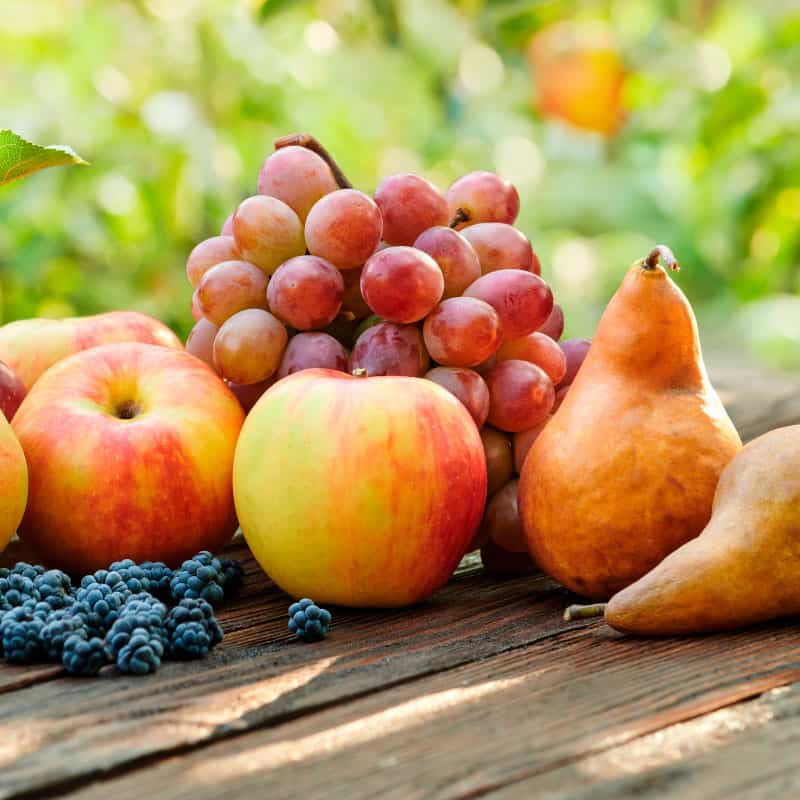
Eating lots of fruits and vegetables can prevent some chronic health problems. They help your body stay strong and fight off infections. Be certain to add Vitamin C-rich foods, like oranges, broccoli and kale. Limit sugary drinks. Water does taste good with sliced fruit in it!
Vitamin D3 is another winter vitamin that you want to add. It is commonly called the “sunshine vitamin,” which is in short supply as the days get shorter. Vitamin D3 is great also for your immunity. Kids vitamins today are very tasty and easy for them to take.
Echinacea and elderberry are known as great age-old remedies to combat the common cold. Be certain to talk with your physician before adding herbal supplements. This will make certain there is no contra-indication if you are on prescription medications. Both herbs are great in teas, especially warm or hot.
UNPLUG AND GET YOUR LEGS MOVING!
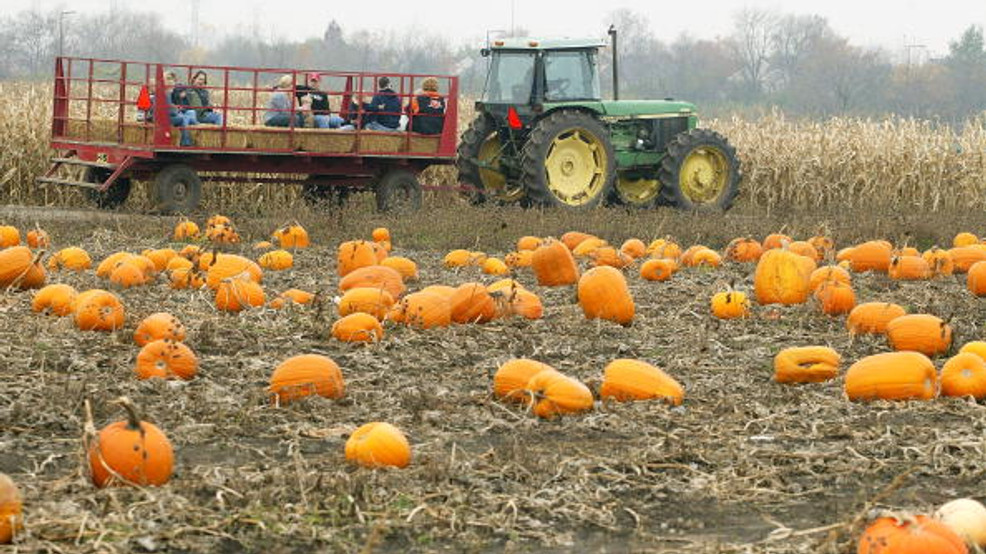
This is a great time for hayrides, and pumpkin and apple farms. Take advantage of cool clean air in the Autumn. It will also reduce the stress of the changes happening with routines and schedules. And it is fun to explore together.
Of course, for the above to work: we all need to unplug. Set a time frame for social networks or emails. No phones at the dinner table. Leave them on the counter, on silent. Suggestion is to definitely unplug at least one hour before bedtime.
This is a great time for walks, jogging, cycling, hiking, apple picking, pumpkin choosing and gardening.
Do dress appropriately for the weather. Perhaps keep a light jacket in the car for impromptu excursions. It will be useful if the weather turns cooler than when you started out.
Remember your sun screen when outside. UVA/UVB rays are there even in cooler days and cloudy days. You can still get sunburn.
Use moisturizers for your skin and lip balm to prevent dry lips. Add a humidifier inside once the heat is constantly on. Condition your hair and don’t style it too tight. Use a cap. Don’t forget hydration. You need proper hydration at any time of the year, not just in the heat of summer.
BEDTIME ROUTINES:
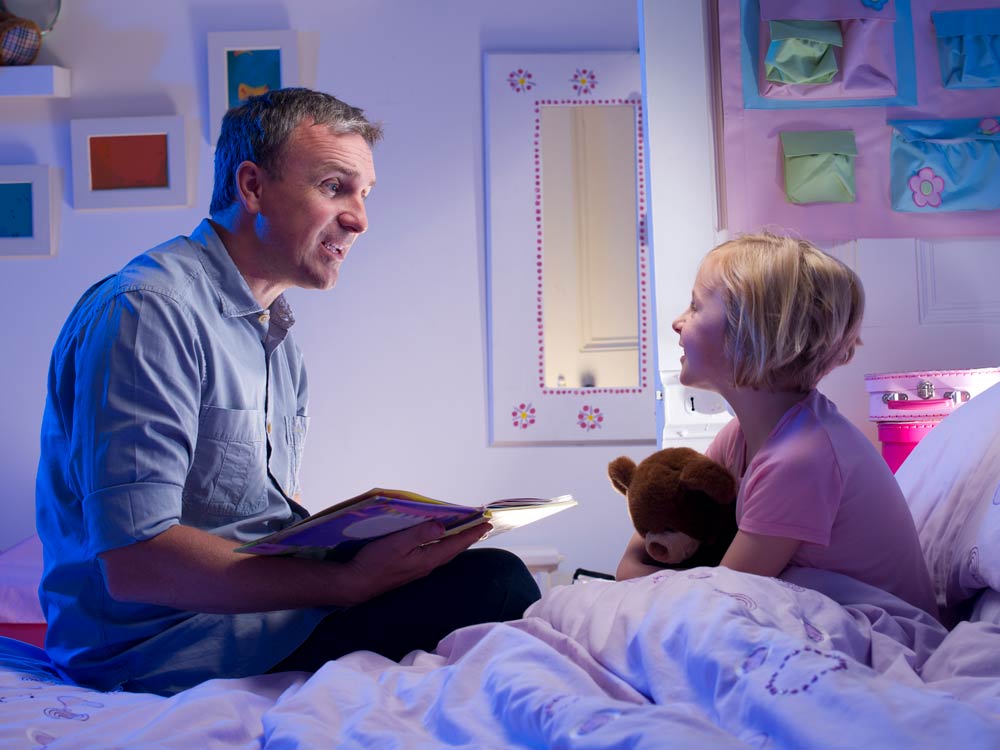
Create a family bedtime routine: our bodies loves routines and it will help you calm enough to sleep. Being outside before/right after dinner, will also help your body rest. Perhaps try reading before sleeping, be careful of blue light as it can interrupt sleep signals. Listen to calming music works for many. Children love to be read to before turning over to sleep. Great snuggle time and Hug time.
We all need at least 7-9 hours of rest each night. Children need more. Schedule your sleep time as important as that meeting for tomorrow.
DON’T FORGET YOUR PERSONAL HEALTH:

Take the time to create doctor appointments. Health checkups are important as we go into the cold, dry, indoor months. Schedule wellness check-ups (make certain boosters are up to date), and don’t forget the dentist. Eyes should also be checked. If you haven’t had flu or CoVid boosters, schedule them too. A once-a-year check up gives you and your doctor a baseline for your health.
BASIC HYGIENE DOES HELP OUR IMMUNITY:
Talk about hygiene to our kiddos: Washing hands regularly. Remind our kiddos not to touch their face often. They should cover their mouth when they sneeze, using their inside arm. Include face washing and teeth brushing at the beginning and end of the day, part of their routines. These routines will go on into their adulthood.
Show kiddos how to properly wash their hands. Rub with soap for at least 20 seconds, or recite “Mary had a little lamb” in their heads. Encourage good hand washing especially at school or when coming indoors from anywhere outside. Not a bad idea for kiddos busy hands, to wash their hands before eating. This is the time of year for colds and flu. Hand washing does make a difference in keeping some of those germs away.
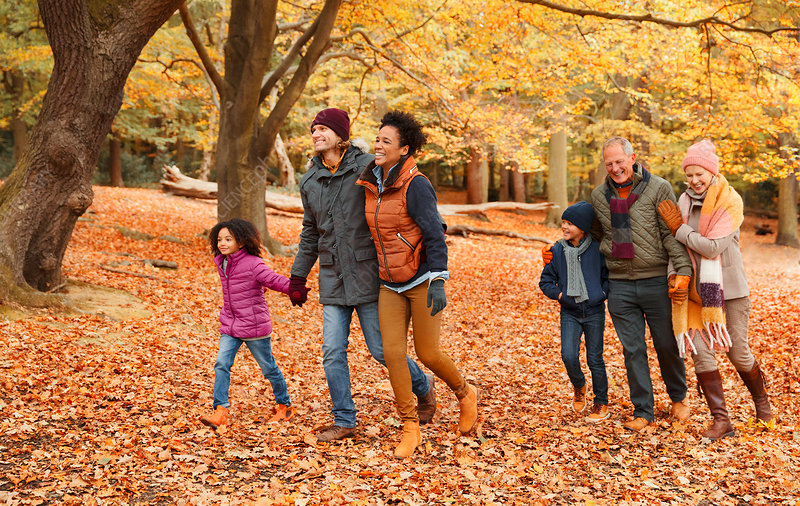
Autumn is a gathering time. We gather our crops and harvest them. We gather more together in closed places. Keep up on good health tips to keep your immunity strong. Embrace Autumn and get outside to enjoy Mother Nature’s greatest art work of colors! Challenge: who can find the Biggest Leaf!
REFERENCES:
https://newsroom.heart.org/news/5-lifestyle-tips-for-a-healthy-fall
https://www.stjohns.health/blog/2022/august/wellness-tips-for-fall/
https://health.clevelandclinic.org/health-tips-for-fall
https://www.nih.org/nihd-news/2022/august/fall-health-tips-for-the-entire-family/
Activeminds.org/blog/15-autumn-wellness-tips-to-keep-you-healthy-this-fall
https://www.fs.usda.gov/visit/fall-colors/science-of-fall-colors
Check out my Wellness Library at: https://wellnessmaryjessen.com
 Mary Jessen: Wellness Makes Cents