Enjoying the good things in life!

WHEN THE FROST IS ON THE PUNKIN:

  • ….The husky, rusty russel of the tossels of the corn,
  • and the raspin’ of the tangled leaves, as golden as the morn;
  • The stubble in the furries–kindo’ lonesome-like, but still
  • A preachin’ sermuns to us of the barns they growed to fill;
  • The strawstack in the medder, and the reaper in the shed;
  • the hosses in theyr stalls below–the clover over-head!–
  • O, it sets my hart a-clickin’ like the tickin’ of a clock,
  • When the frost is on the punkin, and the fodder’s in the shock!

Fall! Autumn! James Whitcomb Riley expresses it so poetically. We can almost feel it as we read an excerpt from his famous poem.

Fall is a transition time. The days get shorter every day, more noticeably by each week. It can be a busy time as we ready our homes and our families for the cold dark months ahead.

I do like Autumn (nicer sounding than “fall”…as in leaves…) There is color everywhere and the trees are so vibrant. We know that the leaf’s chlorophyll is what makes them green. As the day-light gets shorter, there is less and less time for photosynthesis to work. The green fades and the leaf’s actual color comes thru! The sap of the tree runs back to the root. The leaves drop. The tree above ground goes into winter’s rest.

Interesting to note: the colors of the trees are actually their nutrition showing thru. Carotenoids produce yellows, orange, and browns. Anthocyanins produce reds and purples. (You thought it was just humans that had them!) And of course, Chlorophyll which gives the leaf green color, but only with photosynthesis.

As the weather shifts, our bodies start to acclimate to the changing temperatures and humidity. This time of year disrupts our sleeping patterns. We rise in the dark. For a month, we come home in the dark. (How do they do it in Alaska?) Some of us really struggle with the time change.

WHEN DOES AUTUMN BEGIN? Who loves Autumn?

Some say Autumn starts September 1 (meteorologically). But I prefer the equinox date which falls on 22 or 23 of September. (Hey, it’s my birthday!)

A study done by the Journal of Aging, found that babies born in Autumn months actually live longer. Many live to 100! (However, it really is all about mobility, strength and balance that are necessary to lead to a longer life.)

AUTUMN IS TIME FOR A RESET, NOT JUST WITH THE CLOCK. We restart with new routines. Organization the night before is a sure way to de-stress the morning rush hour.
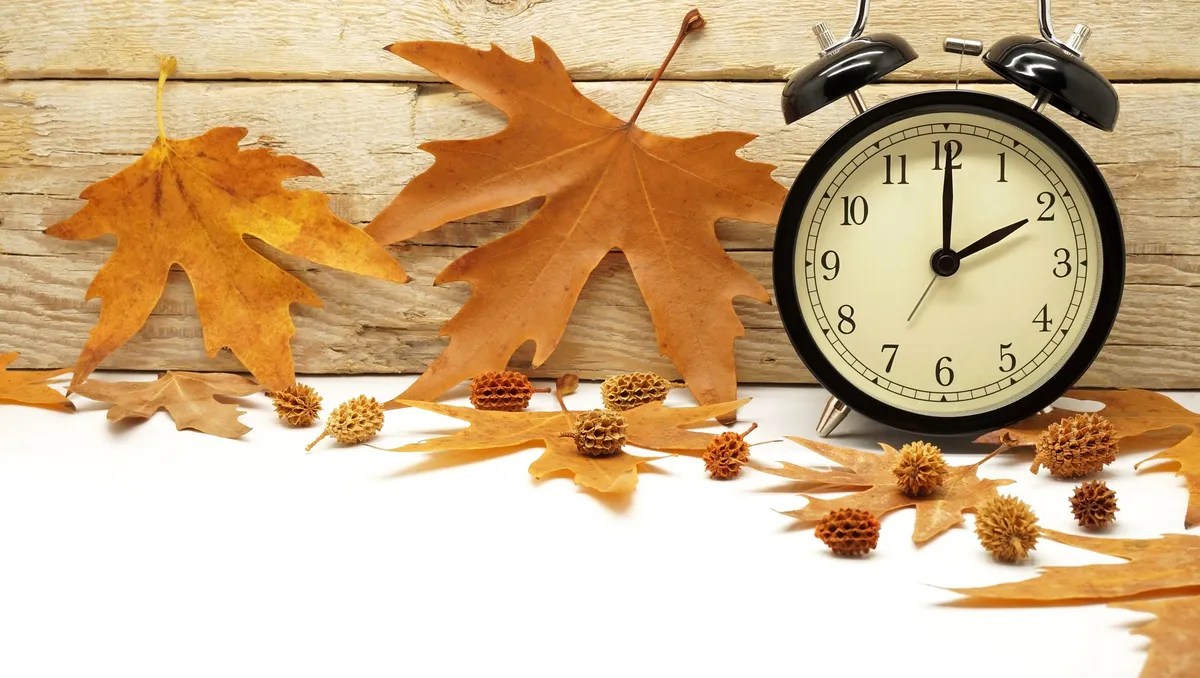
Autumn is the time we are back to routines. Vacations are over. School is in session. Families are creating schedules. The greatest “structure,” that comes back in Autumn, be that families are eating together again.

Routines give structure to the home and the family. It helps with managing stress to have a set routine at home. Learn to even choose the night before, the clothes for tomorrow. Lay out shoes and purses, briefcases, or book bags. Make certain any due materials are inside the proper bag and ready to go. Lay out coats if needed. Find the mittens if needed. Preparation the night before makes the mornings run a lot easier and allows time for Breakfast!

Many of us have problems with the time change. Shorter days and strange light-time can leave some people feeling confused and depressed, and can also create feelings of loneliness. Find ways to de-stress for yourself. Take up a hobby, join a social group or join a gym. Don’t let the light hours influence your day. Incorporate routines into your life. Set a bedtime routine. Set a morning routine. Routines do help and can give your mind peace.

STRESS AND S.A.D. Seasonal Affective Disorder (SAD) is a type of depression that’s related to changes in seasons. SAD begins and ends at about the same times every year. Stress can also contribute to feelings of sadness and depression. It is important to recognize the impact of both on mental health. It’s crucial to implement coping strategies and seek support from friends, family, or mental health professionals to manage these conditions. Additionally, engaging in regular physical activity is beneficial. Exposure to natural light can also help. Maintaining a healthy lifestyle can play a significant role in alleviating symptoms of both stress and SAD.

Adding more light and a bit of celebration of the Autumn holidays can help to relax Seasonal Affective Disorder (SAD). SAD is a type of depression triggered by the change of seasons. The increased darkness can be upsetting and depressing. Some people become very upset with the time change AND the added darkness. As the light dims outside, light up more inside. String indoor mini lights for decoration and ambiance. Decorate for the Autumn holidays such that coming home everyone will feel warm and invited. Autumn decorations do make a mental difference as they add cheer to a darker home.

Children today suffer from more stress than ever. Studies show that social networking and sometimes even on-line game-playing adds to their stress. Encourage hobbies and activities that give them a personal challenge. These activities should allow display of their work. Examples include painting, clay modeling, car models, sewing. All these activities do help a child’s mental health.

START WITH MEALS: Breakfast is a very important meal of the day. Learn how to make it easy and quick.

Make breakfast the meal of champions: Start with whole grain cereals. Try to stay away from boxed cereals as they are full of sugars. It is easier today to prepare oatmeal in the evening. Add some fruit and yogurt. Refrigerate it overnight. Have it all ready so in the morning family can enjoy breakfast.

Add apples to breakfast. My family like to add fruit cups to oatmeal. It gives natural sugar and the fruit is tasty. (only fruit with natural juices.) Whole grains are important for energy. There are many different types of oatmeal today. Try to stay away from instant as it has lost some nutrition with processing and added sugars. Milk is a good protein source in the morning. Add to milk a protein powder. There are many flavors to choose from. Have a colorful breakfast.

Prepare for morning meals on the weekend by making your family’s favorite egg/English Muffin. Make eggs on the weekend. Create an oblong pan of eggs to make breakfast sandwiches. Cut the eggs into squares. You can add your own cheese, meats, or bacon. This way, you can grab and go. English muffins hold up well in the freezer. Grab a sandwich. Nuke it. And an apple and you are ready for the day. Easy and cost-effective. Much tastier too! Add preserves to cheese on the muffin. Engage kiddos to create fun sandwiches. Don’t forget to label!

Make mealtimes important. Plan ahead for nutritious family meals that don’t take a lot of prep. Learn to shop only once a week. Incorporate Autumn’s harvest into your meals. This is a great time for stews and soups that simmer while you play or work. Take the time to set a pretty table. Use napkins. Make meal time special. Add some silk flowers? Or a pumpkin?

The American Heart Association actually offers mealtime conversation cards to get the “talk” going. (We have a tradition. We go around the table, with each person saying one thing, good or bad, about their day. Even if it is only lunch that was the highlight!) But don’t let lunch menus become a normal answer. Kiddos have to think and learn to remember. After a while, it is surprising to hear about their days. Ask also how they were treated during the day. Be aware of any signs of bullying.

FOODS TO INCORPORATE TO STAVE OFF AUTUMN ILLNESS: Warm soups and stews! Use Autumn vegetables for nutrition and flavor! Make a big batch to freeze for another meal.

The seasons change and as temperatures drop, our bodies naturally crave foods that give warmth. These types of foods offer comfort and help our immunity. Spice things up. Try something new.

What is a good choice to add in the Autumn time of year?

All kinds of berries: antioxidants.

Vitamin E: nuts, almonds, walnuts, brazil nuts are rich in vitamin E, zinc, and selenium that support our immunity.

Dark leafy vegetables (spinach, kale, swiss chard) are filled with Vitamin A, C and other antioxidants. These can be easily added to soups or stews.

Spices: Turmeric, ginger, cinnamon provide anti-inflammatory properties. These can be added to teas, curries, or baked goods. Turmeric is a good anti-inflammatory spice.

ProBiotic foods: make yogurt a daily food, but make it unsweetened. (Great for snacks. Can add fruits, or a drizzle of honey for sweetener.) Fermented foods such as saurkraut, kimchi and miso can be added to salads or sandwiches.

Don’t forget Autumn fruits; they can make a sweet dessert. Cut up ahead of time and serve on a platter. Offer two kinds or add a slice or two of cheese, or a couple nuts. Watch it disappear!

VITAMINS FOR AUTUMN: Autumn fruits are delicious! Be certain to check them out and add them to your meals!
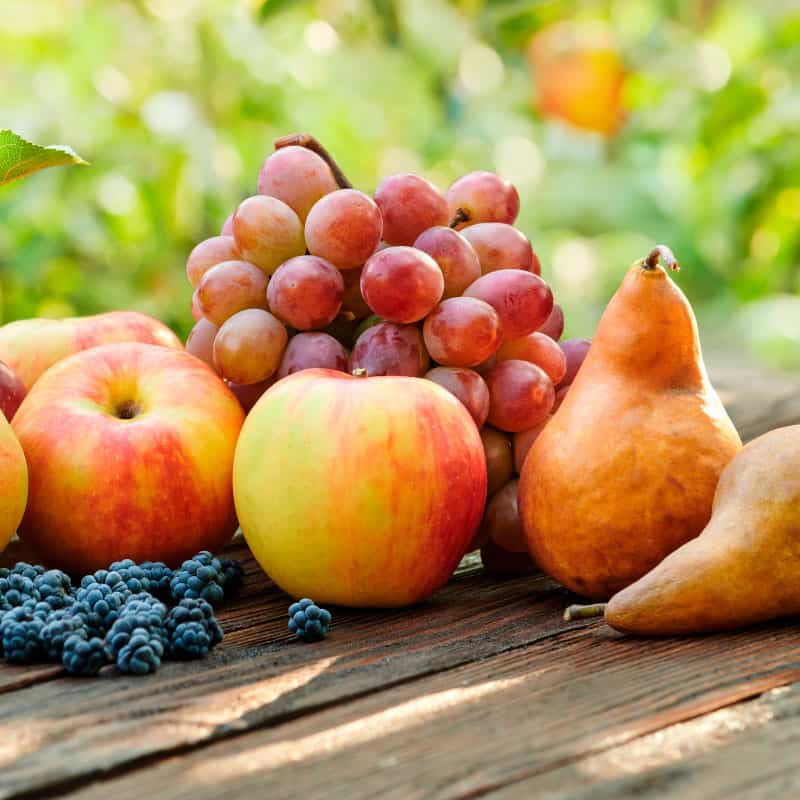
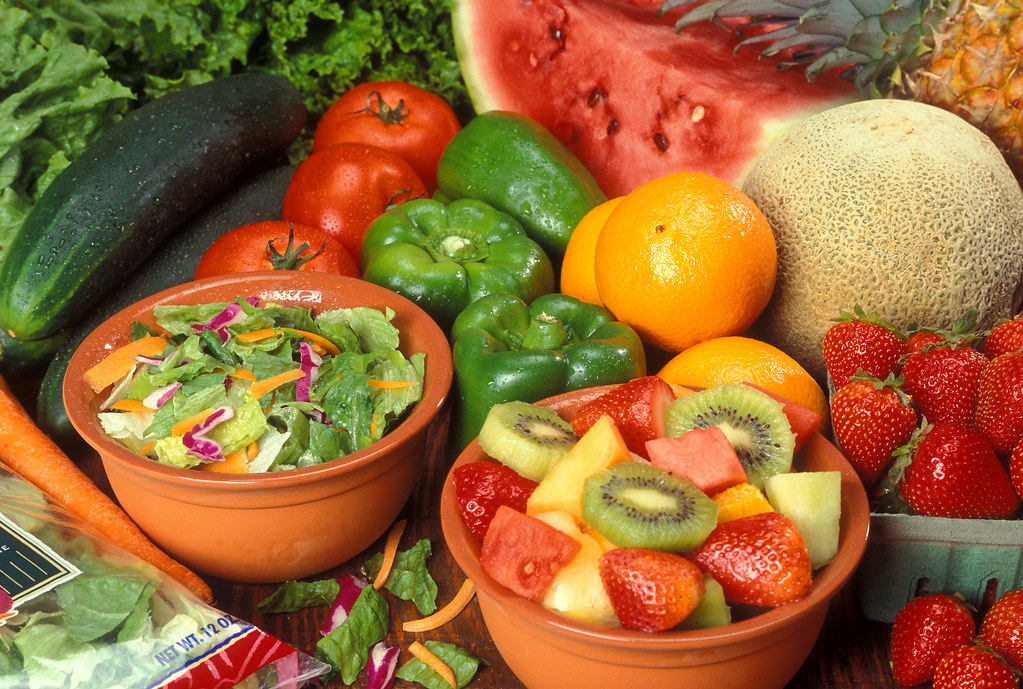
Eating lots of fruits and vegetables can prevent some chronic health problems. They help your body stay strong and fight off infections. Be certain to add Vitamin C-rich foods, like oranges, broccoli and kale. Limit sugary drinks. Water does taste good with sliced fruit in it!

Vitamin D3 is another winter vitamin that you want to add. It is commonly called the “sunshine vitamin,” which is in short supply as the days get shorter. Vitamin D3 is great also for your immunity. Kids vitamins today are very tasty and easy for them to take.

Echinacea and elderberry are known as great age-old remedies to combat the common cold. Be certain to talk with your physician before adding herbal supplements. This will make certain there is no contra-indication if you are on prescription medications. Both herbs are great in teas, especially warm or hot.

UNPLUG AND GET YOUR LEGS MOVING!

This is a great time for hayrides, and pumpkin and apple farms. Take advantage of cool clean air in the Autumn. It will also reduce the stress of the changes happening with routines and schedules. And it is fun to explore together.

Of course, for the above to work: we all need to unplug. Set a time frame for social networks or emails. No phones at the dinner table. Leave them on the counter, on silent. Suggestion is to definitely unplug at least one hour before bedtime.

This is a great time for walks, jogging, cycling, hiking, apple picking, pumpkin choosing and gardening.

Do dress appropriately for the weather. Perhaps keep a light jacket in the car for impromptu excursions. It will be useful if the weather turns cooler than when you started out.

Remember your sun screen when outside. UVA/UVB rays are there even in cooler days and cloudy days. You can still get sunburn.

Use moisturizers for your skin and lip balm to prevent dry lips. Add a humidifier inside once the heat is constantly on. Condition your hair and don’t style it too tight. Use a cap. Don’t forget hydration. You need proper hydration at any time of the year, not just in the heat of summer.

BEDTIME ROUTINES:

Create a family bedtime routine: our bodies loves routines and it will help you calm enough to sleep. Being outside before/right after dinner, will also help your body rest. Perhaps try reading before sleeping, be careful of blue light as it can interrupt sleep signals. Listen to calming music works for many. Children love to be read to before turning over to sleep. Great snuggle time and Hug time.

We all need at least 7-9 hours of rest each night. Children need more. Schedule your sleep time as important as that meeting for tomorrow.

DON’T FORGET YOUR PERSONAL HEALTH:

Take the time to create doctor appointments. Health checkups are important as we go into the cold, dry, indoor months. Schedule wellness check-ups (make certain boosters are up to date), and don’t forget the dentist. Eyes should also be checked. If you haven’t had flu or CoVid boosters, schedule them too. A once-a-year check up gives you and your doctor a baseline for your health.

BASIC HYGIENE DOES HELP OUR IMMUNITY:

Talk about hygiene to our kiddos: Washing hands regularly. Remind our kiddos not to touch their face often. They should cover their mouth when they sneeze, using their inside arm. Include face washing and teeth brushing at the beginning and end of the day, part of their routines. These routines will go on into their adulthood.

Show kiddos how to properly wash their hands. Rub with soap for at least 20 seconds, or recite “Mary had a little lamb” in their heads. Encourage good hand washing especially at school or when coming indoors from anywhere outside. Not a bad idea for kiddos busy hands, to wash their hands before eating. This is the time of year for colds and flu. Hand washing does make a difference in keeping some of those germs away.
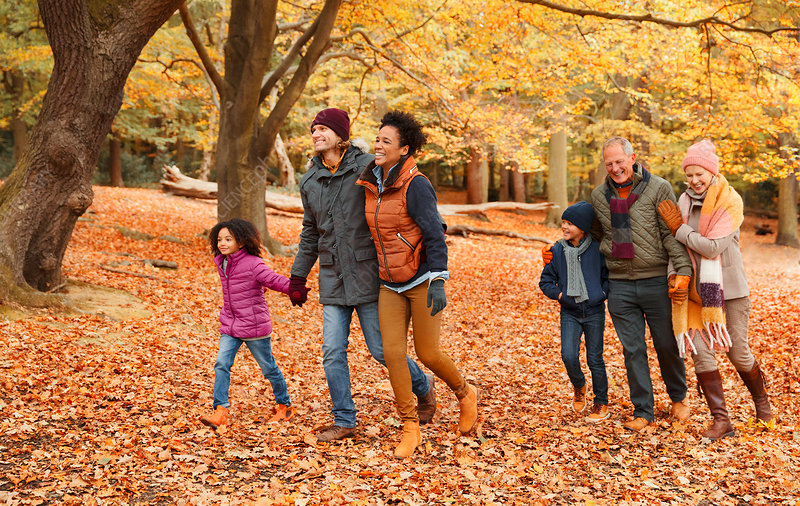
Multi-generation family walking in autumn park is always special. Invite your extended family and make it a fun explore.

Autumn is a gathering time. We gather our crops and harvest them. We gather more together in closed places. Keep up on good health tips to keep your immunity strong. Embrace Autumn and get outside to enjoy Mother Nature’s greatest art work of colors! Challenge: who can find the Biggest Leaf!

REFERENCES:

https://newsroom.heart.org/news/5-lifestyle-tips-for-a-healthy-fall

https://www.stjohns.health/blog/2022/august/wellness-tips-for-fall/

https://health.clevelandclinic.org/health-tips-for-fall

https://www.nih.org/nihd-news/2022/august/fall-health-tips-for-the-entire-family/

Activeminds.org/blog/15-autumn-wellness-tips-to-keep-you-healthy-this-fall

https://www.fs.usda.gov/visit/fall-colors/science-of-fall-colors

Check out my Wellness Library at: https://wellnessmaryjessen.com
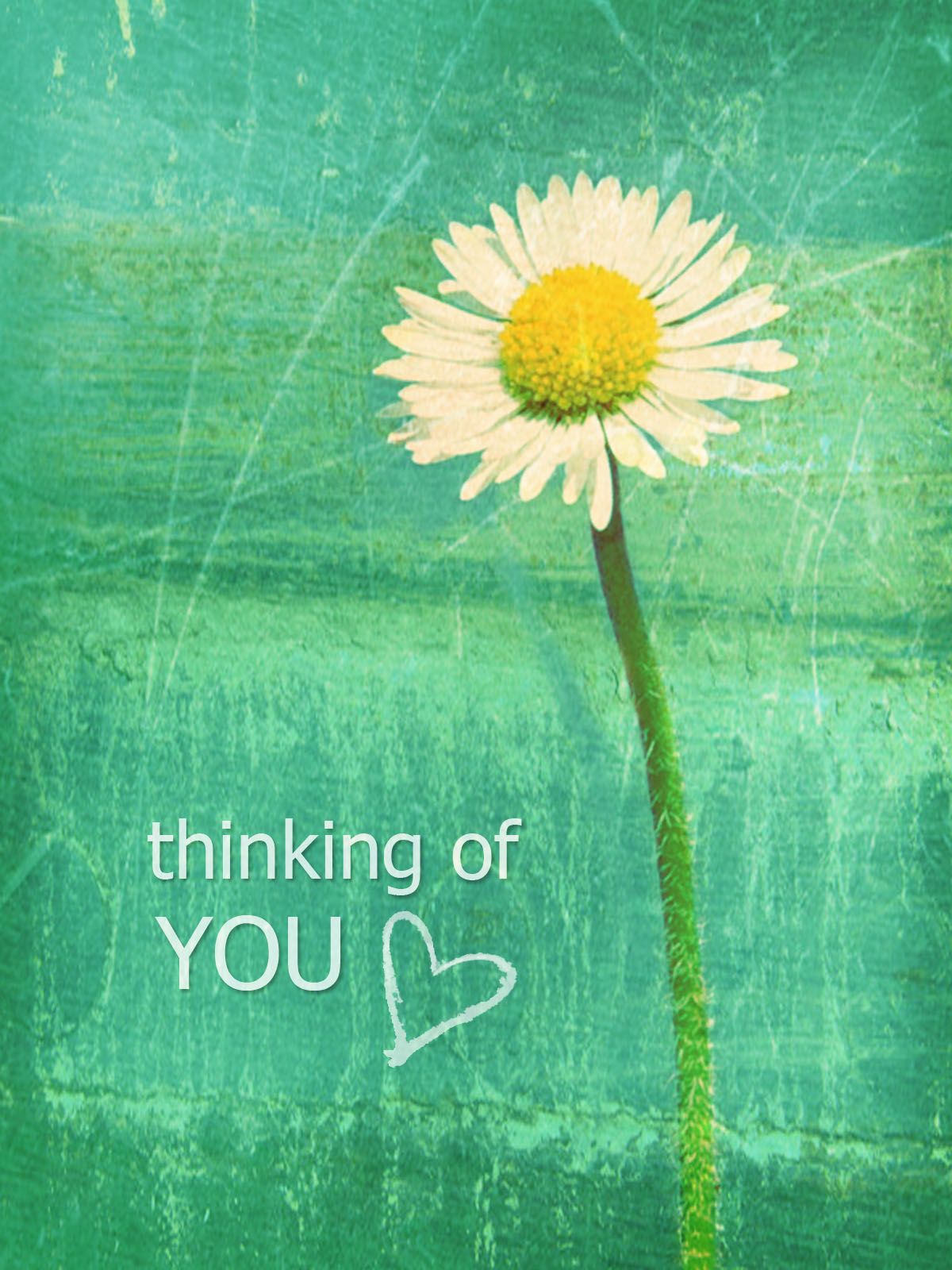
What a powerful thought to send. “I think of you often. I hope that in some way, just knowing that you’re on my mind, will brighten up your day.”

How did just reading that thought make you feel?

It is hard to imagine in our busy world that there are others thinking positive thoughts for us each day.

But it is a declaration of positive thinking to send a paper Hug. Positive thinking happens when we think of others in our minds, and not of ourselves. Positive thinking or being an optimist with life can have a huge impact on our own physical and mental health. This doesn’t mean you are ignoring the current problems or challenges of the day. It simply means you approach life with thoughts of things working out for the good.

There are physical health benefits of positive thinking. These include a longer life span and lower chances of a heart attack. It also results in better all-round physical health. There is greater resistance to illness like the common cold. Other benefits include lower blood pressure, better pain management, and better stress management.

With positive thinking, we are more creative. We become clearer thinkers. We are better to have around; we find joy in life. We have better coping skills. We experience less depression. We also develop greater problem-solving skills.

Positive thinking can lead us to think of others and a want to encourage others to feel good too.

Sending a card is a small gesture of positive thinking. Texting a note is another simple way to show you care. Better yet, making a phone call can make a big difference in someone else’s life.

What to say? First: Make it simple. Don’t worry about perfect sentence structure. Use simple everyday words. Add meaning to your words. “Sending thoughts and hugs!” “You’ve got this!” You can add why you are writing. Start with “dear” or just “Hi!” Or just a note: “just wanted to say, I’m missing you today. Hugs!” Make it simple. Short sentences.

We worry about our physical health. We exercise. We eat good nutritious foods. But we also need to consider our mental health. Sometimes when one is down, a note to cheer another may be the solution for both receiver and sender.

In 2014, “Thinking of You Week,” was actually established by the Greeting Card Association of England. (really!) It protects and encourages the British greeting card industry.

In 2018, it came across the pond and was caught on by our greeting card industry. This whole concept has grown in popularity since then. We all like happy mail!

The week chosen for “Thinking of You” is September 16 thru the 22, 2024. Now I’m not advertising for the card industry. I have no stock in Hallmark! I just believe in sending out good mail. Sending out a paper Hug.

We all get so much junk mail. Many times it doesn’t even get into the house if you are walking by the garage waste basket.

Wouldn’t it be fun to get a note that says: “I’m thinking of you?”

I know when I send them, I wait in anticipation for their arrival at my friends. The whole act makes my day better. I’m sending that paper hug to someone who just might be glad it came that day!

Question? Did you save your last ‘feeling good’ card? Many times I add it to my bulletin board in my office, or just stand it on a shelf. It’s a nice reminder that someone cares.

Taking care of your own mental health can be fun. Learn to be a positive thinker. Turn off the news! Create a card on line. Go to the Dollar Store and pick one out. And take the time to send it. Someone will be Very Glad you did.

Take time this week to send a note of care to someone you miss or love. You will feel that Love come back.

https://wellness.maryjessen.com

I’m a hugger. I have always been. Some days I crave a hug. (Is it stress that is motivating me?)

Do you like hugs or do you shy away from them?

I always ask before I hug someone new. My friends know that I’m a hugger. I think sometimes they wait for it. I many times end my notes with a hug, even if it is online. And I mean to send the thought of caring to the recipient.

Have you ever had a very bad day and just want a hug? You know how that feels. Kind of warms your heart and gives you courage to go on.

I do ask when I hug a stranger, but I’ve never been refused! I ask before I hug someone I barely know, but I’ve never been refused. Always, always ask.

Why does it matter that I have to ASK before I hug?

A hug can be an invasion of private space. We are in a society that values space.

Look at a movie theatre. Look at the distances between seating when the theatre is not full. We choose to sit apart. We value space. Now I’m not talking sitting next to chatty people, I’m just making a point. The farther apart we can sit, the happier we are. We like our space.

Do you choose to eat outside when you go to a restaurant? Now I know that the heat of summer or the cold of winter plays into this decision. But have you notice greater commadrie among those outside? Inside the tables are scattered. When we choose to sit inside, it is off to the side by ourselves. I have asked the waitress to move her choice.

Do you clap or sing “Happy Birthday?” This is a group hug for the recipient. Are you part of it?

I know of a friend of my daughter’s who is not a hugger. He really struggles with touch. I asked, he agreed to a hug. Now I think he kind of looks for that hug when we meet. He discovered some advantages of the hug.

What’s the big deal about a Hug?
There is just something about that embrace that says “I care.” I hope when you read it on your note, message, or email, you feel that. I’m sending” “I care!”

Why would I want a hug?


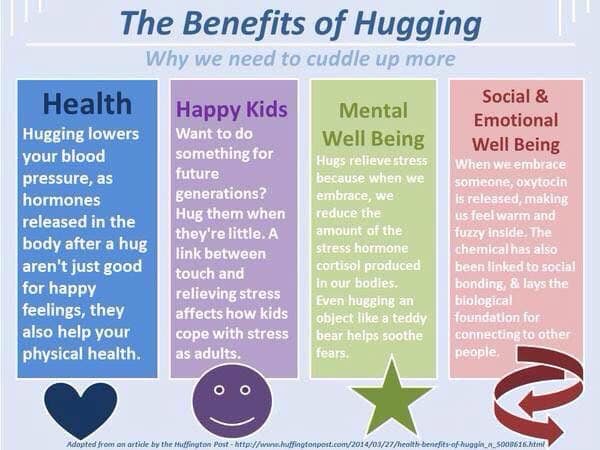
Hugs can have health benefits. We are not always aware of the benefits of it. A Hug can reduce fear, stress, and even pain. It can support your immune system and cardiovascular system with that embrace.

A hug activates the part of your brain, your parasympathetic system (vagus). This system restores energy and repairs our body. It also elevates feelings of love, compassion, and gratitude.

A hug can release the “love hormone,” Oxytocin. When you are embraced you can feel trust and attachment, even just for the moment. Ocytocin helps ease this bonding by activating the pleasure parts of your brain. This hormone is also related to happiness. This hormone is what generates “that feeling.”

There is something special about oxytocin and mothers. Women feel this effect when they cuddle their babies closely. It can literally make a mother’s heart “sing and feel warm!”

WHAT HAPPENS WHEN YOU DON’T GET HUGS?

Not receiving physical affection can be related to loneliness, depression, and stress. It can also cause physical pain and poor sleep quality. Additionally, it could result in personality disorders and attachment issues. No physical affection can also lead to trouble in “feeling” emotions in general.

That’s how important a Hug is.

What does a hug really do for my body?

Bedtime Hugs: definitely will help your brain calm down and sleep better. Feeling secure in a relationship does help you sleep calmly.

A bedtime hug for a child can be quite powerful. It sends them to sleep with the feelings of “I’m loved” and “I’m cared for.” Powerful.

Hugging a newborn child can increase the baby’s weight and improve all-over development. For a child to develop with good self-esteem, they need hugs frequently. Children need hugs more so than an adult, who already has a sense of self-esteem.

A hug from a loved one decreases cortisol, the stress hormone. Touch will disable the part of the brain that reacts to stress, and leads to a more relaxed rest.

Well-being Hugs: touch biologically reinforces the part of the brain that gives you calmness.

Serotonin is also released with a hug. This hormone elevates mood, controls anxiety, and reduces feelings of aloneness.

Hugs improve Immunity: It is understood that hugs give us perceived social support. This can lead to being sick less. The feelings of belonging is one of the tenets for good health.

The gentle pressure on your sternum with a good hug stimulates the thymus gland. This gland regulates and balances your body’s production of white blood cells. These are the cells that keep you healthier.

Studies relate to improved immunity from the reduction of the feelings of stress/tension/conflict. Non-sexual hugging is a means of conveying empathy, caring, and reassurance. Powerful feelings.

It is interesting to read that more hugs can increase salivary oxytocin. They can also lower levels of alpha amylase (3) and lower blood pressure.

The 10 second hug is actually better than the 1 second or quick hug. The longer hug goes farther.

Time does make a difference in a hug: 10-second helps the body fight infections, eases depression, and lessens tiredness. A 20-second hug reduces the harmful effects of stress. It can lower cortisol. It also relieves elevating blood pressure, and can actually help your heart.

The release of the hormone, dopamine, is what gives us that “good feeling.”

Hugs help your heart and cardiovascular system. A good hug can actually lower your blood pressure. This effect lasts even after the participant has left the room.

Interpersonal touch is linked to increased attachment security. A hug, or at the least, a pat on the shoulder, is linked to support. Touch gives higher relationship satisfaction, and eases conflict.

We know that a good hug will help with physical pain. Just the touch of knowing someone cares can make a difference. Cancer patients who received hugs of a healing-touch report less post-operative pain. A hug can also help with less use of narcotic painkillers. Amazing.

A hug can actually influence physical performance. A study with the NBA showed that teams with higher touch rates, actually performed better. That tap on the shoulder, head-bump, chest-bump (depending on sport) seems to transfer a lot of trust. This trust enhances their performance.

Childhood teams need to encourage “team-ship.” My thought is that no child should sit by themselves on the bench. A team needs to be together, even on the bench. They don’t have to touch at a young age. Just knowing someone is next to you is a big start. At a time-out, or half-time, team members need to finish with a hand-hold pat.

When someone feels a part of the bigger picture, losses are not so personal. It is not the individual that lost, it is the team. Touch eliminates that overwhelming emotion that many times leads to tears. This is also the time for the hug or the pat on the shoulder that says: I’m here. I’m proud of YOU.

Start early and your child will never feel alone.

Hugs can reduce Fighting: Couples who hug more, fight less. It is thought that a good hug blunts negative feelings. It also reduces the stress of the day.

Cortisol is a killer when left unchecked. Stress is part of our daily routines. Those who received hugs often believed they had better social support, and helped lower the stress hormone.

Snuggling with your pet works great to release your “cuddle” hormone, oxytocin. Not only does it build an attachment, but it also releases those “feel good feelings.”

A hug, according to a study, a hug can reduce the anxiety of mortality. It makes us feel safe. It makes us feel not so alone. This thought is fascinating. No one wants to die alone. Those hugs give us courage to face the unknown.

GIVE YOURSELF A HUG!

Don’t be afraid to hug yourself! Sounds silly. But putting your arms around yourself can reduce your pain. The thought is that that self-physical touch is not what your body expects. This confuses the brain as it tries to figure out where the sensation is coming from. Pain is blocked by crossing your arms.

“You play the most important role in your own wellness, and hugging yourself can help remind yourself of your power. Instead of waiting for someone to hug you and offer support, make yourself feel better and give yourself that hug. (2)

Research says: 4 a day for survival; 8 hugs a day for maintenance; and 12 hugs a day for growth. That sounds like a LOT! But when I think of a child and hugs, it makes sense to me.

Start with that morning self-hug. I think it is more powerful than the suggestion of making your bed each morning. It has been said that that making your bed gives your brain organization to start the day. You have accomplished a task. The day is not wasted. Imagine what that self-hug will do too!

That morning self-hug would go even farther. It gives you power. It gives you self-confidence. Try it! You’ll be surprised.

It is unfortunate that most people in the USA are touch-deprived. We don’t like to be touched, or we think we don’t like it. We live solitary and busy lives. This reduces social interactions, and …touch. How many people are living by themselves? Or perhaps living with people that they don’t really interact with due to schedules. This definitely breeds loneliness. Start with the Self-Hug.

ALWAYS ASK:

Our society pushes people from touch who are not directly related to them. This social norm is putting our society at a great disadvantage. We are becoming distant to our neighbors. Maybe more hugs would mean less anger. (I do strongly suggest: always, always, ASK if you can give a hug. Then it won’t be misunderstood.)

Did you stand in front of a check-out person, in a store, who obviously is having a very bad day? It can be hard to deal with the public sometimes. I ask if they want a hug? And the answer is always “yes.” I also tell them during that moment that I value their work. It is a moment of gratification for both of us. Priceless.

Notice the differences in touch among other countries:

Look at other countries. The live as communes, meaning that grandparents or siblings live together more often than solitary. Family is the support. Elders babysit. Cousins interplay with the babies. Family gatherings is a part of life. Touch is every day. They are happy with the support.

In the USA, we are content with sometimes only holiday gatherings. Why? It is much more gratifying to gather when the only talk may be who wants to play what? That’s when touch becomes deep.

The importance of human connection cannot be stressed enough. We need it.

When someone wraps their arms around you, you do feel the comfort and a feeling of not being all alone. It warms our soul.

It is no surprise that a good long hug can make us feel so good.

I’ll be sending you a hug each time we communicate! Who says a non-verbal hug doesn’t count?

Reference:

  1. https://www.verywellmind.com/the-power-of-a-hug-on-your-health-5211361

2. https://www.healthline.com/health/hugging-benefits

3. https://www.healthline.com/health/hugging-benefits

3.)The ability of alpha amylase to hydrolyze (break down) starch primarily benefits the digestive system. Additional health benefits of alpha amylase include support for the immune system. It aids in the management of inflammatory conditions. It also provides support for aging. (https://www.xtend-life.com/blogs/supplement-ingredients/amylase#)

4. NIH: Does Hugging provide stress-buffering social support? https://www.ncbi.nlm.nih.gov/pmc/articles/PMC4323947/

5. https://www.medicinenet.com/how_do_hugs_make_you_feel/article.htm

There is no such thing as a “central immune system.” It is all about cells, proteins, tissues, and organs all around your body. These components work together to defend you from outside invading bacteria, viruses, parasites, and more! It can detect intruders that are unwanted or hazardous to your health. It can then arouse your “army” to gather defenses and get ready to fight to eliminate the invader.

Two Special Parts to our immune system:

There are actually two parts of your immune system. Your inner immune system (innate, which is inherited) is our first-on-the-scene, a first-responder. This is a group of cells. They will multiply when an invader is found. They will surround it. They will cover it, and they will kill it! This system is inherited and is here from the moment you are borne.

There is another immune system “part,” called the adaptive immune system. This develops over time as you become exposed to different germs, bacteria and viruses. This particular system actually grows stronger as you challenge it more. This “system” has a great memory and a good range of defenses against all kinds of invaders.

Your immune system produces anti-bodies. These are copies of past invaders. They create a pattern of how your body responded to the “invaders.” This is where you can get quite sick with an illness. The next time, you may not get as sick with the same illness. Your defenses have great memories.

Our immune system goes hand-in-hand with your gut!

And there’s more to your defenses! Your immune system has co-helpers!

The majority of our immune system is directly connected to your gut. Over 70% of our immune system lives in our gut! Inflammation in your gut will have a bad effect on your immune system as a whole. In this case I’m talking long-term stressors. (I’ve talked about that in past blogs.)

Chronic Inflammation:

Chronic inflammation in your gut causes the gut walls to stop working as they should. This weakens and loosens the tight structure in your intestinal walls that keep nutrients in and toxins out. When your gut’s walls become inflamed, the intestinal walls become porous. This means the intestinal walls then have openings for invaders to get in and cause all sorts of problems.

Good Gut Health

Good gut health can come with proper foods: raw fruits and vegetables. Low saturated fats. And low sugars. Sugars are awful for your gut. Learn to drink water, perhaps flavored with fresh fruit or a squirt of lemon or lime. Hydration is almost as important as a good diet.

Immunity begins at home first:

Healthy foods are good for your gut. Start with raw fruits and veggies, whole grains, nuts, low-processed meats, low sugars, and high fiber foods. Your daily diet is important to your immune system.

Pro- and Pre-biotics:

What are Pro– and Pre- Biotics? An answer From Katherine Zeratsky, R.D., L.D.: Probiotics are foods or supplements that contain live microorganisms intended to maintain or improve the “good” bacteria (normal microflora) in the body. 

Prebiotics are foods (typically high-fiber foods) that act as food for human microflora.

Pre- and Pro- Biotic foods: We need both in our diet.

Some healthy foods contain pre- and pro-biotics. These are essential for a happy, functioning gut. Superfoods for the gut contain both pre- and probiotics. They are fermented foods like kimchi, sauerkraut, aged cheeses, yogurt, pickles, and kombucha.

Prebiotic-rich foods like garlic and onions. You can add apples as they contain pectin. This is a soluble fiber that can reduce inflammation. Apples can also enhance beneficial gut bacteria, block harmful bacteria, and decrease weight gain. Don’t forget bananas, asparagus, leeks, onions, barley, oats, legumes, nuts, pomegranates.

Oh I can imagine good foods from the above list: soups with barley or leeks. Cool weather breakfasts with oatmeal with apples. Great food choices. All good pre-biotics for a healthy immune system.

Finally, there are probiotic-rich foods like yogurt and sauerkraut. These foods contain beneficial bacteria that support the growth of healthy gut flora and promote digestion and nutrient absorption. (But be certain to read your labels as many yogurts are full of sugars, and that’s a negative.)

Serving suggestion: Soft cheese (gouda, cream cheese, marscapone) with sour-dough bread. Serve your sour-dough bread and cheese with perhaps a pickle. Have a fresh apple for dessert! All great pro-biotics. Don’t forget saurkraut as a side dish to pork? Again with apples for dessert. (Apples aid in the digestion of pork!) Or for dessert: a spoonful of yogurt with fresh fruit and a dollop of Redi-Whip on top?

What else can I do?

And we have talked about the importance of sleep, rest and restoration. When you sleep you are not “just renewing cells,” you are also developing a strong cellular defense system. Children who don’t have a priority of sleep do seem to “catch” whatever is going around. Sleep is so important not just for children, but adults too.

We live in a society that exposes us to many gut-harming factors:

Colds and flu:

These gut-harming factors can include chemicals such as glypsoate exposure. (This common pesticide-chemical is in Round-Up and has many harmful side-effects.) Many farm-used pesticides, antibiotics in our meats, environmental pollutants, and other airborne toxins are also included in the list of harm to our foods. Add to that the surface germs and bacteria we touch every day. Yikes! We are daily exposed to many different immune challenges on a daily basis.

Children have about 6-10 colds a year! Adults average 2-4 colds a year. An estimated 10-20% of Americans come down with the flu each season that goes from November to March. Children are 2-3 times as likely to get sick with the flu than adults. Children spread cold/flu viruses easily from one to another. It is always a good suggestion for everyone to get a flu shot. Flu shots give the “pattern of defense” to your immune system.

Small but large steps to help our immune system:

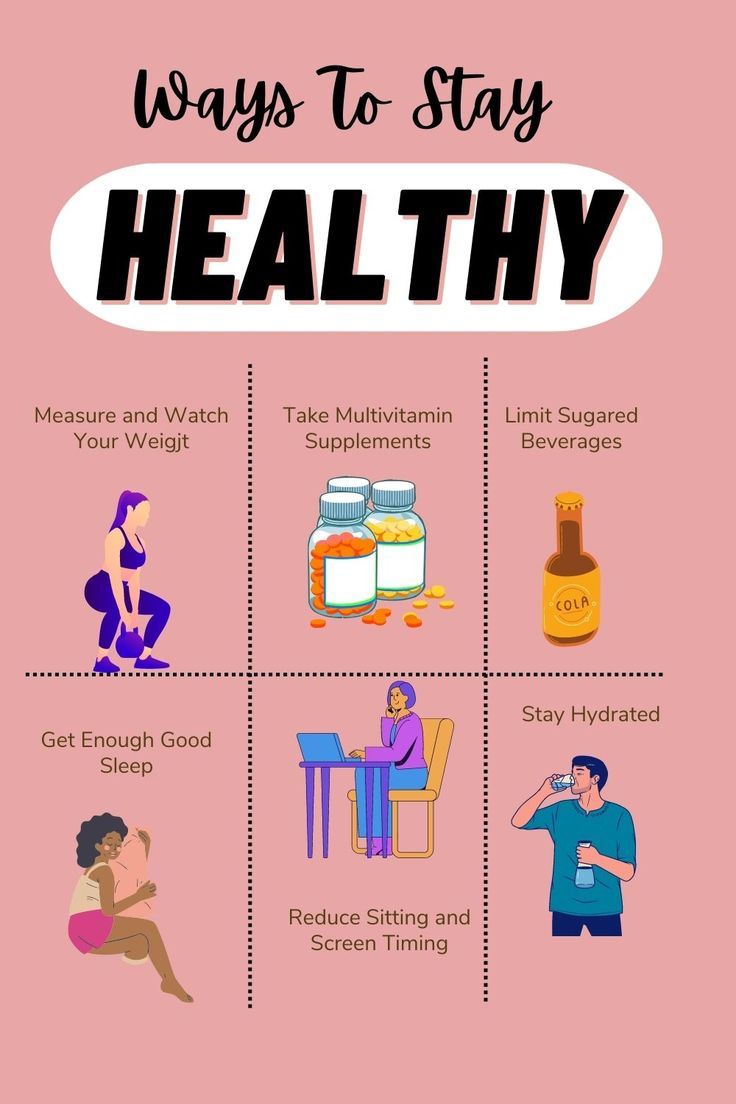
  1. Eat your anti-oxidants: that means consume a diet rich in fruits and vegetables. Learn to serve them at every meal. These foods contain the range of anti-oxidant nutrients needed for a healthy immune system.
  2. Take a multi-vitamin. Even with a diet rich in anti-oxidants, it can be difficult sometimes to consume the recommended daily amounts. A vitamin-mineral multi-vitamin supplement may be necessary to keep a healthy immune system. This supplement can help fortify your body with the missing nutrients of the day.
  3. Take immune boosting herbs to enhance your immune system.
    • Elderberry: may help you recover faster! (Great tea! Get it pure)
    • Cinnamon: Add to desserts, and even your coffee!
    • Garlic: best known for lowering your cholesterol and reducing the risk of heart disease, can also help prevent colds. (Add garlic to as many of your meals as you can, especially in the cold-inside months.)
    • Echinacea: Serve in a cup of tea. Add to herbal mint teas.
    • Oregano and Turmeric: Great herbs to add to foods.
  4. Watch your weight. Learn how to eat healthy. Watch carbs and sugars, and of course saturated Fats.
  5. Hydration cannot be emphasized enough. Proper fluids can help your system remove toxins. Good hydration can also help your body process nutrients easier.
  6. Sleep! Cannot be stressed enough. Especially take note of the number of hours your children sleep. Unplugging may not make you popular, but then neither will the family getting sick make life fun.
  7. Exercise: Get a Move On! Get off the couch. Get off the video games. It only takes 45 minutes a WEEK of moderate exercise to improve your health and your immune system.
  8. Reduce your stress. Our kiddos, too, have daily stress; perhaps more stress today than yesteryears, especially before iphones. Learn and teach your family a sleep routine for a good night’s rest.
  9. Meditation goes along with sleep. Meditation can be done before sleep. Take the time to empty your mind of today’s worries. (I find, for me, reading positive-themed books. You want to put soothing thoughts into your brain before sleep.) Stay away from falling asleep with TV on.
  10. Sociability and humor. It can be a lot of fun to join a group: play cards, book clubs, or community theater? Do something for your community. Helping your community can definitely affect your mental state in a very positive way. The above-mentioned activities don’t have a magic wand, but they do enhance your immune system. Stay social.

All-around healthy habits can encourage and enhance your immune system. This includes what you eat and how you rest. Staying sociable is also important. Who wants to be sick?

If you would like more immune-healthy suggestions: join my Facebook page: https://www.facebook.com/groups/wellnessmakescentswithmarycommunity/

References:

https://www.nccih.nih.gov/health/colds-flu-and-complementary-health-approaches

https://my.clevelandclinic.org/health/body/21196-immune-system

https://www.ncbi.nlm.nih.gov/books/NBK279396/?report=printable

https://wellness.maryjessen.com

Why are some people aging slower and seem younger than many? Why do some people age quicker than others?

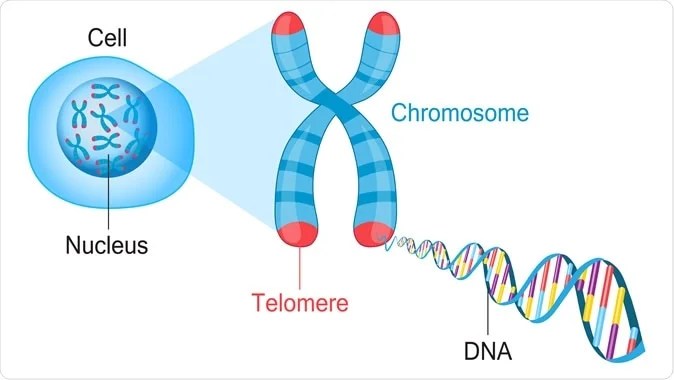
Let’s start by learning about Telomeres, which are found in the genetic heart of your cell: your chromosome. Telomeres live at the end of your DNA. With each cell division, your DNA chromosome gets smaller. These little caps, telomeres, determine how fast or slow you age.

Imagine a shoe lace. The end of a shoe lace has a cap. It is called aglet. It protect the lace from fraying. Your telomere does the same thing to the “lace” of your DNA’s chromosome.

Telomeres listen. And learn. They listen to your body’s instructions as to the way you live. They absorb these instructions. The way you live can speed up or slow down the process of cellular aging. You are born with your own set of genes. But the way you live will influence how your genes react.

Can we help our DNA strands?

The instructions you give your DNA can be good, or bad. The foods you eat influence your telomeres. Your responses to stress play a role. Whether or not you were exposed to childhood stress is a factor. The level of safety in your neighborhood affects your DNA’s telomeres, too. Exercise also has an impact.

Good cellular health tips:

One of the points to good cellular health is to consider is how you manage stress. The outside world can create havoc inside our bodies. This happens when we allow the tension to build and build without a proper release. We need to learn how to handle stress. Our life experiences, and the way we respond to them can actually change the length of the telomere. It can actually change the way we age.

When stress is high, the body produces more stress hormones: cortisol and epinephrine. Your heart beats faster. Your blood pressure increases. Even the Vegas nerve is affected. We all have day-to-day stressors. What is important is to learn how to manage long-term stress. This includes job stress or caring for an elderly sick family member or a sick child. Toxic stress is one that lasts for years.

Finding ways to mentally deal with stress is one of the key factors to better health. We know that. But did you know that it affects us at a cellular level. (I thought it was all about muscles?)

The thoughts in our head really do control our health. Letting your mind wander aimlessly does not help. Your mind needs focus. Read; Study; challenging games all nurture your mind. Multi-tasking is a way of stressful living. Learn to do one task fully at a time. Don’t rehash the past. It’s gone. Learn to focus on today and tomorrow with a positive outlook.

Our mental health is important. It helps our body work with stress. Having a positive outlook for the future and/or the challenges ahead make a big difference. Pessimism does short your telomeres and ends up shortening your life. Anxiety and depression also play a negative role in cellular health. If you struggle with mental health or are living a highly stressful life, please get help.

Physical activity may buffer stress related responses of telomere shortening. Take time for exercise. Take a walk. Join a gym. Exercise will lessen your telomeres stress and help your body deal with the problems through a reduction of cortisol.

Nutrition and your healthy DNA

Nutrition plays an important part. (You knew I’d mention those McDonald’s french fries somewhere! )

The consumption of inflammatory foods can increase the shortening of telomeres. Accelerated shortening of telomeres is associated with early-onset of many age associated diseases. Dr Google says: All processed foods can cause inflammation. They can alter the bacteria that live in our gut. This alteration can interact with our immune system and eventually trigger a response. This can lead to chronic inflammation. (We know that living with chronic inflammation is harmful to our overall health.) Also, avoid sugars and alcohol. Make that cookie a treat. Save that drink for special occasions. Monitor your sugars.

Learn to eat healthy. Not just for your skin, but for all that goes on inside of our bodies. Consume good sources of Omega-3 (salmon, tuna, leafy vegetables, flax oil and flaxseeds.) Consider a supplement as Omega-3 is important to so many areas of your body. Minimize red meats, especially processed meat. Avoid sugary drinks and foods. Avoid processed foods in general. Eating healthy can save you money. You might have to plan ahead, but it is so worth your time and efforts.

Alls well up to a point.

Our body produces a protein that protects the ends of the DNA strand. It produces it in sufficient quantities to rebuild our telomeres; up to a point. As we age, the telomerase in our cells becomes less, and our telomeres get shorter. We can help the production of telomerase through good nutrition, good mental health, and exercise.

Our DNA strands do not last indefinitely. There is a limit to the division and reproduction of our cells. What we want to do is to help our DNA follow it’s genetic path and not hasten the end. We want to enjoy a long life to it’s fullest!

We are learning more and more on how to live a longer, healthier life.

An illustration of a DNA strand and where to find a telomere.

You might want to follow me on my public Facebook page: https://www.facebook.com/wellnessmakescentswithmary

References:

“THE TELOMERE EFFECT” Elizabeth Blackburn PhD, and Elissa Epel PhD. (book)

Telomeres, lifestyle, cancer and aging: https://www.ncbi.nlm.nih.gov/pmc/articles/PMC3370421/

Physical Activity and Nutrition: Two promising strategies for Telomere Maintenance: https://www.ncbi.nlm.nih.gov/pmc/articles/PMC6316700/

Proteins induced by telomere dysfunction and DNA damage represent biomarkers of human aging and disease: https://pubmed.ncbi.nlm.nih.gov/18695223/

Medical News Today: https://www.medicalnewstoday.com/articles/are-telomeres-really-the-key-to-living-longer-youthful-lives

For more information on this webinar you can look into my Wellness Library: https://wellness.maryjessen.com/wellness-webinar

#health #aging #DNA

Oh dear! I’m beginning to notice lines on my face! I’m getting old!

What’s all the fuss about Hyaluronic Acid? Should I look into it? Does it really make a difference to the texture and aging of my skin? Will it help? How can I control aging of my skin, my face especially!

As we age our skin visibly changes in several ways. Our inner body is also aging is inside and we are unaware of it. Our skin is our first visible sign of aging. I like to think it is “Mother Nature’s Signal” to pay attention to needs that may be not satisfied daily.

We like to think nutrition as a weekly need. Reflection of all the fruits and veggies of the week is not enough to satisfy daily needs. Somehow we have lost the point that our body has DAILY needs. We think in terms of weekly points or calories. It should be in DAILY Recommended Values of Nutrition. (When we focus the fruits and veggies quotas, we will find ourselves more satisfied. Nutrient satisfaction with natural fibers, creates satisfaction long after meals.

Good nutritionally solid foods can relieve skin aging in five ways:

  1. Nutrition is closely related to skin health. Daily nutrition needs are required for all biological processes of the skin from youth to aging.
  2. Water is a vital need for healthy skin. Water in the body serves as: nutrient, solvent, transportation carrier, maintains body volume, and regulates our body’s temperature. Studies show that drinking more than 2 L of water per day positively affects our skin’s health. Proper water intake promotes deep hydration.
  3. Nutrients: iron, iodine, zinc, copper and other trace minerals are related to skin immunity and inflammation. Our body and our skin’s needs include trace minerals daily.
  4. Vitamin deficiency affects skin health. The lack of vitamins in your body can cause skin disorders.
  5. Proteins also play an important part. Their function is to construct and repair tissues, and supply energy. Are you getting the proper amount of protein Each and Every day? This amounts to
    • Protein requirements by age:
      • Babies need about 10 grams a day.
      • School-age kids need 19-34 grams a day.
      • Teens assigned male at birth need up to 52 grams a day.
      • Teens assigned female at birth need 46 grams a day.
      • Adults assigned male at birth need about 56 grams a day. You notice we need to increase our protein amounts as we age.

What foods will help my skin stay “youthful?”

  1. Healthy fats: Extra virgin oil is one of the healthiest oil. It is rich in healthy fats and antioxidants that reduce inflammation and oxidative stress. (Oxidative stress happens when there is an imbalance of free radicals within the skin cell.)
  2. Green Tea, which is high in anti-oxidants, help stabilize the cell. Anti-oxidants will not allow intrusion or formation of free radicals.
  3. Fatty Fish: salmon which can help improve skin elasticity and hydration is an example.
  4. Dark Chocolate: (Here be certain it is pure dark chocolate, not milk chocolate. Choose a variety that is 70% cocoa solids.) Dark chocolate is rich in anti-oxidants and flavanols which help with overall skin health.
  5. Vegetables. (You knew I’d get to these!) Vegetables carry anti-oxidants, but also many carry carotenoids which can help protect the skin against the sun’s UV rays. You still need an SPF sunblock.
  6. Flaxseeds: They are high in omega-3 and lignans, which also help fight against free radicals. These support your skin membrane and structure.
  7. Pomegranates: Anti-oxidant rich pomegranates may help with skin repair and protect the skin against sun-related damage. Most fruits are high in these anti-oxidants and should be a part of your daily diet. Try to incorporate it raw and not as a drink.
  8. Avacados. Great dip and rich in heart-healthy fats: monounsaturated fats and anti-oxidants. These help support a healthy skin membrane They also help prevent free radical damage that can lead to aging.
  9. Tomatoes. High in lycopene. Lycopene protects your skin, with some minor protection from the sun’s UV rays. Add a tomato to your salad or in your sandwich.
  10. Collagen peptides. Collagen is the most abundant protein. As we age, our body begins to break down collagen. It begins to produce less of it. This can lead to the signs of skin aging such as wrinkles, and sagging skin. Consuming collagen peptides may improve skin elasticity, moisture, firmness while reducing wrinkles.

What it comes down to: you are what you eat! Your diet can cause skin aging or it can improve it. This is a long-term process. Start early. Don’t expect big changes when you hit 60.

The combination of oral supplements for anti-oxidants and diet are needed to work hand-in-hand for healthy skin. Improvement of the health of your skin does not happen over-night. It is an on-going process. Begin your day with a daily multiple vitamin and mineral supplement. Multi-vitamins and minerals become more important over the age of 30.

Vitamin supplements:

Many vitamins claim to have anti-oxidant properties. Retinoids are the most common anti-aging supplement to treat and prevent photo-aging of the skin. They can be ingested or applied topically.

Vitamin C is a powerful anti-oxidant. Its’ concentration in the skin is most related to skin’s biological functions. This vitamin is involved with collagen in your skin.

Vitamin D can reduce DNA damage, inflammation and photo-aging process caused by ultra-violet rays. It can protect the skin.

Vitamin E and C in combination help protect against chemical assaults and UV-induced irritation and damage.

Co-enzyme Q10 can also help with anti-aging.

Last, I have to emphasize a daily multiple vitamin/mineral supplement. Many vitamins will work only in synergy with another. Always start with a good multiple supplement. Our bodies need Daily Amounts of vitamins and minerals. Sometimes this is hard to eat. Thus the daily multiple is your best friend against skin aging (that and staying out of the sun or smoke.)

As we age, our skin becomes:

The National Institute of Health defines: ‘Skin aging is a multi-process. It consists of two distinct and independent mechanisms.

The first is intrinsic, which happens naturally internally. It happens due to hormonal changes. The deficiency of estrogen and androgens (male) results in collagen degradation. It also causes dryness, loss of elasticity, and wrinkling of the skin. With menopause comes aging skin.

The second is extrinsic, which is not part of natural aging and is a result of external factors. Premature aging is usually associated with external skin damage. Environmental factors include sun exposure, smoking, and air pollution and photoaging from the sun. Always use Sun Protection on children as the damage goes deep within skin layers.

Signs of aging skin:

  1. Rough, dry, and itchy.
  2. Slack due to the loss of elasticity (through loss of collagen and elastin). With this loss of elasticity, our skin will begin to lose its firmness and sag.
  3. Transparency: This is the thinning of the top layer of our skin (epidermis) and the layer under that (dermis). We notice our veins pop out. We can watch our tendons in our hands move. We bruise more easily. And sometimes it takes longer for the bruise to disappear.
  4. We may develop skin lesions. These are non-cancerous (benign) tumors. All part of aging.
  5. We will notice skin aging in our face, besides in our hands. There is a loss of fat below the skin. It is noticeable around the wrinkles or sagging around the eyes (first), temples, chin and nose areas. .
  6. Gravity also plays a role in aging skin. It can even affect our ear lobes!
  7. Your sleeping position can affect your facial muscles. This is a result of the head positioned on your pillow night after night. This happens as your skin loses elasticity. (I noticed it on my face, after shoulder surgery. I could only sleep on one side! And yes, that side has more lines!)
  8. We all know not to smoke. It is believed that the smoke interfers with blood flow to the skin. Also stay away from second-hand smoke.
  9. About 85% of older people develop “winter itch.” This is due to dry-overheated-indoor-air. The loss of sweat and oil glands can worsen dry skin. Overuse of soaps, antiperspirants, perfumes, Hot baths or showers all contribute to dry skin. Conditioned water due to “hard water” leaves a drying saline deposit on the skin. Water without conditioning can also harm the skin with dry natural minerals. You might want to consider a Humidifier in the winter-heating months.
  10. Being out in the sun without UV protection can also damage certain fibers in the skin called elastin. (Elastin helps your skin maintain it’s shape.) Nothing can undo sun damage. Remember to reapply sun protection lotion every two hours. This cannot be stressed enough. UV sun damage cannot be undone.

Daily external injury, (extrinsic), in addition to the normal process of aging, causes loss of moisture. The key molecule involved in skin moisture is hyaluronic acid (HA) that has unique capacity in retaining water. Hylauronic Acid is present in our skin. Our body lessens its production as we age.

Hylauronic Acid

Hyaluronic Acid is a humectant. It is a substance that retains moisture. It is capable of binding over one thousand times its weight in water. This substance is naturally found in many areas of the human body. It is found in the skin, eyes, and synovial fluid of the joints.

HA is a polymer that gives space for other molecules to hitch a ride on. It can deliver medications in your body. It acts like a scaffold structure, helping tissues to grow. HA is key to wound healing in your body. HA is truly a versatile molecule.

As we age, the production of key substances in the skin, including hyaluronic acid (along with collagen and elastin) decreases. As a result, our skin loses volume, hydration, and plumpness.

How to use Hylauronic Acid:

Applying Hyaluronic Acid topically is one way to replenish your skin. Topical hyaluronic acid is only absorbed within the top two layers of your skin. It needs to be replenished often. Hyaluronic acid has two molecular forms. A large molecule cannot penetrate the skin. A smaller molecule can penetrate deeper. For maximum benefit look for a product with HA molecules in a variety of sizes.

“A high molecular weight hyaluronic acid is more likely to create a film on the skin surface. It won’t penetrate deeply into the skin. Its effect may not last as long as that of a lower molecular weight acid.” (1) (This may help you decide if the store product is worth your money.)

Hyaluronic Acid helps your joints move smoothly. It prevents pain and injury from bones rubbing against each other. It is Very good at retaining moisture. A quarter tsp of hyaluronic acid can hold about one and half gallons of water.
HA is often used for dry eyes; also used in moisturizers, creams, lotions, ointments, and serums.

Hyaluronic Acid helps your skin stretch and flex. It can reduce wrinkles. It also helps wounds heal faster.

Oddly enough Hyaluronic Acid can be taken by mouth in dietary supplements and pills. It is available in some eye drops for dry eyes. It is common used for vaginal dryness, especially for women in menopause. And it is available in topical products to reduce the appearance of wrinkles and fine lines.

It can be used by injection too. It benefits arthritis, acne scars, lip fillers, inhalers, nebulizers, and even in your nose.

Topical Hyaluronic Acid is worthy of the hype. Be aware that topical has it’s limitations to the top two layers of your skin. If you want deeper help, you must turn to your doctor for injectable HA.

I love the moisturizing benefits of Hyaluronic Acid and can notice quite quickly the response on my skin. But it is fleeting and does wear off as HA topical does not penetrate very deep. I do recommend it for use on your skin.

Find a good source of Hylauronic Acid. Do your homework.

Find a good source for a pure product. As with many over the counter creams, lotions, and serums, there is a wide difference of the ingredient.

As I have said before, I choose Shaklee Skin Care due to its science and commitment to Purity of Product.

REFERENCES:

(1) https://www.healthline.com/health/beauty-skin-care/how-to-use-hyaluronic-acid#quality-varies

Harvard Medical School https://www.health.harvard.edu/blog/the-hype-on-hyaluronic-acid-2020012318653

National Center for Biotechnology Information: //https://www.ncbi.nlm.nih.gov/pmc/articles/PMC7146365/

Medical https://www.medicalnewstoday.com/articles/318652

Eating Well: ttps://www.eatingwell.com/article/84789/anti-aging-foods-for-your-skin/

Nursing Times.net: anatomy and physiology of aging ( 27-11-2017)

Web Med: https://www.webmd.com/vitamins/ai/ingredientmono-1062/hyaluronic-acid

Cleveland Clinic: https://my.clevelandclinic.org/health/articles/22915-hyaluronic-acid

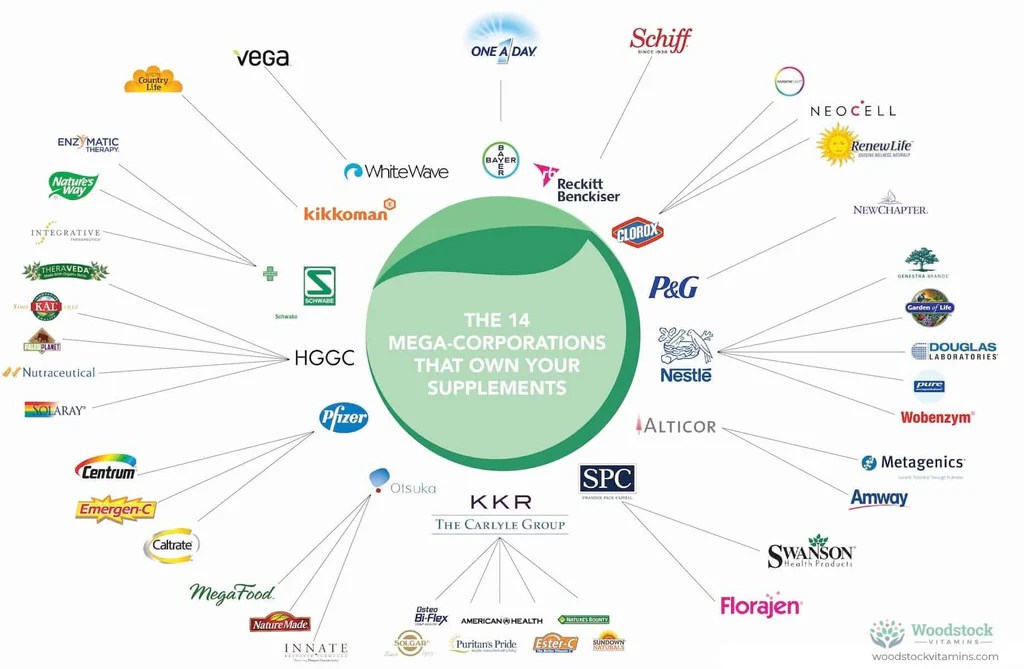
You are looking at a graph of who has the most control over nutritional supplements and which country? Shaklee is not listed as it has sole proprietorship of its company. Shaklee Corporation only owns Shaklee. Can you find yours?

I tried to investigate who owns which. I found it quite interesting and in some cases, GNC in particular, quite hard to find who owns it.

Nature’s Bounty, Emer-C, and Osteo Bi-flex. are owned by the Carlyle Group, an investment group. What are their controlling interests? Making money.

Nature’s Maid is owned by Osluke, a Czech company. Out of the USA. What are their standards for health supplementation? I know they must meet USA standards? But USA does not have a supplement standard? Only marketing?

Amway is now part of a holding company, Alticor. Founded in 1959. Alticor Corporate Enterprises is a subsidiary holding corporation of Alticor’s non-direct selling companies. These companies include Amway Hotel Corporation, Gurwitch Products, Interleukin Genetics, Metagenics, and Fulton Innovation.[9] Where is Amway’s health products? They now sell clothing too! Amway was not founded on “Living in Harmony with Nature” and lost their way.

GNC is listed as a retail company. GNC Holdings, LLC is an American multinational retail and nutritional manufacturing company based in Pittsburgh, Pennsylvania. It specializes in health and nutrition related products, including vitamins, supplements, minerals, herbs, sports nutrition, diet, and energy products. It is owned by Nutra Manufacturing; or is it International Vitamin Corporation. It all gets lost on line. I could not find any science backing their products.

Shaklee Corporation is an American manufacturer with an American owner. It is also a multi-level marketing distributor of natural nutrition supplements, weight-management products, beauty products, and household products. (However it diverges from the normal MLM. Distributors can out-rank, and out-earn their sponsor. Thus not a true MLM.) Shaklee is based in California, with global operations in Canada, China, Indonesia, Japan, Malaysia, and Taiwan. Shaklee has always been about health, and Living in Harmony with Nature.

Founded in 1956, Shaklee is the First Company in the World to obtain climate neutral certification. The company has totally offset CO2 emissions from company operated facilities. This has resulted in a net zero impact on the environment. And Shaklee is still focused on that today by leading the charge with Eco friendly products and support.

At Shaklee, the obsession is over the quality of every one of their products:

  • Shaklee has an in-house team of PhDs and other scientists. They set the specifications for our ingredients and finished products. Their Quality Assurance Department helps to ensure those specifications are followed.
  • Shaklee screens all new botanical ingredients for more than 350 contaminants. This is well beyond what is required by the United States Pharmacopeia.
  • Shaklee performs over 100,000 quality tests each year to ensure purity and potency of our products.
  • Shaklee’s longstanding support for nutritional research involves collaborations with leading academic labs. The academics control publication of the results, not Shaklee.
  • Shaklee has have published over 135 scientific papers and presentations. Ninety of these are clinical studies. They are published in peer-reviewed publications, who are tough judges to allow publication. (I have yet to find any nutrition company with so many peer-reviewed studies. Peer-reviewed studies do lead to development of better products.)
  • The Landmark Study demonstrated the powerful effects of long-term use of multiple Shaklee dietary supplements. People who took Shaklee supplements for 20 years or more had healthier levels of many chronic disease-related biomarkers. These biomarkers include HDL cholesterol, homocysteine, and C-reactive protein.
  • Shaklee’s list of clinical research: https://healthresource.shaklee.com/clinical-research-study-archive/

I’m sticking with a company whose focus is my health. That focus is the health for me and for me and my family’s the future. I don’t want my health guided by a holding company for financial gain. Nor a company that is not in the USA. Shaklee spreads the word world wide. Its products are treasured and used world wide. Many of Shaklee products cannot be found anywhere else. Many of Shaklee products have results that cannot be found anywhere else.

Isn’t it time you switched to someone who has your health front and center!

January 2026
M T W T F S S
 1234
567891011
12131415161718
19202122232425
262728293031  

Sometimes it can be difficult to shop for a large family on a small budget. I remember my early years with 4 growing kiddos. I had a limited food budget at that time. A very tight budget. I will admit that at that time, I did not buy any pop/soda or very little treats. (It wasn’t such a big deal then as it is now?) Potato chips were the one item to offset a soft lunch. (I like a good salty crunch; but I only eat it at lunch. Now I’d rather have sweet potato chips!) We did always have a cookies at supper! (Limit 2.)

Nutrition for kids is based on the same ideas as nutrition for adults. Everyone needs the same types of nutrients: vitamins, minerals, carbohydrates, protein and fat..

The most important factor to consider when budgeting for food is to consider the family’s activities and age. We know that can vary greatly. I would also factor in after-school or after-activity snack. And it has to be nutritious! I usually served hard cheese and sausage with fruit and veggies and whole grain crackers. Kiddos loved the finger foods. This was my way of getting in fresh veggies. Pack them in lunches. (However it seems kiddos today don’t always pack a lunch.)

If you surf the web you can find all sorts of easy ways for “packed lunches.” They can actually look better and taste better than purchased lunches. (Make several and refrigerate.)

If they are against the “sack lunch” call it a “snack bag. With the activities of today’s kiddos they almost need a “Snack Bag.” You can insert cheese sticks and veggies here. Even add the apple. (The thinking is hard fruit that doesn’t bruise easily.) Don’t forget snack bars. Watch the labels for sugar content. Look for proteins. A “snack bag” can be a good source of nutrition. Kiddos don’t have to spend money on the machines. (And we know the machines are all sugar/salt snacks.)

And for your kiddos, having that “snack bag” in their backpack insures them that they never will go hungry. ( I’m thinking after school, or even waiting to be picked up after school.) Pack enough to share!

So how to do all this?

To start, a child needs only an average of 1200 calories per day. Make these calories good. Make them dense. Don’t rely on the snack machines for their snacks at school. Especially when they are looking for a snack after school. Many times the items offered by machine say “added protein.” But 3grams is barely enough. It only is there so they can say: “protein snack.” But it really isn’t if you look at sugars included.

Planning comes First!

The first thing to do when Budgeting, as we all know, is to plan. It takes time to start, but your day-to-day time evaporates as you only have to consult your list. No more “wondering what to fix.”

Review and create your shopping list from the Food Pyramid. The hardest one to remember is the fruits and veggies that our growing kiddos so need. Everyone needs at least 8 ounces of fruit AND veggies every day. This amount increases as the child ages. Take into consideration their activity level. Get creative. It will also make the necessary nutrients more attractive for them, and for yourself.

Plan your snacks too. Try to limit maybe one big “bag” a week. If it is in the house, it gets eaten. And majority of snacks are not nutrient dense, and you find yourself hungry again, if not gaining unneeded weight.

By planning ahead, you can Check Out Sales. Plan your meats around sales or bulk offers. (I’ve found good bulk offers even at Kroger!)

You can plan bulk meals that will enable you to reheat later in the week. (I feel making it once, add enough ingredients that it can appear again!) Buy in bulk, but not necessarily at Cosco. Suggestions: Uncooked rice, and pasta. (I create my own 90 sec rice and pasta. Make enough for the next meal and freeze it separately.)

Seasonal produce is great for sales. I’m buying green beans right now as they are in season. I’ll cook some, and freeze several. Corn on the cob in the summer is a bargain. In-season fruits are easy today. Buying in-season also gives variety and can save money. Buying in season, and freezing opens up the budget next month.

The toughest part of a Food Budget is the convenience foods. I always try to cook double. It is a one-time effort that gives you the ability for convenience later. A meal can sit in the freezer from last week. It can also sit there from last month. And it is a treat today when I’m rushed for time. And that becomes my “convenience meal!” Tastes better, better nutrition too. (Have you looked at sodium levels on convenience meals? Like: WOW!)

The general guidance for sodium limits is: Adults and teens age 14 years and older: no more than 2,300 mg (milligrams) a day. Children ages 9 to 13 years: no more than 1,800 mg a day. Children ages 4 to 8 years: no more than 1,500 mg a day. And retired adults: 12-1800 mg a day. Children can get and are getting hypertension. Watch the sodium.

Are you aware that frozen fruits and veggies provide good nutrition levels overall. Canned fruits are great in the winter. But with cans, watch sodium levels. Rinse vegetables before cooking. Add an herb instead. Don’t be afraid to mix canned with fresh. Buy canned fruit ONLY in natural juices. Maybe add a handful of walnuts? If you want to be really fancy: dollop of RediWhip (natural whipped cream.)

One of the biggest expenses against a Food Budget is beverages. Kiddos do not need sodas. They require milk and water. You can enhance water with fruit for flavor: fresh or frozen. Hot cocoa is good in the fall and winter.

As to coffee, learn to make your own. It may take an investment in a coffee machine. In the long run, it will pay for itself and then some. Do some research into flavored or special brewed coffee. You’ll be surprised at how easy it is to make at home. Try not to add too many sweeteners to your beverage. (Again, empty calories.)

The hardest part of a Food Budget is the planning. Make time for it. You will find yourself and your family eating better. You will be surprised at how much you will save. (Put this money away for a fun day!)

Make meals a family time. Everyone should join in. Kiddos love to cook. They learn from their adults. Let’s teach them good eating habits today.

As a nutrition coach I will be glad to help with your planning. Just message me. Lunch ideas for kiddos can go with adults too! Variety is the key to keep packed meals from being dull. Planning is a Must. Your life is too hectic without it.

References:

https://wellness.maryjessen.com

Back to school time is a good time to remind us of the importance of Eye Health. The most important thing to do is to get a thorough eye exam by an Optometrist. This should be done yearly for all ages.

Our eyes are the doorway to enjoying life to the fullest.

It’s good to know how your eye functions. Parts of the eye: Let’s start at the beginning:

Light passes through the clear front of the eye, into the Cornea, the outer layer of the eye. The light bends to help the eye focus. Some of the light enters through the opening called the Pupil. The colored part of the eye (Iris) controls how much light gets through to the lens. The Lens is a clean inner part of the eye. It works with the cornea to focus light on the retina.

The Retina is the light-sensitive layer at the back of the eye. It turns the light into electrical signals. These signals travel through the Optic Nerve to the brain. The Brain turns these signals into images we see. All in a “blink of an eye!”

Your eye lashes are important to your eye’s health. They filter dust and tears to help keep the eye clean.

Did you know that your eyebrows are important too? They channel unwanted moisture, sweat and rain, away from you eyes. (Sort of like a brow of your cap.)

Maintaining good vision is a key to a healthy lifestyle. Eyesight is vital to nearly everything we do. We all want healthy eyes throughout our life.

How to help our children’s growing eyes:

It is important for our children’s eye health to start with a healthy diet. They should also get in the habit of drinking plenty of water. Hydration is a key to good vision.

Start eye health with healthy foods. Eat eggs, greens, red berries, and orange-colored fruits and vegetables. Nuts, sweet potatoes, and whole grains are also beneficial. Try avocados, salmon, walnuts, poultry, seafood, milk, and other dairy products.

Prepare healthy snacks that are grab and go: yogurt, cheese sticks, cut-up veggies. (I have found that peppers, celery and radishes stay fresh if stored in a glass jar. I wash and dry thoroughly and store with a tight lid. It is important to keep moisture out. When serving, allow jar to dry before recapping.)

Omega 3 is very important for eye health: Almonds, walnuts, pistachios can help preserve a child’s vision. (As an older adult I have found adding 4 Omega 3, as prescribed by my Opthamologist, works great when added at bedtime. It has made a huge difference for me as to dry eyes.)

Avoid refined sugars and added sugars. Avoid snack bars and sugary drinks. Learn to read labels of snack bars as many of a lot of added sugars. Encourage water drinking by adding fruits, and even cucumbers for flavor and attraction.

Wear eye protection. Good UV-blocking sun glasses are important at all ages. Do not stare at the sun, as sun rays can permanently burn and harm your retina. Learn to do activities that give your eyes a rest. Get away from computer screens, and even TV screens as much as possible. Take a walk.

Eye rubbing can be a sign of allergies. Rubbing your eye can scratch your cornea. Rubbing can also transfer bacteria from your hands into your eyes, causing an infection. Take an allergy tablet or an antihistamine if the irritation is about allergies. Consult with your doctor.

As we get older, the volume of tear secretion and tear quality decreases. Women are more likely to suffer from dry eyes than men.

The volume of tear evaporation increases in dry winter months. Air conditioning or direct contact with air blowing from a fan or AC can aggravate dry eye symptoms.

If you spend a lot of time looking at a computer screen, the frequency of blinking decreases. This can create dry eyes. Look into “computer screen glasses.”

Medication can also affect your eye. Be careful of eye drops with preservatives.

What can help your eye?

We are aware that Carotenoids are helpful for our eyes. We get them in a healthy diet. But sometimes it can be hard to eat the Daily Recommended Amounts of fruits and vegetables. It can become even harder to increase these amounts when our eyes bother us. This is where the supplement comes in.

If your diet isn’t rich in daily tomatoes, orange fruits and vegetables, you are missing out on key nutrients. You also need leafy green vegetables in your diet. These key nutrients increase the density of the macular pigment, an area critical to visual acuity. It also helps filter harmful UV light. And supports overall eye health. If you cannot eat enough, then look into supplementing.

What can I do for my children’s eye health?

Limit screen time each day and have your child take frequent breaks to protect their vision. Watch the amount of screen time with game-playing. Taking breaks also helps with other near-vision activities like reading, writing, or drawing. Get enough sleep: Our bodies and eyes heal when we sleep.

Remember to have their eyes checked each year. This is important.

Age-related Macular Degeneration: AMD

Age-related macular degeneration (AMD) is a disease that affects a person’s central vision. AMD can result in severe loss of central vision, but people rarely go blind from it. Risk factors for AMD include being 50 and older. Smoking. Having high blood pressure. Eating a diet high in saturated fat.

No one knows exactly what causes dry macular degeneration.  The macula is part of the retina (the light-sensitive tissue at the back of the eye.). Age-related damage to an important support membrane under the retina is believed to contribute to dry age-related macular degeneration. Research indicates that it may be a combination of family genes and environmental factors. These factors include smoking, obesity, and diet. The condition develops as the eye ages. A diet high in dark leafy greens, orange and yellow peppers, and other vegetables may be beneficial in managing macular degeneration. These foods contain carotenoids, or antioxidants, that keep the macula healthy.

What can I do to supplement my diet to help my eye health?

I can’t eat all that my eyes need Each and Every Day. I recognize that, especially as I’m aging, a supplement can help my eye’s health.

Shaklee’s Carotomax is my favorite. It provides over 13mg of the beneficial carotenoids: lutein, lycopene, beta-carotene, alpha-carotene, and astaxanathin per serving. I have only found all of these in Shaklee’s Carotomax.

What is alpha carotene and beta carotene?

(Alpha-Carotene and Beta-Carotene. Both α-carotene and β-carotene are primarily regarded as precursors of vitamin A. Common orange-, yellow-, and green-colored fruits and vegetables are rich sources of these carotenoids. Examples include carrot, pumpkin, apricot, sweet potato, and beans.)

I have been diagnosed with Dry Eyes. My Opthamologist recommended Shaklee’s Omega 3, and also to include Carotomax. I get both in my daily vitamins. But it is not enough for aging dry eyes. It makes a big difference for my eyes if I add another of Shaklee’s Carotomax. It also helps if I take 4 of Shaklee’s Omega-3 at bedtime. Dry eyes: gone. It truly helped my Dry Eyes.

Good Health always comes back to Good Foods. Our diet is important. Make fast food or convenient meals a treat. Plan ahead with your meals. Double batching makes meals in a rush easy, and you know they are nutritious.

Hereditary genes can play a part in your eye being “unhealthy.” But there are ways we can slow or hopefully prevent bad eye health. Start with good nutrition. And learn to protect your eyes and your vision from day-to-day assaults.

If you want help with meal planning, I’ll be glad to help. If you need to plan more nutrition into a tight food budget, I’m here to assist. Message me.

Are you trying to improve your thinking skills? Do you feel your “thinking powers” are slowing down? Memory becoming challenging?

As we age, changes occur in all parts of the body, including the brain. As a result, some people notice that they don’t remember information as well as they once did. They aren’t able to recall it as quickly. This is quite normal.

They may also occasionally misplace things or forget to pay a bill. These usually are signs of mild forgetfulness, not a serious memory problem.

( I like to think I have many ” file drawers” and they are quite full! Over 70 years of collecting files! Many of those files are way in the back of the brain! And I have to crawl over the boxes to get to the files! (Fun thought that helps me not to fret.)

The problem becomes serious when you can’t remember what to do with the car keys? Or you look at your tooth brush and have no idea what it is for. That is when to consult your doctor.

I want a healthy brain: What can I do?

Start with nutrition. Your brain is not fed well when your diet is all about “eating out.” Good nutrition must be fresh and as free of chemicals as possible. Eat healthy. Eat fresh fruits and vegetables. Eat raw where it is possible. Check out the Food Pyramid and see how closely your daily food diet is to what is recommended. Include fatty fish in your diet at least once a week: Salmon, trout, albacore tuna, herring and sardines. With summer now, check out farmer’s markets. Field fresh!

Exercise. Your brain needs Fresh Air. A daily workout is the best kind for your brain. During this workout, the blood is pumping well and your heart is beating faster. This leads to the creating of neurons which improves your memory. Take a walk. Make checking the mailbox more than just up and down the driveway. Use the treadmill.

Sleep. Sleep does help your brain cleanse itself of potential waste products of the cells. This is where the 8 hour rule comes in. Set a bedtime ritual. And make time for a good night’s rest.

Even if you are laying quiet in bed and hopefully sleeping, your brain is far from asleep. During sleep, brain cells produce bursts of electrical pulses. These pulses cumulate into rhythmic waves.

Scientists at Washington University School of Medicine in St. Louis have found that brain waves help flush waste out of the brain during sleep. Individual nerve cells coordinate to produce rhythmic waves. These waves propel fluid through dense brain tissue. They wash the tissue in the process. (And we thought all the brain did was create dreams!)

For the brain to do such energy-demanding tasks, brain cells need fuel. The brain cells’ consumption of nutrients from our diet creates some metabolic waste in the process. This is where good nutrition comes in. What are we feeding our brain cells?

Now we know why sleep is so important. We are really hurting our brain to cut back on our sleep time. Even when we are asleep, our brain is quite active and demanding nutrition to do it’s work.

Things to do for our brain’s health:

Training! Yes, train your brain. Challenge your brain. Do activities outside of the norm. Consider memory puzzles; perhaps a new hobby. I have found crossword puzzles or word searches to my enjoyment. (I do notice when I don’t play.) Learn to be creative: Paint (even by number is great); garden; knit or crochet? Take time to exercise your brain outside of work. Stay away from video games. The tempo and the lights are not a good brain exercise.

Socializing. Get out of the house. Join a club. Interacting with others will provide a new perspective for your life. Socializing stretches your brain to organize ideas and to be able to relay those thoughts and ideas to others.

Don’t rely on take-out foods for your meals. Doesn’t work that way. Take-out should be a treat. Plan your meals. Make food important. Refresh yourself on the DRA of foods. Remember these are Daily Recommended Amounts.

But let’s first start with basic foods:

Foods that you can choose to add to your daily diet that help brain health.

We have read that coffee or tea can help make our brain sharper. I think this is one of the most common “foods” when it comes to alertness. It is all about the caffeine. It increases alertness, can improve your mood (that morning cuppa is soo good!), and it can sharpen our concentration. But be aware that caffeine can also interrupt sleep. Drink moderately and before 4:00; as caffeine can take up to 6 hours to clear your body.

Blueberries! Antioxidants. Anthocyanins. All great anti-inflammatory plant compounds. These help your brain to slow aging of the cells. They also improve your memory. Great to add to breakfast foods. Great snacks.

(Anthocyanins have been credited with the ability to influence cognitive and motor function. They can enhance memory. They also play a role in preventing age-related declines in neural function: cellular aging. They are found in: red and purple berries, grapes, apples, plums, cabbage, or foods containing high levels of natural colorants.)

Turmeric: A deep-yellow spice found in curry powder. Curcurmin has been shown to cross our blood-brain barrier and directly enter your brain. It is a potent anti-oxidant and anti-inflammatory compound. It helps memory and eases depression. (Try Indian foods!)

Broccoli: High in vitamin K, a fat that the brain needs for brain cells. It too provides anti-inflammatory and antioxidant effects to help protect the brain.

Pumpkin Seeds: And you thought it was just a Halloween treat! Pumpkin seeds are great sources of zinc, magnesium, copper and iron: great micronutrients for your brain. Add these to those raw salads. Remember salads don’t have to be with lettuce. Grouping together any raw vegetables can make a salad. Adding a sliced orange or any fresh fruit to the salad is a great boost.

Dark Chocolate! One good piece a day is beneficial for brain-boosting compounds, as dark chocolate includes: flavonoids, caffeine, and antioxidants. Here do your homework and make certain you are eating a healthy source of dark chocolate. There are too many poor chocolates available on the market. Dark Chocolate only (not milk chocolate) can boost memory, and mood.

Nuts: Be certain they are unsalted. Nuts can reduce neurological disorders, and help delay cognitive decline in older adults. Older adults need to watch sodium: look for unsalted nuts. The Vitamin E of nuts protects against free-radical damage of the cells. Nuts also contain healthy fats. Almonds. Walnuts.

Oranges: Vitamin C. One medium orange a day is needed for daily recommended values of vitamin C. Vitamin C reduces free-radical damage. It can protect against major depressive disorders, anxiety, schizophrenia, and Alzheimer’s disease. You can get good Vitamin C also from bell peppers, guava, kiwi, tomatoes and strawberries. (If you are relying on orange juice, read the label. Some orange “juices” do not have real oranges in them.)

Eggs: Vitamins B6, B12, folate, and choline. Choline helps mood and memory. Your liver does produce some, but you must get what is needed from foods for a needed amount. If you are egg intolerant or vegan, please look at supplementation by capsule or tablet.

Green tea: Also has components for good brain health. L-theanine is the amino acid. It also crosses blood-brain barriers. This ends with helping reduce anxiety and makes you feel relaxed. Green tea is also rich in polyphenols and antioxidants.

Polyphenols and antioxidants protect the brain from mental decline. They also help to reduce neurodegenerative diseases. Make certain you are relying on a good pure tea source. So many out there are not processed cleanly.

Foods rich in Polyphenols: Apples. Berries. Broccoli. Carrots. Chili peppers. Cumin. Dark chocolate (because cocoa is a major source of polyphenols). Flax seeds.

(Are you wondering what is the blood-brain barrier? Your blood-brain barrier (BBB) is a tightly locked layer of cells. These cells defend your brain from harmful substances, germs, and other things that could cause damage. It’s a key part of maintaining your brain health. It also holds good things inside your brain, thus maintaining the brain’s delicate chemical balance.)

I know I can’t eat all the amounts of foods needed to fulfil Daily Recommended Amounts. I do try to incorporate fresh fruits and veggies in my daily meals and snacks. I find as I age that my amount of food that I eat has declined. I’m just not that hungry anymore. This is where supplements do come in. I try to plan ahead that raw fruits and vegetables are available to eat and snack on.

But if you feel you are not getting what is needed for good brain health, let’s talk. Maybe we can tweek your food planning? Maybe you need supplementation? But let’s start with food planning. Let’s talk.

If you find yourself not eating all the DRA each day, that’s when a supplement becomes important. I trust Shaklee Corporation for my supplement needs.

You may also wish to consult with your doctor if you are not feeling well. Consult with your doctor if you find your memory is not what you want it to be.

References:

https://healthy.kaiserpermanente.org/health-wellness/healtharticle.boost-your-brainpower-with-3-supplements

https://www.nia.nih.gov/health/memory-loss-and-forgetfulness/memory-problems-forgetfulness-and-aging

https://wellness.maryjessen.com