Enjoying the good things in life!

Archive for the ‘Nutritious recipes’ Category

Healthy Cookie Recipes: Transform Your Favorites

C is for cookie, that’s good enough for me
Oh, cookie, cookie, cookie starts with C


Hey, C is for cookie, that’s good enough for me
C is for cookie, that’s good enough for me
Oh, cookie, cookie, cookie starts with C

Yum! Yum! Christmas Cookies! Yum! Yum!

Do you remember this character? He had a passion for cookies! Num! Num!

Can cookies be healthy?

A non-published poll, by a biased data collector says: Everyone loves a Cookie!

WHY ARE COOKIES SO BAD TO EAT?

Cookies are a favorite treat for kids and adults. They’re a perfect dessert to bake for dinner. It is also a welcome addition to a party.

I made Halloween cookies tonight! I confess it was a ready-made 12 cookies. They looked so festive to end our Halloween Chili.

Now if only they could be yummy, AND good for us!

Most traditional cookie recipes are brimming with calorie and sugar-heavy ingredients like butter, granulated sugar or chocolate.

With a few substitutions that you already have, you can turn that favorite recipe into a healthy cookie/dessert.

Many cookie recipes use refined white flour (which has less fiber than whole wheat). They also use butter (a saturated fat). Most add sugar (which can cause spikes in blood sugar).

SO HOW TO MAKE THE RECIPE HEALTHIER?

FIRST: Look at the flour in your recipe. Perhaps consider switching to a healthier flour.

Whole-Wheat Flour

Whole-wheat flour is much heartier than all-purpose flour and produces denser baked goods with a more robust flavor. Whole-wheat flour is milled from wheat berries with the nutritious bran and germ still intact. It is rich in fiber and essential micronutrients like iron, magnesium, and vitamin B6.

(The pictured Red Mill Whole Wheat flour can be found at Kroger’s.)

Whole-wheat has texture and flavor differences compared to all-purpose flour. It can’t always be used as a total replacement. You might first want to try as 1/2 and 1/2.

Two whole-grain flours that work well as substitutes are white whole-wheat and whole-wheat pastry flours. It is a lot more difficult to get light, fluffy and airy bread using a whole wheat flour. 

Whole wheat flour includes the bran and germ. These components act like little “shards” that cut the gluten strands while the dough is mixing. The cutting also occurs while it is resting. This leads to a bread that is more dense and less elastic. Your cookie will not spread like you want it to.

Using cake flour in cookies can give them a tender, delicate texture that’s perfect for light and soft cookies. You should consider blending cake flour with all-purpose flour. This will add structure while maintaining tenderness. This approach is especially useful if you’re aiming for a melt-in-your-mouth quality.

White whole-wheat is milled from white, hard wheat. It yields a lighter color and milder flavor. It still has all of the benefits of whole grains. You’re safe substituting up to 50% white whole-wheat for all-purpose flour in a recipe.

Whole-wheat pastry flour is milled from soft white wheat, producing a very fine flour with less gluten. While not ideal for all baked goods, these attributes produce feathery light pastries and perfectly tender pie crusts. Try substituting up to 25% whole-wheat pastry flour for the all-purpose flour in the recipe. You may need to increase the liquid if you use more.

(Pictured is a whole wheat chocolate chip cookie. Can you tell it is whole wheat? Your taster won’t know. And your family definitely won’t know. And you will be passing along a healthy recipe!)

When working with whole wheat flour, it can be a trial and error to start. My advice, start by cutting the white flour by 1/2 and see if you like the results. Even by cutting the white flour in half, you are adding nutrition to the cookie.

Whole wheat flour will add fiber and can make your cookie more satisfying.

OAT FLOUR: is probably the easiest flour to make at home. Ground oats will add sweetness and chewiness to your cookie, besides adding protein and fiber.

You can grind you own rolled oats in a food processor until they reach a flour-like consistency. Oat flour can replace up to 20% of wheat flour.

Start with wheat, and maybe try oat flour at a later batch of cookies.

EGGS: Did you know that bananas can replace an egg? 1 medium mashed banana will substitute for 1 medium egg.

The banana makes the texture lighter, chewier, plus sweeter. Adding the banana adds fiber and vitamins and minerals to your cookie!

(Suggestion: use a ripe banana, not a firm banana.)

SUGARS: Are you aware that adding pureed prunes will increase fiber and nutritional value? It also reduces added sugars, overall calories, and carbohydrates. This swap makes a good choice for you cookie without changing the overall taste and texture.

It is interesting that by adding prunes as a sweetener you are also adding nutrition for your bones. The antioxidants and anti-inflammatory properties of prunes help prevent bone loss. They also help to maintain healthy bone density and formation, according to clinical studies. The higher amounts of vitamin K in prunes help to improve bone health. All by adding prunes to your cookies! Wow!

You can also try to just cut your added sugar by 1/3 and see if you like the taste. Most likely you will not notice the difference.

BUTTER: You can replace about 1/2 of your butter with full-fat Greek yogurt. This will lessen the saturated fats of the cookie and still give it a soft, gooey texture.

SUGGESTION: Substitute at least 1/2 of the white flour for whole wheat. Use dark chocolate in place of milk chocolate. (Dark Chocolate is significantly healthier than milk chocolate.) Replace the butter with yogurt, canola oil, or olive oil. These kinds of substitutions adds fiber, nutrients, antioxidants, and healthy fats to the cookie treat.

NUTS: Unless there is a nut allergy, add nuts to many recipes.

The can be pecans, almonds, peanuts, cashews, pistachios, even chia seeds. This addition adds healthy fats, fiber, protein, and antioxidant vitamin E, beside a great taste and texture.

MAKE IT SMALLER: It is fun to cut out cookies at the holiday time. One other suggestion is make a smaller cookie. Two small cookies are still two cookies!

Smaller cookie = less sugars, carbs, and bad fats.

THOUGHTS:

Cookies are my favorite dessert. I try to limit my amounts to 2-3 cookies only after my main meal. I think my body is now just in the habit of thinking “cookie” at only supper.

Place on a plate just the right amount of cookies for each person. Portioning out the amount also teaches your children two is plenty. And always serve them AFTER the meal is complete. Children learn by example. Hopefully, serving cookies after a main meal is eaten will help them create healthy eating habits.

SNACK BARS: I consider most of the snack bars sold as “cookie-bars.” They contain a lot of sugars for a quick energy boost. We know what goes up, can come crashing down.

Learn to read the labels to compare. What cost the least may very well be the least nutritious. Nutrition can be costly. But it is worth it. Read the labels.

The best snack bar to consider:

Kind nut bars often contain a delicious nut and chocolate combinations and are easy to find at most grocery stores.  They offer many different flavors.

The first ingredient in these bars is always nuts. They also contain other whole food ingredients like dried fruit and seeds. They’re also gluten-free.

The added sugar content of these bars varies based on the flavor. Many options contain as low as 4 grams of added sugar. Kind products don’t contain artificial sweeteners

Kind nut bars are also high in fiber, with several flavors providing 25% of the daily recommended fiber intake.

If you are looking for a nutritious snack: go for nuts and fruit. A handful of nuts if always a good snack.

CHOOSING CHRISTMAS COOKIES: When you are deciding what cookies to bake this year, consider making easy substitutions to the recipe. This will help you make your Christmas Cookie healthy.

Or you can try:

PROTEIN COOKIES:

PROTEIN SUGAR COOKIES: makes 12 cookies

2/3 cup vanilla protein powder (Shaklee Vanilla Life Shake)
3/4 cup oat flour or wheat flour or all-purpose flour
1/4 cup Stevia
1/4 tsp baking soda
2 Tbsp. creamy peanut butter or almond butter
2 Tbsp Unsalted butter (Can add 1/4 tsp of salt if needed)
1 large egg white
1 Tbsp maple syrup
1/2 tsp. Pure Vanilla Extract

Heat oven to 350 degrees.

Whisk dry ingredients in a small bowl.
Add wet ingredients and mix until dough is formed.
Line a baking sheet with parchment paper or lightly spray.
Using a Tablespoon measure, measure out dough and shape into balls. Place 2 inches apart.
Press balls flat to roughly 1/2 inch thick using back of a spoon or your hand.

Bake 8-10 minutes until edges are firm, but center is still soft. Cookies will set upon cooling.

Suggestion: flatten a bit more fresh out of the oven to make a flatter cookie.

While cookies cool,

Combine 1/2 cup powdered sugar
1 Tbsp. cornstarch or tapicoa starch
2 Tbsp unsweetend milk
1 Tbsp unsalted butter (melted)
Mix all together and spread over Cookies. Can decorate with sprinkles if desired.

PROTEIN CHOCOLATE CHIP COOKIES or a nut cookie, a cranberry cookie (adding oatmeal is not advised.)

Makes 18 cookies

4 eggs
1 – 1/3 cup unsalted peanut butter or almond butter
1 cup granulated sugar (white, brown, coconut, etc.)
2 tsp. Pure vanilla extract
1 Cup Shaklee Chocolate Life Shake (or Cafe Latte Shake)
1 tsp baking soda
1/2 tsp of salt (omit if peanut butter was salted)
1 cup chocolate chips (Here you can add walnuts, or pecans, cranberries, raisins, etc.) Can add cocoa to make the cookies chocolatier!

ADDING Oatmeal is not Advised.

Preheat oven 350 degrees.

Line baking sheet with parchment paper.

Whisk together eggs, peanut butter, sugar and vanilla until smooth.
Fold in protein powders, baking soda and salt. It will be thick!
Fold in chocolate chips or nuts, etc.
Using a 2 Tbsp scoop, scoop dough and roll into balls. Flatten.
They will not spread much while baking, so form into roughly the shape you want the cookies to be (suggestion: sticks?)
Bake 8-12 minutes (suggested check after 10 minutes) depending on preference of browning. They will firm up slightly upon cooling.

Let cool on baking sheet.

SUGGESTIONS:

The above can be started dough for all different flavors. Shaklee offers Life Shake in flavors: Strawberry, Chocolate and Vanilla Protein Shakes. You can add crushed candy (of course this will become a sweeter cookie, but it will be fun!) Roll the balls in green or red sugars. Have fun decorating!

Cookies can be healthy and not only sugar.

Do share your recipe! Hugs! Mary


https://wellness.maryjessen.com

References:

ttps://www.foodnetwork.com/recipes/photos/healthy-cookies

https://www.eatingwell.com/article/7595251/the-healthiest-flours-to-use/

https://eatwithclarity.com/chocolate-chip-protein-cookies/

https://nutritionistmom.com/blogs/blog/frosted-protein-sugar-cookies

https://www.usenourish.com/blog/healthiest-snack-bars

Delicious Homemade Hot Chocolate Recipe and the history of the cocoa bean

Homemade Hot Chocolate in a sweet mug: “You sweet, creamy heavenly thing! I want to spend every winter evening curled up with you. I want my hands are wrapped around a warm mug of hot chocolate. I will watch steam rise from the cup. The whipped cream on top slowly softens. It melts into the creamy dark brown liquid. Slowly my body starts to melt into that cup. I feel the tension ease away.”

What a great tension/stress reliever! I always try to have some “idea” in the back of my head for a secret tension tamer. Hot cocoa hits the spot!

The joys of a cup of Hot Cocoa.

Hot Cocoa for ONE:

2 tsp of cocoa powder, 2 Tbsp of sugar. Heat 1 1/4 cup of milk until warm/hot. Pour a little of the hot milk just enough to cover the powdered mixture. Dissolve the cocoa and sugar with a spoon or small whisk. Once you have a “chocolatey” base, add 1/4 tsp of vanilla. Pour the rest of the milk into the cup, stir and Enjoy!

I want to know more about this wonderful flavor! Where did the cocoa come from? How did it get from field into my cup?

Origins of the cocoa bean:

The cocoa bean is really a fermented seed of the Theobroma cacao, the cacao tree. From the fermented seed, cocoa solids (nonfat substances) and cocoa butter, (a fat substance) are extracted.

Today the cacao tree grows in a limited area of West Africa, and Indonesia. West Africa produces 81% of the world’s crop. There are three varieties: Forastero, Trinitario and Criollo (in order as pictured); Foraster is the most widely used variety.

What it takes to produce one pound of chocolate:

The cocoa tree takes five years of growth to produce it’s fruit, the cocoa pod. The tree has a typical lifespan of 100 years!

To produce 1 pound of cocoa, you need about 400 dried cocoa beans. A typical cocoa pod contains 30-40 beans. Cocoa pods weigh about 14 oz each. The yield is about 9-10% of the total weight. One person can separate the beans from about 2000 pods per day.

The beans are roasted, cracked, and de-shelled, resulting in what is called nibs. These nibs are then ground into a thick paste known as chocolate liquor or cocoa paste.

A cocoa pod, picked by hand, is 6.7-7.9 inches long. It varies in colors: green, red, or purple as they mature. Once mature their color is yellow or orange, particularly in the creases of the pods.

These pods grow directly from the trunk of the tree or a large branch. The pods do not ripen at the same time, so harvesting needs to be done periodically throughout the year. Ripeness is a judgment of color of the pod. They are harvested with a curved knife or a long pole.

Cocoa pods have to be harvested carefully to avoid damaging the junction where the stem is attached to the tree. This is where future flowers and pods will emerge. (It seems to be quite labor intensive.)

It gets better! The harvested pods are opened with Machetes! to expose the bean.

Oh my!

The pulp and bean are harvested, and the rind is discarded. This is an essential process in which the beans are laid out in bins or grates. They “sweat” as the thick pulp liquifies during fermentation. If sweating is interrupted, the resulting cocoa will be ruined. If underdone, the seed’s flavor is like a raw potato and becomes susceptible to mildew. Some cocoa countries distill alcoholic spirits with the liquefied pulp. (Think Aztecs with their potent cocoa drink.)

Processing:

Cocoa butter and Cocoa powder are separated using a hydraulic press or the “Broma process.”

Natural cocoa utilizes the Broma process. This involves hanging bags of roasted cocoa beans in a very warm room, above the melting point of cocoa butter. This allows the butter to drip off the beans. It is then collected. Natural cocoa powder produced with the Broma process retains the natural pH level.

Once the cocoa butter has dripped off, the beans are put out to dry.

Treating cocoa with an alkali produces Dutch process cocoa. Dutch processed cocoa, called Dutch cocoa, or alkalized cocoa, is cocoa solids that have been treated with an alkalizing agent. This treatment reduces the natural acidity of cocoa. It gives it a less bitter taste and a darker color compared to “natural cocoa” extracted with the Broma process. It forms the basis for much of modern chocolate, and is used in ice cream, hot chocolate, and baking.

To all the bakers reading this:

(Illustrated is the difference in color due to the processing. Dutch cocoa is on the left, and natural cocoa is on the right.)

For you bakers to know: Dutch processed cocoa has a neutral pH. It is not acidic like natural cocoa. In recipes using sodium bicarbonate (baking soda), the cocoa’s acidity is necessary to activate the leavening agent. An acid must be added to the recipe. One can add cream of tartar or use buttermilk instead of fresh milk.

There is no need to add acidity when using baking powder in recipes with Dutch processed cocoa. Baking soda is not used for leavening in these recipes.

Dutching greatly reduces the levels of certain phytochemicals in cocoa.

Phytochemicals:

(Medium close up image of David Kebu Jnr holding cocoa beans drying in the sun.)

Phytochemicals are chemicals from plants that may affect health, but are not essential nutrients.

The flavonol-rich chocolate and cocoa products may have a small blood pressure lowering effect. The beans also contain theobromine, and a small amount of caffeine.

Hot cocoa has nutrients!

“It is the ‘theobromine of the cocoa seed that has the affect on blood pressure. Theobromine is an alkaloid. It naturally lowers blood pressure. This, in turn, decreases the risk of cardiovascular disease. There’s also some evidence theobromine may reduce “bad” cholesterol and improve “good” cholesterol. Additionally, the substance may improve blood flow throughout the body, further supporting the heart.” (tcho.com/blog)

Theobromine can also stimulate similarly to a cannabis high, but at a much lower level. It thereby produces a relaxing effect and relieves stress. (I knew there was a reason to feel so good after a cup of hot cocoa!)

Pharmacology: “theobromine is also used as a vasodilator, a diuretic, and heart stimulant. And similar to caffeine, it may also be useful in management of fatigue.”1

Caffeine in cocoa

Theobromine is also present in small amount in tea and coffee.

Caffeine is highly water soluble, peaks in the blood 30–40 minutes after ingestion, and has a half-life of 2.5–5 hours.

Theobromine is fat soluble. It attains peak blood concentrations 2–3 hours after ingestion. It has an estimated half-life of 7 –12 hours.

Some people are able to drink hot cocoa before bedtime with no sleep issues. I suggest you try it first on a night where sleep may be important.

Caffeine in cocoa:

Dutch cocoa contains 3 times less caffeine:

  • 100 grams unsweetened cocoa powder processed with alkali contains 78 mg. (Dutch proccessed cocoa)
  • 100 grams unsweetened cocoa powder without alkali contains 230 mg. (natural cocoa with Broma process)
Cocoa has some nutrients in the bean! Coffee not so much.

Cocoa on the international market.

There are international and national initiatives to support cocoa production. Many nations working together for a common good.

These international and national initiatives aim to support sustainable cocoa production. This group of initiatives includes the International Cocoa Organization (ICCO), Swiss Platform for Sustainable Cocoa (SWISSCO). It also includes the German initiative on Sustainable Cocoa (GISCO), and Belgium’s Beyond Chocolate. Countries where chocolate is significant.

These initiatives gather to support sustainability of cocoa production. Protection of the environment. Deforestation. Sustainability of Cocoa trees. A watch of pesticides and fungicides on exports/imports. And many more environmental themes.

One of the biggest problems in the cocoa industry is the use of child labor. This is a significant problem in West Africa. With the work of the partnering governments, child labor is decreasing. (The US is also involved in this issue.)2

Cocoa is a big contributor to many West African economies.

Since 2008, the demand for cocoa has risen steadily at over 3% annually.

In 2020, world production of cocoa beans was 5.8 million tonnes, led by Ivory Coast with 38% of the total. Secondary producers were Ghana and Indonesia (each with about 14%).

We all love cocoa! Not only is it sweet to drink, but it’s also healthy!

The Difference Between Hot Chocolate and Hot Cocoa

There’s nothing like a mug of hot chocolate topped with whipped cream or plump marshmallows on a winter day. Or wait, of should it be hot cocoa? Aren’t they the same thing?

What is the difference other than color? Is there a difference in taste?

(illustration on the differences: note the different colors.)

Are Hot Chocolate and Hot Cocoa the Same Thing?

While both names are attached to a delicious, “chocolaty” beverage, hot chocolate and hot cocoa are, in fact, different. 

Hot cocoa is made from cocoa powder, sugar, and milk. It’s sweet thanks to the sugar and is light in texture. 

On the other hand, hot chocolate is finely chopped chocolate mixed with hot milk. It’s super-rich and thick in consistency compared to hot cocoa, which is a bit thinner. (the sweet is in the chopped chocolate bits). And no it’s not the same as “hot chocolate milk”- which is warming up cold chocolate milk. Also delicious!

Healthy Hot Chocolate Ingredient Swaps

Although it is a treat, you can make it healthier without sacrificing taste.

Sugar
Swap the sugar for ¼ cup of honey, maple syrup, or ½ cup of coconut palm sugar.

Dairy-free milk
Swap the regular milk with your favorite milk alternative to make this dairy-free. I’ve tried this recipe with oat, soy, rice, and almond milk, and it always turns out great.

Dutch Process vs. Unsweetened Cocoa Powder

Hot cocoa made with unsweetened cocoa powder will have a richer flavor. Dutch processed tastes flatter. It usually needs to be offset with more sugar and full-fat milk.

It all depends on your taste. Sweet and creamy, or rich and thicker?

Needless, to say, whilst the two are subtly different, one thing remains the same. They both taste wonderful.

Time to make a cup of Hot Cocoa!

Recipes Please!!

Homemade Hot Chocolate for one:

Place 1 cups of milk, 1 Tbsp of unsweetened cocoa powder, 1 Tbsp. granulated sugar, 2 Tbsp of chocolate chips, and last: 1-2 DROPS of pure vanilla extract. Heat milk, cocoa powder, and sugar in a small sauce pan. Heat on med/low heat, whisking frequently, until warm. (but not boiling!) Add chocolate chips and whisk constantly until chips are melted. Distribute evenly into the milk. Whisk in the pure vanilla extract, and Enjoy!

Adding vanilla at the very end, gives a nice vanilla flavor to the cup.3

Healthy Protein Hot Chocolate:

If you are craving chocolate and want more than just a warm cup of milk, try adding protein powder. I suggest Shaklee’s Life Shake, addition to your mix. You can easily make that “time-out” time for a meal!

I am torn between Rich Chocolate Life Shake, Cafe Latte Life Shake and the New Salted Caramel Life Shake. Shaklee offers Soy, Dairy-free, Vegan, Gluten-free, and Kosher in many flavors.

Their flavors are smooth and rich. The new Salted Caramel Life Shake can be combined with the Rich Chocolate flavor. You are getting a lot of nutrition, including protein, in a warm, soothing, cup of steamy hot cocoa.

(A purchase of Salted Caramel Life Shake this Fall sends a $5 donation to Baby2Baby, an organization that provides basic essentials to children living in poverty across the US.)

All shakes include 20 g Ultra-pure, non-GMO protein. They have precise ratios of all 9 essential amino acids. This supports energy and satiety. 24 Essential vitamins and minerals to support heart, brain, immune, and overall health. 6 g Dietary fiber and a proprietary prebiotic from an ancient grains blend to support digestive health and regularity. Our new, low-glycemic sweetener system, Reb M + 5 g natural sugar cane. The new Life Shake is Powered by Leucine® to help build lean muscle, burn fat, and support metabolism.†

Plant based proteins are made with Pea Protein, L-leucine, Organic Chia Seed Protein, and Organic Pumpkin Seed Protein. They include pea protein, organic chia seed protein, and organic pumpkin seed protein. Pea protein, chia seeds, and pumpkin seeds are excellent sources of protein and fiber. They provide essential nutrients that support overall health and wellness.

Hot cocoa additives to give your cup a unique taste:

Hot cocoa can be the base for many different flavors. You can choose a different extract, but be certain it is a pure and not imitation. Adding your extract last will enhance the extract’s flavor.

Add spices! (Cinnamon and a pinch of cayenne pepper will turn your cocoa into Mexican Hot Cocoa!) Don’t be afraid of Pumpkin pie spices.

Mix in nutella for a hazelnut flavor. Swirl caramel into the milk.

You can make your hot cocoa with a strawberry base: Puree fresh strawberries first and add to the milk. Oh! Chocoalate and strawberries!

Add a splash of bourbon, whiskey or a liqueur, or Bailey’s for an adult after-dinner drink!

To be extra fancy: rim your cup with chocolate syrup, caramel syrup of another other sticky sweet syrup. Coat the stickiness with crushed peppermint candies, cookies or even toasted coconut. Add a bit of sprinkles for color!

Don’t forget to share!

Cocoa is good for All Ages! (Just be careful of the temperature.)

My favorite cup of hot cocoa is to top with real Whipped Cream!

Sit down, sit back.

Take a mini-time out and Enjoy!

References

https://wellness.maryjessen.com

References:

  1. https://tcho.com/blogs/news/8-health-benefits-of-the-theobromine-found-in-chocolate# ↩︎
  2. https://en.wikipedia.org/wiki/Cocoa_bean ↩︎
  3. https://www.laurafuentes.com/how-to-make-homemade-hot-cocoa/ ↩︎

https://en.wikipedia.org/wiki/Dutch_process_cocoa

https://www.britannica.com/topic/cocoa-food

https://pmc.ncbi.nlm.nih.gov/articles/PMC3672386

The Origin and Health Benefits of Apples | Apple Day Celebration

Apples, apples what a treat
Sweet and tart and good to eat
Apples grown and apples red
Hang from branches overhead
And when they ripen, down they drop
So we can taste our apple crop.

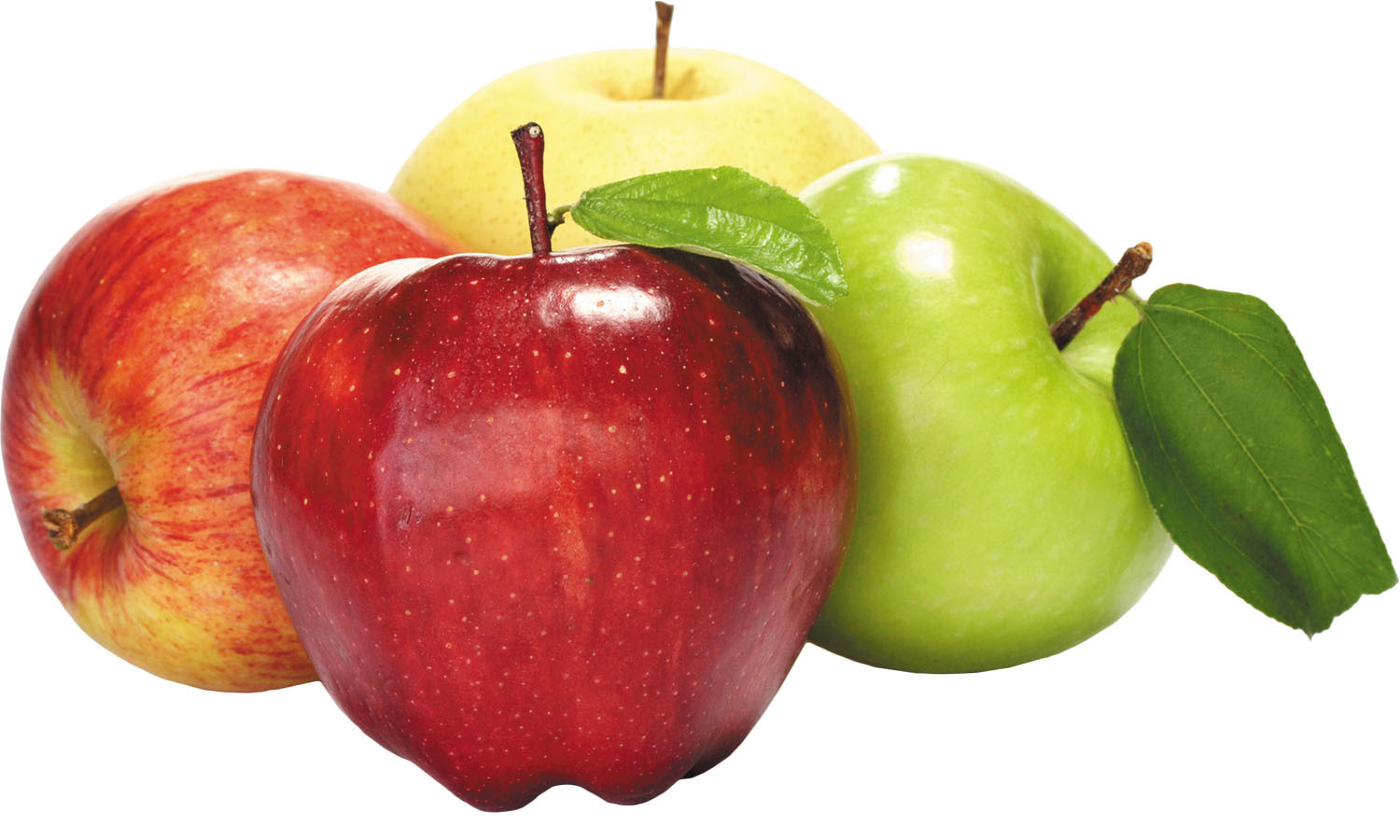
International Apple Day falls in September, on the 21st this year. There is an apple today for every taste. Options range from the very bitter Granny Smith to the sweet crunch of Honey Crisp. There are many more different choices in between. It seems every year there is a different apple introduced.

Apples are not just tasty to crunch, or bake. They are rich in nutrients: fibers, vitamins, and antioxidants. A great snack choice. Apples help protect us against diseases, support immune health, and even help to manage our weight.

Besides crunching, you can bake then, roast them, caramelize them, pie them, and even dunk for them!

Origin of the Apple:

Apples are not native to the US. There originated in Central Asia, in the Tien Shan mountains of mainly Kyrgyzstan and and parts of northwestern China. Traders along the Silk Road brought them to Europe. And the European colonists brought them to the United States.

Unfortunately you cannot grow an Apple tree from a seed of today’s apples. The tree you would grow would not resemble the apple you just ate. Apples must be propagated to attain the characteristics of the original apple. You have to plant more than one apple tree for it to pollinate. Our precious honey bee is responsible for most of the fertilization.

Johnny Appleseed/ John Chapman

Johnny Appleseed, his name was actually John Chapman (born September 26, 1774, Leominster, Massachusetts—died March 18?, 1845, near Fort Wayne, Indiana, U.S.) was an American missionary nurseryman of the North American frontier. He did not wear a pail on his head, nor did he walk barefoot as legend has it. But he did help to create apple-tree nursery stock throughout the Midwest.

Johnny Appleseed was a conservationist, frontiersman, and early horticulturist. He owned more than 1,200 acres of land across PA, Ohio, IN, and IL. He passed away near Fort Wayne, IN.

Chapman was quite eccentric, loved to develop nurseries. He did not believe in grafting a tree. Thus, his apples were small and tart. They were better suited to hard cider!

John Chapman will always be known as Johnny Appleseed for his dedication on bringing apple trees to the Midwest.

“An apple a day keeps the doctor away!”

Apples are quite popular and are ranked among the top three fruits of the world! They are easy to store and transport.

One serving of an apple provides 95 calories, 0 grams fat, 1 gram of protein, 25 grams of carbohydrates, 19 natural grams of sugar, and 3 grams of soluble and insoluble fiber.

An apple contains Vitamin C. It also gives us phytochemicals: quercetin, catechin, chlorogenic acid, and anthocyanin.

What do phytochemicals do for us? They protect your cells from damage caused by environmental toxins and the body’s natural chemical (metabolic) processes. “Phytochemicals have antioxidant properties and offer protection that decreases the risk of many diseases.”

UCLAhealth.org: “Phytochemicals also work as antimicrobial agents. They reduce the chance that viruses and bacteria (that) can grow in the body. Early research suggests that when an infection does occur, phytochemicals help ensure your immune system has an appropriate response. They can also reduce ongoing inflammation associated with inflammatory diseases.

Phytochemicals act as chemoprevention — they hinder cancer development — by preventing DNA damage. They can also repair mutated genes, slow cancer growth and help abnormal cells die more quickly. Making simple dietary changes to include more phytochemicals provides a safe, cost-effective way to prevent cancer.” (1)

When you peel an apple, you lose much of the fiber and the majority of flavonoids. (Quercetin: a flavonoid that has anti-inflammatory properties.)

We have heard that apples are good sources of Pectin. Pectin is a soluble fiber that may help prevent constipation, a modest effect on lowering LDL (the bad cholesterol). It can also help prevent some chronic diseases, including some cancers, and bowel disorders.

Sounds like a good idea to add that Apple a Day!

What about the pesticides?

We know that our fruit is heavily sprayed to prevent bugs and diseases. Who wants to eat a wormy apple? Most apples are washed before being sold. However, the remaining amount of pesticide is unknown. The type of pesticide is also unknown. Additionally, the residue left is unknown.

Although some pesticide residue can permeate the flesh, washing and peeling removes much of it. However, you are removing a lot of the nutrition. FDA suggests just a good scrubbing with water will work. No soap.

If you are concerned about pesticides, it is recommended to soak the apples in a baking soda solution. Use 1 teaspoon of baking soda and 2 cups of water. Soak for 10-15 minutes. Then rinse well. Dry thoroughly before storing.

Right now it is said that the benefits of eating an apple outweigh the potential pesticide risk.

To store apples:

Usually apples will stay fresh in your crisper drawer of your refrigerator for 1-2 months. Apples do continue to ripen after being picked. Store apples in their own drawer as they emit a gas that will speed the ripening of other fruits.

Apples will last on your counter for about 1-2 weeks, but the texture will change.

Which one: Apple juice or Apple Cider?

Apple juice has been filtered to remove solids. It is pasteurized so it remains fresher longer. Sugar is sometimes added. During filtration, the flavors of tart and bitterness from the natural apple flavonoids are removed. Apple juice is usually has a uniform sweet flavor.

Apple cider is produced from mashed raw apples that are pressed to extract the liquid. It is not filtered. It is sold pasteurized and unpasteurized. It can appear cloudy as it contains pulp and sediment. It is more acidic and contains more flavonoids than apple juice.

Now for the tasty part: a suggested easy recipe!

  1. Number one favorite can be to slice the apple, and spread peanut butter on the slices!

2. Enjoy crisp apples with cheese. My kiddos loved this for an after school snack. I added whole wheat crackers.

Microwave “Baked” Apple for One.

Microwave “Baked” Apple for One

1 cored apple. Place in bowl with largest part of hole up.

Fill the hole with 1.1/2 tsp sugar, cinnamon, or even pumpkin spice. Add raisins or nuts as desired. You can even drizzle with maple syrup.

Wrap tightly your bowl in plastic wrap. Try to make air tight. The plastic wrap will bubble as apple cooks. It works like a steamer. Microwave on High for 5 minutes.

Remove from microwave oven, WITH GLOVES. The bowl will be quite HOT. Let Cool 5 minutes.

Serve alone or with ice cream, crumble cookies, crumbled graham crackers, or evaporated milk or 1/2 and 1/2. ENJOY!!

HUGS!

https://www.wellnessmaryjessen.com

References:

https://www.schoolhousebythesea.com/students/poems-and-verses/apples/

https://en.wikipedia.org/wiki/Apple

https://www.google.com/search?q=johnny+appleseed

(1) https://www.uclahealth.org/news/article/what-are-phytochemicals-and-why-should-you-eat-more-them

https://www.allrecipes.com/recipe/18389/microwave-baked-apples/