Enjoying the good things in life!

Archive for the ‘Wellness suggestions’ Category

Why Your Cleaning Products May Be Harmful to Health

Who likes to “spring clean?” I know…no one does! I wish the dust bunnies would take the dust away!

Many of us “spring clean” so that we can leave the indoors inside. Once it gets nice outside we want to be outdoors. Warm weather seems such a short time in comparison to cold weather. I want to enjoy the outdoors as much as I can!

I like to think I leave my worries about deep household cleaning as a “done chore” once I move outside. I really Love to Garden. I love my patio! I love my birds! And pool parties!!

However, are you aware that cleaning the inside of your home can put your health at risk!

The toxins in cleaning products put men and women, who work inside the home, at risk. There are obvious toxins in the furniture, carpets, cabinets, and fabrics, etc. inside the home. But then we add the chemicals from cleaning products, disinfectants, and aerosols.

Our quest to make our home clean leads us to trust advertising. Advertising promotes clean odors inside the home. Marketing leads us to believe that our home has to have an odor.

First all: spraying chemicals into the air to create a fragrance is not good for your health. Cleanliness does not smell. Your home should be odor free and a place for your body to rest and restore.
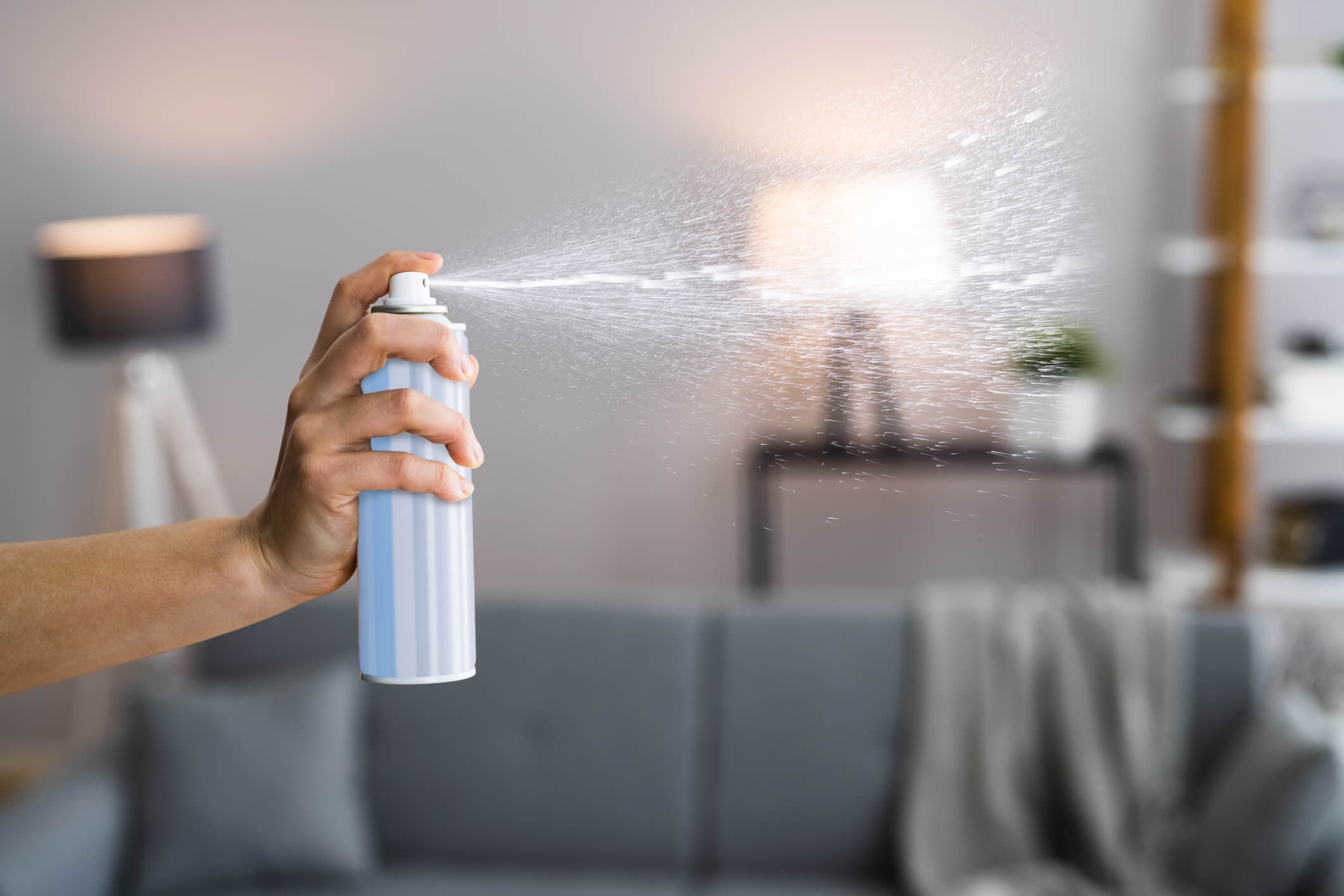
Have you read the labels of spray fragrances?

The primary chemicals enable the product to spray and release from the can.

They commonly include hydrocarbons like propane, butane, and isobutane. All of these are not good to inhale. They are needed to be able to “spray,” but not needed in a clean house. Some of these chemicals can cause an allergy “to be home.”

Who decided that your home had to smell of fragrances?

Clean does not smell. Clean does not have an odor. Your home should not “smell.”

I can’t help but wonder why advertising makes us believe that our son’s room will smell bad? I raised two boys, who shared a room. There never was an odor?

Fragrances can contain many harmful chemicals, including phthalates, parabens, styrene, musk ketone, methylene chloride, limonene, and acetaldehyde. These chemicals can cause health problems and damage the environment. These chemicals can create havoc as we breathe them in.

Let’s look at cleaning products.

You can smell chemicals when you walk down the cleaning aisle at the grocery store. That aisle definitely has an odor. And it really is not a health-friendly or earth-friendly odor.
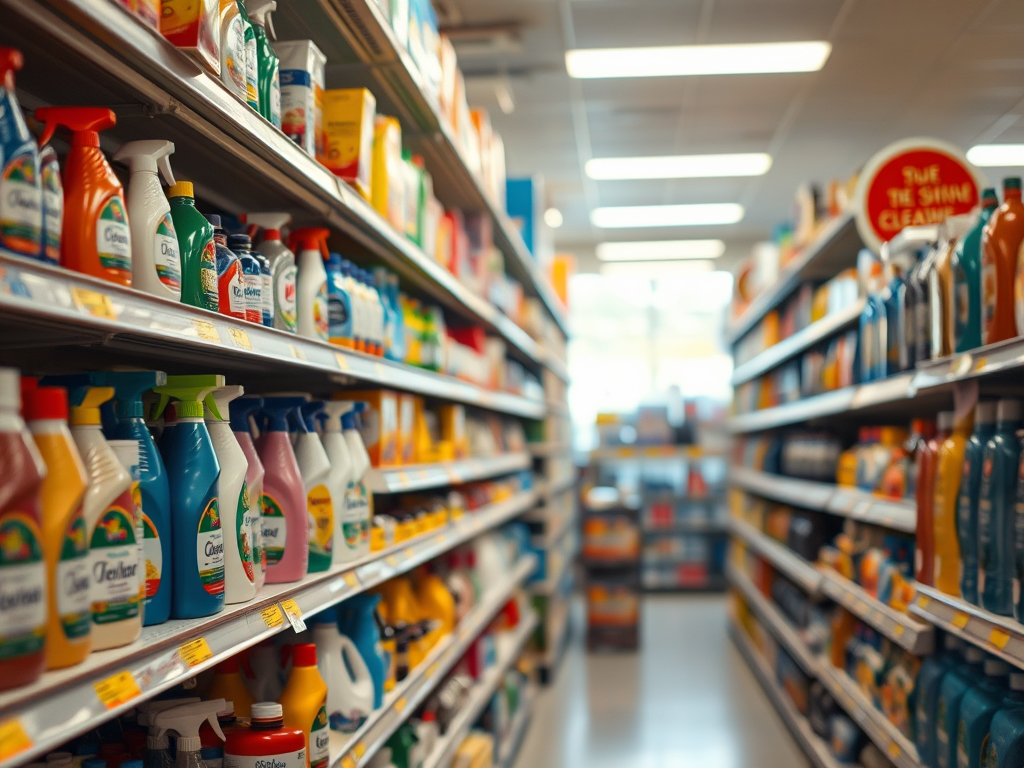
I wish there was an odor down the cookie aisle!
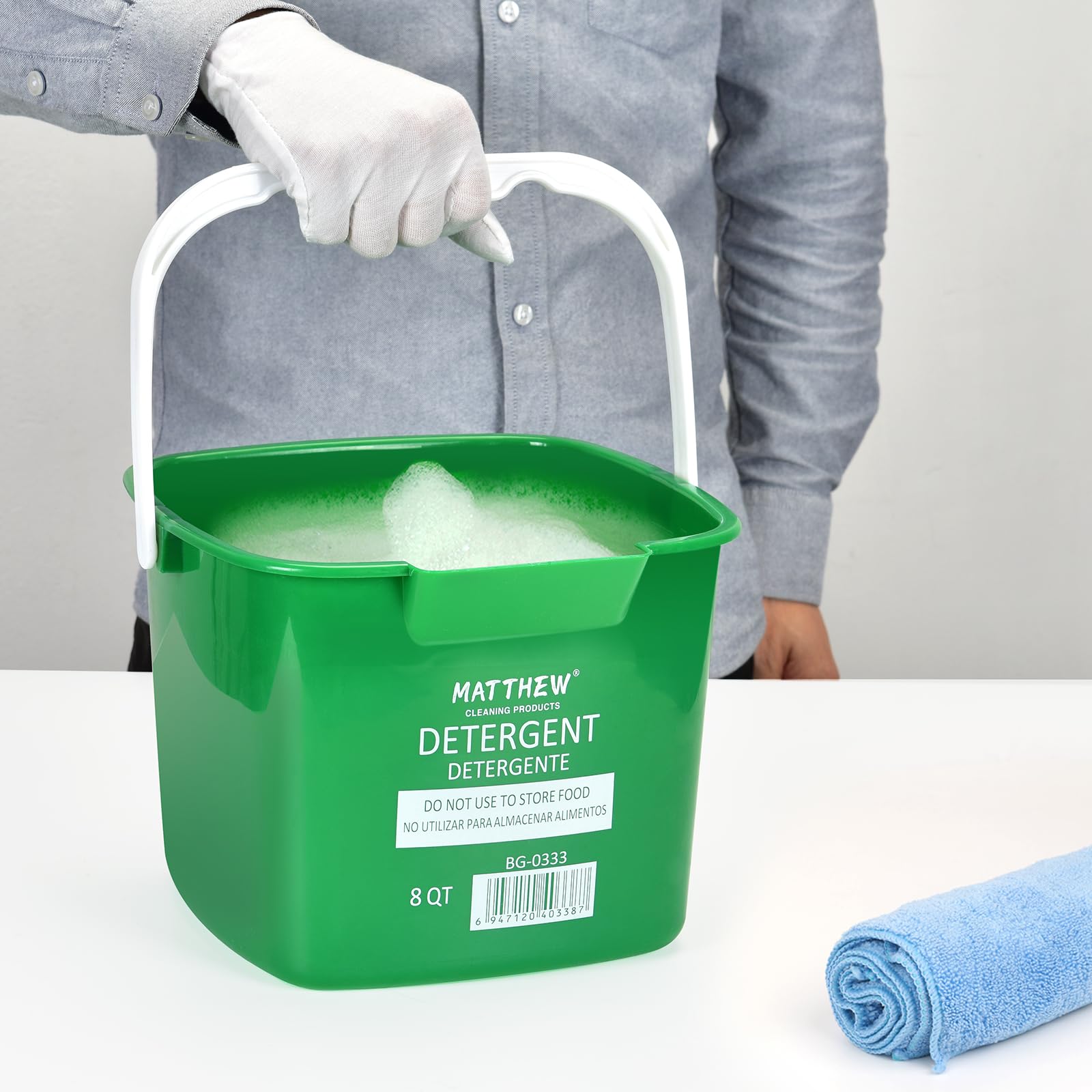
Do you fill your pail with your favorite smelling cleaning product and water? Then did you dip your hands and cloth into the mix?

What did your hand feel like afterwards? Did your hands sting or feel very dry? Does cleaning create a rash or burning sensation if you don’t use gloves?

Do your hands feel sore after cleaning? Do they need lotion? Are your hands a bit red? Do you HAVE to wear gloves?
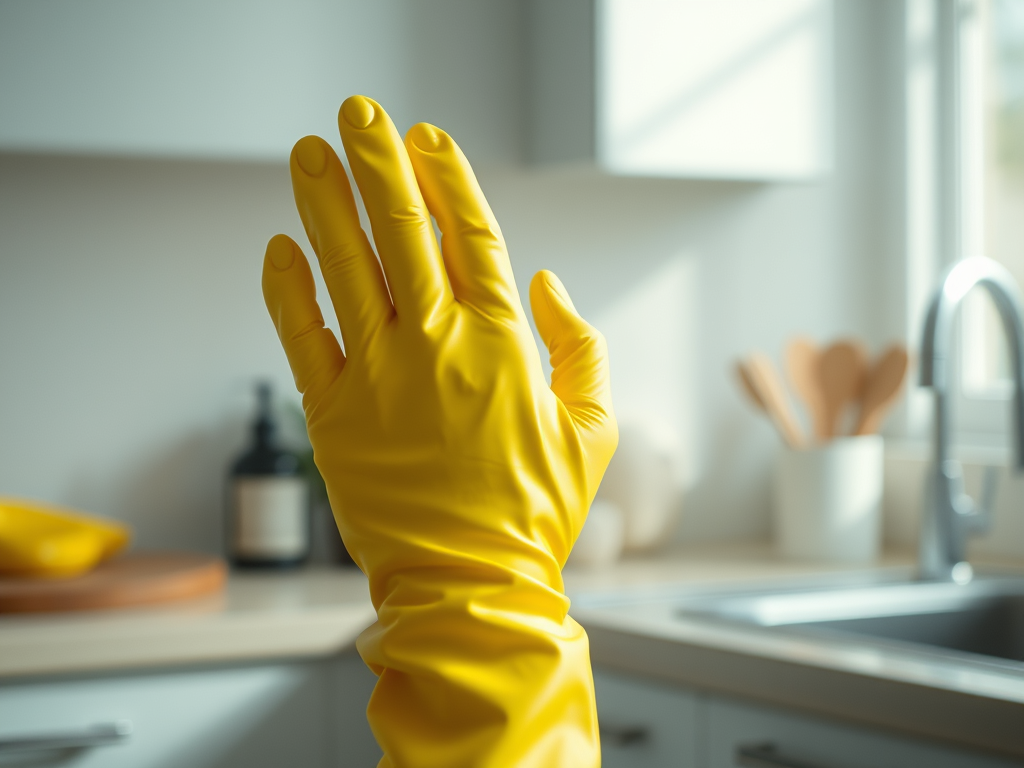
The NEED to wear gloves should be an Huge indicator! There is something in that bottle, now in suspension in your cleaning pail, that is not good for you. Why would you have to put a layer of rubber between your hands and the cleaning agent?

To make things Clean, wouldn’t you want no chemicals? How can it be clean if the surface contains chemicals? You will absorb them by touch but needed gloves to put there?

How do these Chemicals get into the water supply?

When you are cleaning, you grab what is familiar for the job and fill your pail. Once the job is done, what do you do with the cleaning agent?
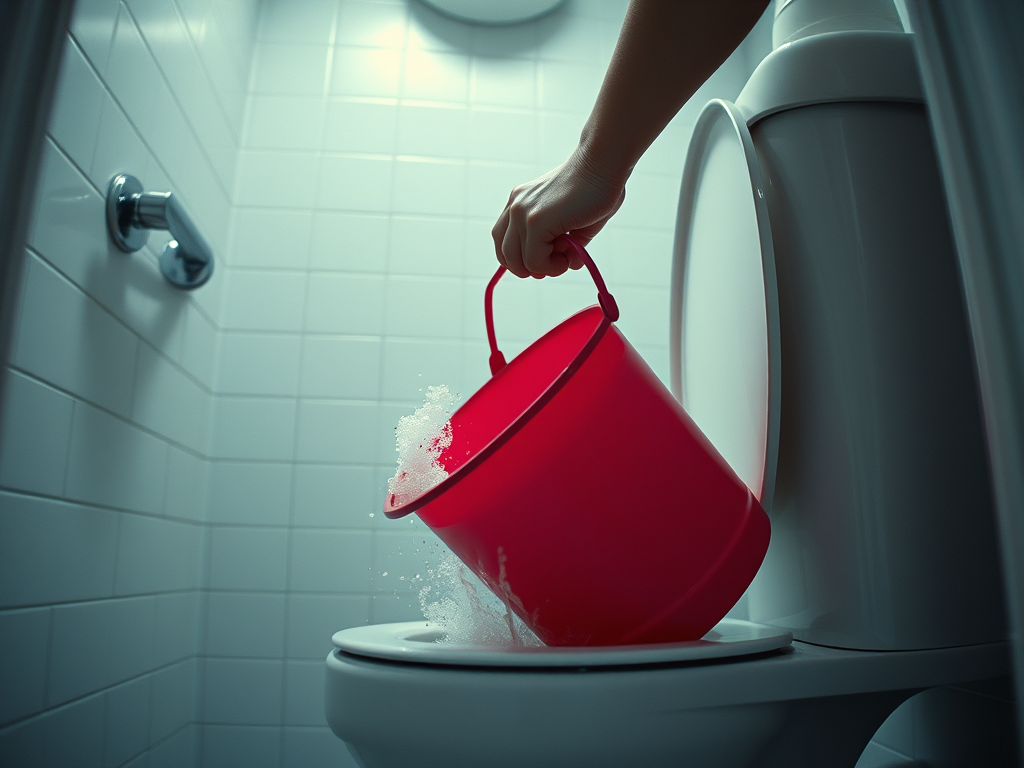
You dump in down the drain or the toilet.

What happens to that bucket of cleaning solution, that you needed gloves on to work with?

Some chemicals cannot be filtered out by your city’s water treatment plant. They end up back in your water supply. This in turn will affect the wildlife and farm animals that drink it. Agriculture will also absorb those chemicals as they are now in the soil.

Endocrine Disruptor:

Are you aware that there are common surfactant cleaning chemicals that are an endocrine disruptor? That means it causes adverse reproductive effects for those in contact or exposed to the polluted water.

Frankly endocrine disruptors frighten me. They can affect fertility today. They can also affect future generations.

Phyhalates and Triclosan are two that are not human friendly.

We read that Triclosan is slowly being discontinued as research for adverse effects becomes more known. It used to be in hand sanitizers, but was removed.

Phthalates are common in air fresheners, and laundry products (part of fragrances). They are now also found in all water sources including rainwater.

Phthalates cause severe reproductive and developmental disruption to aquatic organisms such as bacteria, algae, crustaceans, insects, and even fish.  We have not used it long enough to see what it does to humans.

We Need to be Educated! Future generations are depending on us.

Look at OSHA (Occupational Safety and Health Administration) for guidance:1

OSHA states:

“Many factors influence whether a cleaning chemical will cause health problems. Some important factors to consider include: (These factors will help to determine what cleaning product is needed. You may only need just soap and water.)

1.Look at the chemical ingredients of the cleaning product. (When was the last time you read the label on your favorite cleaning product?) Make yourself familiar with chemicals you don’t want in your home.

2. How the cleaning product is being used or stored. (There are some products that should not be stored inside your home, let alone under the kitchen sink. If the chemical should not be stored under the sink, what is that indirectly telling us? )

3. Do you open windows when you use cleaning products? Is the bathroom, especially the shower area, well-ventilated when you clean? Ventilation is VERY important with the use of chemicals. (Again, does this mean you can’t inhale it?)

4. What happens if the undiluted chemical is spilled or splashed? (Will it remove paint or finishes from wood?If the chemical removes paint or finish what will it do to your skin? Oh dear!)

5. What happens if the undiluted chemical comes in contact with your skin? (Will your skin be affected? Oh dear!)

6. Are there mists, vapors, or gases released? (This would apply to aerosols. Aerosols are meant to be inhaled. What is it that is going into your lungs?)

These are scary questions. You can find some of these warnings on the labels. Are you paying attention to them?

Do you read the label as to what you can and Cannot mix together? ( Bleach and toilet bowl cleaners are one!)

OSHA recommends:

BEFORE you clean: determine what is needed for the task. Does it need just a thorough cleaning? Does it need to be disinfected? Not all surfaces need to be disinfected every time you clean it.

You may only need soap and water to clean that spot.

When you get into disinfection, you need to read labels.
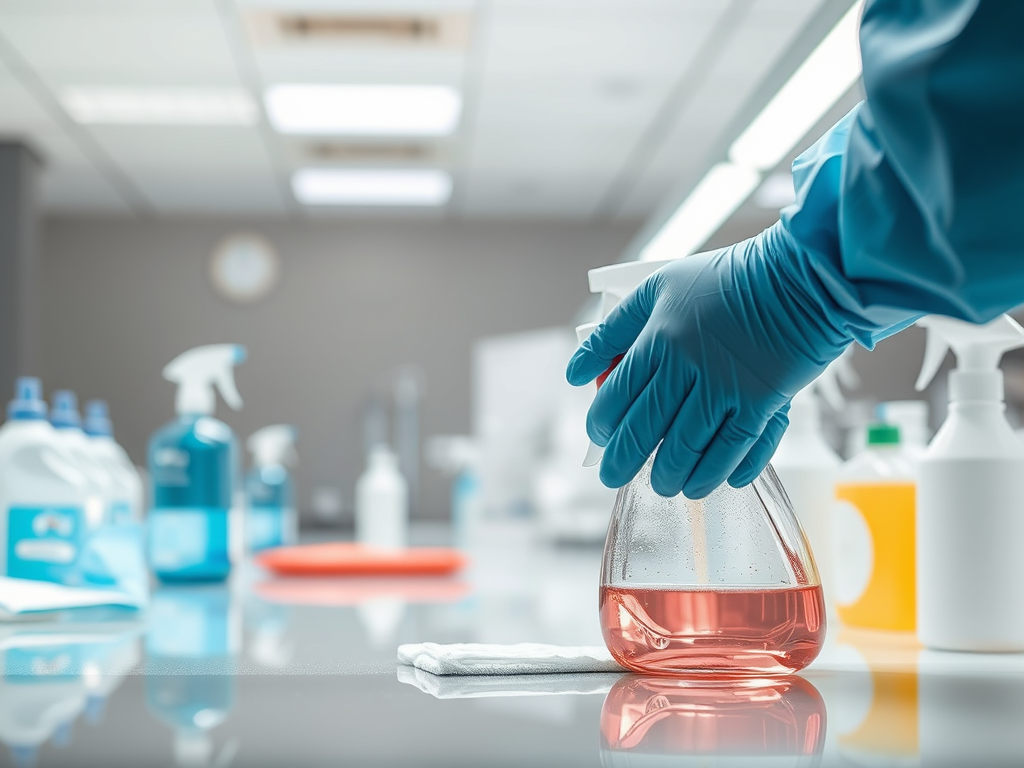
If a cleaning product is listed: “anti-bacterial” you need to read more and check the ingredients.

If the cleaning product says it kills bacteria, fungi, and mildew, it will also kill algae. Algae is an important element in our water ecosystems and food chain. We sure don’t want our bucket of cleaning product to upset the Food Chain!

Be very careful with disinfectants and especially their disposal. Do your research.

It says: “Green!”

Are you aware that just because it says “GREEN” on the label, it does not mean it is safe? It also does not mean it is chemical free. The word “Green” can be a marketing word.

Marketing can be very misleading. We need to be aware.

Certified Green Cleaners must meet specific criteria as defined by the certifying organization. This is where it becomes quite scientific. A certification, with the certifying label, will indicate whether it has been thoroughly tested.2
This certification will also let you know whether the product is safe for inside your home. Look for a certification label on Green products.

Using Certified Green Products will not only protect your family’s health, but also the environment. Seventy percent of waterway pollution comes from toxic chemicals. 3

What can I use for a cleaning product now?

For general all purpose cleaning: Mix 1/2 cup of vinegar with 1/4 cup of bicarbonate of soda (baking soda). Add 2 gallons of water. This will be a great home-made all purpose cleaner. Now you may have a vinegar smell to contend with, but it is not an unhealthy dilution.
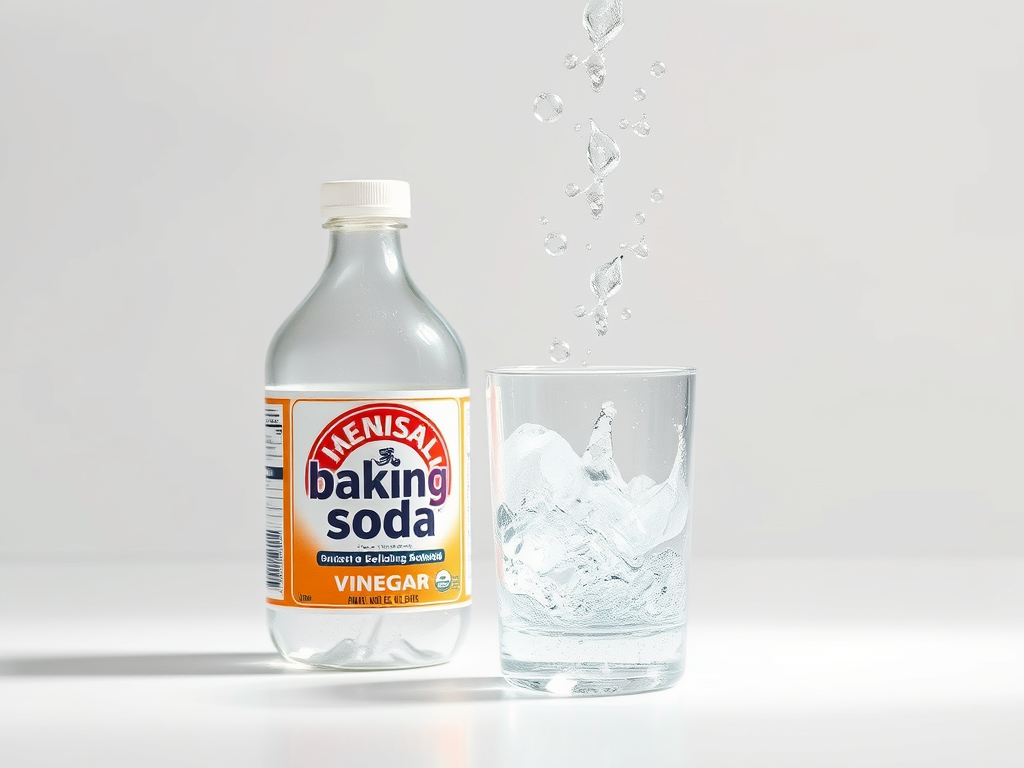
Vinegar and baking soda will work on most surfaces. Most surfaces.

Do Not Use Vinegar on wood surfaces, stainless steel, in irons, and garment steamers. Avoid using it on grout between tiles, inside your washing machine, electronic screens, egg spills, or stains. Do your research before assuming vinegar is your safe all-purpose cleaner. 4

Remember that vinegar will not disinfect.

I choose a certified Green Clean Company.

I would be remiss with this blog if I did not conclude with a recommendation. I’ve done my homework. Fifty years of cleaning my home has led me to one company.

I choose the Shaklee Corporation’s cleaners for my cleaning needs.

Shaklee was one of the very first Earth Day products.5 They are deeply involved in deep ocean explorations and even clean the explorers ships. (To me, that says a Lot!)
Shaklee’s Basic H2 is an all purpose, natural cleaner for all surfaces. It is ph-balanced and is in a concentrate.

Using a different solution, I can clean windows, floors, counters, doors, and even bathe my children in it. What I found amazing is that after a bath, it does not leave your skin dry. You won’t feel like you need a lotion.

I do not have to worry about special products for special surfaces. It is an all-natural all-purpose cleaner. Nature does not harm.

I remember camping in the 70s when we all became aware of chemicals in cleaners that were not our friends. My family was not allowed to bring dish wash detergents into the park. What to do to clean after meals? I was glad I had Basic H.

It was at this time I learned about natural cleaning products. I discovered that cleaning products can be safe for nature. They also do not harm the health of my family and myself.

I, also, learned about the negatives that cleaners can do to our bodies, our homes, and our children.

Once I did the research, it was an easy switch for me.

I cannot eliminate all the toxins in my home. It is not just carpets, but also furniture, cabinets, flooring, paints, etc. I think we’d have to live in a stone house? I have a feeling it would be quite cold in the winter!

What I can do, is to switch cleaning products to a company that puts Nature first. At the very least, this will help to improve the air inside my home. Good laundry products will also help with allergies. Good natural cleaning products will also make the cleaning person happy!

I did the research and I chose a good product line.
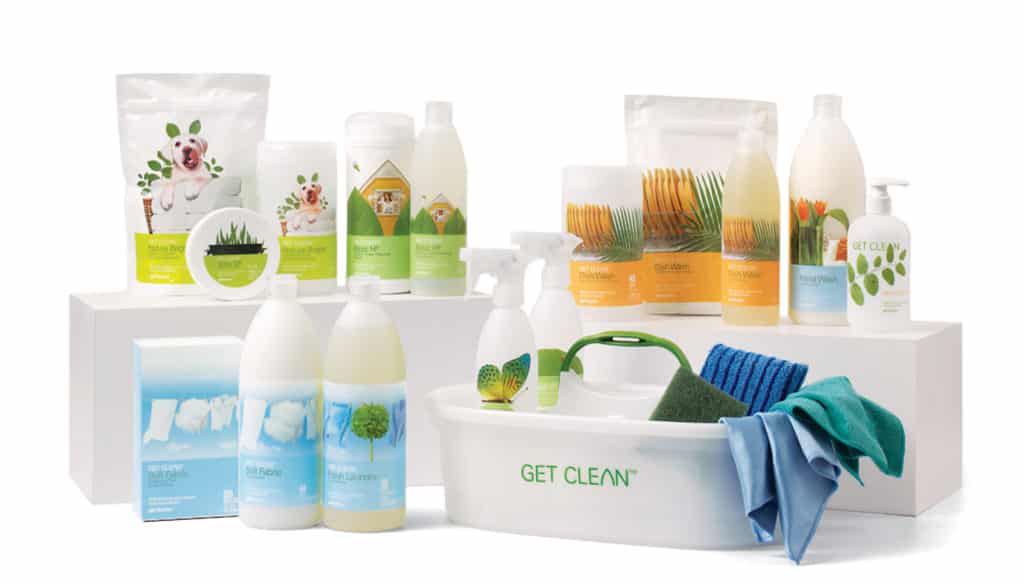
I strongly recommend the Shaklee Corporation’s Get Clean line of products that also includes laundry.

And I can state: they work.

Take your health seriously. You are the one to decide what is healthy for your family.

https://wellness.maryjessen.com

References:

  1. https://www.cdc.gov/niosh/docs/2012-126/pdfs/2012-126.pdf ↩︎
  2. https://www.epa.gov/greenerproducts/buying-green-consumers ↩︎
  3. https://blog.remoovit.com/2023/01/11/environmental-dangers-in-cleaning-products/ ↩︎
  4. https://www.goodhousekeeping.com/home/cleaning/a62330960/things-you-should-never-clean-with-vinegar/ ↩︎
  5. https://wellness.maryjessen.com/ ↩︎
Importance of Breakfast: Tips for the Most Important Meal of the Day!

What do you usually have for breakfast? Coffee? Tea? Toast? Cereal? Fruit? Juice? Is breakfast a “sit-down meal” or a grab on the run out the door? We all are in such a hurry!

According to polls a normal breakfast can consist of the picture below:

Now I have to say that egg sandwich looks yummy! Bacon and eggs on a muffin! And with cheese!

But one has to be in a car to indulge. And we can see that there is a whole lot of fat in/on that sandwich. So maybe not a good choice?

I’m betting Eggo Waffles are a great favorite, and easier to serve and eat!

I like the taste of Eggo Waffles! A friend of mine tasted a whole lot of gluten-free waffles. Her body needed gluten-free. What she tasted was “awful!” She decided that she would still occasionally indulge in Eggo Waffles as they are the best frozen waffle! Even though she would have to do with a tummy ache after! Crazy!

I’m betting there are a lot of kiddos that start their day with an Eggo waffle. Hopefully, they will also have a glass of milk!

What happened to breakfast cereals? Especially a hot cereal? What has happened to sitting down for breakfast? Our lives are “on the run!”

Breakfast is the most important meal of the day.

It literally breaks your “fast” from the day before. I’m sure you have heard of a “Fasting” group that says you can lose weight this way! But is it any different from what we all do?

Most of us choose to eat supper between 6:00 and 7:00 p.m. Most of us do not eat afterwards. Thus begins your body’s fast time.

Seven o’clock P.M. to seven o’clock A.M. is 12 hours of fast and no food or drink. It does help a lot that we all are usually sleeping during this time of no foods!

Why is it important is that we Break the Fast with nutrition?

Importance of breakfast: Eating breakfast is considered important as it replenishes your body’s energy stores after a night of fasting.

Can Eggo Waffles do that? Upon review of the package, Eggo leaves out a lot of nutrition. It is high in calories and high in carbs. Low in proteins.

There are 195 calories in a 2 waffles: a serving size of KELLOGG’S EGGO Waffles, Homestyle. The calorie breakdown is 34% fat, 57% carbs, and 9% protein.

For a child starting the day, the ingredients guarantee “the wiggles.” They promise giggles as the morning goes along. Or maybe lack of concentration?

As we sleep, our bodies are still at work, digesting foods from the previous day. Yes, there is still food in your stomach when you hit the bed!

By morning, your blood sugar is low. Your blood sugar is the power for your body’s muscles and brain. Breakfast replenishes this.

If we miss or short-change our “break the fast” meal, our body begins to tap into our energy reserves. These reserves can be stored in our muscles. Not a good way to start the day.

Your whole system becomes stressed. Skipping breakfast or short-changing breakfast throws off our circadian rhythm! This is the built-in clock that runs our days and nights.

For children, meeting the metabolic needs are greater than for an adult. Remember a child’s body is in the “growing mode.” Nutrition is important.

Statistics show that 20% of American children don’t eat breakfast; 32% of adolescents skip breakfast.

I struggle with expecting children to sit quiet or study when their “tummies” are rumbling. It’s also hard when they are full of sugars and sugar “wiggles.”

Skipping important nutrition in the morning can affect learning, increases the risk of obesity, diabetes and heart disease. This can be said as those who eat breakfast are normally healthier all around than those who skip.

Our children are experiencing obesity and diabetes at early ages.

Putting some good protein and fiber into your stomach in the morning can actually help control appetite throughout the day. Remember it takes hours for food to be processed throughout the body.

A good breakfast could be a nutritious cereal. Did you know that statistics show the average American child will see approximately 758 breakfast cereal advertisements each year?

Most breakfast cereals advertised or available in supermarkets are either high in sugars, low in proteins, and low in nutrition. They are sold based on flavors. And we all like sweet and crunchy!

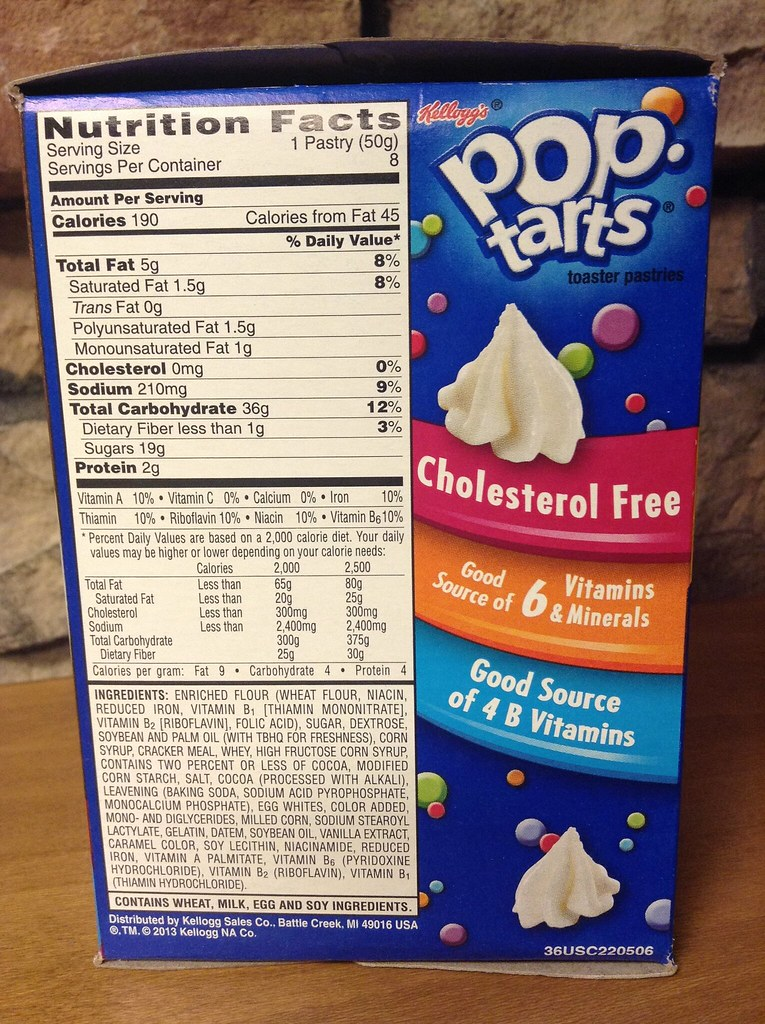
Another great kid’s favorite: Kellogg’s Pop Tarts. Pop Tarts are very low in nutrition. High in sugars.

Oatmeal has it’s advantages, but most have to be cooked. And that takes time. Be careful of sugar-free Oatmeal as it has chemical sweeteners in it instead of cane sugars. I don’t want the chemicals. I’d rather deal with cane sugar.

Carbohydrates get a bad wrap, but they do belong at breakfast. Whole grains are the best carbohydrate in the morning. Whole grains digest slower, moderate blood sugar peaks, and supply nutrition.

My choice: My suggestion:

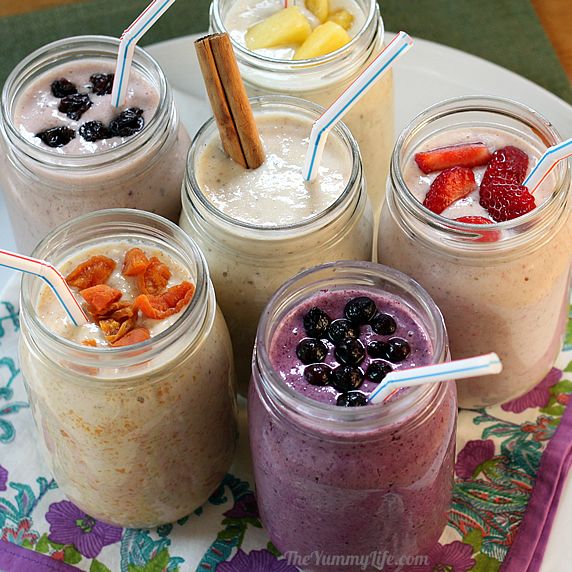
A Breakfast smoothee of milk, protein powder, and fruits and vegetables. Create at dinner time, and refrigerate. It can be made ahead; zapped in the blender in the morning, and provide the best nutrition for your body.

There are endless possibilities of flavors. And Colors with fruits and veggies! After a remix, pour the Breakfast Smoothee into a traveling mug. Then, head out the door with great nutrition for the day!

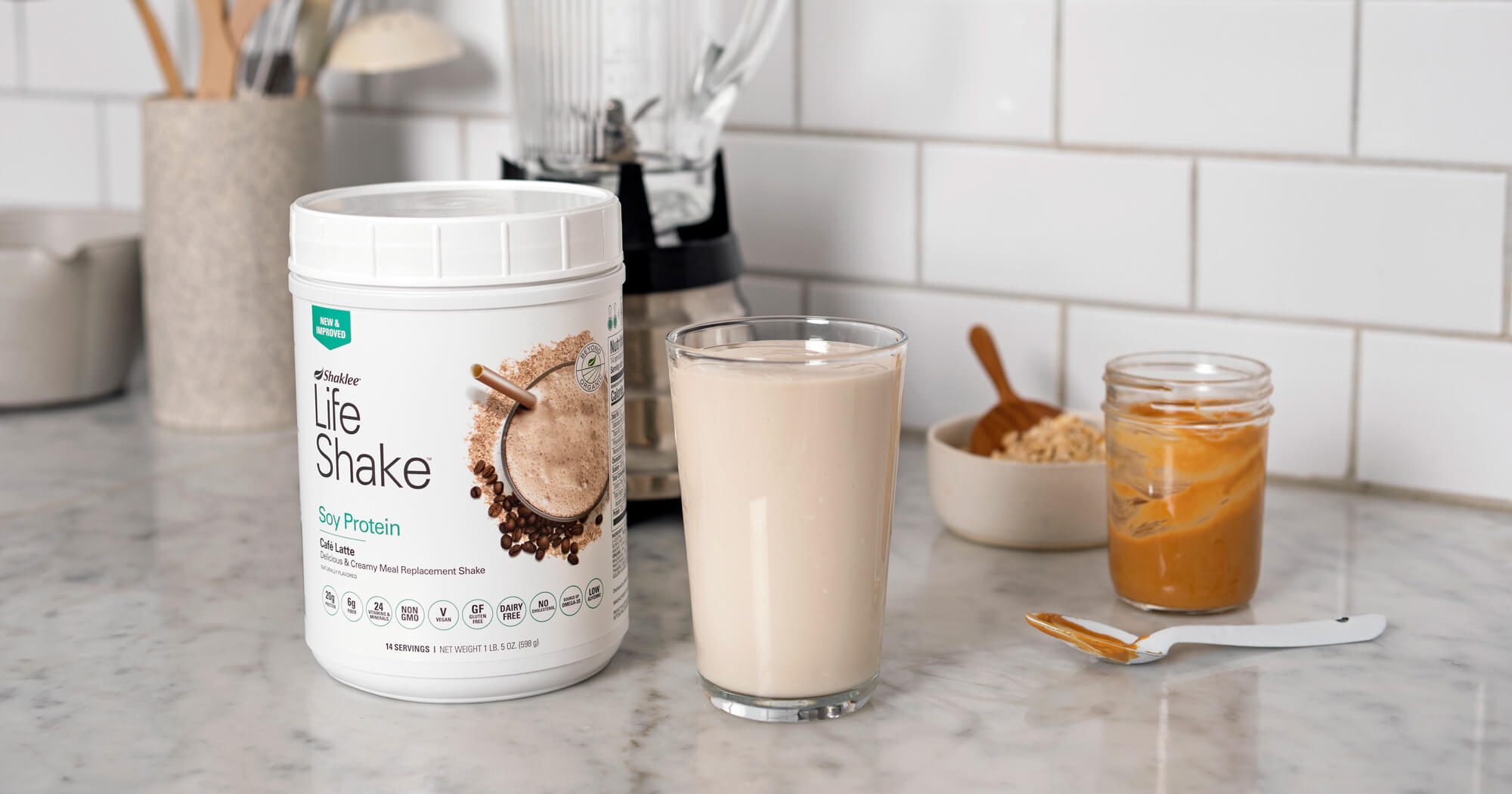
I personally like the Shaklee Cafe Latte Life Shake, and I add it to my morning coffee! If I have tea, I may add the vanilla flavor Life Shake or the Strawberry? I add fresh fruit (a banana) to my meal, and I’m all set!

Nine Tips for A Good Breakfast:

  1. Learn to read labels. Don’t buy breakfast based on the TV add. Choose your food wisely. I also feel that a good breakfast keeps the doctor away! Meaning good nutrition does pay off! Wellness does make cents!
  2. Look for whole wheat, oats, rye or other whole grains listed in the FIRST ingredients. You can always add fruit to sweeten. (I do like Oatmeal, and especially Steel Cut Oats! and I can find them Instant!)
  3. Do you know your coffee drink! A local drive-through coffee may have a lot of sugar added for flavors. Starbucks coffee contains 470 calories, 12 grams of unhealthy fats, and 59 grams of sugar! I flavor my coffee with a protein powder. The disadvantage of the powder, is I have to stir it more often. But I can do that! And again lots of flavors to choose from!
  4. Make processed meats such as bacon or sausages an occasional treat. Processed meats have been linked to colorectal cancer (even for young people), heart disease, and type 2 diabetes. Use bacon as a family breakfast on the weekend.
  5. Do not use processed meats, such as bacon or sausage, before physical activity. This includes when you or your child are exercising or playing ball after breakfast. Processed meats are hard to digest and can easily create stomach issues with activity. If you are looking for protein add an tofu or yogurt. Left over meat from dinner the night before can also be served. Beans and rice are a good source of protein.
  6. Serve Eggs in moderation. Eggs are high in cholesterol, but do have proteins, vitamins, and nutrients.
  7. Go easy on fruit Juices. Whole fruit is better as it adds more fibers. Many fruit juices are high in sugars.
  8. Eat IN, not OUT. Breakfast offerings from Fast Food places are high in Sodium, and low in fibers. Its the sodium that really can affect the rest of the day; and you will retain fluids.
  9. Lastly: blend up a Breakfast Smoothee. Combine whole fruits, yogurt, tofu, vegetables, and protein powder with milk, water, or a small amount of fruit juice. A Breakfast Smoothee can be very tasty!

Let’s get Particular!

You know I’m a Health Coach. You know I am a bit biased as to what I think is a good product. If you don’t want to read more, this is the place to end.

If you do want to find out why I am so choosy, then hang in there.

Why Shaklee? Why not some other brand?

I choose Shaklee because of it’s science and it’s dedication to Nature. How can a company produce products with chemicals and then say that they believe in Nature?

Shaklee is all about Natural. 100% pure. No pesticides, fungicides, insecticides. All the ingredients are naturally safe. Or they reject it.

Shaklee Cares:

One way Shaklee is making an impact is through its nonprofit, Shaklee Cares. I can enjoy the good health of Shaklee supplements, but what about those who can’t afford it?

Shaklee Cares provides direct support to families in need. This shows the company’s commitment to doing good.

Shaklee Cares was started in 1992 to assist its customers who were victims of Hurricane Andrew. It has since developed into a general emergency relief fund. This fund has made grants of more than $650,000 in support of 150,000 families.

Roger Barnett, Shaklee’s President, says that a Shaklee ambassador often help their customers apply for the funds. Sometimes, the ambassador even applies on their behalf. “So, if they say they need it to buy an emergency generator, we get it for them” says Barnett. If they need it “to get food for their family, we give it to them.”

I was very happy to be able to help a customer in Puerto Rico! Shaklee does care!

Vitamin Angel

On the 25th anniversary of Shaklee Cares, Barnett says he wanted to rally people around the future. To him, this meant two things: kids and the planet. To do this, the nonprofit began partnering with two organizations. Shaklee Cares makes donations of prenatal and children’s vitamins and other nutrition products to Vitamin Angels.

Vitamin Angels is a special program. It helps children all over the world have access to nutrition.

True Wellness:

“Shaklee’s purpose and mission is to bring true wellness to the world. Shaklee defines true wellness as physical health, financial health, emotional health, and the health of our planet. You cannot be healthy if you don’t have all of those elements,” quote Roger Barnett.

What is Shaklee quality?

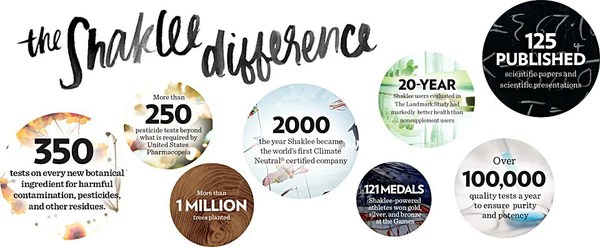
Shaklee Corp. conducts over 100,000 quality tests a year. This ensures that Shaklee products are 100% safe for you and your family.

At Shaklee, they screen for over 350 contaminants, pesticides, and impurities on every new botanical ingredient. Shaklee makes products that are gentle on the environment and they never test on animals.

I do not know of any other nutritional supplement company that does this.

What makes Shaklee nutrition so good:

The Landmark Dietary Supplement Study was conducted by UC Berkeley on behalf of Shaklee Corporation: (but not paid for by Shaklee.) (This is a big difference as many “studies” are paid by the contracting company. The results can be quite biased. )

  • Study participants The study invited about 1,200 people who had used Shaklee supplements for at least 20 years to participate. Of those, 435 completed online questionnaires. 
  • Study methods The study used a cross-sectional design, with participants completing online questionnaires and undergoing physical exams. 
  • Study findings The study found that Shaklee supplement users had better health than non-supplement users, with lower levels of cholesterol, triglycerides, homocysteine, and C-reactive protein. 

Shaklee scientists have published over 100 scientific papers and presentations, including the Landmark Dietary Supplement Study. 

I like those numbers.

The other recommendation was NASA and their use of Shaklee supplements. The need for good solid health/food products for the space program.

Shaklee started working with NASA in 1993. They provided a customized version of the rehydration beverage, Performance. This was called “Astroade” at the time, and used by NASA Shuttle astronauts. Today this hydration product is part of the Shaklee Sports line.

(Yes that is Senator/Astronaut Mark Kelly!)

NASA continued using Shaklee products until the end of the NASA shuttle program. However, many space astronauts continue to use the supplements.

Hydrate is used by many Olympians. They have to be very careful with the ingredients of products they ingest.

I choose to buy Shaklee products. And one of my favorites is their Life Shake.

Illustrated is their protein Life Shake. It is available in whey, pea protein and soy protein. Life Shake comes in many different basic flavors with seasonal flavors to widen the choices.

Have you ever purchased a supplement product and then questioned your purchase? I have. I got frustrated with the cost of the product I purchased at Cosco, so I stopped taking it. There was no change. My body did not react to the difference. Why was I spending the money?

I’ve done this with Shaklee supplements (tried to go without! Do I really need this?), and my body will let me know if I forget too many times. I can actually feel the difference. This translates into “getting my money/health worth!

Back to Smoothees and Life Shakes:

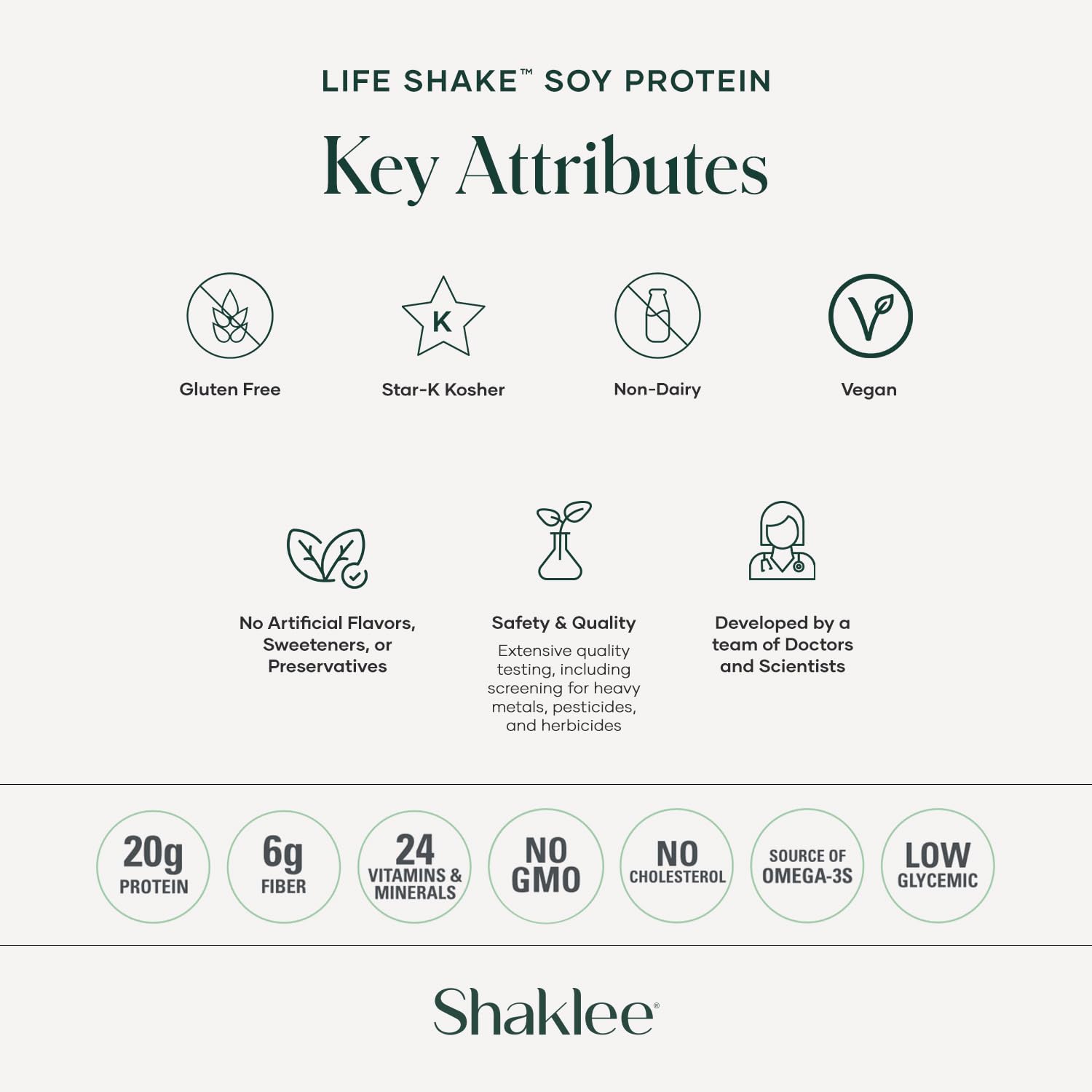
Non-gmo, gluten free, vegan available, keto-friendly, kosher are all the ways Life Shake is available. It contains 23 Essential vitamins and minerals clinically proven to support heart, brain, vision, bone, immune and overall health.

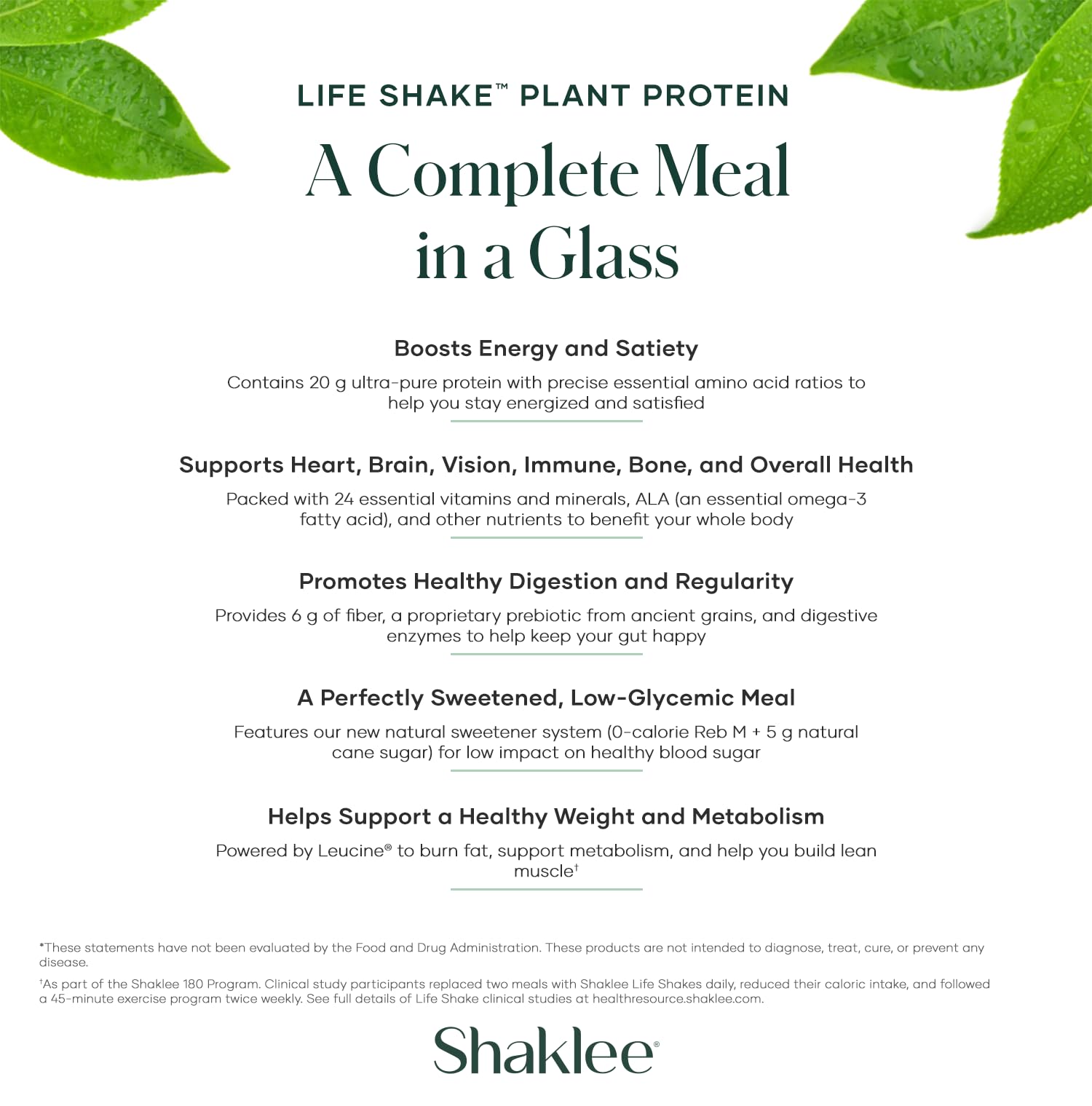
The Life Shake also includes 200 mg of Calcium plus ALA, an essential omega-3 fatty acid. It is powered by Leucine to help you build lean muscle, burn fat, improve metabolism, and reduce cravings.

I believe the reduction in cravings is Life Shake is satisfying my body’s needs.

Have you ever had a craving for a particular food? I want something sweet, or juicy, or crunchy? Sometimes this is your brain asking for what it needs: glycemic index too low, need fiber? I’ve noticed this as to wanting ” something salty” when I’m working hard and perspiring!

I like to add leafy vegetables to my shakes. I have to be in the “mood” for a green or orange colored shake. They are a nice change and can be quite tasty. (For children: green can be fun! and if it tastes of oranges or strawberries, it is even better!”)

I include fresh fruits, (although there may be a bit of chewiness with fresh fruit. If you don’t want “chewiness” use frozen fruits and vegetables.). I also use different kinds of milk. (When you digress from cow’s milk, read the label for calcium and vitamin D. Sometimes this has to be added. Is it by chemicals?) I have added water when I travel, and it is just as tasty (the flavor is not diluted).

You can also add more fiber, by adding oats. Letting the smoothee set overnight in the refrigerator will make the oats softer. Just reblend in the morning.

Breaking the Fast:

Breaking the fast with a good nutritious breakfast is important. I suggest smoothees as many times time is of the essence when it comes to especially morning meals.

Which Shake to choose? Choose a Life Shake with the most nutrition and one that will enhance the day ahead!

Start your day right! Break the Fast with Good Nutrition. Check out the nine tips for a good breakfast. And enjoy the Day!

https://blog.maryjessen.com/

References:

https://www.health.harvard.edu/staying-healthy/breaking-the-fast

Understanding the Risks of Mixing Supplements and Medications

Many of us choose to buy vitamins and supplements. We may feel that our health needs a “boost.”

Or we may have read an article that suggested we try a particular vitamin for our “problem.” Facebook may have provided a suggested cure for our concerns.

We are eager for good health. We all want to look good and feel good. And we really don’t want to do all “that work!”

What is the purpose of a supplement ?

Supplements have their advantages. People take supplements to help maintain or improve their health by ensuring they get enough essential nutrients. 

Some people who may benefit from supplements include pregnant women, people with osteoporosis, and vegans.

Vegans or those on limited diets should talk with their doctor. Those who restrict their diet may need a specific supplement. Your doctor will advise you if you are missing a needed nutrient from your diet.

As we age, we look at supplements as our appetites dwindle. With age sometimes there is a greater need for particular supplements. (I take joint supplements for aging joints.)

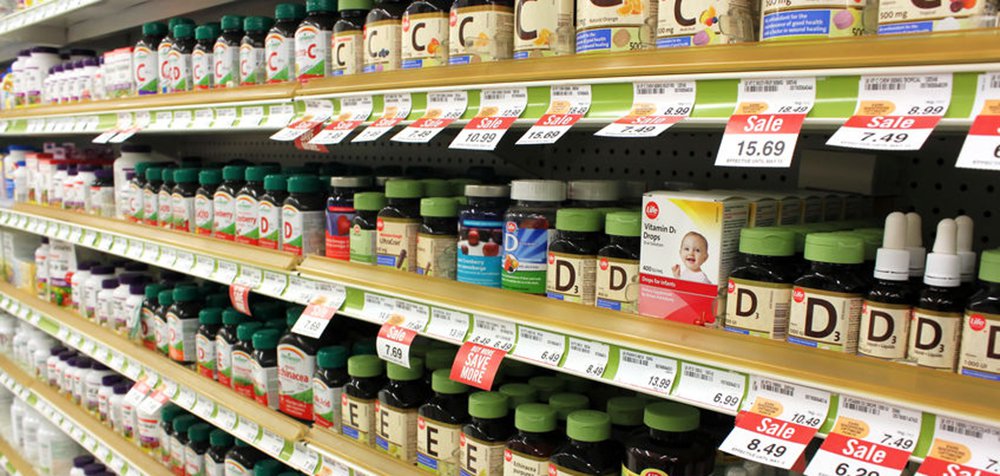
We take some supplements to improve our immunity, especially in the dark days of winter. Vitamin D3 is one that is popular.

Supplements are meant to do just what the word says: supplement a good diet.

But First, you must have a good healthy diet.

Do we choose a supplement to fix a broken diet? Do we choose a supplement to “make us well?”

Is it easier to pop a vitamin than to eat healthy? That would be so nice.

Are you depending on your supplements to give you good health? Are you finding yourself adding more bottles of supplements each time you shop? Do you find yourself relying on them?

You could save yourself a lot of money by looking at and enriching your daily meals. Supplements can be expensive.

We have talked about the need of good home cooked meals. We have shown the Food Rainbow1 and the Carbohydrate Wheel. 2

By now we know that creating good health has to start at Home with Home-Cooked meals.

And home-cooking is a lot cheaper and, most times healthier, than even a drive-thru. You just need to take time to prepare. Explore new menus. Try new flavors. Eating at home can be quite “yummy!”

Always make a shopping list. Then, plan the time to prepare the meal. Many times meals can be made in larger quantities that allow “planned-ahead” meals. I love this! I always try to make “planned-ahead” meals! Besides it stretches the food budget! And it is easy to pull a favorite out of the freezer when I’m too busy to cook.

(If you need help with planning ahead, this is where a Nutrition Coach like myself comes in. I can help you plan ahead. Save money and time. I have years of study and years of cooking for a large family on a small food budget.)

We know that good eating also needs to have exercise. It is through exercise that we help our body utilize the nutrients we have eaten. It all works together.

Are you tempted to buy another supplement based on advertising? Do you feel your diet is full of too many fast-food meals or restaurant meals?

It is easy to find a supplement as they all promise that they will make us feel wonderful. And sometimes, the more we take, the merrier! Consumers think: “I’ll add this as it does that.”

You may not realize it, but you can quickly consume many bottles of vitamins. These supplements add up fast in numbers. The cost can also add up fast.

Each bottle promises good health. Some work well together; and some do not.

You may find yourself spending a lot of money on promises. And perhaps adding supplements in a larger doses than needed.

Talk with your doctor or a nutritionist. A Nutrition Coach can help with the timing of when to take your supplement or vitamin.

You are aware that dietary supplements are not intended to treat, diagnose, Prevent, or Cure diseases. We take them to do just that: to supplement a good diet or to add what our doctor recommends.

Supplement companies want sales!

Supplement Companies want us to believe in their instant health solution by purchasing their over-the-counter products.

Drug Companies try to convince us that even with a bad diet, their pill will make you healthy.

Advertising is powerful. Advertising does not look at diet needs or personal health safety. Advertising is not personal. It is all about sales. Advertising is not about YOUR health.

Prescribed drugs are regulated. But Nutrition Supplements are Not. Be informed.

Drug companies have to go thru costly medical trials. The drug has to pass through many educated hands and scientific tests before it gets to the market. This can take years of investigation and study.

Supplements only have to undergo clinical trials and provide data that they are safe. Some clinical trials are purchased by the manufacturing supplement company. Will the test be accurate if paid by the supplement company? Look for independent clinical studies.

This testing of supplements only controls the supplement manufacturer from making false claims. But it does not stop them from stretching the truth. It also does not test the ingredients for purity?

It also does not stop some supplement companies from adding unnecessary ingredients or cheaper ingredients and then boosting the potency. Higher potencies look better. But most times they are NOT.

An example of supplements that don’t always work as promised can be found in probiotics. There is a wide range of probiotics on the market. Probiotics are being added to many different drinks and products.

Some can get through the digestive tract, most cannot. This means that the probiotic never gets to where it is needed.3 It still is a probiotic. Just not one that does not work where it should. Much research is needed on probiotics.

All good intentions of a supplement or additional vitamins can add up to being healthier. However, they can contradict what your body really needs right now.

When we see a doctor, we are trusting their knowledge.

We go to the doctor when we are ill. We go to the doctor when something is wrong. In some cases the doctor prescribes a medication that is scientifically developed to help the body heal. This prescription has gone through rigorous testing for it to be good, and for it to work!

Did you volunteer the names of the supplements that you have purchased and are taking when you saw your doctor? There should be a list in your doctor’s medical files.

Vitamins and Supplements can interfere with medications. Your doctor will recognize that.

Supplements and medications do not always mix.

That handful of pills you take each morning, needs to be shared with your Doctor.

There are many medications that have adverse affects with adding over-the-counter vitamin/mineral/herbal supplements. Be especially careful of herbal supplements.

Be mindful of mixing prescriptions and supplements with your children: Children metabolize substances different at different ages. Dosage matters greatly with children.4

Be careful of “all-natural” recommendations. The latest supplement may not be “all-natural.” All-natural is not cheap. All-natural is hard to manufacture.

Be extra careful of herbal supplements. Do not give children herbal supplements. Talk with your doctor First.

Also, be careful of mixing fish oil (Omega-3) with prescriptions. This is especially important if you are on any heart meds. Omega-3 is also found in various foods that with heart meds you may be advised to avoid.

I took the time to review a family member’s prescriptions against their supplements.

I read all this information from various sources. Then, I decided to check my family member’s prescribed drugs against his vitamins and supplements.

I found several supplements that the family member shouldn’t be taking. The family member was on heart medicines.

(This is where I thought the information needed to be shared.)

Supplements could interfere with the effectiveness of the prescribed medication for the diagnosed problem. When taken together they also could create new problems!

Just because a reaction or an interference is not definite, does not mean it could be a problem.

I recommended to the family member to stop the additional supplementation. I also recommended a discussion with their doctor.

Something important that you need to know.

Not all supplements work well with other supplements. Some supplements can cause some dangerous side effects with prescriptions.

Learn about what you are taking. Learn about what you are putting into your body.

Some vitamins or supplements have specific times to take as some should be taken on an empty stomach. Some vitamins or supplements need food in your stomach to metabolize.

An example: Antioxidants, such as vitamins C and E, might interfere with chemotherapy. Vitamin K can make your blood thinner and Warfin or Eloquis less effective and increase the risk of blood clots. St. John’s Wort (common for depression) doesn’t work well with prescriptions for depression, heart problems, HIV, and cancer. To name a few.

We know there are even some foods, even though healthy, should not be mixed with a prescription. Pineapple, a great source of vitamin C, is one that should not be mixed with heart meds.

A supplement can have greater potency and quantity of specific nutrients that can contradict the prescribed medication.

Greater potency can be a result of poor or poor quality ingredients. Greater potency can also result from chemical ingredients. Some companies advertise based on greater potency. Do your research. There is a limit to how much supplementation you need each day.

Not all supplements have the same ingredients. Be careful of a lot of chemicals. Be careful of ingredients you cannot pronounce. You want to use natural ingredients. Remember supplements fall into a grey area of regulation.

When a prescription is made, you need to be asking questions: what foods can contraindicate? What supplements won’t work with this medicine? If a doctor is unable to answer, then talk with your pharmacist.

A Nutrition coach is another option as they can help with the timing of your chosen supplements. A Nutrition coach can also help with choosing what you need based on your diet.

Your personal doctor does know what’s best for you.

Always check with your doctor when prescriptions are given as to any contradictions to the medication. Have a list of supplements available to show them.

By being honest and open with your doctor. The doctor’s visit will work for your recovery to good health if your doctor knows what all you are consuming.

Also check with your pharmacist as to contraindications. It is important that you are responsible for this information. Learn to ask about any medication prescribed.

Don’t be an armchair doctor. Talk with the person who cares about your health: your Family Doctor.

What am I to do when I want to take a supplement? Vitamin D3 is good in the winter. How will I know what to take?

Are you sure you need the supplement? Did you talk with your doctor about it? Did you ask what supplement is needed? Are their seasons for supplements?

If you have a Nutrition Coach, they are also good to discuss supplements with.

When it is recommended to consult your physician on the label, please do so. When your physician asks for what supplements you are adding, give him/her the list. When your surgeon says to stop all supplements, the Doctor does know best!

There are other herbal supplements that can contradict medication. Talk with your Doctor.

There are many different types of supplements that can interfere with surgery. Your Doctor is on your side. Let him be there for you. Some supplements can make the surgical procedure challenging. (who wants that!) Some supplements can also inhibit recovery.

I remember when I saw an Opthamologist for my dry eyes. We talked about Omega-3. He did suggest taking Omega-3 at night. He even told me how many capsules to take. We checked out a brand on his computer, and he wrote the prescription. My eyes greatly improved based on his examination and suggestion.

Do the research first. Don’t just buy based on cost.

Your health is important. You don’t want to create problems due to your good intentions?

I recommend doing some research on the supplement company as to how pure the ingredients are. Look at their guarantees and money-back promises. If there aren’t any, pass. This is where discount stores are not a good choice. They do not guarantee their vitamins and supplements.

Do not buy supplements or medical needs at Dollar Tree or any other discount store. The quality of ingredients may not be what you really want. Some companies do sell “seconds.” And some nutrients are not even manufactured in the USA. Learn to read the bottles.

Be careful of over-the-counter supplements. Remember they are on the shelf for sales. They are not on the shelf for YOU. Do your research before shopping. Look for those guarantees.

Second: look for natural ingredients. If you can’t pronounce it, it isn’t natural. You don’t want a lot of chemicals in your supplements.

Third: Always check the expiration date. Sales may happen when the item is close to expiration.

Fourth: Natural supplements are not the win-win! Just because it is natural, does not mean safe. (This is where research comes in.) Just because it says “organic” does not mean it is safe from chemicals. (A true organic ingredient is Very Difficult to grow! Your Nutrition Coach can explain this.)

Leave it to your educated doctor to decide what can be mixed. You went to see him/her for their advice. You checked out their credentials before you made an appointment. Now be smart, and follow through with their suggestions.

What should I do now?

Create a list of any supplements you have chosen to better your health. (I have one in my files on my phone.)

Next time you visit your doctor, bring him/her up to current. Show them the list of supplements you are taking. This list should be part of your medical records.

Having a list of supplements in your files helps the doctor. It is easier for the doctor to prescribe the right medication for your health problem. He can also see quite easily if there would be a conflict.

Vitamins and supplements can help you stay healthy. They can aid in your wellness. Don’t hesitate to include them, especially upon recommendation.

Vitamins and supplements cannot create wellness. That is up to you. You have to start by eating healthy at home. Make plans for good meals.

When your doctor advises Not Taking supplements or vitamins: Listen to him/her! The doctor knows about the prescribed medication and it’s effectiveness.

Remember you chose your doctor to take care of your health. He/she has years of study on wellness.

Your doctor wants you to be healthy!

Supplements are mean to supplement. Be careful and aware of contradictions.

Research the company and the ingredients. Look for guarantees and return polices. They should be there if the company is good.

Always check out any additional supplement with your doctor, pharmacist or Nutrition Coach.

Be careful with mixing supplements and prescribed needed medications. If you are taking prescriptions, talk with your doctor or pharmacist as to contra-indicators.

Be careful with supplements and vitamins and children. They don’t always mix. Do not give children herbal supplements.

Most important: Take the time to eat healthy at home. Eating as a family is always good to do.

https://www.maryjessen.com/

References:

  1. https://www.health.harvard.edu/blog/phytonutrients-paint-your-plate-with-the-colors-of-the-rainbow-2019042516501 ↩︎
  2. https://www.pcf.org/blog/what-should-you-eat/ ↩︎
  3. https://my.clevelandclinic.org/health/treatments/14598-probiotics ↩︎
  4. https://www.mayoclinic.org/healthy-lifestyle/nutrition-and-healthy-eating/expert-answers/multivitamins/faq-20058310 ↩︎

https://www.fda.gov/consumers/consumer-updates/mixing-medications-and-dietary-supplements-can-endanger-your-health#:

https://www.cancer.org/cancer/managing-cancer/treatment-types/complementary-and-integrative-medicine/dietary-supplements/safety.html#

I started this blog after doing research for a family member. They were taking some good vitamin and herbal supplements. I was quite surprised to see what shouldn’t be taken as it could effect the workings of the prescription. No one had warned us. I hadn’t asked.

We need to learn form this blog/situation that we all need to ask more questions. Ask questions when you are prescribed any medication. I know there are antibiotics too that fit in this blog. Learn about a diagnosis. Ask for more information if the medication is long-term.

We need to learn to be ProActive with our health.

Embrace New Year Resolutions with Positivity

How did you start the year?

What did you do after the balloons and noise-makers and champagne were gone? Did you make a list of New Year Resolutions? Was this list a long one or a short one?

I have never really written down a list for the New Year “to do.” I don’t know if maybe I am afraid of seeing what I do not achieve throughout the upcoming year.

Lately, I have come to the conclusion that new year’s resolutions need not be big steps. Instead, they can be small positive actions or just creating a new habit. (I also don’t assess a number of times: 3x a week for arm-curls. Instead it should be: exercise weekly, as weekly can become more often as the year goes by. )

A time of reflection:

January 1 can be a day of reflection on the good things of 2024.

But it doesn’t have to be the FIRST of the year. It can be at any time in the beginning of 2025.

Reflecting on the past year can be beneficial. It helps us consider how to improve ourselves and our way of life.

“We spend January 1 walking through our lives, room by room, drawing up a list of work to be done, cracks to be patched,” wrote Ellen Goodman.

Why do we feel we need to make a New Year resolution?

Google reflects: “A probable reason for (making) the New Year’s inspiring resolutions is the extra motivation many people feel around the end of the year.” We feel we want to start fresh and maybe make the new year better.

The start of a new year is a great benchmark.

The beginning months of the year allow us to look back. They make us think about where we stand right now in life. It helps us get clarity on what could be done better. With reflection, we can then create better habits for the year ahead.

Beginning the new year with resolutions does not have to be a dreadful list of tasks not completed.

I’ve realized I prefer creating a New Year’s list of what “I want to do in 2025.” This is more appealing than a list of tasks to accomplish. (Just a different approach.) I also think it is a more positive approach.

Do you create a list of changes for the new year?

A mental review of the ups and days of fun of the past year is a good way to think.

Are you remembering the highs, the good times of the year?

Make a list of the good times that improved your life and you want to repeat.

Have you found that you seem to abandon the “resolution” list by the 30 to 45-day mark?

Was your resolution list too much or too hard?

Were you critical of yourself?

Maybe there were too many items on your list?

New Year resolutions should be a list of what can be fun to do in the new year. It should include an easy way to create a new habit.

“Tomorrow is the first blank page of a 365-page book. Write a good one!” advises Brad Paisley.

I like this idea. It also plays into creating a journal for the upcoming year. I like the idea of creating a journal of positivism. This make it easier to write. The journal becomes fun to create. (I will talk more of this later.)

Creating a list of resolutions can be quite intimidating!

Mark Twain says: “Continuous improvement is better than delayed perfection.”

Continuous improvement sounds hopeful as it does not have an end. Continuous improvement is not self-critical. It is an rewarding motion.

This quote has led me to create a list of what I want to improve or do more of. Positive thoughts and actions.

Don’t start by looking at the reflection of yourself in a mirror:

Looking at yourself in the mirror is not always the way to start the year. Many times we tend to be quite self-critical.

You want to look around at your physical surroundings first.

We can start by looking at our immediate surroundings and decide what needs improvement. Improvement means a commitment of time. Maybe forgoing a vacation this year to improve your home or yard?

Do you have a resolution for the inside of your home?

Organization is always good for the mind. It gives our brain strength. Your brain loves organization.

Organization of your home does not have to be a BIG job.

As you look around are you satisfied with the organization of your home base? Does the inside of your home need improvement? Don’t look at the whole house. Look at your “living” rooms. Look at the rooms YOU are in the most. (Kids rooms don’t count! maybe next year?)

Does the inside of your home need a straightening or an organizing?

Sometimes just organizing the physical things around you can help make you feel good. Having an organized spot is better for you than being surrounded by what is not allowing you to feel “all-together.”

You can start with your cupboards in your kitchen. Are they full of good foods? Nutritious foods? Are you eating healthy? Don’t throw food out; donate it. Make a list of what you can improve. Maybe more fruits and vegetables. Less snacks?

What is your food budget? Are you wanting to save money this year?

A change in your eating habits could help save money. Good foods do not cost as much as snacks or pop.

Good foods also give your greater satisfaction after eating. Good foods do make a difference in how we physically and mentally “feel.”

How to start the day organized:

You have changed or organized your foods and your cupboards, what is next?

It is advised to start each day with making your bed!

This simple action of making your bed lets your brain start the day organized. It helps throughout the craziness of the day. Try it? Your bed doesn’t have to look like out of “Good Housekeeping.” All it means is to straighten the sheets and blankets and fluff your pillow. Simple. Easy and not a big project. Your brain loves the act.

What is the meaning of the hated word “diet?”

Are you concerned about your weight?

Don’t think the word”diet” as a negative.

Merriam Webster defines the word: 1. a the food and drink that a person, animal, or group usually (takes many birds live on a diet of insects). b: the kind and amount of food selected for a person or animal for a special reason (as improving health) or consuming each day. c: a plan of eating and drinking less than usual (so as to reduce one’s weight) 2 something experienced repeatedly( such as more fruits and vegetables)

“Diet” is a word that is meant to be a note of what you eat each day. The word “diet” does not mean what foods you have to give up to meet a society marker of what to eat or weigh. (I’m not going into weight. Sometimes just changing what you are eating can accomplish this.)

We all eat differently. There is a way to eat healthy, and not focusing on the elimination of your favorite foods. I encourage you to think of adding color and texture to your foods. I want to think of replacement or addition.

Diet really can mean something experienced repeatedly Each Day!

Make a resolution to create a “diet” of your favorite fruits, and include new vegetables.

You notice that the word “diet” is basically what we eat each day.

A New Year’s resolution can be adding to your diet! Adding is a positive resolution, and one that can be easier to continue.

Winter has many different fruits and vegetables!

By adding more raw fruits and vegetables, you move the ugly calories aside.

Years ago, when I worked at an Assisted Living facility, I decided to gather different fruits from the grocery stores. I purchased fruits that were not on the daily menus. I wanted to offer different tastes and colors.

This activity was a HUGE success. We tried Jack fruit! We tried different bananas. We tried mangoes. All fruits that were not part of a daily menu. And worth of a note in your journal. And perhaps becoming a substitute for the usual bag of apples?

So don’t let the word “diet” in your new year resolution to be an ugly word.

Use the word to be a sweeter way of adding more fresh fruits and vegetables. (Your body will love you!)

Make plans for getting outside of your house:

Consider creating a resolution to get out of the house more and into your local, state, or national parks.

Make plans to visit each of the parks in your city. That can be a fun number to achieve!

Try to spend four hours at each park. (Don’t tell yourself, it really is about adding exercise.) Your local parks may have some great programs to visit or partake.

Recently I became a Indiana Master Naturalist. This is a program offered by the Parks Department in Indiana. (..maybe your state has one too!) We hold a spring “Hawks” program and a fall “Owl” program in a local park. It is a great success! And a lot of fun. Families here Love it! You might look into your local parks for such-type programs.

Make plans to enjoy the outdoors.

Plan a picnic, even in the winter! A walk with a stop of hot cocoa at the end, and don’t forget the marshmallows!

Select a hike that the park department may offer. Use the bike/walking trails in your neighborhood. Or maybe just the sidewalks!

Find a park program and reserve a spot! This is all the fun part of a new year resolution.

Gratitude and enjoyment is a positive resolution.

Did you look back through last year and feel some gratitude that you went, or saw, or enjoyed something special? Gratitude is a great way to make the day easier. (Don’t count “just getting through the year! There has to be some fun in it?)

Consider starting a journal of the fun things you do each week.

(Remember the park hikes? Remember choosing a raw fruit or vegetable? All some fun things to do and are worthy of a journal note.) Indirectly this becomes a Gratitude Journal. I’m betting you have heard about a gratitude journal?

Sometimes the thought of writing a gratitude journal can be daunting.

But writing in a journal becomes easier if you list what was good and fun that day. You can even reflect and remember the entire week.

We went on vacation this past season. I decided to write a short journal about our activities, sights, and meals. It started me thinking that a gratitude journal need not be an itemized list of what I’m grateful for. It can be created by indirectly listing what was good that day. I can write that!

Suggestion: create a day of the month to try something different to eat or an activity. Make a note of this activity in your journal.

Remember a journal is just taking notes of what was fun and good to remember!

How to start a journal? On a specific day, let each family member will get to choose what they want to try. Get the family involved. Do this at a family meal. (What no family meal? Create one!) It is easier to do different “things” when it is a family action. And then make a note of it in a a journal.

Can a resolution can also be creating a new fun habit?

A new year’s resolution is just creating a habit you want to do throughout the year: a new “diet.”

Remember the word “diet” can be a new habit. It can also be developing a habit farther. It should be an enjoyable new habit!

What type of habits am I suggesting?

If you like to read, maybe adding more non-fiction to your list of books. This can include book of education. Education for the job ahead. Education for advancement in your career. Education for the new hobby. For me, a bird book! Or it could be just changing what you eat.

Germany Kent advises: “Never underestimate the power you have to take your life into a new direction.”

Don’t feel intimidated by a resolution:

New Year Resolutions do not have to be intimidating. Just think about last year and decide what you want different in the New Year.

Don’t make a list of what went wrong last year. Just think of what you want to do better or more often.

You can add a weekly trip to a park.

Try new fruits and vegetables.

Make notes of what was fun and yummy! Make a list of what to do for 2025.

“The best way to predict the future is to create it!” Peter Drucker

365 ways/days to improve oneself to the fullest.

Make each day or week fun and worthwhile.

Step into 2025 with purpose and positive vibes! Start the new year with a list of fun for the future.

When we create positive new actions, we are creating great New Year Resolutions/”diets”!

With some planning I know you can create a better and fun new year!

\Do you want to take a trip in 2025? Trips don’t have to be expensive.

(The trip can be to site see in your nearby city.Many suburbanites have never been to the local big city.)

Are you thinking a trip to the library? A course of study? (This is where a class might be fun. I took the Indiana Master Naturalist class two years ago. It has a requirement/encouragment of activities that need to be done each year. It gets me out of the house/routine.)

(I have another resolution: I want to finish my Nutrition Coach classes. This is a good online class that I can finish this winter when I’m indoors more.)

A recipe? Do you like to cook or bake? My daughter found cooking classes at a local home goods store!

A trip to the museum? (Every town has some type of museum.) Don’t forget your local parks and even libraries. (Libraries also have book clubs whereas you read the book and once a month, gather to discuss it!)

A new hobby? Do you like to sew? Perhaps paint? There are clubs to teach and share.

Or a new organization to join? Volunteer work? (Volunteer work is needed today. Young families are so busy. But joining a volunteer group also teaches our kiddos that helping others is important.)

All of the above steps of improvement are fun and create new habits (“diets”) for the new year.

Remember a resolution is just creating a new habit.

If You followed the above suggestions, do you realize you created a New Year’s resolution plan?

Wow! A great New Year resolution plan!

And you created this list by thinking of positive actions for you and your family!

Organizing your home (and maybe improving it);

Improving how you eat;

Adding more exercise;

Improving yours and your family’s health;

Looking into a new hobby;

perhaps Planning a local trip;

Developing and writing a journal;

and adding Enrichment to yourself and your family!

Do share what are the most important actions you want to do in 2025. You can be inspiring to others.

https://wellness.maryjessen.com/

https://blog.maryjessen.com/

Self-Care: At-Home Spa Day for the Holidays and into the New Year!

Are you struggling to get into the “Holiday Mood?” Sometimes the holiday can be quite overwhelming. There is soo much to do! It may seem that every hour is spoken for with work or a holiday task.

But stop! You need self-help!

Maybe you need some self-pampering!

Create a special holiday tradition for you and your loved one.

We’ve talked about how important it is to take care of yourself. You can do some easy at-home-spa treatments. Perhaps, you can enjoy them with a sister or daughter. Make it a special time, a holiday routine. Make this a holiday tradition.

Set a place. Gather nice towels. Maybe light a candle. (What’s your favorite scent? Peppermint?) Get some beverages together: Hot cocoa? Wine?

Pampering your skin: your hands and feet, is more than just cleanliness. It is investing in your own self-care. When our bodies are well taken care of, our emotional and mental well-being will improve also.

(Side Note: I am endorsing the Pomifera line of products. It can be daunting to find a good product line that does more than one thing. I don't like a bunch of bottles. And this is a pure Natural product! I like using Natural products and not chemicals.)

Assemble tools to use: Get your supplies together. Perhaps a tray or a pretty box? Keep them together so you can use them again throughout the year.

Gather: (Soap and water a small bowl for hands, a larger one if you are doing a pedicure for feet.) Fluffy towels, nail polish remover (without acetone if possible. Acetone removes nail polish easily, but it harmful to the nail bed.)

You might want to add a scrub brush for your busy nails. (I keep my tools in a small box and I’m always ready.)

Nail clippers, cuticle oil (Pomifera oil I’ll talk more of this later.); cuticle pusher; nail files; buffer; alcohol; cotton pads.

Base/top coat, nail polish;

Foot soak: perhaps some scented Epsom salts; foot exfoliator (can use a sugar scrub or Pomifera’s); foot stone for feet.

What product to use for nail care? Suggestion:

Gather good moisturizing products together. I recommend Pomifera, a natural line of products from the commonly called, Hedge Apple or Osage Orange Tree.

Does it look familiar? I bet you see it along country roads under the trees this time of year. It is not edible, but it’s seeds are where the benefits lay!

The extract of Maclura Pomifera (Osage Orange), the fruit, is rich in folklore dating back to early Native American culture. For centuries, it was used as a botanical source for treating medical ailments. The seeds were also used as a nutritional source of amino acids, proteins, carbohydrates, essential fatty acids and lipids. (You can roast the seeds, but the flesh is inedible.)

The light weight, Omega-6 rich, UV protective 100% Pure Pomifera Oil is isolated through cold pressing. It comes from the seeds of the Maclura Pomifera fruit.  This Vegan product is the rarest, most coveted oil for hair and skin care in the world.  It is nature’s unique mix of phytonutrients and bio-flavonoids that deliver the benefits of Pomifera Oil.  All of Pomifera’s products deliver moisture, shine, and body because of this luxurious oil.

(What I like about the Pomifera oil is it does not become oily on my face and hands. My skin soaks it right up to leave it feeling moisturized. I even use it as a bedtime moisturizer. No oil marks on my pillow!)

It really is quite easy to do an At-Home Spa treatment. I choose at at-home spa treatment as I can do it more often or when I feel I need it. I keep my materials together, so it is an easy procedure. Sometimes just a pedicure, and sometimes both!

Spa time: Manicures and Pedicures:

An at-home manicure is really quite simple. And it feels so good after! I’m starting with a manicure as this happens more often than a pedicure. But truth: Pedicure should be first if you are doing both.

Wash and dry hands and nails.

  1. Start with clean hands and nails. Wash your hands thoroughly. Remove any old nail polish with a acetone-free nail polish remover. Acetone can dry out your nails.
  2. I recommend Pomifera Body Butter Cleansing Bar to cleanse your hands and nails.
  3. Dry your hands thoroughly.

Pomifera Body Butter Cleansing Bar is a gentle and non-drying cleansing bar. It creates a rich and creamy lather. This lather leaves the skin clean and refreshed. Pomifera cleansing bar is infused with antioxidant-rich botanical oils to nourish and condition the skin. These oils also protect the skin’s natural moisture barrier. Pomifera cleansing bars are made in small batches. They are formulated with anti-aging Pomifera oil. This oil is a potent source of antioxidants, omega-6, and other bioactives.

  1. The next step is to Trim and Shape. You don’t want to trim and shape a soft nail. Soft nails will lend to peeling or cracking.
  2. If you are removing a lot of nail to make the nails similar, cut the sides first. Then, snip the middle to shape them up.
  3. If you are refining your shape, a simple filing will do. Glass files are the least likely to leave a jagged edge to your nail. Emery boards should be new and unused.

To shape the nails: file at a 45-degree angle. Move in the direction of your thumb in smooth, single strokes. Don’t go back and forth. Finish the nail with one stroke in the opposite direction from what you started with.

Going back and forth with an emery board actually weakens the nail edge and can lead to chipping or snags. (I recommend a clean/new emery board for manicures.) Always in one direction.

If you want square nails, carefully file the top. Shape the sides by gently filing upwards. For more rounded nails, follow the cure of your fingertips.

This is where I like to use an alcohol wipe to cleanse again, and detoxify. It removes filing shavings and cleanses at the same time.

  • Use a cuticle clipper to get rid of any hangnails.
  • Make certain your clipper is clean. You may want to rub with a cotton square dipped in alcohol.
  • ( I really try to keep my manicure items clean as you don’t want to be rubbing bacteria or dirt into your nail bed.)

Soaking, cuticles and exfoliating:

Soak and exfoliate calluses and push back cuticles. Here again, you can use Pomifera Oil, this time for a cuticle oil.

After pushing back cuticles, Now is the time for a hand-soak. Let your hands feel the warmth of the water.

What is the best thing to soak your hands in? Suggestions:

  1. Chamomile tea hand soak deeply hydrates:
    • Two cups of brewed chamomile tea
    • One tablespoon of honey
    • A small bowl of warm water. Mix well.
  2. Or try: Use milk + honey” for dry hands. Milk contains vitamin D, which is very good for your skin. It’s an anti-inflammatory and it also exfoliates. Honey is moisturizing as well as antibacterial.” DIY Milk and Honey Hand Soak: Mix 1 cup of warm milk with 2 tablespoons honey.
  3. Rice water hand soak locks in moisture.
  4. Rose water hand soak speeds healing.
  5. Oatmeal and lavender soak soothes irritation.
  6. Let them absorb the moisture. You are softening the skin to get ready for exfoliating. This makes it easier for your skin to shed dead cells and tissue.

After a bit of soaking, rub an exfoliator in and gently exfoliate your hands. You then will rinse off the exfoliator. You can use your facial exfoliator or a sugar scrub.

After exfoliating, massage your hands with a good moisturizer, paying attention to the cuticle area. (Remember your nail grows from the cuticle.)

I recommend: Pomifera Restore: Facial Exfoliant is formulated to gently exfoliate and improve skin texture. Walnut powder removes dead skin cells, preparing skin to better absorb nourishing ingredients, and reveals brighter, softer, more radiant skin. This face exfoliator is infused with antioxidant-rich Pomifera oil for added anti-aging benefits and works on your hands too!

Don’t forget to push back cuticles at this time, and to prepare the nail for painting.

If you plan to apply polish, remove any excess moisture from the nail with a small amount of rubbing alcohol. I like to do this before painting. I want to make certain that the nail area is bacteria free and dry.

At this time, I would place any nail utensil that you plan on using again, into some alcohol to sterilize. I let them soak until I’m all done. Then air dry and put away for next time. Throw out emery boards.

Buffing:

Lightly buff your nail surface to give them a natural shine. This can also help the nail polish adhere better.

Begin with the coarsest side of the buffer to remove rough patches. Next, use the medium side to smooth the nail surface. Finally, add shine with the softest side.

Move the buffer horizontally across the nail, to help smooth any roughness. Use the soft edge of the buffer. Polish any creases in your nail bed. Polish where the sides of the nail meet your skin.

Your hands should be clean and soft and you are ready to paint.

Nourishing time for your hands:

If you want natural nails, this is the time to shine with a nourishing serum. (Again, I recommend Pomifera Complete Moisturizer and Anti-Aging Serum.) Apply oil and massage into the nail. Your nails will absorb this nourishing oil. I also use this on my toe nails. Use the oil only if you are not Painting! Use the Oil only on hands if painting.

Pomifera anti-aging serum/oil is a potent source of antioxidants, omega-6, and bio-actives. It has been clinically tested to improve the appearance of age spots on your face. It also helps reduce deep and emerging wrinkles and fine lines of your face. This serum uses Pomifera oil and essential oils. These oils deliver impressive results. They come from simple ingredients that are kind to your skin and the planet. This lightweight serum can be used on its own to soften, smooth, and hydrate. You can also incorporate it into any of your existing routines to help you glow your best.

I have chosen Pomifera as my line of moisturizing for my hands. I drop oil onto my knuckles and in between the fingers. I really like how it feels. It works. Your hands are important. Use a good product line for not only your face, but your hands and body too. I rub the oil into my knees.

Nail Polish Time for your fingernails.

First a base coat. I prefer Orly base coat as it wears very well. (Orly started with being one of the few to be formaldehyde-free. Remember formaldehyde can soften the nail bed significantly over time. Not good.) Orly base coat can also be used as a top coat.

Once you are ready for your main colored nail polish, dip and wipe the sides of the brush. Do this on the inside of the bottle neck. This will prevent drips. This way you also have better control where the nail polish goes.

  1. Paint nails in three strokes. Start at the cuticle. Brush up once in the middle. Once on the right side. Once on the left side. Any more and your polish will become bumpy or too thick.
  2. Apply one coat.
  3. Allow to dry.
  4. Apply second coat. I try to paint the edges of my fingernails. It helps to prevent chipping.
  5. Finally the top coat. Orly has a base/top coat. Dab extra top coat at the edge of the nail where chips can occur. The top coat will seal the nail polish and prevent chipping. It will also help the polish last longer.
  6. Always, always use a base coat (so nail doesn’t absorb the polish) and a top coat (to seal the polish and last longer)

Enjoy! Your hands will love the pampering, and you will love the feeling!

For fingernails I would change my polish about every 10 days. Do it at a time when you can allow the nail to breathe without a sealing base/top coat. This is when I use the Pomifera oil and rub into the nail and cuticle and let it absorb. Your nails will shine!

Do you want a pedicure? It is suggested to start with a pedicure first and then do the manicure.

I chose to talk manicure first as most people apply nail polish more often on our fingernails than the toe-nails.

However, if I was doing both, I would start with the Pedicure first. Then the hands. You want your toe-nail polish nice and set before putting socks and/or shoes on. And who wants to mess up fingernail polish when polishing your toes?

I love a pedicure. I do one often. I do it often even in the winter. I try not to paint my toe nails in the winter. Who sees my toes? I cleanse and moisturize with showering. Let your nails recover from the nail polish/sealers. Let your nails breathe in the winter.

Pamper yourself. You are important.

Time to pamper our feet and toe nails.

As you did before with hands, start with clean feet.

  1. Remove any old nail polish. Try not to aggressively scrub. Let the nail polish remover set a bit, and then gently wipe off.
  2. Cut: File: and Buff.
    This is important to do before soaking your feet. Just as with your fingernails, the nails will soften in warm water. They become difficult to shape when wet or damp. If you trim when damp, you can cause more damage and tears. The nail will not cut smoothly.
  3. Clip with clean nail clippers. (wipe with alcohol) Clip to length desired. I choose to cut short. It is up to you on length.
  4. Then file the edges so they are smooth. A coarse nail file works.
  5. Buff the nail as you did with you manicure. This smooths out the nail bed.
  6. Last in the pedicure is the foot soak.

Now is the time for a good foot soak!

Gather your “chill time” favorites as this should take a while.
Wash your feet good! Be certain to get in between your toes.
Using a foot soak is so nice! (Great Christmas gift!) Some foot spas even massage your feet! Add 1/2 a cup of Epsom salts and sit for about thirty-to-forty-five minutes.

Take the time to relax. Enjoy that cup of tea. Sip the wine? Read a book. Disconnect from your phone. Enjoy the soak.

Cuticles can be a problem even for your feet. Massage a cuticle oil (Pomifera works great!) into the nail. Leave it soak in a bit. Push back the cuticle, gently with a cuticle pusher. Scrape any dead skin off the top of the nail.

Your feet love exfoliation too! A sugar scrub or a special foot scrub can work. Use something a bit more coarse than you would for your face. Scrub your entire leg including your knee cap. (Remember you can use Pomifera Exfoliant for face and legs and feet!)

Health benefits from a pedicure?

A good foot soak and massage can improve blood circulation and lower your blood pressure. It encourages better sleep and reduces feelings of anxiety and depression. It boosts energy levels and improves immune performance. It can reduce edema in pregnancy and speed recovery in foot injuries.

At home foot massage! You can do this to yourself!

Massage your feet while they are warm. Reflexology is the belief that putting pressure on certain areas of your feet can heal ailments elsewhere in your body. I do know it feels great!

With holidays: The foot massage of choice is for Anxiety: Curl your toes. Look for the depression just below the ball of your foot. Place the pad of your thumb in this depression. Hold on to the top of you foot with the other hand. Massage the area in small circles. Alternate this with holding the area firmly and pressing down.

To address low back pain, focus on your arches of the feet. Concentrate on the pressure points in your arches. Use a few drops of oil or lotion for lubrication. Moving from the heel to the toes, alternate moving your thumbs in a series of short strokes. You can press in with your thumbs. Then, “cat walk” along the arch like a cat making its bed.

Doesn’t hurt to try! I know your feet will feel good after.

Time to Break out the foot stone:

With softened skin, now is the time to use a foot stone. Work the soles of the feet and cracked heels. Focus on any area where there is rough skin.

Be careful not to be too zealous. You don’t want to make your heels sore. Gently break down the callused and dead skin to leave a healthy texture behind. Be good to your feet.

You may want to keep that foot stone in your shower to use weekly. Even in the winter, your heels can dry out. Don’t wait until they are Very rough. Always moisturize after.

Moisturizing is the best! Slather generous amounts of soothing moisturizing cream onto your feet and legs. Some recommend wrapping your leg and feet with Saran Wrap. This locks in moisture. It ensures your feet stay soft longer after you finish your pedicure. (You can leave the wrap on for a couple hours, or even overnight.) Once time is up, unwrap your feet and legs and massage extra cream into the skin.

Toe Painting Time!

Do you have a favorite color? Do you paint for the season? Whatever you choose, as you did with your fingernails, apply a Base Coat first.

Then two coats of color.

Finish with a Top Coat. Just as you did for your fingernails. The base coat protects the nail from absorbing the paint. The top coat seals the color and helps prevent chipping.

Be certain to let the nail polish dry completely before putting on socks or shoes, or slipping into bed.

Holiday De-stressing:

With the stress of the holiday season, take time out for yourself. Include your daughter or sister if you want. Make it a special part of the holiday season. You will be surprised at how calm you can feel after a good manicure and pedicure.

Holidays can have special moments. And sometimes those moments can be taking time for yourself. Teach your daughter or your sister or best friend, to take care of themselves too. Happy memories!

I know you will be happy if you did this!

Happy Holidays! Hugs! Mary.

https://wellness.maryjessen.com

References:

https://www.medicinenet.com/10_surprising_health_benefits_of_foot_spa/article.htm

https://voesh.com/blogs/news/the-power-of-pampering-6-health-benefits-of-regular-manicures-pedicures

https://www.womenshealthmag.com/beauty/a32176386/at-home-manicure

https://www.wikihow.life/Give-Yourself-a-Pedicure-Using-Salon-Techniques

https://www.goodhousekeeping.com/beauty/nails/a28170147/how-to-do-a-pedicure-tips/

https://www.elle.com/beauty/makeup-skin-care/tips/a28092/how-to-get-great-feet-at-home/

https://www.paulaschoice.com/expert-advice/skincare-advice/body-care/how-to-give-yourself-a-manicure-at-home.html

https://www.wikihow.life/Give-Yourself-a-Pedicure-Using-Salon-Techniques#aiinfo

  1. Kristin Pulaski. Salon Owner & Nail Specialist. Expert Interview. 19 May 2020.
  2. https://www.goodhousekeeping.com/beauty/nails/a28170147/how-to-do-a-pedicure-tips/
  3. https://www.elle.com/beauty/makeup-skin-care/tips/a28092/how-to-get-great-feet-at-home/
  4. https://m.youtube.com/watch?v=t1FM9LiJA0w&t=2m41s
  5. Kristin Pulaski. Salon Owner & Nail Specialist. Expert Interview. 19 May 2020.
  6. https://www.cosmopolitan.com/style-beauty/beauty/how-to/a5101/things-about-painting-your-nails-you-might-not-know/
  7. https://www.cosmopolitan.com/style-beauty/beauty/a27754061/how-to-pedicure-at-home/
  8. https://www.epa.gov/safepestcontrol/preventing-pedicure-foot-spa-infections
  9. https://www.goodhousekeeping.com/beauty/nails/a28170147/how-to-do-a-pedicure-tips

https://www.yahoo.com/lifestyle/5-hand-soaks-ahh-172836131.html

https://www.ouroilyhouse.com/hand-soak/

Healthy Cookie Recipes: Transform Your Favorites

C is for cookie, that’s good enough for me
Oh, cookie, cookie, cookie starts with C


Hey, C is for cookie, that’s good enough for me
C is for cookie, that’s good enough for me
Oh, cookie, cookie, cookie starts with C

Yum! Yum! Christmas Cookies! Yum! Yum!

Do you remember this character? He had a passion for cookies! Num! Num!

Can cookies be healthy?

A non-published poll, by a biased data collector says: Everyone loves a Cookie!

WHY ARE COOKIES SO BAD TO EAT?

Cookies are a favorite treat for kids and adults. They’re a perfect dessert to bake for dinner. It is also a welcome addition to a party.

I made Halloween cookies tonight! I confess it was a ready-made 12 cookies. They looked so festive to end our Halloween Chili.

Now if only they could be yummy, AND good for us!

Most traditional cookie recipes are brimming with calorie and sugar-heavy ingredients like butter, granulated sugar or chocolate.

With a few substitutions that you already have, you can turn that favorite recipe into a healthy cookie/dessert.

Many cookie recipes use refined white flour (which has less fiber than whole wheat). They also use butter (a saturated fat). Most add sugar (which can cause spikes in blood sugar).

SO HOW TO MAKE THE RECIPE HEALTHIER?

FIRST: Look at the flour in your recipe. Perhaps consider switching to a healthier flour.

Whole-Wheat Flour

Whole-wheat flour is much heartier than all-purpose flour and produces denser baked goods with a more robust flavor. Whole-wheat flour is milled from wheat berries with the nutritious bran and germ still intact. It is rich in fiber and essential micronutrients like iron, magnesium, and vitamin B6.

(The pictured Red Mill Whole Wheat flour can be found at Kroger’s.)

Whole-wheat has texture and flavor differences compared to all-purpose flour. It can’t always be used as a total replacement. You might first want to try as 1/2 and 1/2.

Two whole-grain flours that work well as substitutes are white whole-wheat and whole-wheat pastry flours. It is a lot more difficult to get light, fluffy and airy bread using a whole wheat flour. 

Whole wheat flour includes the bran and germ. These components act like little “shards” that cut the gluten strands while the dough is mixing. The cutting also occurs while it is resting. This leads to a bread that is more dense and less elastic. Your cookie will not spread like you want it to.

Using cake flour in cookies can give them a tender, delicate texture that’s perfect for light and soft cookies. You should consider blending cake flour with all-purpose flour. This will add structure while maintaining tenderness. This approach is especially useful if you’re aiming for a melt-in-your-mouth quality.

White whole-wheat is milled from white, hard wheat. It yields a lighter color and milder flavor. It still has all of the benefits of whole grains. You’re safe substituting up to 50% white whole-wheat for all-purpose flour in a recipe.

Whole-wheat pastry flour is milled from soft white wheat, producing a very fine flour with less gluten. While not ideal for all baked goods, these attributes produce feathery light pastries and perfectly tender pie crusts. Try substituting up to 25% whole-wheat pastry flour for the all-purpose flour in the recipe. You may need to increase the liquid if you use more.

(Pictured is a whole wheat chocolate chip cookie. Can you tell it is whole wheat? Your taster won’t know. And your family definitely won’t know. And you will be passing along a healthy recipe!)

When working with whole wheat flour, it can be a trial and error to start. My advice, start by cutting the white flour by 1/2 and see if you like the results. Even by cutting the white flour in half, you are adding nutrition to the cookie.

Whole wheat flour will add fiber and can make your cookie more satisfying.

OAT FLOUR: is probably the easiest flour to make at home. Ground oats will add sweetness and chewiness to your cookie, besides adding protein and fiber.

You can grind you own rolled oats in a food processor until they reach a flour-like consistency. Oat flour can replace up to 20% of wheat flour.

Start with wheat, and maybe try oat flour at a later batch of cookies.

EGGS: Did you know that bananas can replace an egg? 1 medium mashed banana will substitute for 1 medium egg.

The banana makes the texture lighter, chewier, plus sweeter. Adding the banana adds fiber and vitamins and minerals to your cookie!

(Suggestion: use a ripe banana, not a firm banana.)

SUGARS: Are you aware that adding pureed prunes will increase fiber and nutritional value? It also reduces added sugars, overall calories, and carbohydrates. This swap makes a good choice for you cookie without changing the overall taste and texture.

It is interesting that by adding prunes as a sweetener you are also adding nutrition for your bones. The antioxidants and anti-inflammatory properties of prunes help prevent bone loss. They also help to maintain healthy bone density and formation, according to clinical studies. The higher amounts of vitamin K in prunes help to improve bone health. All by adding prunes to your cookies! Wow!

You can also try to just cut your added sugar by 1/3 and see if you like the taste. Most likely you will not notice the difference.

BUTTER: You can replace about 1/2 of your butter with full-fat Greek yogurt. This will lessen the saturated fats of the cookie and still give it a soft, gooey texture.

SUGGESTION: Substitute at least 1/2 of the white flour for whole wheat. Use dark chocolate in place of milk chocolate. (Dark Chocolate is significantly healthier than milk chocolate.) Replace the butter with yogurt, canola oil, or olive oil. These kinds of substitutions adds fiber, nutrients, antioxidants, and healthy fats to the cookie treat.

NUTS: Unless there is a nut allergy, add nuts to many recipes.

The can be pecans, almonds, peanuts, cashews, pistachios, even chia seeds. This addition adds healthy fats, fiber, protein, and antioxidant vitamin E, beside a great taste and texture.

MAKE IT SMALLER: It is fun to cut out cookies at the holiday time. One other suggestion is make a smaller cookie. Two small cookies are still two cookies!

Smaller cookie = less sugars, carbs, and bad fats.

THOUGHTS:

Cookies are my favorite dessert. I try to limit my amounts to 2-3 cookies only after my main meal. I think my body is now just in the habit of thinking “cookie” at only supper.

Place on a plate just the right amount of cookies for each person. Portioning out the amount also teaches your children two is plenty. And always serve them AFTER the meal is complete. Children learn by example. Hopefully, serving cookies after a main meal is eaten will help them create healthy eating habits.

SNACK BARS: I consider most of the snack bars sold as “cookie-bars.” They contain a lot of sugars for a quick energy boost. We know what goes up, can come crashing down.

Learn to read the labels to compare. What cost the least may very well be the least nutritious. Nutrition can be costly. But it is worth it. Read the labels.

The best snack bar to consider:

Kind nut bars often contain a delicious nut and chocolate combinations and are easy to find at most grocery stores.  They offer many different flavors.

The first ingredient in these bars is always nuts. They also contain other whole food ingredients like dried fruit and seeds. They’re also gluten-free.

The added sugar content of these bars varies based on the flavor. Many options contain as low as 4 grams of added sugar. Kind products don’t contain artificial sweeteners

Kind nut bars are also high in fiber, with several flavors providing 25% of the daily recommended fiber intake.

If you are looking for a nutritious snack: go for nuts and fruit. A handful of nuts if always a good snack.

CHOOSING CHRISTMAS COOKIES: When you are deciding what cookies to bake this year, consider making easy substitutions to the recipe. This will help you make your Christmas Cookie healthy.

Or you can try:

PROTEIN COOKIES:

PROTEIN SUGAR COOKIES: makes 12 cookies

2/3 cup vanilla protein powder (Shaklee Vanilla Life Shake)
3/4 cup oat flour or wheat flour or all-purpose flour
1/4 cup Stevia
1/4 tsp baking soda
2 Tbsp. creamy peanut butter or almond butter
2 Tbsp Unsalted butter (Can add 1/4 tsp of salt if needed)
1 large egg white
1 Tbsp maple syrup
1/2 tsp. Pure Vanilla Extract

Heat oven to 350 degrees.

Whisk dry ingredients in a small bowl.
Add wet ingredients and mix until dough is formed.
Line a baking sheet with parchment paper or lightly spray.
Using a Tablespoon measure, measure out dough and shape into balls. Place 2 inches apart.
Press balls flat to roughly 1/2 inch thick using back of a spoon or your hand.

Bake 8-10 minutes until edges are firm, but center is still soft. Cookies will set upon cooling.

Suggestion: flatten a bit more fresh out of the oven to make a flatter cookie.

While cookies cool,

Combine 1/2 cup powdered sugar
1 Tbsp. cornstarch or tapicoa starch
2 Tbsp unsweetend milk
1 Tbsp unsalted butter (melted)
Mix all together and spread over Cookies. Can decorate with sprinkles if desired.

PROTEIN CHOCOLATE CHIP COOKIES or a nut cookie, a cranberry cookie (adding oatmeal is not advised.)

Makes 18 cookies

4 eggs
1 – 1/3 cup unsalted peanut butter or almond butter
1 cup granulated sugar (white, brown, coconut, etc.)
2 tsp. Pure vanilla extract
1 Cup Shaklee Chocolate Life Shake (or Cafe Latte Shake)
1 tsp baking soda
1/2 tsp of salt (omit if peanut butter was salted)
1 cup chocolate chips (Here you can add walnuts, or pecans, cranberries, raisins, etc.) Can add cocoa to make the cookies chocolatier!

ADDING Oatmeal is not Advised.

Preheat oven 350 degrees.

Line baking sheet with parchment paper.

Whisk together eggs, peanut butter, sugar and vanilla until smooth.
Fold in protein powders, baking soda and salt. It will be thick!
Fold in chocolate chips or nuts, etc.
Using a 2 Tbsp scoop, scoop dough and roll into balls. Flatten.
They will not spread much while baking, so form into roughly the shape you want the cookies to be (suggestion: sticks?)
Bake 8-12 minutes (suggested check after 10 minutes) depending on preference of browning. They will firm up slightly upon cooling.

Let cool on baking sheet.

SUGGESTIONS:

The above can be started dough for all different flavors. Shaklee offers Life Shake in flavors: Strawberry, Chocolate and Vanilla Protein Shakes. You can add crushed candy (of course this will become a sweeter cookie, but it will be fun!) Roll the balls in green or red sugars. Have fun decorating!

Cookies can be healthy and not only sugar.

Do share your recipe! Hugs! Mary


https://wellness.maryjessen.com

References:

ttps://www.foodnetwork.com/recipes/photos/healthy-cookies

https://www.eatingwell.com/article/7595251/the-healthiest-flours-to-use/

https://eatwithclarity.com/chocolate-chip-protein-cookies/

https://nutritionistmom.com/blogs/blog/frosted-protein-sugar-cookies

https://www.usenourish.com/blog/healthiest-snack-bars

Delicious Homemade Hot Chocolate Recipe and the history of the cocoa bean

Homemade Hot Chocolate in a sweet mug: “You sweet, creamy heavenly thing! I want to spend every winter evening curled up with you. I want my hands are wrapped around a warm mug of hot chocolate. I will watch steam rise from the cup. The whipped cream on top slowly softens. It melts into the creamy dark brown liquid. Slowly my body starts to melt into that cup. I feel the tension ease away.”

What a great tension/stress reliever! I always try to have some “idea” in the back of my head for a secret tension tamer. Hot cocoa hits the spot!

The joys of a cup of Hot Cocoa.

Hot Cocoa for ONE:

2 tsp of cocoa powder, 2 Tbsp of sugar. Heat 1 1/4 cup of milk until warm/hot. Pour a little of the hot milk just enough to cover the powdered mixture. Dissolve the cocoa and sugar with a spoon or small whisk. Once you have a “chocolatey” base, add 1/4 tsp of vanilla. Pour the rest of the milk into the cup, stir and Enjoy!

I want to know more about this wonderful flavor! Where did the cocoa come from? How did it get from field into my cup?

Origins of the cocoa bean:

The cocoa bean is really a fermented seed of the Theobroma cacao, the cacao tree. From the fermented seed, cocoa solids (nonfat substances) and cocoa butter, (a fat substance) are extracted.

Today the cacao tree grows in a limited area of West Africa, and Indonesia. West Africa produces 81% of the world’s crop. There are three varieties: Forastero, Trinitario and Criollo (in order as pictured); Foraster is the most widely used variety.

What it takes to produce one pound of chocolate:

The cocoa tree takes five years of growth to produce it’s fruit, the cocoa pod. The tree has a typical lifespan of 100 years!

To produce 1 pound of cocoa, you need about 400 dried cocoa beans. A typical cocoa pod contains 30-40 beans. Cocoa pods weigh about 14 oz each. The yield is about 9-10% of the total weight. One person can separate the beans from about 2000 pods per day.

The beans are roasted, cracked, and de-shelled, resulting in what is called nibs. These nibs are then ground into a thick paste known as chocolate liquor or cocoa paste.

A cocoa pod, picked by hand, is 6.7-7.9 inches long. It varies in colors: green, red, or purple as they mature. Once mature their color is yellow or orange, particularly in the creases of the pods.

These pods grow directly from the trunk of the tree or a large branch. The pods do not ripen at the same time, so harvesting needs to be done periodically throughout the year. Ripeness is a judgment of color of the pod. They are harvested with a curved knife or a long pole.

Cocoa pods have to be harvested carefully to avoid damaging the junction where the stem is attached to the tree. This is where future flowers and pods will emerge. (It seems to be quite labor intensive.)

It gets better! The harvested pods are opened with Machetes! to expose the bean.

Oh my!

The pulp and bean are harvested, and the rind is discarded. This is an essential process in which the beans are laid out in bins or grates. They “sweat” as the thick pulp liquifies during fermentation. If sweating is interrupted, the resulting cocoa will be ruined. If underdone, the seed’s flavor is like a raw potato and becomes susceptible to mildew. Some cocoa countries distill alcoholic spirits with the liquefied pulp. (Think Aztecs with their potent cocoa drink.)

Processing:

Cocoa butter and Cocoa powder are separated using a hydraulic press or the “Broma process.”

Natural cocoa utilizes the Broma process. This involves hanging bags of roasted cocoa beans in a very warm room, above the melting point of cocoa butter. This allows the butter to drip off the beans. It is then collected. Natural cocoa powder produced with the Broma process retains the natural pH level.

Once the cocoa butter has dripped off, the beans are put out to dry.

Treating cocoa with an alkali produces Dutch process cocoa. Dutch processed cocoa, called Dutch cocoa, or alkalized cocoa, is cocoa solids that have been treated with an alkalizing agent. This treatment reduces the natural acidity of cocoa. It gives it a less bitter taste and a darker color compared to “natural cocoa” extracted with the Broma process. It forms the basis for much of modern chocolate, and is used in ice cream, hot chocolate, and baking.

To all the bakers reading this:

(Illustrated is the difference in color due to the processing. Dutch cocoa is on the left, and natural cocoa is on the right.)

For you bakers to know: Dutch processed cocoa has a neutral pH. It is not acidic like natural cocoa. In recipes using sodium bicarbonate (baking soda), the cocoa’s acidity is necessary to activate the leavening agent. An acid must be added to the recipe. One can add cream of tartar or use buttermilk instead of fresh milk.

There is no need to add acidity when using baking powder in recipes with Dutch processed cocoa. Baking soda is not used for leavening in these recipes.

Dutching greatly reduces the levels of certain phytochemicals in cocoa.

Phytochemicals:

(Medium close up image of David Kebu Jnr holding cocoa beans drying in the sun.)

Phytochemicals are chemicals from plants that may affect health, but are not essential nutrients.

The flavonol-rich chocolate and cocoa products may have a small blood pressure lowering effect. The beans also contain theobromine, and a small amount of caffeine.

Hot cocoa has nutrients!

“It is the ‘theobromine of the cocoa seed that has the affect on blood pressure. Theobromine is an alkaloid. It naturally lowers blood pressure. This, in turn, decreases the risk of cardiovascular disease. There’s also some evidence theobromine may reduce “bad” cholesterol and improve “good” cholesterol. Additionally, the substance may improve blood flow throughout the body, further supporting the heart.” (tcho.com/blog)

Theobromine can also stimulate similarly to a cannabis high, but at a much lower level. It thereby produces a relaxing effect and relieves stress. (I knew there was a reason to feel so good after a cup of hot cocoa!)

Pharmacology: “theobromine is also used as a vasodilator, a diuretic, and heart stimulant. And similar to caffeine, it may also be useful in management of fatigue.”1

Caffeine in cocoa

Theobromine is also present in small amount in tea and coffee.

Caffeine is highly water soluble, peaks in the blood 30–40 minutes after ingestion, and has a half-life of 2.5–5 hours.

Theobromine is fat soluble. It attains peak blood concentrations 2–3 hours after ingestion. It has an estimated half-life of 7 –12 hours.

Some people are able to drink hot cocoa before bedtime with no sleep issues. I suggest you try it first on a night where sleep may be important.

Caffeine in cocoa:

Dutch cocoa contains 3 times less caffeine:

  • 100 grams unsweetened cocoa powder processed with alkali contains 78 mg. (Dutch proccessed cocoa)
  • 100 grams unsweetened cocoa powder without alkali contains 230 mg. (natural cocoa with Broma process)
Cocoa has some nutrients in the bean! Coffee not so much.

Cocoa on the international market.

There are international and national initiatives to support cocoa production. Many nations working together for a common good.

These international and national initiatives aim to support sustainable cocoa production. This group of initiatives includes the International Cocoa Organization (ICCO), Swiss Platform for Sustainable Cocoa (SWISSCO). It also includes the German initiative on Sustainable Cocoa (GISCO), and Belgium’s Beyond Chocolate. Countries where chocolate is significant.

These initiatives gather to support sustainability of cocoa production. Protection of the environment. Deforestation. Sustainability of Cocoa trees. A watch of pesticides and fungicides on exports/imports. And many more environmental themes.

One of the biggest problems in the cocoa industry is the use of child labor. This is a significant problem in West Africa. With the work of the partnering governments, child labor is decreasing. (The US is also involved in this issue.)2

Cocoa is a big contributor to many West African economies.

Since 2008, the demand for cocoa has risen steadily at over 3% annually.

In 2020, world production of cocoa beans was 5.8 million tonnes, led by Ivory Coast with 38% of the total. Secondary producers were Ghana and Indonesia (each with about 14%).

We all love cocoa! Not only is it sweet to drink, but it’s also healthy!

The Difference Between Hot Chocolate and Hot Cocoa

There’s nothing like a mug of hot chocolate topped with whipped cream or plump marshmallows on a winter day. Or wait, of should it be hot cocoa? Aren’t they the same thing?

What is the difference other than color? Is there a difference in taste?

(illustration on the differences: note the different colors.)

Are Hot Chocolate and Hot Cocoa the Same Thing?

While both names are attached to a delicious, “chocolaty” beverage, hot chocolate and hot cocoa are, in fact, different. 

Hot cocoa is made from cocoa powder, sugar, and milk. It’s sweet thanks to the sugar and is light in texture. 

On the other hand, hot chocolate is finely chopped chocolate mixed with hot milk. It’s super-rich and thick in consistency compared to hot cocoa, which is a bit thinner. (the sweet is in the chopped chocolate bits). And no it’s not the same as “hot chocolate milk”- which is warming up cold chocolate milk. Also delicious!

Healthy Hot Chocolate Ingredient Swaps

Although it is a treat, you can make it healthier without sacrificing taste.

Sugar
Swap the sugar for ¼ cup of honey, maple syrup, or ½ cup of coconut palm sugar.

Dairy-free milk
Swap the regular milk with your favorite milk alternative to make this dairy-free. I’ve tried this recipe with oat, soy, rice, and almond milk, and it always turns out great.

Dutch Process vs. Unsweetened Cocoa Powder

Hot cocoa made with unsweetened cocoa powder will have a richer flavor. Dutch processed tastes flatter. It usually needs to be offset with more sugar and full-fat milk.

It all depends on your taste. Sweet and creamy, or rich and thicker?

Needless, to say, whilst the two are subtly different, one thing remains the same. They both taste wonderful.

Time to make a cup of Hot Cocoa!

Recipes Please!!

Homemade Hot Chocolate for one:

Place 1 cups of milk, 1 Tbsp of unsweetened cocoa powder, 1 Tbsp. granulated sugar, 2 Tbsp of chocolate chips, and last: 1-2 DROPS of pure vanilla extract. Heat milk, cocoa powder, and sugar in a small sauce pan. Heat on med/low heat, whisking frequently, until warm. (but not boiling!) Add chocolate chips and whisk constantly until chips are melted. Distribute evenly into the milk. Whisk in the pure vanilla extract, and Enjoy!

Adding vanilla at the very end, gives a nice vanilla flavor to the cup.3

Healthy Protein Hot Chocolate:

If you are craving chocolate and want more than just a warm cup of milk, try adding protein powder. I suggest Shaklee’s Life Shake, addition to your mix. You can easily make that “time-out” time for a meal!

I am torn between Rich Chocolate Life Shake, Cafe Latte Life Shake and the New Salted Caramel Life Shake. Shaklee offers Soy, Dairy-free, Vegan, Gluten-free, and Kosher in many flavors.

Their flavors are smooth and rich. The new Salted Caramel Life Shake can be combined with the Rich Chocolate flavor. You are getting a lot of nutrition, including protein, in a warm, soothing, cup of steamy hot cocoa.

(A purchase of Salted Caramel Life Shake this Fall sends a $5 donation to Baby2Baby, an organization that provides basic essentials to children living in poverty across the US.)

All shakes include 20 g Ultra-pure, non-GMO protein. They have precise ratios of all 9 essential amino acids. This supports energy and satiety. 24 Essential vitamins and minerals to support heart, brain, immune, and overall health. 6 g Dietary fiber and a proprietary prebiotic from an ancient grains blend to support digestive health and regularity. Our new, low-glycemic sweetener system, Reb M + 5 g natural sugar cane. The new Life Shake is Powered by Leucine® to help build lean muscle, burn fat, and support metabolism.†

Plant based proteins are made with Pea Protein, L-leucine, Organic Chia Seed Protein, and Organic Pumpkin Seed Protein. They include pea protein, organic chia seed protein, and organic pumpkin seed protein. Pea protein, chia seeds, and pumpkin seeds are excellent sources of protein and fiber. They provide essential nutrients that support overall health and wellness.

Hot cocoa additives to give your cup a unique taste:

Hot cocoa can be the base for many different flavors. You can choose a different extract, but be certain it is a pure and not imitation. Adding your extract last will enhance the extract’s flavor.

Add spices! (Cinnamon and a pinch of cayenne pepper will turn your cocoa into Mexican Hot Cocoa!) Don’t be afraid of Pumpkin pie spices.

Mix in nutella for a hazelnut flavor. Swirl caramel into the milk.

You can make your hot cocoa with a strawberry base: Puree fresh strawberries first and add to the milk. Oh! Chocoalate and strawberries!

Add a splash of bourbon, whiskey or a liqueur, or Bailey’s for an adult after-dinner drink!

To be extra fancy: rim your cup with chocolate syrup, caramel syrup of another other sticky sweet syrup. Coat the stickiness with crushed peppermint candies, cookies or even toasted coconut. Add a bit of sprinkles for color!

Don’t forget to share!

Cocoa is good for All Ages! (Just be careful of the temperature.)

My favorite cup of hot cocoa is to top with real Whipped Cream!

Sit down, sit back.

Take a mini-time out and Enjoy!

References

https://wellness.maryjessen.com

References:

  1. https://tcho.com/blogs/news/8-health-benefits-of-the-theobromine-found-in-chocolate# ↩︎
  2. https://en.wikipedia.org/wiki/Cocoa_bean ↩︎
  3. https://www.laurafuentes.com/how-to-make-homemade-hot-cocoa/ ↩︎

https://en.wikipedia.org/wiki/Dutch_process_cocoa

https://www.britannica.com/topic/cocoa-food

https://pmc.ncbi.nlm.nih.gov/articles/PMC3672386

Kickstart Your Day: The Importance of Breakfast

Start your engine! Breakfast energizes your sleeping body. Breakfast starts your engine!

You have gone without food or water for at least 10-12 hours. Your body is dry and craving fluids too. There is no gas for that engine to run on.

Your inner body has constant need. It is like an engine that needs a constant flow of fuel. It is your metabolism, a chemical process, that demands energy. Your metabolism is always active. It breathes, circulates blood, digests foods, grows and repairs cells. It manages hormone levels and regulates your body temperature. It takes place inside you as your body converts foods and drinks into energy. This process looks for an energy source first thing upon rising.,

Think of your body as that fancy car above. We know that car needs good fuel to run efficiently. We know it needs fluids too.

Your well is dry. Your fuel tank is empty.

Breakfast kickstarts this engine into motion. Start with a good glass of good water.

Ever feel you just can’t get started in the morning? Seem to drag yourself out of bed? Can’t seem to get going?

Well its because you are low on fuel. Your engine is running on fumes! It’s choking and sputtering! It’s looking for the “pit stop.”

Breakfast is where you fuel your engine, and start to burn calories/fuel throughout the day. This important meal helps you focus and have enough energy to do your daily tasks.

Breakfast also helps lower bad LDL cholesterol. It reduces the chances of getting diabetes and heart disease. The first meal of the day, Breakfast, actually helps you not gain weight.

Your metabolism is like a fine tuned engine. Breakfast is the best time to “increase” your metabolism. This is when you boost the fine running of your engine. Give your body enough fuel that it runs smoothly all day, and is not dragging or running on idle.

When you skip breakfast, your body reads that as it then needs to conserve rather than burn any incoming calories. Conserve! Your body goes into a slower mode of energy. You are drifting to that pit stop! You’ve got things to do and places to go! Your body needs fuel!

And as that engine slows down, you begin to look for fuel. That’s when that donut, that you would normally pass up, looks so good!

People who skip breakfast, eating fewer calories, creating smaller meals, eating less during the day, actually gain weight. Your metabolism is in a conservation mode.

Sounds strange, but true.

The less you give your engine, the more it will try to conserve. It Has to keep running. If you don’t feed it, it goes into “idle,” and your metabolism, that burns calories, slows down.

We want it to be in an active “burning” mode. You need to add some good carbs/fuel to that “pit-stop-breakfast.”

(Your body’s energy source is from glucose. Glucose is broken down from the good carbs you eat. The body stores glucose for energy as good fat. Some of this glucose is stored as glycogen in your liver, and smaller amounts in your muscles.)

It is during the night that your engine goes to idle, using stored fuel for maintenance work. During times of not eating, or going without foods for 12 hours or more, your glycogen stores are low. Your liver releases glycogen as glucose to keep blood sugars low.

Once your glycogen stores are used up (no food coming in), your body looks elsewhere. And energy levels dip. This can be why it is hard to get out of bed. Your engine is sputtering.

As you watch your fuel gauge, learn how to keep better energy levels for yourself. This practice restores your glycogen storage as needed and keeps your metabolism UP during the day. And all starting from a good breakfast.

What are we choosing for your first meal of the day?

Do you start with cereal?

Do you start with eggs and toast?

Or perhaps you are starting with Eggo Waffles?

Eggo Waffles are not good energy sources. Neither are Pop Tarts. The nutrition in them is minimal for good energy. They are meant to be a cookie or a dessert. The sugar content is too high for breakfast.

What is your normal breakfast?

Is your normal breakfast a bowl of boxed cereal? Are you looking at breakfast as a meal, or just a pit stop on the way out the door? Are you chugging down a bowl of cereal as you are running out the door?

It’s ok to choose boxed cereal, if you are choosing one without a lot of sugar added. Look also for fiber. This is a great time to add fiber to your diet. It slows down digestion, giving your body longer lasting needed energy.

Aim for boxed cereals that contain no more than four to six grams of sugar per serving. This amount is about one to one and a half teaspoons of sugar. When I think 1 and 1/2 teaspoons of sugar I think that’s a lot, especially on an empty stomach. Unfortunately, the above cereals are high in sugars.

Be careful of the sugar content. Sucralose “This artificial sweetener substitute of sugar can be about 600 times sweeter than sugar concentrate. Some regulatory agencies have stated that it’s safe for consumption. However, some studies have suggested that it may affect health negatively.

Sucralose, aspertame, or any other artificial sugars does more harm than good, especially for that young child. Be certain to read the label on the box. Look for cereals with natural sugars, or minimal sugars.
Artificial sugars can be 200 to 700 times sweeter than table sugar
.

Oddly enough, Rice Krispies, (which always seems to be full of air! Isn’t the slogan: snap, crackle, and pop?) by itself has 9 grams of sugar. Imagine the count with marshmallows!

Artificial sweeteners don’t contain calories or good sugar. This can be an analogy to poor fuel for that high performance engine. Poor fuel for your personal “engine” lacks beneficial nutrients like vitamins, fiber, minerals, or antioxidants. All sweeteners do is over-rev your engine. And we know what that can do to our beautiful, expensive car. Imagine it in your body.

Sweeteners like fruit juice, honey, molasses and maple syrup contain natural sugar and have some nutritional benefits. Fruit has fiber, vitamins and antioxidants. Even raw honey and maple syrup can contain antioxidants and minerals like iron, zinc, calcium and potassium. Raw, natural, local honey is very good for you. Look at breakfast with a need for good fuel for the day.

How can I child sit still in class today after indulging in a high sugar breakfast? The average breakfast boxed cereal has TWO teaspoons of sugar in a serving. Does your boy eat one or two servings? Growing boys seem to eat more than one bowl many times. That’s a lot of sugar.

Consumer Reports rates the best breakfast cereals. The cereals rated highly include Nature’s Path Organic Heritage Flakes and Post Grape-Nuts Flakes. General Mills Cheerios and Post Great Grains Raisins, Dates & Pecans are also among them. General Mills Total is one of them.

One Degree Organic Foods Sprouted Ancient Maize Flakes is another. General Mills Wheaties is also highly rated. Kind Honey Almond is included. Post Grape-Nuts Original and Barbara’s Multigrain Spoonfuls Original are listed too.

Adding fruit to make the cereal bowl makes the cereal sweeter, the milk sweeter, and more nutritious. Cooking oatmeal in the microwave can open the door to fun. Oatmeal with applesauce, cinnamon, and nuts will taste like a cake! But this kind of “cake” will do great things to your personal engine.

What’s the point?

We decided that there is great importance with eating Breakfast.

Cereal for breakfast is fast and quite common. But what is the nutrition value in that bowl of cold cereal? Will it help your kiddo to sit still and learn? Have you given his body a source of good “brain-power?” Remember poor fuel will make an engine stall, or stop, or sputter.

Creating a good breakfast can be simple. Start with a scrambled or fried egg. Add a couple of cherry tomatoes or perhaps a bit of last night’s vegetables. Raw vegetables are allowed at breakfast! And don’t forget the fibers of fruit. A couple carrots alongside scrambled eggs is a winner. Not only does it add colors, but great nutrition.

What about English Muffins and eggs? These can be made ahead to pop into your microwave. (You can scramble eggs on the weekend, cut into squares, freeze flat, and add to your muffin.)

Ten reasons why breakfast is so important:

  • Improves Concentration and Focus. …
  • Helps Lift Your Mood. …
  • Helps Manage Your Appetite. …
  • Helps Your Heart. …
  • Improves Academic Performance. …
  • Aids in Weight Management. …
  • Helps Pregnant Moms Meet Nutritional Needs. …
  • Boosts Your Immune System.
  • For many people it is also the time for milk! Don’t forget the milk. Even adults need calcium.
  • A glass of milk and some fruit is a sure win!
  • Calcium is important. If you can’t afford the bottle or box of milk, mix it 1/2 and 1/2 with dehydrated milk. Chill well and your family won’t notice the difference.
  • Your body needs calcium. Calcium is needed for growing bones, and for aging bones. Water or coffee or even tea does not make it, unless you add a generous amount of milk. No sugar.

Breakfast actually starts your metabolism. It energizes our body. We are concerned about our metabolism and find it difficult to lose weight. Why would you lose the ability to jump start your metabolism? Isn’t a faster metabolism what we want such that we can burn more calories?

You can also start with a good fiber cereal. Oatmeal? There are several different kinds: Steel Cut Oats are my favorite. Don’t buy the ready to serve packets. Too much sugar. You can make it just the same by buying quick cooking oats and cooking right in the bowl. Add milk. Add fruit. (Fruit cups with natural sugar) and you are good to go!

Different fruits will give the cereal different tastes. You can also add cocoa to the cereal. Just enough to make the cereal brown. Add strawberries!

So much better than the packet mix of Quaker Oats Strawberry Oatmeal. Some packets can carry 10-17 grams of sugar! or 4 teaspoons of sugar! Adding fruits is a good way to add taste and sweetness to quick cooking oats.

How about adding nuts and pure maple syrup? Strawberries and blueberries? All created in one bowl. (cheaper than by package) And with much more nutrition.

What are the suggestions for a fast and easy breakfast? Breakfast should give our kiddos learning power. Our school kiddos should also be able to sit still to learn.

You might be thinking: I don’t have time in the morning to serve everyone eggs and waffles. I can’t mange to cook sausage, eggs, toast, juice,or cereal. I have to get myself to work! My family is on the fly in the morning. We won’t have time to sit for breakfast. Preparing a big breakfast is not possible! (Oh I remember those days!)

Consider adding a Shake/supplement to your daily meals.

For my breakfast, I’m looking at protein/soy/plant-based shakes. I want the protein and fiber that I can easily digest. I did my research. I liked what I found, and what the nutrition values are. The one I chose is made from natural ingredients, not synthetic ingredients. I like that the one I chose is safe from harmful additives. And it is in a dissolvable powder.

If the shake has fiber, it has good energy/carbs for my body to work with. Proteins, plus Carbs are what I’m looking look for.

Your choice is up to you. Do your research!

You research your car. You researched for your home.

Why aren’t you researching for your health? Take the time to go on line and look for what is available.

When looking at protein shakes, choose a company that guarantees it’s products to be pure. Choose a company that offers a money-back guarantee if you don’t like it. This applies even after you have consumed the bottle.

Don’t do the research in the grocery aisle. Look it up ahead of time. Know what you are buying before you get to the store.

Don’t choose the shake on sale at Cosco or Walmart. Check it out first.

Does it have what you really want? And has it had any recalls? Do Olympic athletes drink it? Olympic athletes need to be chemically pure. Good question.

I choose Shaklee Corporation for all of the above.prescriptions. I researched and I like what I found.

I like that the Shaklee Company fuels the “stars.” I’m not talking paid movie stars. I’m talking Olympic athletes, and even the far-flung stars of NASA: astronauts. These athletes’ lives depend on good nutrition.

I’m adding a Shaklee Life Shake for my breakfast. I start the day with a shake, and some fruit. If I’m super hungry, I might add a slice of whole grain toast with peanut butter. I do this if I know the morning will be busy and with a lot of movement. Be conscious of good carbs. No white bread. Look for a good whole wheat bread. Maybe even with nuts and whole grains.

The shake shown is with Pumpkin Life Shake, with whipped cream and cinnamon on top! What a great start to the day! That will definitely start your day smiling!

You can add Chocolate Life Shake or Cafe Latte Life Shake to coffee at lunch. And enjoy some fruit and veggies.

I made a decision for myself and my family.

I don’t have the time. A shake seems to fit the time frame. I can add the contents together even the night before.

Then in the morning, add milk, or if Shaklee, even water works, and blend. (water does diminish some nutrients; we’ve done this when we were traveling and milk was not available.

I really like the Cafe Latte shake and it tastes great in my coffee! Or this fall, add the Salted Caramel. No need for creamers. I’m betting you will agree that is one Terrific Coffee/shake to take with you. (And a lot cheaper and better for you than Starbucks, who only adds sugars.)

I hope this leaves you with great Breakfast ideas. I know for myself, somedays it is hard to “think” a breakfast meal. My thoughts are to make it easy to fix and serve. And minimal clean up! And to prepare something that me and my family would really like to eat or drink.

What are you choosing for your Breakfast?

Breakfast is an important meal. This is the meal that jumpstart your metabolism. This is the time to get your metabolism running on High. Don’t skip that important pitstop. Don’t skip this very important meal.

You plan for other meals. Plan for the most important one meal of the day. If you would like some help planning, I am here to help.

What you choose today will walk with you throughout the day. It will keep your engine running smoothly.

Get that motor running on Efficient! Choose Health. Start the day with a Good Breakfast: Every day.

ps: Can you tell I live in Indianapolis!

If you are interested in the Shaklee Life Shake products, check them out through my Wellness.MaryJessen website. The connection is below.

REFERENCES:

https://www.betterhealth.vic.gov.au/health/healthyliving/breakfast

https://www.webmd.com/food-recipes/breakfast-lose-weight

https://www.mynetdiary.com/food/calories-in-homemade-plain-waffles-oz-18367-0.html

https://my.clevelandclinic.org/health/body/21893-metabolism

https://www.mayoclinic.org/healthy-lifestyle/nutrition-and-healthy-eating/in-depth/calcium-supplements

https://wellness.maryjessen.com

The Origin and Health Benefits of Apples | Apple Day Celebration

Apples, apples what a treat
Sweet and tart and good to eat
Apples grown and apples red
Hang from branches overhead
And when they ripen, down they drop
So we can taste our apple crop.

International Apple Day falls in September, on the 21st this year. There is an apple today for every taste. Options range from the very bitter Granny Smith to the sweet crunch of Honey Crisp. There are many more different choices in between. It seems every year there is a different apple introduced.

Apples are not just tasty to crunch, or bake. They are rich in nutrients: fibers, vitamins, and antioxidants. A great snack choice. Apples help protect us against diseases, support immune health, and even help to manage our weight.

Besides crunching, you can bake then, roast them, caramelize them, pie them, and even dunk for them!

Origin of the Apple:

Apples are not native to the US. There originated in Central Asia, in the Tien Shan mountains of mainly Kyrgyzstan and and parts of northwestern China. Traders along the Silk Road brought them to Europe. And the European colonists brought them to the United States.

Unfortunately you cannot grow an Apple tree from a seed of today’s apples. The tree you would grow would not resemble the apple you just ate. Apples must be propagated to attain the characteristics of the original apple. You have to plant more than one apple tree for it to pollinate. Our precious honey bee is responsible for most of the fertilization.

Johnny Appleseed/ John Chapman

Johnny Appleseed, his name was actually John Chapman (born September 26, 1774, Leominster, Massachusetts—died March 18?, 1845, near Fort Wayne, Indiana, U.S.) was an American missionary nurseryman of the North American frontier. He did not wear a pail on his head, nor did he walk barefoot as legend has it. But he did help to create apple-tree nursery stock throughout the Midwest.

Johnny Appleseed was a conservationist, frontiersman, and early horticulturist. He owned more than 1,200 acres of land across PA, Ohio, IN, and IL. He passed away near Fort Wayne, IN.

Chapman was quite eccentric, loved to develop nurseries. He did not believe in grafting a tree. Thus, his apples were small and tart. They were better suited to hard cider!

John Chapman will always be known as Johnny Appleseed for his dedication on bringing apple trees to the Midwest.

“An apple a day keeps the doctor away!”

Apples are quite popular and are ranked among the top three fruits of the world! They are easy to store and transport.

One serving of an apple provides 95 calories, 0 grams fat, 1 gram of protein, 25 grams of carbohydrates, 19 natural grams of sugar, and 3 grams of soluble and insoluble fiber.

An apple contains Vitamin C. It also gives us phytochemicals: quercetin, catechin, chlorogenic acid, and anthocyanin.

What do phytochemicals do for us? They protect your cells from damage caused by environmental toxins and the body’s natural chemical (metabolic) processes. “Phytochemicals have antioxidant properties and offer protection that decreases the risk of many diseases.”

UCLAhealth.org: “Phytochemicals also work as antimicrobial agents. They reduce the chance that viruses and bacteria (that) can grow in the body. Early research suggests that when an infection does occur, phytochemicals help ensure your immune system has an appropriate response. They can also reduce ongoing inflammation associated with inflammatory diseases.

Phytochemicals act as chemoprevention — they hinder cancer development — by preventing DNA damage. They can also repair mutated genes, slow cancer growth and help abnormal cells die more quickly. Making simple dietary changes to include more phytochemicals provides a safe, cost-effective way to prevent cancer.” (1)

When you peel an apple, you lose much of the fiber and the majority of flavonoids. (Quercetin: a flavonoid that has anti-inflammatory properties.)

We have heard that apples are good sources of Pectin. Pectin is a soluble fiber that may help prevent constipation, a modest effect on lowering LDL (the bad cholesterol). It can also help prevent some chronic diseases, including some cancers, and bowel disorders.

Sounds like a good idea to add that Apple a Day!

What about the pesticides?

We know that our fruit is heavily sprayed to prevent bugs and diseases. Who wants to eat a wormy apple? Most apples are washed before being sold. However, the remaining amount of pesticide is unknown. The type of pesticide is also unknown. Additionally, the residue left is unknown.

Although some pesticide residue can permeate the flesh, washing and peeling removes much of it. However, you are removing a lot of the nutrition. FDA suggests just a good scrubbing with water will work. No soap.

If you are concerned about pesticides, it is recommended to soak the apples in a baking soda solution. Use 1 teaspoon of baking soda and 2 cups of water. Soak for 10-15 minutes. Then rinse well. Dry thoroughly before storing.

Right now it is said that the benefits of eating an apple outweigh the potential pesticide risk.

To store apples:

Usually apples will stay fresh in your crisper drawer of your refrigerator for 1-2 months. Apples do continue to ripen after being picked. Store apples in their own drawer as they emit a gas that will speed the ripening of other fruits.

Apples will last on your counter for about 1-2 weeks, but the texture will change.

Which one: Apple juice or Apple Cider?

Apple juice has been filtered to remove solids. It is pasteurized so it remains fresher longer. Sugar is sometimes added. During filtration, the flavors of tart and bitterness from the natural apple flavonoids are removed. Apple juice is usually has a uniform sweet flavor.

Apple cider is produced from mashed raw apples that are pressed to extract the liquid. It is not filtered. It is sold pasteurized and unpasteurized. It can appear cloudy as it contains pulp and sediment. It is more acidic and contains more flavonoids than apple juice.

Now for the tasty part: a suggested easy recipe!

  1. Number one favorite can be to slice the apple, and spread peanut butter on the slices!

2. Enjoy crisp apples with cheese. My kiddos loved this for an after school snack. I added whole wheat crackers.

Microwave “Baked” Apple for One.

Microwave “Baked” Apple for One

1 cored apple. Place in bowl with largest part of hole up.

Fill the hole with 1.1/2 tsp sugar, cinnamon, or even pumpkin spice. Add raisins or nuts as desired. You can even drizzle with maple syrup.

Wrap tightly your bowl in plastic wrap. Try to make air tight. The plastic wrap will bubble as apple cooks. It works like a steamer. Microwave on High for 5 minutes.

Remove from microwave oven, WITH GLOVES. The bowl will be quite HOT. Let Cool 5 minutes.

Serve alone or with ice cream, crumble cookies, crumbled graham crackers, or evaporated milk or 1/2 and 1/2. ENJOY!!

HUGS!

https://www.wellnessmaryjessen.com

References:

https://www.schoolhousebythesea.com/students/poems-and-verses/apples/

https://en.wikipedia.org/wiki/Apple

https://www.google.com/search?q=johnny+appleseed

(1) https://www.uclahealth.org/news/article/what-are-phytochemicals-and-why-should-you-eat-more-them

https://www.allrecipes.com/recipe/18389/microwave-baked-apples/

Autumn: A Time for Reset, Rejuvenation and Fun!

WHEN THE FROST IS ON THE PUNKIN:

  • ….The husky, rusty russel of the tossels of the corn,
  • and the raspin’ of the tangled leaves, as golden as the morn;
  • The stubble in the furries–kindo’ lonesome-like, but still
  • A preachin’ sermuns to us of the barns they growed to fill;
  • The strawstack in the medder, and the reaper in the shed;
  • the hosses in theyr stalls below–the clover over-head!–
  • O, it sets my hart a-clickin’ like the tickin’ of a clock,
  • When the frost is on the punkin, and the fodder’s in the shock!

Fall! Autumn! James Whitcomb Riley expresses it so poetically. We can almost feel it as we read an excerpt from his famous poem.

Fall is a transition time. The days get shorter every day, more noticeably by each week. It can be a busy time as we ready our homes and our families for the cold dark months ahead.

I do like Autumn (nicer sounding than “fall”…as in leaves…) There is color everywhere and the trees are so vibrant. We know that the leaf’s chlorophyll is what makes them green. As the day-light gets shorter, there is less and less time for photosynthesis to work. The green fades and the leaf’s actual color comes thru! The sap of the tree runs back to the root. The leaves drop. The tree above ground goes into winter’s rest.

Interesting to note: the colors of the trees are actually their nutrition showing thru. Carotenoids produce yellows, orange, and browns. Anthocyanins produce reds and purples. (You thought it was just humans that had them!) And of course, Chlorophyll which gives the leaf green color, but only with photosynthesis.

As the weather shifts, our bodies start to acclimate to the changing temperatures and humidity. This time of year disrupts our sleeping patterns. We rise in the dark. For a month, we come home in the dark. (How do they do it in Alaska?) Some of us really struggle with the time change.

WHEN DOES AUTUMN BEGIN? Who loves Autumn?

Some say Autumn starts September 1 (meteorologically). But I prefer the equinox date which falls on 22 or 23 of September. (Hey, it’s my birthday!)

A study done by the Journal of Aging, found that babies born in Autumn months actually live longer. Many live to 100! (However, it really is all about mobility, strength and balance that are necessary to lead to a longer life.)

AUTUMN IS TIME FOR A RESET, NOT JUST WITH THE CLOCK. We restart with new routines. Organization the night before is a sure way to de-stress the morning rush hour.

Autumn is the time we are back to routines. Vacations are over. School is in session. Families are creating schedules. The greatest “structure,” that comes back in Autumn, be that families are eating together again.

Routines give structure to the home and the family. It helps with managing stress to have a set routine at home. Learn to even choose the night before, the clothes for tomorrow. Lay out shoes and purses, briefcases, or book bags. Make certain any due materials are inside the proper bag and ready to go. Lay out coats if needed. Find the mittens if needed. Preparation the night before makes the mornings run a lot easier and allows time for Breakfast!

Many of us have problems with the time change. Shorter days and strange light-time can leave some people feeling confused and depressed, and can also create feelings of loneliness. Find ways to de-stress for yourself. Take up a hobby, join a social group or join a gym. Don’t let the light hours influence your day. Incorporate routines into your life. Set a bedtime routine. Set a morning routine. Routines do help and can give your mind peace.

STRESS AND S.A.D. Seasonal Affective Disorder (SAD) is a type of depression that’s related to changes in seasons. SAD begins and ends at about the same times every year. Stress can also contribute to feelings of sadness and depression. It is important to recognize the impact of both on mental health. It’s crucial to implement coping strategies and seek support from friends, family, or mental health professionals to manage these conditions. Additionally, engaging in regular physical activity is beneficial. Exposure to natural light can also help. Maintaining a healthy lifestyle can play a significant role in alleviating symptoms of both stress and SAD.

Adding more light and a bit of celebration of the Autumn holidays can help to relax Seasonal Affective Disorder (SAD). SAD is a type of depression triggered by the change of seasons. The increased darkness can be upsetting and depressing. Some people become very upset with the time change AND the added darkness. As the light dims outside, light up more inside. String indoor mini lights for decoration and ambiance. Decorate for the Autumn holidays such that coming home everyone will feel warm and invited. Autumn decorations do make a mental difference as they add cheer to a darker home.

Children today suffer from more stress than ever. Studies show that social networking and sometimes even on-line game-playing adds to their stress. Encourage hobbies and activities that give them a personal challenge. These activities should allow display of their work. Examples include painting, clay modeling, car models, sewing. All these activities do help a child’s mental health.

START WITH MEALS: Breakfast is a very important meal of the day. Learn how to make it easy and quick.

Make breakfast the meal of champions: Start with whole grain cereals. Try to stay away from boxed cereals as they are full of sugars. It is easier today to prepare oatmeal in the evening. Add some fruit and yogurt. Refrigerate it overnight. Have it all ready so in the morning family can enjoy breakfast.

Add apples to breakfast. My family like to add fruit cups to oatmeal. It gives natural sugar and the fruit is tasty. (only fruit with natural juices.) Whole grains are important for energy. There are many different types of oatmeal today. Try to stay away from instant as it has lost some nutrition with processing and added sugars. Milk is a good protein source in the morning. Add to milk a protein powder. There are many flavors to choose from. Have a colorful breakfast.

Prepare for morning meals on the weekend by making your family’s favorite egg/English Muffin. Make eggs on the weekend. Create an oblong pan of eggs to make breakfast sandwiches. Cut the eggs into squares. You can add your own cheese, meats, or bacon. This way, you can grab and go. English muffins hold up well in the freezer. Grab a sandwich. Nuke it. And an apple and you are ready for the day. Easy and cost-effective. Much tastier too! Add preserves to cheese on the muffin. Engage kiddos to create fun sandwiches. Don’t forget to label!

Make mealtimes important. Plan ahead for nutritious family meals that don’t take a lot of prep. Learn to shop only once a week. Incorporate Autumn’s harvest into your meals. This is a great time for stews and soups that simmer while you play or work. Take the time to set a pretty table. Use napkins. Make meal time special. Add some silk flowers? Or a pumpkin?

The American Heart Association actually offers mealtime conversation cards to get the “talk” going. (We have a tradition. We go around the table, with each person saying one thing, good or bad, about their day. Even if it is only lunch that was the highlight!) But don’t let lunch menus become a normal answer. Kiddos have to think and learn to remember. After a while, it is surprising to hear about their days. Ask also how they were treated during the day. Be aware of any signs of bullying.

FOODS TO INCORPORATE TO STAVE OFF AUTUMN ILLNESS: Warm soups and stews! Use Autumn vegetables for nutrition and flavor! Make a big batch to freeze for another meal.

The seasons change and as temperatures drop, our bodies naturally crave foods that give warmth. These types of foods offer comfort and help our immunity. Spice things up. Try something new.

What is a good choice to add in the Autumn time of year?

All kinds of berries: antioxidants.

Vitamin E: nuts, almonds, walnuts, brazil nuts are rich in vitamin E, zinc, and selenium that support our immunity.

Dark leafy vegetables (spinach, kale, swiss chard) are filled with Vitamin A, C and other antioxidants. These can be easily added to soups or stews.

Spices: Turmeric, ginger, cinnamon provide anti-inflammatory properties. These can be added to teas, curries, or baked goods. Turmeric is a good anti-inflammatory spice.

ProBiotic foods: make yogurt a daily food, but make it unsweetened. (Great for snacks. Can add fruits, or a drizzle of honey for sweetener.) Fermented foods such as saurkraut, kimchi and miso can be added to salads or sandwiches.

Don’t forget Autumn fruits; they can make a sweet dessert. Cut up ahead of time and serve on a platter. Offer two kinds or add a slice or two of cheese, or a couple nuts. Watch it disappear!

VITAMINS FOR AUTUMN: Autumn fruits are delicious! Be certain to check them out and add them to your meals!

Eating lots of fruits and vegetables can prevent some chronic health problems. They help your body stay strong and fight off infections. Be certain to add Vitamin C-rich foods, like oranges, broccoli and kale. Limit sugary drinks. Water does taste good with sliced fruit in it!

Vitamin D3 is another winter vitamin that you want to add. It is commonly called the “sunshine vitamin,” which is in short supply as the days get shorter. Vitamin D3 is great also for your immunity. Kids vitamins today are very tasty and easy for them to take.

Echinacea and elderberry are known as great age-old remedies to combat the common cold. Be certain to talk with your physician before adding herbal supplements. This will make certain there is no contra-indication if you are on prescription medications. Both herbs are great in teas, especially warm or hot.

UNPLUG AND GET YOUR LEGS MOVING!

This is a great time for hayrides, and pumpkin and apple farms. Take advantage of cool clean air in the Autumn. It will also reduce the stress of the changes happening with routines and schedules. And it is fun to explore together.

Of course, for the above to work: we all need to unplug. Set a time frame for social networks or emails. No phones at the dinner table. Leave them on the counter, on silent. Suggestion is to definitely unplug at least one hour before bedtime.

This is a great time for walks, jogging, cycling, hiking, apple picking, pumpkin choosing and gardening.

Do dress appropriately for the weather. Perhaps keep a light jacket in the car for impromptu excursions. It will be useful if the weather turns cooler than when you started out.

Remember your sun screen when outside. UVA/UVB rays are there even in cooler days and cloudy days. You can still get sunburn.

Use moisturizers for your skin and lip balm to prevent dry lips. Add a humidifier inside once the heat is constantly on. Condition your hair and don’t style it too tight. Use a cap. Don’t forget hydration. You need proper hydration at any time of the year, not just in the heat of summer.

BEDTIME ROUTINES:

Create a family bedtime routine: our bodies loves routines and it will help you calm enough to sleep. Being outside before/right after dinner, will also help your body rest. Perhaps try reading before sleeping, be careful of blue light as it can interrupt sleep signals. Listen to calming music works for many. Children love to be read to before turning over to sleep. Great snuggle time and Hug time.

We all need at least 7-9 hours of rest each night. Children need more. Schedule your sleep time as important as that meeting for tomorrow.

DON’T FORGET YOUR PERSONAL HEALTH:

Take the time to create doctor appointments. Health checkups are important as we go into the cold, dry, indoor months. Schedule wellness check-ups (make certain boosters are up to date), and don’t forget the dentist. Eyes should also be checked. If you haven’t had flu or CoVid boosters, schedule them too. A once-a-year check up gives you and your doctor a baseline for your health.

BASIC HYGIENE DOES HELP OUR IMMUNITY:

Talk about hygiene to our kiddos: Washing hands regularly. Remind our kiddos not to touch their face often. They should cover their mouth when they sneeze, using their inside arm. Include face washing and teeth brushing at the beginning and end of the day, part of their routines. These routines will go on into their adulthood.

Show kiddos how to properly wash their hands. Rub with soap for at least 20 seconds, or recite “Mary had a little lamb” in their heads. Encourage good hand washing especially at school or when coming indoors from anywhere outside. Not a bad idea for kiddos busy hands, to wash their hands before eating. This is the time of year for colds and flu. Hand washing does make a difference in keeping some of those germs away.

Multi-generation family walking in autumn park is always special. Invite your extended family and make it a fun explore.

Autumn is a gathering time. We gather our crops and harvest them. We gather more together in closed places. Keep up on good health tips to keep your immunity strong. Embrace Autumn and get outside to enjoy Mother Nature’s greatest art work of colors! Challenge: who can find the Biggest Leaf!

REFERENCES:

https://newsroom.heart.org/news/5-lifestyle-tips-for-a-healthy-fall

https://www.stjohns.health/blog/2022/august/wellness-tips-for-fall/

https://health.clevelandclinic.org/health-tips-for-fall

https://www.nih.org/nihd-news/2022/august/fall-health-tips-for-the-entire-family/

Activeminds.org/blog/15-autumn-wellness-tips-to-keep-you-healthy-this-fall

https://www.fs.usda.gov/visit/fall-colors/science-of-fall-colors

Check out my Wellness Library at: https://wellnessmaryjessen.com