Enjoying the good things in life!

Archive for the ‘Needed nutrients’ Category

Avoid Hitting the Wall: Essential Tips for Strenuous Activity

If you are an active person, you probably know what this means.

I did such yesterday.

I forgot my age. Yes, that can be a factor too.

I overdid it Big Time.

I hit the wall. And could go no further.

What does “hit the wall” mean?

In endurance sports or long term hard exercise, “hitting the wall” or the “bonk” is a condition of overwhelming fatigue and loss of energy.

I was working hard cleaning in the yard. I was lifting, tugging, throwing, and moving items. The temps were actually nice. But I did not realize the amount of energy I was using.

I’m not a big breakfast eater. I did eat my toast and drank my Energizing Tea and Life Shake. But it wasn’t enough. What we “normally” eat for breakfast or lunch is usually below what is required for heavy exercise. Toast and a Life Shake is good for staying inside and doing the “usual stuff.”

(Energizing Tea does contain 70 mg of caffeine, but don’t rely on caffeine as your engine starter. The fuel is in the carbs.)

My breakfast was not what was needed for the strenuous exercise I was going to do that morning.

Before any strenuous exercise, and that can include cleaning out a locker in the yard, take time to eat a carbohydrate rich breakfast. Obviously one piece of toast it not enough, even adding the carbs of the Life Shake. I wasn’t looking at carbs. I was thinking protein.

But protein is not the fuel needed when there is work to do.

What happens when you “bonk” or “hit the wall” is that you have used up your first response glycogen stores in your body. You also are probably a bit dehydrated. (Remember it doesn’t take much to be dehydrated. I was too busy to drink!)

For women it is 9 cups of fluid over a day; for men it is 13 cups of fluid a day.

Now if you are starting out in the morning with your huge strenuous task, remember you are a deficit to start with from the overnight fast. You can see how quickly you can become dehydrated when exerting strenuous exercise. Your body fluid is down. What are you adding to start the day? More than a cup of caffeine??

Add some heat of the sun, and you are a great example of what dehydration can be.

What is glycogen?

“Glycogen is a form of glucose, a main source of energy that your body stores primarily in your liver and muscles. Your body needs carbohydrates from the food you eat to form glucose and then glycogen.”1

Choose good carbs to store; you know what kind. Oats, Rye, Steel cut oats, beans and whole grain rice, whole wheat breads, apples, berries, potatoes, sweet potatoes. Use some of last night’s carbs to start with a good breakfast: rice and beans and eggs? Potatoes, beans and eggs. Maybe a bit of cheese to garnish. Add an apple to much on the side.

Glucose is from carbohydrates (a macronutrient) in certain foods. Good carbs such as oats, (sorry Cheerios’ oats do not count as way too much sugar and low on good carbs. No wonder kids can’t sit still in school?)

When your body doesn’t need the stored glucose for immediate energy, it stores it in your muscles and liver. It puts this stored glucose into storage. (like the stored carbs from last night’s supper.) And we know how hard it can be sometimes to get things out of storage!

Your body creates glycogen from glucose in those good whole carbs in process called glycogenesis.

For an untrained individual, like myself as I was not thinking endurance activity, an average diet is able to store daily about 380 grams of glycogen in the body. This total amount is spread out throughout the muscular system and is not readily available. This is talking a whole day’s worth of glycogen.

When glycogen stores are not replenished during the exercise, your available energy storage is quickly depleted and in less than 2 hours of intense exercise. (I wanted to get it done!)

Glycogen is needed for any strenuous work and it doesn’t have to be special work; it could be your job as we know there are many jobs that require a whole lot of muscular effort.

Suddenly I was intensely tired and could do no more.

I had to stop. I could hardly walk into the house. Boy was I tired! Almost weary.

I drank a Shaklee’s Hydration product. It wasn’t enough. I was too dehydrated for instant results.

I then thought of a Recovery drink that is higher in carbs, sugars, and sodium. (I chose Shaklee’s Build+) I added this to my next drink, with more Hydration product.2

But I was sooo tired. I needed to lay down.

In about 30 minutes, I did feel better and was back on my feet. I was amazed at how different I felt. No longer tired.

I had never noticed the HUGE difference when you give your body what it needs at that moment! It was a lesson learned and to be shared.

What is this lesson?

For one, don’t try to be Superwoman or Superman. Learn to cut down big jobs into sections or days if needed. When you are on the job, look at what needs to be done. Break it up into sections that will allow you time to hydrate and replenish. Work with the weather if you can. (This can mean heavy work when the temps are cooler and not at mid-day.)
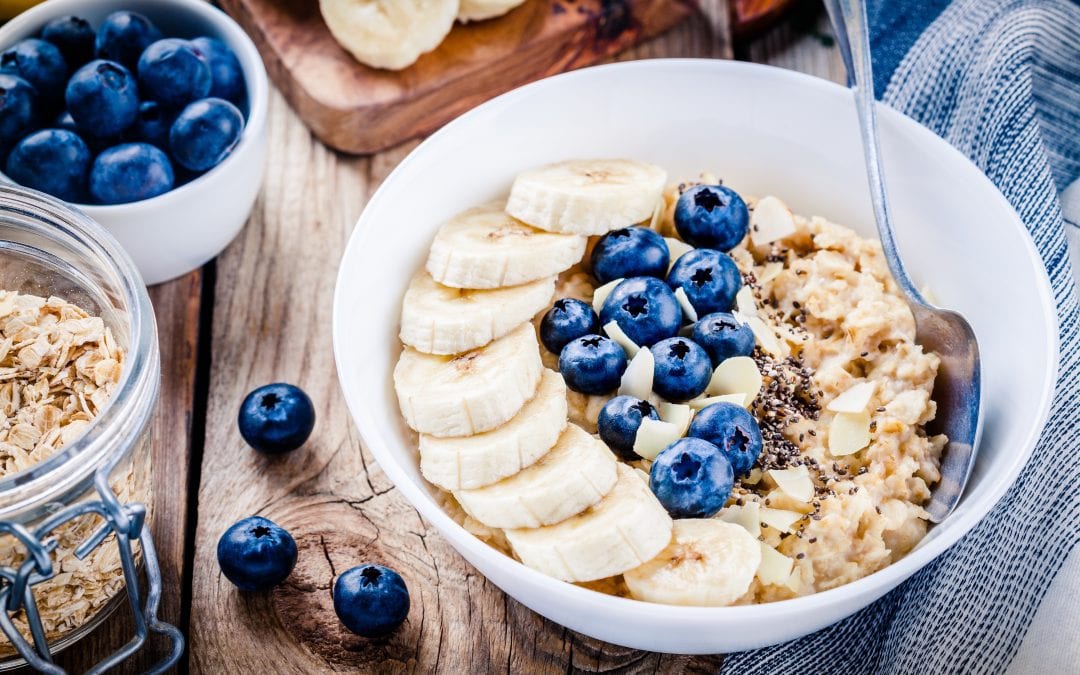
Two: Eat a good breakfast: even if I’m only trying to get yard work done in a short amount of time. (working against the heat of the day.) I suggest Oatmeal with fruits. High carb and good sugars. Drink a good amount of a good Hydration product. (I’m not talking Gatorade here.) Be careful as to quantity as you don’t want to swish those liquids when bending and stretching. You technically should drink your fluids one hour before exercise.

Three: Prep and have a hydration drink available to sip while you are working or exercising. Keeping hydration up does make a difference. Yes, this means that not only do you need a rake, or shovel, or trowel, or whatever equipment needed for the project, you also should prep a good hydration drink to have close by.

Four: Water is not your friend when you are working. Fluid levels are affected by many things. And water does not have the needed electrolytes you are expending.

Sports drinks are not your friend when you are dehydrated as many are too high in sugars and low in needed electrolytes.

Five: Pace yourself. Rome wasn’t conquered in a day. (If you are an endurance athlete, you need an different set of rules to reach your goal.) I’m talking to the average person who sets out to accomplish “great things.”

If you are running to get in shape for an upcoming race, let’s chat! There are different rules for fluids and foods when you are in competition.

Six: And most of all take time to recover. I’m not talking a nap on the couch. Yes, I laid down AFTER I had my Recovery Build+ drink and Hydration drink. (I am an older woman!) Recovery time is important!

I added a Recovery Supplement at bedtime. This one is an all natural anti-inflammatory and pain relief. Choose wisely to be able to sleep well without pain.

Recovery is important to your body.
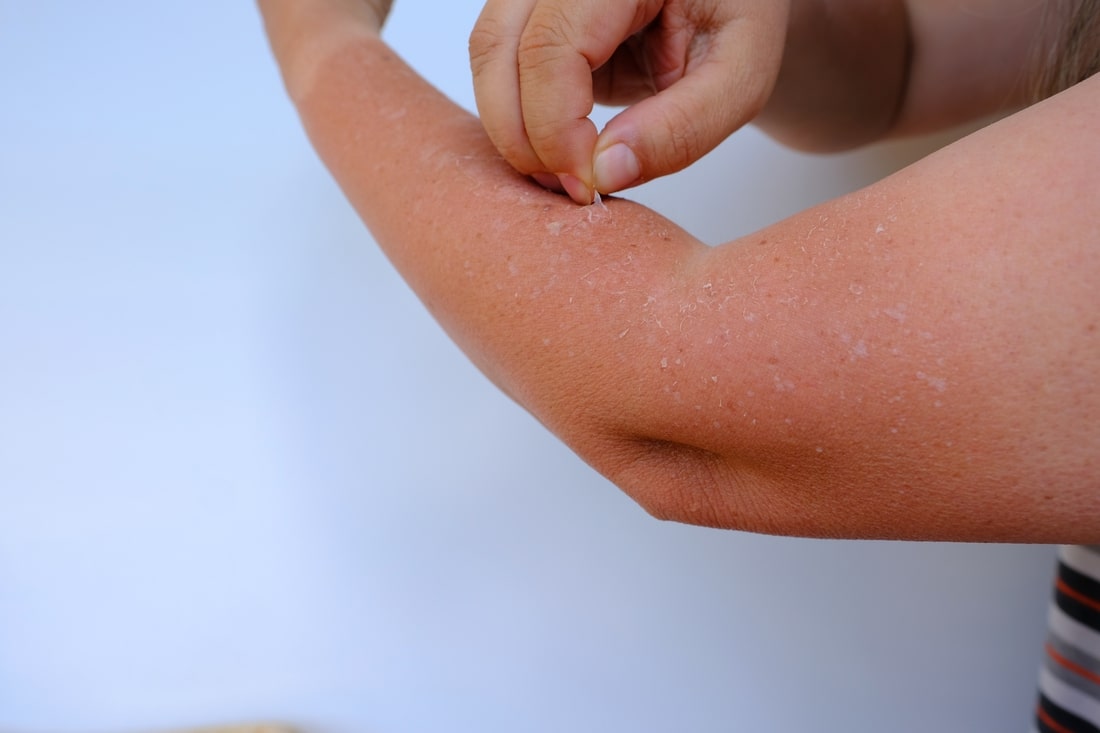
Have you ever noticed that after a day in the sun, or a sweaty workout, your skin feels a bit gritty? That grit is actually the salts that have left your body along with the water when you sweat.

Hydration before the shower! Running water over your skin does not hydrate your skin. Stay hydrated through the exercise and you won’t notice the dry skin.

What to eat? Celery, cottage cheese help with fluid retention. Bananas are good for potassium. Nuts, seeds and dark green leafy greens are good for your tired muscles.

Calcium helps with muscle contraction and is a good liquid for the Recovery drink. Soy, coconut water, milk (now you know why the Indy drivers drink milk after a race), iced tea and a good Hydration product. Pedialyte is good. 3

With a child athlete: pack a banana, nuts, orange slices. Add a good hydration drink, not just a bottle of water.

Recovery foods are important to help with the healing of the muscles used during the strenuous exercise. (You do want to go back out tomorrow and finish the job?)
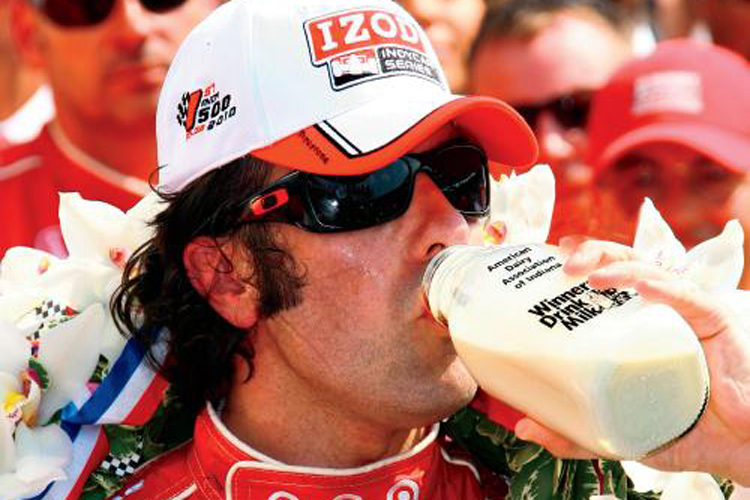
Indy 500 winner drinking milk

Be choosy. No fast foods. No hot dogs or burgers. No fries. No popcorn as that kind of salt is really too much.

A good salad will be a good start. And maybe a glass of milk! We talked what to pack.

And get a good night’s sleep.

Next time: Plan ahead!

https://wellness.maryjessen.com/home

  1. https://my.clevelandclinic.org/health/articles/23509-glycogen ↩︎
  2. https://us.shaklee.com/en_US/jessen/Nutrition/Fitness-%26-Exercise/Pre-%26-Post-Workout/c/24000 ↩︎
  3. https://www.nutritionnews.abbott/healthy-living/diet-wellness/thirsty-common-hydration-mistakes-you-may-be-making/#:~:text=In% ↩︎

Kickstart Your Day: The Importance of Breakfast

Start your engine! Breakfast energizes your sleeping body. Breakfast starts your engine!

You have gone without food or water for at least 10-12 hours. Your body is dry and craving fluids too. There is no gas for that engine to run on.

Your inner body has constant need. It is like an engine that needs a constant flow of fuel. It is your metabolism, a chemical process, that demands energy. Your metabolism is always active. It breathes, circulates blood, digests foods, grows and repairs cells. It manages hormone levels and regulates your body temperature. It takes place inside you as your body converts foods and drinks into energy. This process looks for an energy source first thing upon rising.,

Think of your body as that fancy car above. We know that car needs good fuel to run efficiently. We know it needs fluids too.

Your well is dry. Your fuel tank is empty.

Breakfast kickstarts this engine into motion. Start with a good glass of good water.

Ever feel you just can’t get started in the morning? Seem to drag yourself out of bed? Can’t seem to get going?

Well its because you are low on fuel. Your engine is running on fumes! It’s choking and sputtering! It’s looking for the “pit stop.”

Breakfast is where you fuel your engine, and start to burn calories/fuel throughout the day. This important meal helps you focus and have enough energy to do your daily tasks.

Breakfast also helps lower bad LDL cholesterol. It reduces the chances of getting diabetes and heart disease. The first meal of the day, Breakfast, actually helps you not gain weight.

Your metabolism is like a fine tuned engine. Breakfast is the best time to “increase” your metabolism. This is when you boost the fine running of your engine. Give your body enough fuel that it runs smoothly all day, and is not dragging or running on idle.

When you skip breakfast, your body reads that as it then needs to conserve rather than burn any incoming calories. Conserve! Your body goes into a slower mode of energy. You are drifting to that pit stop! You’ve got things to do and places to go! Your body needs fuel!

And as that engine slows down, you begin to look for fuel. That’s when that donut, that you would normally pass up, looks so good!

People who skip breakfast, eating fewer calories, creating smaller meals, eating less during the day, actually gain weight. Your metabolism is in a conservation mode.

Sounds strange, but true.

The less you give your engine, the more it will try to conserve. It Has to keep running. If you don’t feed it, it goes into “idle,” and your metabolism, that burns calories, slows down.

We want it to be in an active “burning” mode. You need to add some good carbs/fuel to that “pit-stop-breakfast.”

(Your body’s energy source is from glucose. Glucose is broken down from the good carbs you eat. The body stores glucose for energy as good fat. Some of this glucose is stored as glycogen in your liver, and smaller amounts in your muscles.)

It is during the night that your engine goes to idle, using stored fuel for maintenance work. During times of not eating, or going without foods for 12 hours or more, your glycogen stores are low. Your liver releases glycogen as glucose to keep blood sugars low.

Once your glycogen stores are used up (no food coming in), your body looks elsewhere. And energy levels dip. This can be why it is hard to get out of bed. Your engine is sputtering.

As you watch your fuel gauge, learn how to keep better energy levels for yourself. This practice restores your glycogen storage as needed and keeps your metabolism UP during the day. And all starting from a good breakfast.

What are we choosing for your first meal of the day?

Do you start with cereal?

Do you start with eggs and toast?

Or perhaps you are starting with Eggo Waffles?

Eggo Waffles are not good energy sources. Neither are Pop Tarts. The nutrition in them is minimal for good energy. They are meant to be a cookie or a dessert. The sugar content is too high for breakfast.

What is your normal breakfast?

Is your normal breakfast a bowl of boxed cereal? Are you looking at breakfast as a meal, or just a pit stop on the way out the door? Are you chugging down a bowl of cereal as you are running out the door?

It’s ok to choose boxed cereal, if you are choosing one without a lot of sugar added. Look also for fiber. This is a great time to add fiber to your diet. It slows down digestion, giving your body longer lasting needed energy.

Aim for boxed cereals that contain no more than four to six grams of sugar per serving. This amount is about one to one and a half teaspoons of sugar. When I think 1 and 1/2 teaspoons of sugar I think that’s a lot, especially on an empty stomach. Unfortunately, the above cereals are high in sugars.

Be careful of the sugar content. Sucralose “This artificial sweetener substitute of sugar can be about 600 times sweeter than sugar concentrate. Some regulatory agencies have stated that it’s safe for consumption. However, some studies have suggested that it may affect health negatively.

Sucralose, aspertame, or any other artificial sugars does more harm than good, especially for that young child. Be certain to read the label on the box. Look for cereals with natural sugars, or minimal sugars.
Artificial sugars can be 200 to 700 times sweeter than table sugar
.

Oddly enough, Rice Krispies, (which always seems to be full of air! Isn’t the slogan: snap, crackle, and pop?) by itself has 9 grams of sugar. Imagine the count with marshmallows!

Artificial sweeteners don’t contain calories or good sugar. This can be an analogy to poor fuel for that high performance engine. Poor fuel for your personal “engine” lacks beneficial nutrients like vitamins, fiber, minerals, or antioxidants. All sweeteners do is over-rev your engine. And we know what that can do to our beautiful, expensive car. Imagine it in your body.

Sweeteners like fruit juice, honey, molasses and maple syrup contain natural sugar and have some nutritional benefits. Fruit has fiber, vitamins and antioxidants. Even raw honey and maple syrup can contain antioxidants and minerals like iron, zinc, calcium and potassium. Raw, natural, local honey is very good for you. Look at breakfast with a need for good fuel for the day.

How can I child sit still in class today after indulging in a high sugar breakfast? The average breakfast boxed cereal has TWO teaspoons of sugar in a serving. Does your boy eat one or two servings? Growing boys seem to eat more than one bowl many times. That’s a lot of sugar.

Consumer Reports rates the best breakfast cereals. The cereals rated highly include Nature’s Path Organic Heritage Flakes and Post Grape-Nuts Flakes. General Mills Cheerios and Post Great Grains Raisins, Dates & Pecans are also among them. General Mills Total is one of them.

One Degree Organic Foods Sprouted Ancient Maize Flakes is another. General Mills Wheaties is also highly rated. Kind Honey Almond is included. Post Grape-Nuts Original and Barbara’s Multigrain Spoonfuls Original are listed too.

Adding fruit to make the cereal bowl makes the cereal sweeter, the milk sweeter, and more nutritious. Cooking oatmeal in the microwave can open the door to fun. Oatmeal with applesauce, cinnamon, and nuts will taste like a cake! But this kind of “cake” will do great things to your personal engine.

What’s the point?

We decided that there is great importance with eating Breakfast.

Cereal for breakfast is fast and quite common. But what is the nutrition value in that bowl of cold cereal? Will it help your kiddo to sit still and learn? Have you given his body a source of good “brain-power?” Remember poor fuel will make an engine stall, or stop, or sputter.

Creating a good breakfast can be simple. Start with a scrambled or fried egg. Add a couple of cherry tomatoes or perhaps a bit of last night’s vegetables. Raw vegetables are allowed at breakfast! And don’t forget the fibers of fruit. A couple carrots alongside scrambled eggs is a winner. Not only does it add colors, but great nutrition.

What about English Muffins and eggs? These can be made ahead to pop into your microwave. (You can scramble eggs on the weekend, cut into squares, freeze flat, and add to your muffin.)

Ten reasons why breakfast is so important:

  • Improves Concentration and Focus. …
  • Helps Lift Your Mood. …
  • Helps Manage Your Appetite. …
  • Helps Your Heart. …
  • Improves Academic Performance. …
  • Aids in Weight Management. …
  • Helps Pregnant Moms Meet Nutritional Needs. …
  • Boosts Your Immune System.
  • For many people it is also the time for milk! Don’t forget the milk. Even adults need calcium.
  • A glass of milk and some fruit is a sure win!
  • Calcium is important. If you can’t afford the bottle or box of milk, mix it 1/2 and 1/2 with dehydrated milk. Chill well and your family won’t notice the difference.
  • Your body needs calcium. Calcium is needed for growing bones, and for aging bones. Water or coffee or even tea does not make it, unless you add a generous amount of milk. No sugar.

Breakfast actually starts your metabolism. It energizes our body. We are concerned about our metabolism and find it difficult to lose weight. Why would you lose the ability to jump start your metabolism? Isn’t a faster metabolism what we want such that we can burn more calories?

You can also start with a good fiber cereal. Oatmeal? There are several different kinds: Steel Cut Oats are my favorite. Don’t buy the ready to serve packets. Too much sugar. You can make it just the same by buying quick cooking oats and cooking right in the bowl. Add milk. Add fruit. (Fruit cups with natural sugar) and you are good to go!

Different fruits will give the cereal different tastes. You can also add cocoa to the cereal. Just enough to make the cereal brown. Add strawberries!

So much better than the packet mix of Quaker Oats Strawberry Oatmeal. Some packets can carry 10-17 grams of sugar! or 4 teaspoons of sugar! Adding fruits is a good way to add taste and sweetness to quick cooking oats.

How about adding nuts and pure maple syrup? Strawberries and blueberries? All created in one bowl. (cheaper than by package) And with much more nutrition.

What are the suggestions for a fast and easy breakfast? Breakfast should give our kiddos learning power. Our school kiddos should also be able to sit still to learn.

You might be thinking: I don’t have time in the morning to serve everyone eggs and waffles. I can’t mange to cook sausage, eggs, toast, juice,or cereal. I have to get myself to work! My family is on the fly in the morning. We won’t have time to sit for breakfast. Preparing a big breakfast is not possible! (Oh I remember those days!)

Consider adding a Shake/supplement to your daily meals.

For my breakfast, I’m looking at protein/soy/plant-based shakes. I want the protein and fiber that I can easily digest. I did my research. I liked what I found, and what the nutrition values are. The one I chose is made from natural ingredients, not synthetic ingredients. I like that the one I chose is safe from harmful additives. And it is in a dissolvable powder.

If the shake has fiber, it has good energy/carbs for my body to work with. Proteins, plus Carbs are what I’m looking look for.

Your choice is up to you. Do your research!

You research your car. You researched for your home.

Why aren’t you researching for your health? Take the time to go on line and look for what is available.

When looking at protein shakes, choose a company that guarantees it’s products to be pure. Choose a company that offers a money-back guarantee if you don’t like it. This applies even after you have consumed the bottle.

Don’t do the research in the grocery aisle. Look it up ahead of time. Know what you are buying before you get to the store.

Don’t choose the shake on sale at Cosco or Walmart. Check it out first.

Does it have what you really want? And has it had any recalls? Do Olympic athletes drink it? Olympic athletes need to be chemically pure. Good question.

I choose Shaklee Corporation for all of the above.prescriptions. I researched and I like what I found.

I like that the Shaklee Company fuels the “stars.” I’m not talking paid movie stars. I’m talking Olympic athletes, and even the far-flung stars of NASA: astronauts. These athletes’ lives depend on good nutrition.

I’m adding a Shaklee Life Shake for my breakfast. I start the day with a shake, and some fruit. If I’m super hungry, I might add a slice of whole grain toast with peanut butter. I do this if I know the morning will be busy and with a lot of movement. Be conscious of good carbs. No white bread. Look for a good whole wheat bread. Maybe even with nuts and whole grains.

The shake shown is with Pumpkin Life Shake, with whipped cream and cinnamon on top! What a great start to the day! That will definitely start your day smiling!

You can add Chocolate Life Shake or Cafe Latte Life Shake to coffee at lunch. And enjoy some fruit and veggies.

I made a decision for myself and my family.

I don’t have the time. A shake seems to fit the time frame. I can add the contents together even the night before.

Then in the morning, add milk, or if Shaklee, even water works, and blend. (water does diminish some nutrients; we’ve done this when we were traveling and milk was not available.

I really like the Cafe Latte shake and it tastes great in my coffee! Or this fall, add the Salted Caramel. No need for creamers. I’m betting you will agree that is one Terrific Coffee/shake to take with you. (And a lot cheaper and better for you than Starbucks, who only adds sugars.)

I hope this leaves you with great Breakfast ideas. I know for myself, somedays it is hard to “think” a breakfast meal. My thoughts are to make it easy to fix and serve. And minimal clean up! And to prepare something that me and my family would really like to eat or drink.

What are you choosing for your Breakfast?

Breakfast is an important meal. This is the meal that jumpstart your metabolism. This is the time to get your metabolism running on High. Don’t skip that important pitstop. Don’t skip this very important meal.

You plan for other meals. Plan for the most important one meal of the day. If you would like some help planning, I am here to help.

What you choose today will walk with you throughout the day. It will keep your engine running smoothly.

Get that motor running on Efficient! Choose Health. Start the day with a Good Breakfast: Every day.

ps: Can you tell I live in Indianapolis!

If you are interested in the Shaklee Life Shake products, check them out through my Wellness.MaryJessen website. The connection is below.

REFERENCES:

https://www.betterhealth.vic.gov.au/health/healthyliving/breakfast

https://www.webmd.com/food-recipes/breakfast-lose-weight

https://www.mynetdiary.com/food/calories-in-homemade-plain-waffles-oz-18367-0.html

https://my.clevelandclinic.org/health/body/21893-metabolism

https://www.mayoclinic.org/healthy-lifestyle/nutrition-and-healthy-eating/in-depth/calcium-supplements

https://wellness.maryjessen.com

The Origin and Health Benefits of Apples | Apple Day Celebration

Apples, apples what a treat
Sweet and tart and good to eat
Apples grown and apples red
Hang from branches overhead
And when they ripen, down they drop
So we can taste our apple crop.

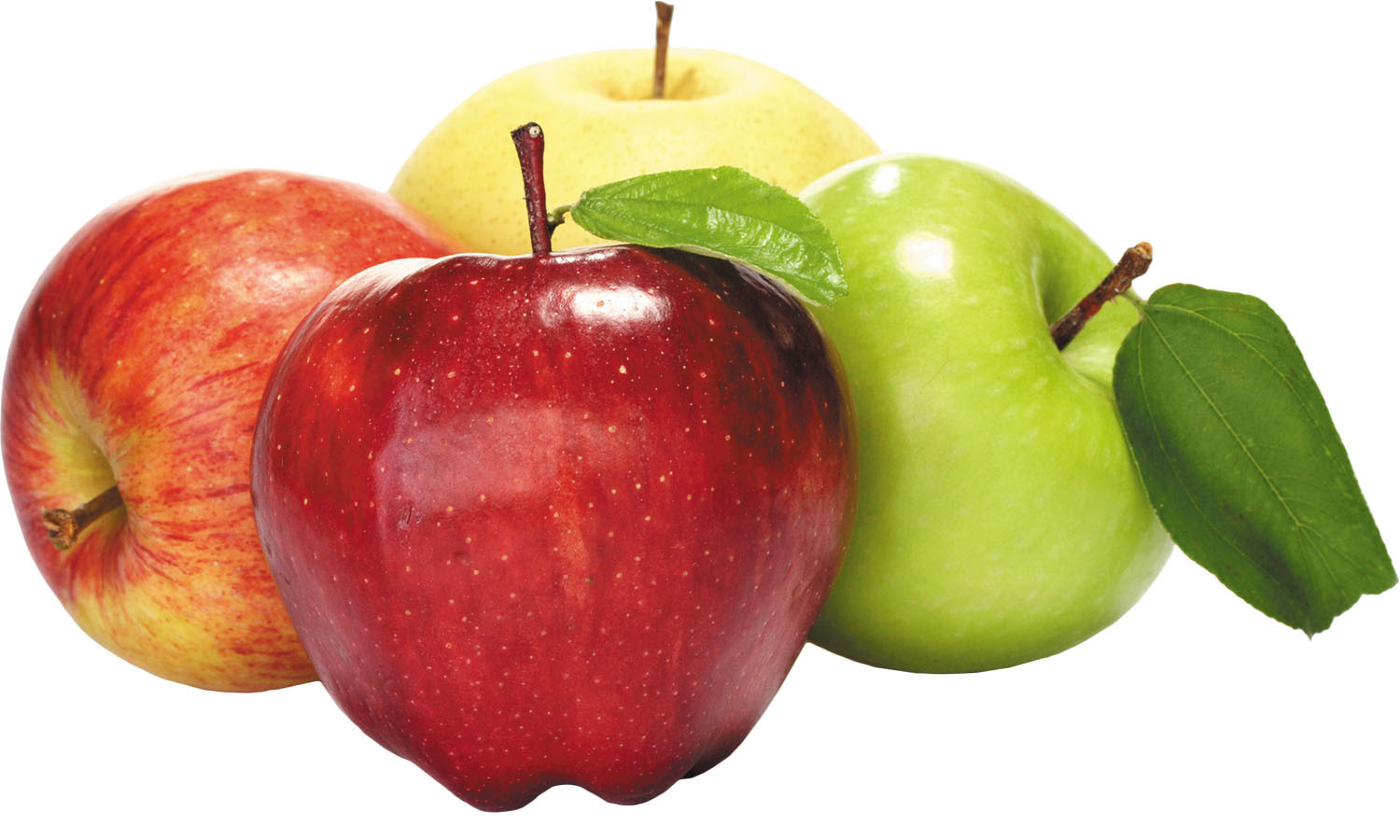
International Apple Day falls in September, on the 21st this year. There is an apple today for every taste. Options range from the very bitter Granny Smith to the sweet crunch of Honey Crisp. There are many more different choices in between. It seems every year there is a different apple introduced.

Apples are not just tasty to crunch, or bake. They are rich in nutrients: fibers, vitamins, and antioxidants. A great snack choice. Apples help protect us against diseases, support immune health, and even help to manage our weight.

Besides crunching, you can bake then, roast them, caramelize them, pie them, and even dunk for them!

Origin of the Apple:

Apples are not native to the US. There originated in Central Asia, in the Tien Shan mountains of mainly Kyrgyzstan and and parts of northwestern China. Traders along the Silk Road brought them to Europe. And the European colonists brought them to the United States.

Unfortunately you cannot grow an Apple tree from a seed of today’s apples. The tree you would grow would not resemble the apple you just ate. Apples must be propagated to attain the characteristics of the original apple. You have to plant more than one apple tree for it to pollinate. Our precious honey bee is responsible for most of the fertilization.

Johnny Appleseed/ John Chapman

Johnny Appleseed, his name was actually John Chapman (born September 26, 1774, Leominster, Massachusetts—died March 18?, 1845, near Fort Wayne, Indiana, U.S.) was an American missionary nurseryman of the North American frontier. He did not wear a pail on his head, nor did he walk barefoot as legend has it. But he did help to create apple-tree nursery stock throughout the Midwest.

Johnny Appleseed was a conservationist, frontiersman, and early horticulturist. He owned more than 1,200 acres of land across PA, Ohio, IN, and IL. He passed away near Fort Wayne, IN.

Chapman was quite eccentric, loved to develop nurseries. He did not believe in grafting a tree. Thus, his apples were small and tart. They were better suited to hard cider!

John Chapman will always be known as Johnny Appleseed for his dedication on bringing apple trees to the Midwest.

“An apple a day keeps the doctor away!”

Apples are quite popular and are ranked among the top three fruits of the world! They are easy to store and transport.

One serving of an apple provides 95 calories, 0 grams fat, 1 gram of protein, 25 grams of carbohydrates, 19 natural grams of sugar, and 3 grams of soluble and insoluble fiber.

An apple contains Vitamin C. It also gives us phytochemicals: quercetin, catechin, chlorogenic acid, and anthocyanin.

What do phytochemicals do for us? They protect your cells from damage caused by environmental toxins and the body’s natural chemical (metabolic) processes. “Phytochemicals have antioxidant properties and offer protection that decreases the risk of many diseases.”

UCLAhealth.org: “Phytochemicals also work as antimicrobial agents. They reduce the chance that viruses and bacteria (that) can grow in the body. Early research suggests that when an infection does occur, phytochemicals help ensure your immune system has an appropriate response. They can also reduce ongoing inflammation associated with inflammatory diseases.

Phytochemicals act as chemoprevention — they hinder cancer development — by preventing DNA damage. They can also repair mutated genes, slow cancer growth and help abnormal cells die more quickly. Making simple dietary changes to include more phytochemicals provides a safe, cost-effective way to prevent cancer.” (1)

When you peel an apple, you lose much of the fiber and the majority of flavonoids. (Quercetin: a flavonoid that has anti-inflammatory properties.)

We have heard that apples are good sources of Pectin. Pectin is a soluble fiber that may help prevent constipation, a modest effect on lowering LDL (the bad cholesterol). It can also help prevent some chronic diseases, including some cancers, and bowel disorders.

Sounds like a good idea to add that Apple a Day!

What about the pesticides?

We know that our fruit is heavily sprayed to prevent bugs and diseases. Who wants to eat a wormy apple? Most apples are washed before being sold. However, the remaining amount of pesticide is unknown. The type of pesticide is also unknown. Additionally, the residue left is unknown.

Although some pesticide residue can permeate the flesh, washing and peeling removes much of it. However, you are removing a lot of the nutrition. FDA suggests just a good scrubbing with water will work. No soap.

If you are concerned about pesticides, it is recommended to soak the apples in a baking soda solution. Use 1 teaspoon of baking soda and 2 cups of water. Soak for 10-15 minutes. Then rinse well. Dry thoroughly before storing.

Right now it is said that the benefits of eating an apple outweigh the potential pesticide risk.

To store apples:

Usually apples will stay fresh in your crisper drawer of your refrigerator for 1-2 months. Apples do continue to ripen after being picked. Store apples in their own drawer as they emit a gas that will speed the ripening of other fruits.

Apples will last on your counter for about 1-2 weeks, but the texture will change.

Which one: Apple juice or Apple Cider?

Apple juice has been filtered to remove solids. It is pasteurized so it remains fresher longer. Sugar is sometimes added. During filtration, the flavors of tart and bitterness from the natural apple flavonoids are removed. Apple juice is usually has a uniform sweet flavor.

Apple cider is produced from mashed raw apples that are pressed to extract the liquid. It is not filtered. It is sold pasteurized and unpasteurized. It can appear cloudy as it contains pulp and sediment. It is more acidic and contains more flavonoids than apple juice.

Now for the tasty part: a suggested easy recipe!

  1. Number one favorite can be to slice the apple, and spread peanut butter on the slices!

2. Enjoy crisp apples with cheese. My kiddos loved this for an after school snack. I added whole wheat crackers.

Microwave “Baked” Apple for One.

Microwave “Baked” Apple for One

1 cored apple. Place in bowl with largest part of hole up.

Fill the hole with 1.1/2 tsp sugar, cinnamon, or even pumpkin spice. Add raisins or nuts as desired. You can even drizzle with maple syrup.

Wrap tightly your bowl in plastic wrap. Try to make air tight. The plastic wrap will bubble as apple cooks. It works like a steamer. Microwave on High for 5 minutes.

Remove from microwave oven, WITH GLOVES. The bowl will be quite HOT. Let Cool 5 minutes.

Serve alone or with ice cream, crumble cookies, crumbled graham crackers, or evaporated milk or 1/2 and 1/2. ENJOY!!

HUGS!

https://www.wellnessmaryjessen.com

References:

https://www.schoolhousebythesea.com/students/poems-and-verses/apples/

https://en.wikipedia.org/wiki/Apple

https://www.google.com/search?q=johnny+appleseed

(1) https://www.uclahealth.org/news/article/what-are-phytochemicals-and-why-should-you-eat-more-them

https://www.allrecipes.com/recipe/18389/microwave-baked-apples/

Boosting Immunity with Healthy Habits: Tips and Insights

There is no such thing as a “central immune system.” It is all about cells, proteins, tissues, and organs all around your body. These components work together to defend you from outside invading bacteria, viruses, parasites, and more! It can detect intruders that are unwanted or hazardous to your health. It can then arouse your “army” to gather defenses and get ready to fight to eliminate the invader.

Two Special Parts to our immune system:

There are actually two parts of your immune system. Your inner immune system (innate, which is inherited) is our first-on-the-scene, a first-responder. This is a group of cells. They will multiply when an invader is found. They will surround it. They will cover it, and they will kill it! This system is inherited and is here from the moment you are borne.

There is another immune system “part,” called the adaptive immune system. This develops over time as you become exposed to different germs, bacteria and viruses. This particular system actually grows stronger as you challenge it more. This “system” has a great memory and a good range of defenses against all kinds of invaders.

Your immune system produces anti-bodies. These are copies of past invaders. They create a pattern of how your body responded to the “invaders.” This is where you can get quite sick with an illness. The next time, you may not get as sick with the same illness. Your defenses have great memories.

Our immune system goes hand-in-hand with your gut!

And there’s more to your defenses! Your immune system has co-helpers!

The majority of our immune system is directly connected to your gut. Over 70% of our immune system lives in our gut! Inflammation in your gut will have a bad effect on your immune system as a whole. In this case I’m talking long-term stressors. (I’ve talked about that in past blogs.)

Chronic Inflammation:

Chronic inflammation in your gut causes the gut walls to stop working as they should. This weakens and loosens the tight structure in your intestinal walls that keep nutrients in and toxins out. When your gut’s walls become inflamed, the intestinal walls become porous. This means the intestinal walls then have openings for invaders to get in and cause all sorts of problems.

Good Gut Health

Good gut health can come with proper foods: raw fruits and vegetables. Low saturated fats. And low sugars. Sugars are awful for your gut. Learn to drink water, perhaps flavored with fresh fruit or a squirt of lemon or lime. Hydration is almost as important as a good diet.

Immunity begins at home first:

Healthy foods are good for your gut. Start with raw fruits and veggies, whole grains, nuts, low-processed meats, low sugars, and high fiber foods. Your daily diet is important to your immune system.

Pro- and Pre-biotics:

What are Pro– and Pre- Biotics? An answer From Katherine Zeratsky, R.D., L.D.: Probiotics are foods or supplements that contain live microorganisms intended to maintain or improve the “good” bacteria (normal microflora) in the body. 

Prebiotics are foods (typically high-fiber foods) that act as food for human microflora.

Pre- and Pro- Biotic foods: We need both in our diet.

Some healthy foods contain pre- and pro-biotics. These are essential for a happy, functioning gut. Superfoods for the gut contain both pre- and probiotics. They are fermented foods like kimchi, sauerkraut, aged cheeses, yogurt, pickles, and kombucha.

Prebiotic-rich foods like garlic and onions. You can add apples as they contain pectin. This is a soluble fiber that can reduce inflammation. Apples can also enhance beneficial gut bacteria, block harmful bacteria, and decrease weight gain. Don’t forget bananas, asparagus, leeks, onions, barley, oats, legumes, nuts, pomegranates.

Oh I can imagine good foods from the above list: soups with barley or leeks. Cool weather breakfasts with oatmeal with apples. Great food choices. All good pre-biotics for a healthy immune system.

Finally, there are probiotic-rich foods like yogurt and sauerkraut. These foods contain beneficial bacteria that support the growth of healthy gut flora and promote digestion and nutrient absorption. (But be certain to read your labels as many yogurts are full of sugars, and that’s a negative.)

Serving suggestion: Soft cheese (gouda, cream cheese, marscapone) with sour-dough bread. Serve your sour-dough bread and cheese with perhaps a pickle. Have a fresh apple for dessert! All great pro-biotics. Don’t forget saurkraut as a side dish to pork? Again with apples for dessert. (Apples aid in the digestion of pork!) Or for dessert: a spoonful of yogurt with fresh fruit and a dollop of Redi-Whip on top?

What else can I do?

And we have talked about the importance of sleep, rest and restoration. When you sleep you are not “just renewing cells,” you are also developing a strong cellular defense system. Children who don’t have a priority of sleep do seem to “catch” whatever is going around. Sleep is so important not just for children, but adults too.

We live in a society that exposes us to many gut-harming factors:

Colds and flu:

These gut-harming factors can include chemicals such as glypsoate exposure. (This common pesticide-chemical is in Round-Up and has many harmful side-effects.) Many farm-used pesticides, antibiotics in our meats, environmental pollutants, and other airborne toxins are also included in the list of harm to our foods. Add to that the surface germs and bacteria we touch every day. Yikes! We are daily exposed to many different immune challenges on a daily basis.

Children have about 6-10 colds a year! Adults average 2-4 colds a year. An estimated 10-20% of Americans come down with the flu each season that goes from November to March. Children are 2-3 times as likely to get sick with the flu than adults. Children spread cold/flu viruses easily from one to another. It is always a good suggestion for everyone to get a flu shot. Flu shots give the “pattern of defense” to your immune system.

Small but large steps to help our immune system:

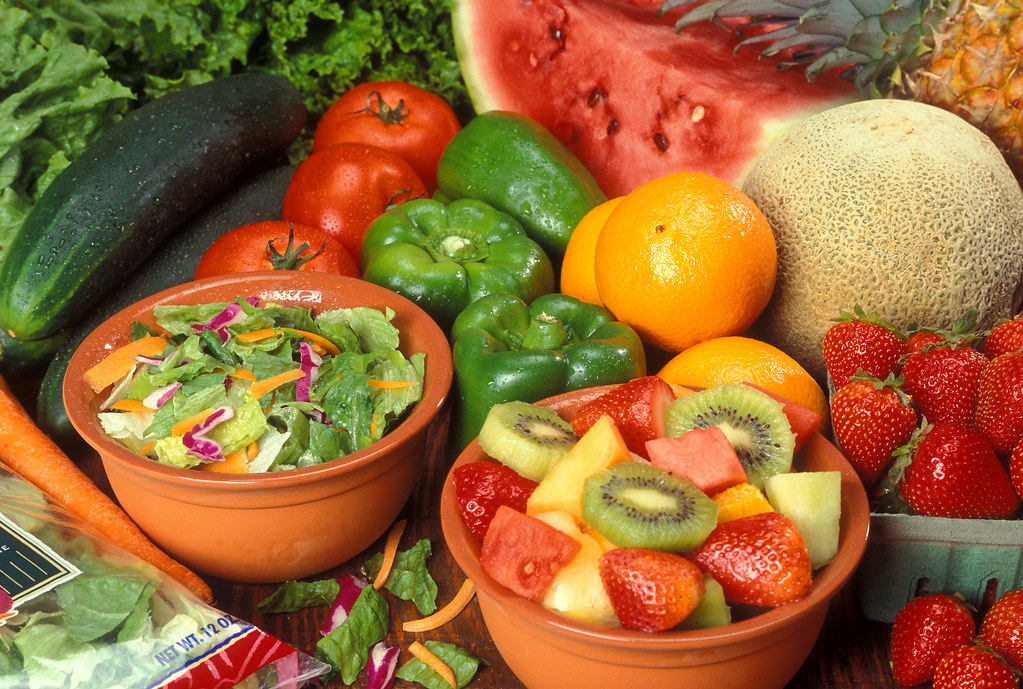
  1. Eat your anti-oxidants: that means consume a diet rich in fruits and vegetables. Learn to serve them at every meal. These foods contain the range of anti-oxidant nutrients needed for a healthy immune system.
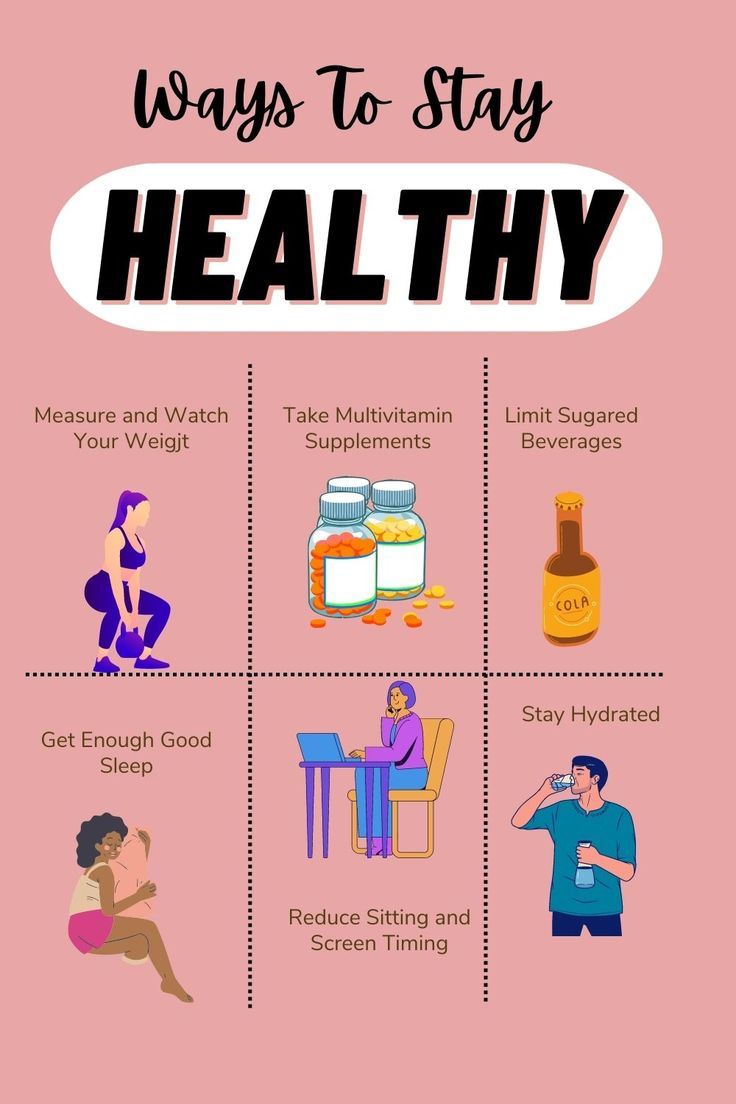
  2. Take a multi-vitamin. Even with a diet rich in anti-oxidants, it can be difficult sometimes to consume the recommended daily amounts. A vitamin-mineral multi-vitamin supplement may be necessary to keep a healthy immune system. This supplement can help fortify your body with the missing nutrients of the day.
  3. Take immune boosting herbs to enhance your immune system.
    • Elderberry: may help you recover faster! (Great tea! Get it pure)
    • Cinnamon: Add to desserts, and even your coffee!
    • Garlic: best known for lowering your cholesterol and reducing the risk of heart disease, can also help prevent colds. (Add garlic to as many of your meals as you can, especially in the cold-inside months.)
    • Echinacea: Serve in a cup of tea. Add to herbal mint teas.
    • Oregano and Turmeric: Great herbs to add to foods.
  4. Watch your weight. Learn how to eat healthy. Watch carbs and sugars, and of course saturated Fats.
  5. Hydration cannot be emphasized enough. Proper fluids can help your system remove toxins. Good hydration can also help your body process nutrients easier.
  6. Sleep! Cannot be stressed enough. Especially take note of the number of hours your children sleep. Unplugging may not make you popular, but then neither will the family getting sick make life fun.
  7. Exercise: Get a Move On! Get off the couch. Get off the video games. It only takes 45 minutes a WEEK of moderate exercise to improve your health and your immune system.
  8. Reduce your stress. Our kiddos, too, have daily stress; perhaps more stress today than yesteryears, especially before iphones. Learn and teach your family a sleep routine for a good night’s rest.
  9. Meditation goes along with sleep. Meditation can be done before sleep. Take the time to empty your mind of today’s worries. (I find, for me, reading positive-themed books. You want to put soothing thoughts into your brain before sleep.) Stay away from falling asleep with TV on.
  10. Sociability and humor. It can be a lot of fun to join a group: play cards, book clubs, or community theater? Do something for your community. Helping your community can definitely affect your mental state in a very positive way. The above-mentioned activities don’t have a magic wand, but they do enhance your immune system. Stay social.

All-around healthy habits can encourage and enhance your immune system. This includes what you eat and how you rest. Staying sociable is also important. Who wants to be sick?

If you would like more immune-healthy suggestions: join my Facebook page: https://www.facebook.com/groups/wellnessmakescentswithmarycommunity/

References:

https://www.nccih.nih.gov/health/colds-flu-and-complementary-health-approaches

https://my.clevelandclinic.org/health/body/21196-immune-system

https://www.ncbi.nlm.nih.gov/books/NBK279396/?report=printable

https://wellness.maryjessen.com

Effects of Telomeres on Cellular Aging: Can We Slow Down Aging?

Why are some people aging slower and seem younger than many? Why do some people age quicker than others?

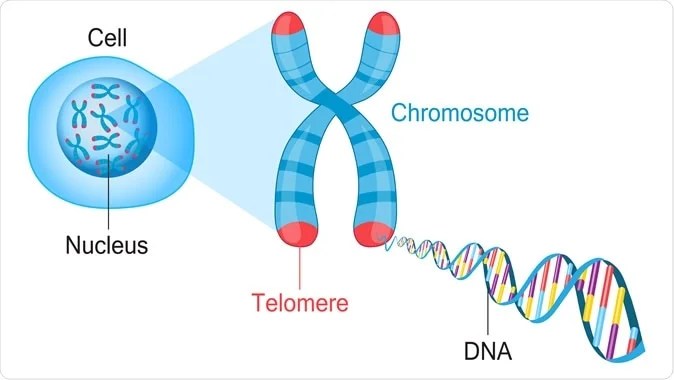
Let’s start by learning about Telomeres, which are found in the genetic heart of your cell: your chromosome. Telomeres live at the end of your DNA. With each cell division, your DNA chromosome gets smaller. These little caps, telomeres, determine how fast or slow you age.

Imagine a shoe lace. The end of a shoe lace has a cap. It is called aglet. It protect the lace from fraying. Your telomere does the same thing to the “lace” of your DNA’s chromosome.

Telomeres listen. And learn. They listen to your body’s instructions as to the way you live. They absorb these instructions. The way you live can speed up or slow down the process of cellular aging. You are born with your own set of genes. But the way you live will influence how your genes react.

Can we help our DNA strands?

The instructions you give your DNA can be good, or bad. The foods you eat influence your telomeres. Your responses to stress play a role. Whether or not you were exposed to childhood stress is a factor. The level of safety in your neighborhood affects your DNA’s telomeres, too. Exercise also has an impact.

Good cellular health tips:

One of the points to good cellular health is to consider is how you manage stress. The outside world can create havoc inside our bodies. This happens when we allow the tension to build and build without a proper release. We need to learn how to handle stress. Our life experiences, and the way we respond to them can actually change the length of the telomere. It can actually change the way we age.

When stress is high, the body produces more stress hormones: cortisol and epinephrine. Your heart beats faster. Your blood pressure increases. Even the Vegas nerve is affected. We all have day-to-day stressors. What is important is to learn how to manage long-term stress. This includes job stress or caring for an elderly sick family member or a sick child. Toxic stress is one that lasts for years.

Finding ways to mentally deal with stress is one of the key factors to better health. We know that. But did you know that it affects us at a cellular level. (I thought it was all about muscles?)

The thoughts in our head really do control our health. Letting your mind wander aimlessly does not help. Your mind needs focus. Read; Study; challenging games all nurture your mind. Multi-tasking is a way of stressful living. Learn to do one task fully at a time. Don’t rehash the past. It’s gone. Learn to focus on today and tomorrow with a positive outlook.

Our mental health is important. It helps our body work with stress. Having a positive outlook for the future and/or the challenges ahead make a big difference. Pessimism does short your telomeres and ends up shortening your life. Anxiety and depression also play a negative role in cellular health. If you struggle with mental health or are living a highly stressful life, please get help.

Physical activity may buffer stress related responses of telomere shortening. Take time for exercise. Take a walk. Join a gym. Exercise will lessen your telomeres stress and help your body deal with the problems through a reduction of cortisol.

Nutrition and your healthy DNA

Nutrition plays an important part. (You knew I’d mention those McDonald’s french fries somewhere! )

The consumption of inflammatory foods can increase the shortening of telomeres. Accelerated shortening of telomeres is associated with early-onset of many age associated diseases. Dr Google says: All processed foods can cause inflammation. They can alter the bacteria that live in our gut. This alteration can interact with our immune system and eventually trigger a response. This can lead to chronic inflammation. (We know that living with chronic inflammation is harmful to our overall health.) Also, avoid sugars and alcohol. Make that cookie a treat. Save that drink for special occasions. Monitor your sugars.

Learn to eat healthy. Not just for your skin, but for all that goes on inside of our bodies. Consume good sources of Omega-3 (salmon, tuna, leafy vegetables, flax oil and flaxseeds.) Consider a supplement as Omega-3 is important to so many areas of your body. Minimize red meats, especially processed meat. Avoid sugary drinks and foods. Avoid processed foods in general. Eating healthy can save you money. You might have to plan ahead, but it is so worth your time and efforts.

Alls well up to a point.

Our body produces a protein that protects the ends of the DNA strand. It produces it in sufficient quantities to rebuild our telomeres; up to a point. As we age, the telomerase in our cells becomes less, and our telomeres get shorter. We can help the production of telomerase through good nutrition, good mental health, and exercise.

Our DNA strands do not last indefinitely. There is a limit to the division and reproduction of our cells. What we want to do is to help our DNA follow it’s genetic path and not hasten the end. We want to enjoy a long life to it’s fullest!

We are learning more and more on how to live a longer, healthier life.

An illustration of a DNA strand and where to find a telomere.

You might want to follow me on my public Facebook page: https://www.facebook.com/wellnessmakescentswithmary

References:

“THE TELOMERE EFFECT” Elizabeth Blackburn PhD, and Elissa Epel PhD. (book)

Telomeres, lifestyle, cancer and aging: https://www.ncbi.nlm.nih.gov/pmc/articles/PMC3370421/

Physical Activity and Nutrition: Two promising strategies for Telomere Maintenance: https://www.ncbi.nlm.nih.gov/pmc/articles/PMC6316700/

Proteins induced by telomere dysfunction and DNA damage represent biomarkers of human aging and disease: https://pubmed.ncbi.nlm.nih.gov/18695223/

Medical News Today: https://www.medicalnewstoday.com/articles/are-telomeres-really-the-key-to-living-longer-youthful-lives

For more information on this webinar you can look into my Wellness Library: https://wellness.maryjessen.com/wellness-webinar

#health #aging #DNA

Vitamin K: Essential Nutrient for Strong Bones and Blood Clotting

I have been asked as to the needs or benefits of Vitamin K for an older woman. Vitamin K is a nutrient that the body definitely needs. It is important for blood clotting and healthy bones.

You need to consult with your doctor if you are taking Coumadin (Warfarin). You should also consult with your doctor if you are taking Bile acid sequestrants (Questran and Colestidil). Additionally discuss with you doctor if you are taking Orlistat (Alli and Xenical) for weight loss.

What happens if you don’t get enough Vitamin K? A severe deficiency can cause bruising and bleeding problems because the blood takes longer to clot. Vitamin K deficiency can also reduce bone strength and increase the risk of osteoporosis. You could be at risk of breaking a bone. The body needs Vitamin K for healthy bones!

What is Vitamin K?

Vitamin K is an essential nutrient that your body needs. It works to help your blood clot. A clot is a clump of semi-solid blood that your body forms to stop bleeding.

Vitamin K helps with: Wound healing. Creating strong bones. Protecting against heart disease.

In addition, your body makes Vitamin K out of bacteria in your intestines. (2) This is where good gut health is important.

What are the symptoms of Vitamin K deficiency?  The main symptom is uncontrolled bleeding. Other symptoms can be subtle and include:

Sleepiness

Vomiting (3)

Seizures (4)

Bruises (especially on the head) (5)

Petechiae (little red spots) (6)

Nose bleeds (that can’t be controlled) (7)

Jaundice (8)

Pale skin

Stool that is bloody, dark, and sticky

If you have any of these symptoms, consult with your doctor. Do not self-diagnose.

The amounts of Vitamin K vary from age.

Birth to 6 mos: 2.0 mcg 7mos to 12 mos: 2.5 mcg

It then jumps to 1-3 years 30mcg. 4-8 years: 55mcg. 9-12 years: 60mcg. and 14-18 years: 75mcg,

The best person to ask, of course, especially for infants and toddlers, is your Pediatrician.

Adult men 19 years and older: 120mcg Adult women 19 years and older: 90mcg.

What happens if you don’t get enough Vitamin K? A severe deficiency can cause bruising and bleeding problems because the blood takes longer to clot. A Vitamin K deficiency can also reduce bone strength and increase the risk of osteoporosis. The body needs Vitamin K for healthy bones!

What you can do for your children is to make certain their diet is rich in green leafy vegetables (spinach, kale, broccoli, and lettuce.) Vegetable oils (Soy and canola) Some fruits: Blueberries and figs (If you haven’t tried a fig: you need to. But be careful as you won’t want just one!) Meat, hard cheese and eggs, and soybeans.

As to our kiddos: Diet plays an important factor. I have always said: add something raw to a meal for greater food satisfaction. Add to their diet the foods that are rich in vitamin K, as I have illustrated, at a meal.

What about an afternoon snack? Finger food always works. Add nuts, berries, a cut-up banana, hard cheeses, sliced meats. Perhaps a whole grain cracker. Don’t hesitate to decorate your plate with seasonal napkins. Have fun with it. Your kiddos will Love the treat! And you won’t have to “force” nutrient dense veggies/fruits/nuts on them at mealtimes. Have fun with nutrition and the kids will eat it!

You can make this after school snack the night before. (I sprinkled my cut-up fruit with “Fruit Fresh” and the fruit did not brown (oxidize). My kiddos and their friends loved this after-school or afternoon treat. Have fun with it

My advice: Vitamin K is needed for healthy bones and good blood. BUT: if you are taking any kind of prescribed medicine, you need to consult with your doctor. Consult with the pharmacist before adding a Vitamin K supplement.  Always err on the side of caution.

References:

(1) https://my.clevelandclinic.org/health/diseases/24129-heart-disease

(2) https://my.clevelandclinic.org/health/articles/24494-bacteria

(3) https://my.clevelandclinic.org/health/symptoms/8106-nausea-vomiting

(4) https://my.clevelandclinic.org/health/diseases/22789-seizure

(5) https://my.clevelandclinic.org/health/diseases/15235-bruises

(6) https://my.clevelandclinic.org/health/symptoms/21636-petechiae

(7) https://my.clevelandclinic.org/health/diseases/13464-nosebleed-epistaxis

(8) https://my.clevelandclinic.org/health/diseases/22263-jaundice-in-newborns