Enjoying the good things in life!

Archive for the ‘Home health’ Category

Avoid Hitting the Wall: Essential Tips for Strenuous Activity

If you are an active person, you probably know what this means.

I did such yesterday.

I forgot my age. Yes, that can be a factor too.

I overdid it Big Time.

I hit the wall. And could go no further.

What does “hit the wall” mean?

In endurance sports or long term hard exercise, “hitting the wall” or the “bonk” is a condition of overwhelming fatigue and loss of energy.

I was working hard cleaning in the yard. I was lifting, tugging, throwing, and moving items. The temps were actually nice. But I did not realize the amount of energy I was using.

I’m not a big breakfast eater. I did eat my toast and drank my Energizing Tea and Life Shake. But it wasn’t enough. What we “normally” eat for breakfast or lunch is usually below what is required for heavy exercise. Toast and a Life Shake is good for staying inside and doing the “usual stuff.”

(Energizing Tea does contain 70 mg of caffeine, but don’t rely on caffeine as your engine starter. The fuel is in the carbs.)

My breakfast was not what was needed for the strenuous exercise I was going to do that morning.

Before any strenuous exercise, and that can include cleaning out a locker in the yard, take time to eat a carbohydrate rich breakfast. Obviously one piece of toast it not enough, even adding the carbs of the Life Shake. I wasn’t looking at carbs. I was thinking protein.

But protein is not the fuel needed when there is work to do.

What happens when you “bonk” or “hit the wall” is that you have used up your first response glycogen stores in your body. You also are probably a bit dehydrated. (Remember it doesn’t take much to be dehydrated. I was too busy to drink!)

For women it is 9 cups of fluid over a day; for men it is 13 cups of fluid a day.

Now if you are starting out in the morning with your huge strenuous task, remember you are a deficit to start with from the overnight fast. You can see how quickly you can become dehydrated when exerting strenuous exercise. Your body fluid is down. What are you adding to start the day? More than a cup of caffeine??

Add some heat of the sun, and you are a great example of what dehydration can be.
What is glycogen?

“Glycogen is a form of glucose, a main source of energy that your body stores primarily in your liver and muscles. Your body needs carbohydrates from the food you eat to form glucose and then glycogen.”1

Choose good carbs to store; you know what kind. Oats, Rye, Steel cut oats, beans and whole grain rice, whole wheat breads, apples, berries, potatoes, sweet potatoes. Use some of last night’s carbs to start with a good breakfast: rice and beans and eggs? Potatoes, beans and eggs. Maybe a bit of cheese to garnish. Add an apple to much on the side.

Glucose is from carbohydrates (a macronutrient) in certain foods. Good carbs such as oats, (sorry Cheerios’ oats do not count as way too much sugar and low on good carbs. No wonder kids can’t sit still in school?)

When your body doesn’t need the stored glucose for immediate energy, it stores it in your muscles and liver. It puts this stored glucose into storage. (like the stored carbs from last night’s supper.) And we know how hard it can be sometimes to get things out of storage!

Your body creates glycogen from glucose in those good whole carbs in process called glycogenesis.

For an untrained individual, like myself as I was not thinking endurance activity, an average diet is able to store daily about 380 grams of glycogen in the body. This total amount is spread out throughout the muscular system and is not readily available. This is talking a whole day’s worth of glycogen.

When glycogen stores are not replenished during the exercise, your available energy storage is quickly depleted and in less than 2 hours of intense exercise. (I wanted to get it done!)

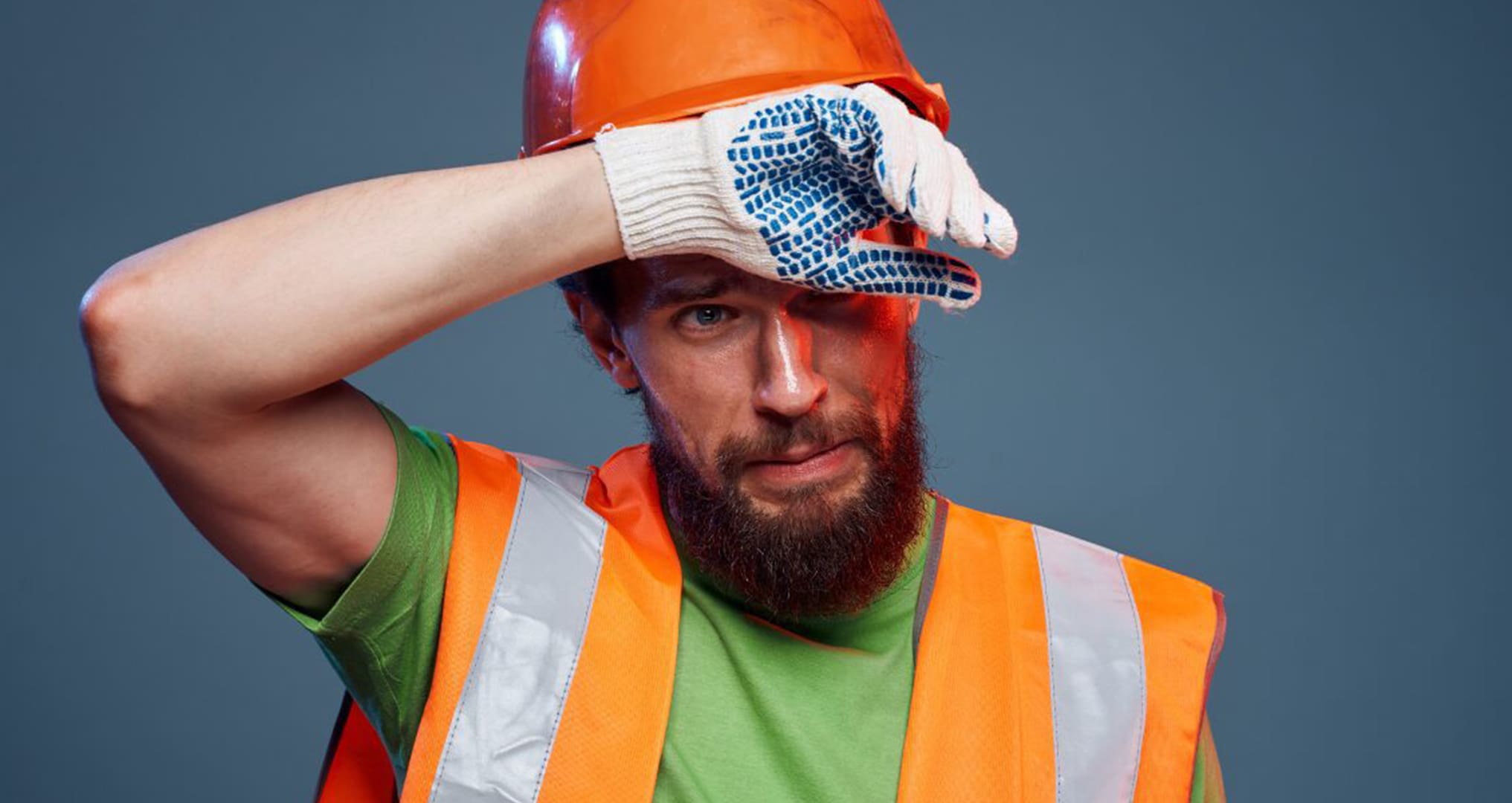
Glycogen is needed for any strenuous work and it doesn’t have to be special work; it could be your job as we know there are many jobs that require a whole lot of muscular effort.

Suddenly I was intensely tired and could do no more.

I had to stop. I could hardly walk into the house. Boy was I tired! Almost weary.

I drank a Shaklee’s Hydration product. It wasn’t enough. I was too dehydrated for instant results.

I then thought of a Recovery drink that is higher in carbs, sugars, and sodium. (I chose Shaklee’s Build+) I added this to my next drink, with more Hydration product.2

But I was sooo tired. I needed to lay down.

In about 30 minutes, I did feel better and was back on my feet. I was amazed at how different I felt. No longer tired.

I had never noticed the HUGE difference when you give your body what it needs at that moment! It was a lesson learned and to be shared.

What is this lesson?

For one, don’t try to be Superwoman or Superman. Learn to cut down big jobs into sections or days if needed. When you are on the job, look at what needs to be done. Break it up into sections that will allow you time to hydrate and replenish. Work with the weather if you can. (This can mean heavy work when the temps are cooler and not at mid-day.)
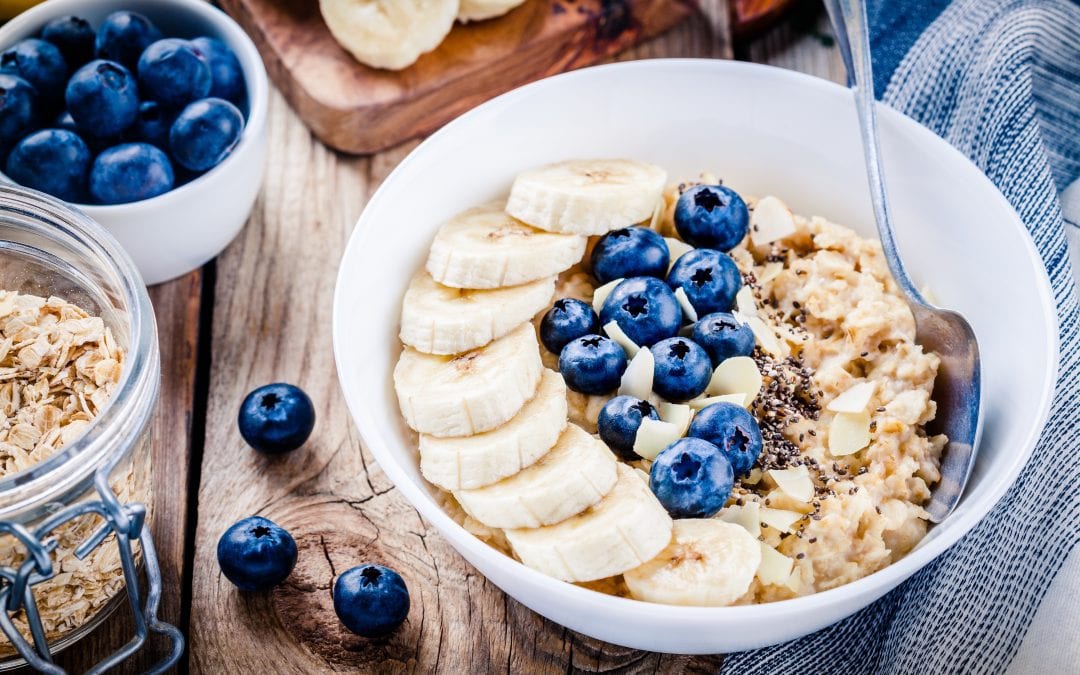
Two: Eat a good breakfast: even if I’m only trying to get yard work done in a short amount of time. (working against the heat of the day.) I suggest Oatmeal with fruits. High carb and good sugars. Drink a good amount of a good Hydration product. (I’m not talking Gatorade here.) Be careful as to quantity as you don’t want to swish those liquids when bending and stretching. You technically should drink your fluids one hour before exercise.

Three: Prep and have a hydration drink available to sip while you are working or exercising. Keeping hydration up does make a difference. Yes, this means that not only do you need a rake, or shovel, or trowel, or whatever equipment needed for the project, you also should prep a good hydration drink to have close by.

Four: Water is not your friend when you are working. Fluid levels are affected by many things. And water does not have the needed electrolytes you are expending.

Sports drinks are not your friend when you are dehydrated as many are too high in sugars and low in needed electrolytes.

Five: Pace yourself. Rome wasn’t conquered in a day. (If you are an endurance athlete, you need an different set of rules to reach your goal.) I’m talking to the average person who sets out to accomplish “great things.”

If you are running to get in shape for an upcoming race, let’s chat! There are different rules for fluids and foods when you are in competition.

Six: And most of all take time to recover. I’m not talking a nap on the couch. Yes, I laid down AFTER I had my Recovery Build+ drink and Hydration drink. (I am an older woman!) Recovery time is important!

I added a Recovery Supplement at bedtime. This one is an all natural anti-inflammatory and pain relief. Choose wisely to be able to sleep well without pain.

Recovery is important to your body.
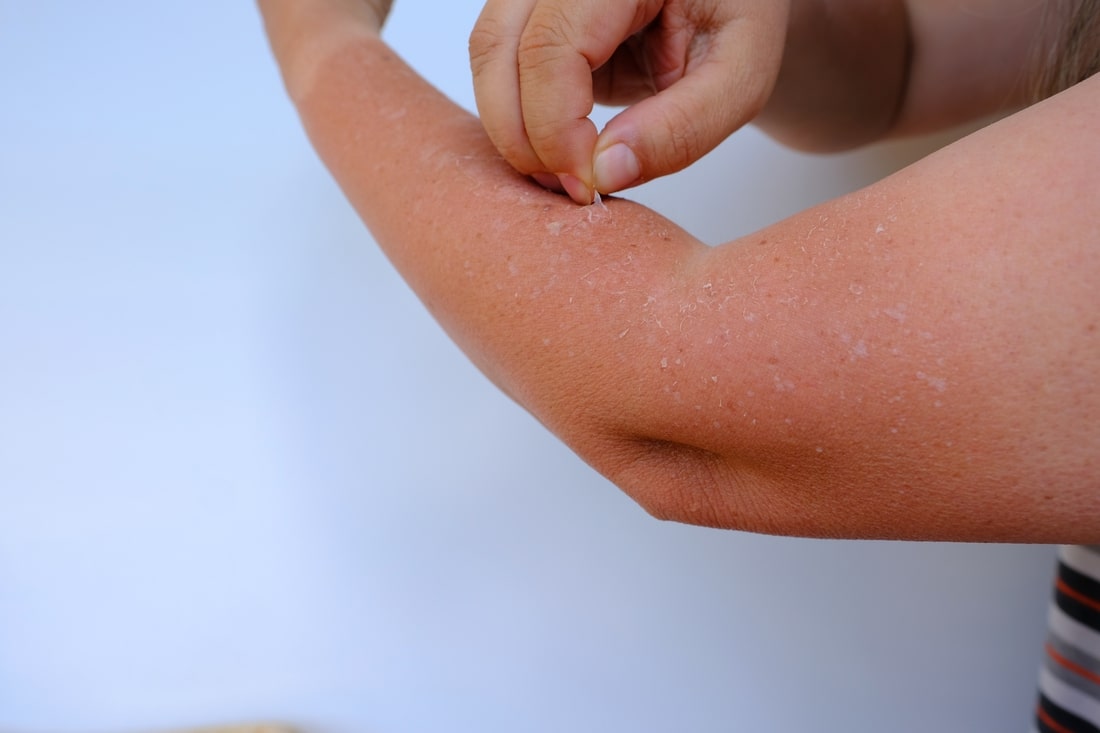
Have you ever noticed that after a day in the sun, or a sweaty workout, your skin feels a bit gritty? That grit is actually the salts that have left your body along with the water when you sweat.

Hydration before the shower! Running water over your skin does not hydrate your skin. Stay hydrated through the exercise and you won’t notice the dry skin.

What to eat? Celery, cottage cheese help with fluid retention. Bananas are good for potassium. Nuts, seeds and dark green leafy greens are good for your tired muscles.

Calcium helps with muscle contraction and is a good liquid for the Recovery drink. Soy, coconut water, milk (now you know why the Indy drivers drink milk after a race), iced tea and a good Hydration product. Pedialyte is good. 3

With a child athlete: pack a banana, nuts, orange slices. Add a good hydration drink, not just a bottle of water.

Recovery foods are important to help with the healing of the muscles used during the strenuous exercise. (You do want to go back out tomorrow and finish the job?)
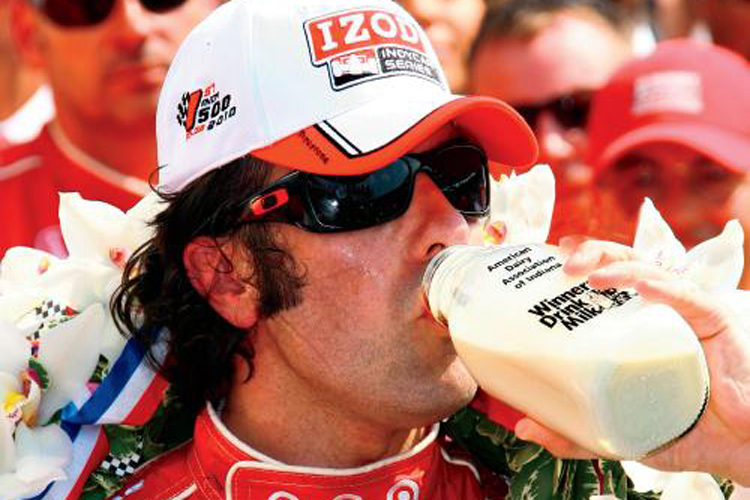
Indy 500 winner drinking milk

Be choosy. No fast foods. No hot dogs or burgers. No fries. No popcorn as that kind of salt is really too much.

A good salad will be a good start. And maybe a glass of milk! We talked what to pack.

And get a good night’s sleep.

Next time: Plan ahead!

https://wellness.maryjessen.com/home

  1. https://my.clevelandclinic.org/health/articles/23509-glycogen ↩︎
  2. https://us.shaklee.com/en_US/jessen/Nutrition/Fitness-%26-Exercise/Pre-%26-Post-Workout/c/24000 ↩︎
  3. https://www.nutritionnews.abbott/healthy-living/diet-wellness/thirsty-common-hydration-mistakes-you-may-be-making/#:~:text=In% ↩︎

Why Your Cleaning Products May Be Harmful to Health

Who likes to “spring clean?” I know…no one does! I wish the dust bunnies would take the dust away!

Many of us “spring clean” so that we can leave the indoors inside. Once it gets nice outside we want to be outdoors. Warm weather seems such a short time in comparison to cold weather. I want to enjoy the outdoors as much as I can!

I like to think I leave my worries about deep household cleaning as a “done chore” once I move outside. I really Love to Garden. I love my patio! I love my birds! And pool parties!!

However, are you aware that cleaning the inside of your home can put your health at risk!

The toxins in cleaning products put men and women, who work inside the home, at risk. There are obvious toxins in the furniture, carpets, cabinets, and fabrics, etc. inside the home. But then we add the chemicals from cleaning products, disinfectants, and aerosols.

Our quest to make our home clean leads us to trust advertising. Advertising promotes clean odors inside the home. Marketing leads us to believe that our home has to have an odor.

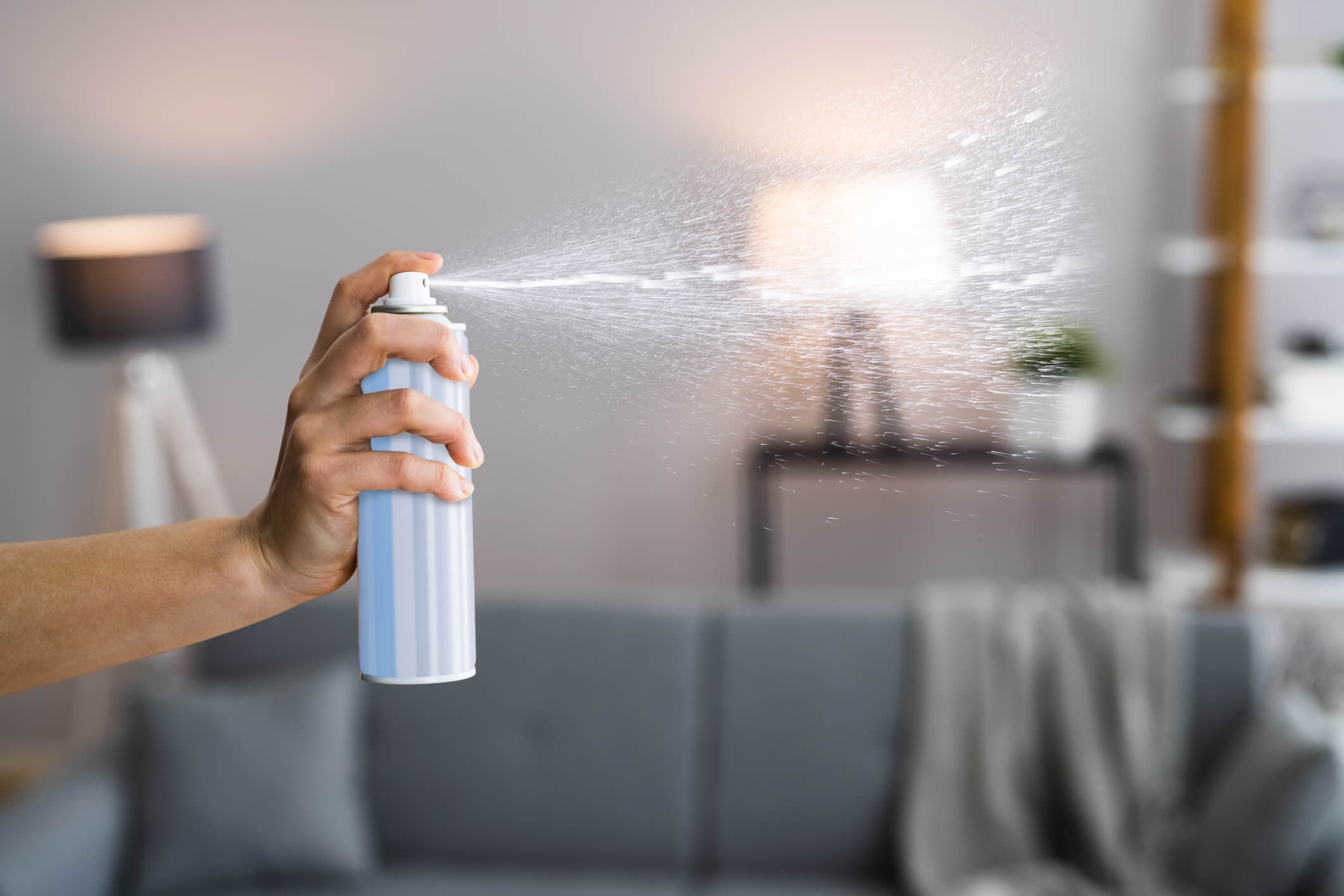
First all: spraying chemicals into the air to create a fragrance is not good for your health. Cleanliness does not smell. Your home should be odor free and a place for your body to rest and restore.

Have you read the labels of spray fragrances?

The primary chemicals enable the product to spray and release from the can.

They commonly include hydrocarbons like propane, butane, and isobutane. All of these are not good to inhale. They are needed to be able to “spray,” but not needed in a clean house. Some of these chemicals can cause an allergy “to be home.”

Who decided that your home had to smell of fragrances?

Clean does not smell. Clean does not have an odor. Your home should not “smell.”

I can’t help but wonder why advertising makes us believe that our son’s room will smell bad? I raised two boys, who shared a room. There never was an odor?

Fragrances can contain many harmful chemicals, including phthalates, parabens, styrene, musk ketone, methylene chloride, limonene, and acetaldehyde. These chemicals can cause health problems and damage the environment. These chemicals can create havoc as we breathe them in.

Let’s look at cleaning products.

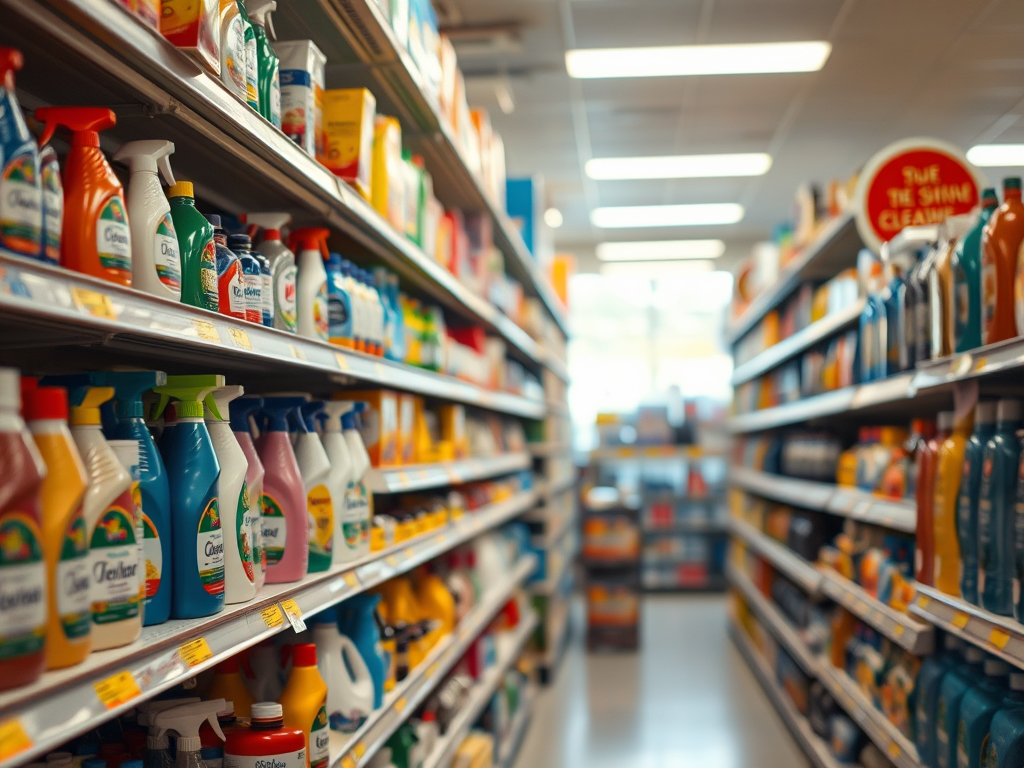
You can smell chemicals when you walk down the cleaning aisle at the grocery store. That aisle definitely has an odor. And it really is not a health-friendly or earth-friendly odor.

I wish there was an odor down the cookie aisle!

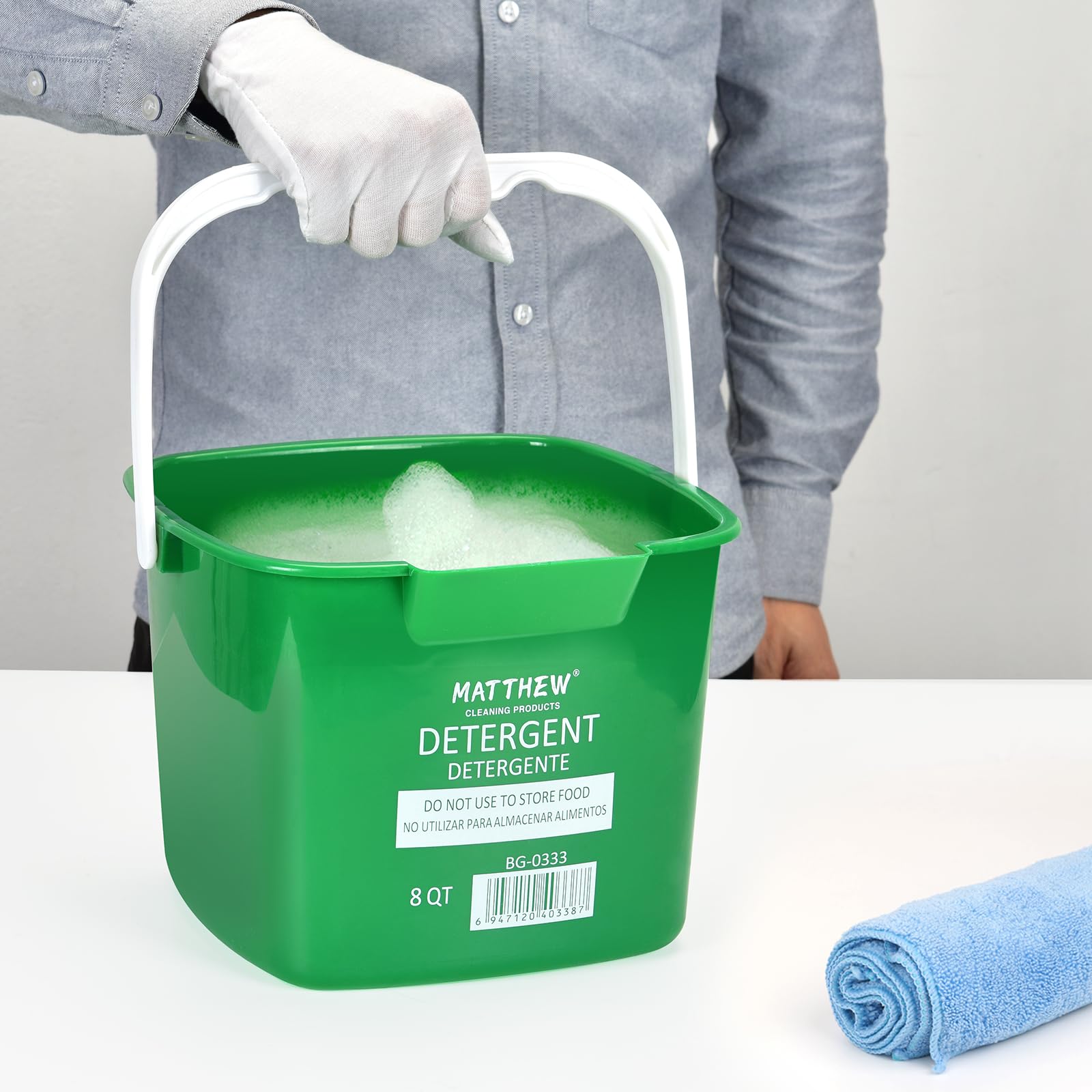
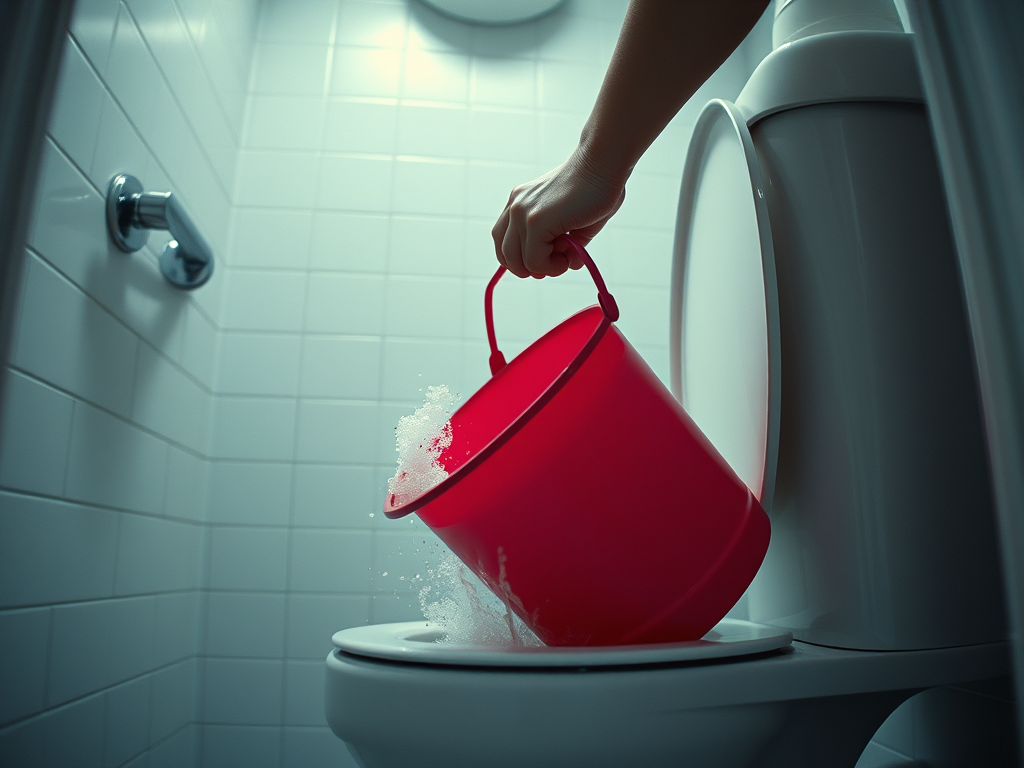
Do you fill your pail with your favorite smelling cleaning product and water? Then did you dip your hands and cloth into the mix?

What did your hand feel like afterwards? Did your hands sting or feel very dry? Does cleaning create a rash or burning sensation if you don’t use gloves?

Do your hands feel sore after cleaning? Do they need lotion? Are your hands a bit red? Do you HAVE to wear gloves?

The NEED to wear gloves should be an Huge indicator! There is something in that bottle, now in suspension in your cleaning pail, that is not good for you. Why would you have to put a layer of rubber between your hands and the cleaning agent?

To make things Clean, wouldn’t you want no chemicals? How can it be clean if the surface contains chemicals? You will absorb them by touch but needed gloves to put there?

How do these Chemicals get into the water supply?

When you are cleaning, you grab what is familiar for the job and fill your pail. Once the job is done, what do you do with the cleaning agent?

You dump in down the drain or the toilet.

What happens to that bucket of cleaning solution, that you needed gloves on to work with?

Some chemicals cannot be filtered out by your city’s water treatment plant. They end up back in your water supply. This in turn will affect the wildlife and farm animals that drink it. Agriculture will also absorb those chemicals as they are now in the soil.

Endocrine Disruptor:

Are you aware that there are common surfactant cleaning chemicals that are an endocrine disruptor? That means it causes adverse reproductive effects for those in contact or exposed to the polluted water.

Frankly endocrine disruptors frighten me. They can affect fertility today. They can also affect future generations.

Phyhalates and Triclosan are two that are not human friendly.

We read that Triclosan is slowly being discontinued as research for adverse effects becomes more known. It used to be in hand sanitizers, but was removed.

Phthalates are common in air fresheners, and laundry products (part of fragrances). They are now also found in all water sources including rainwater.

Phthalates cause severe reproductive and developmental disruption to aquatic organisms such as bacteria, algae, crustaceans, insects, and even fish.  We have not used it long enough to see what it does to humans.

We Need to be Educated! Future generations are depending on us.

Look at OSHA (Occupational Safety and Health Administration) for guidance:1

OSHA states:

“Many factors influence whether a cleaning chemical will cause health problems. Some important factors to consider include: (These factors will help to determine what cleaning product is needed. You may only need just soap and water.)

1.Look at the chemical ingredients of the cleaning product. (When was the last time you read the label on your favorite cleaning product?) Make yourself familiar with chemicals you don’t want in your home.

2. How the cleaning product is being used or stored. (There are some products that should not be stored inside your home, let alone under the kitchen sink. If the chemical should not be stored under the sink, what is that indirectly telling us? )

3. Do you open windows when you use cleaning products? Is the bathroom, especially the shower area, well-ventilated when you clean? Ventilation is VERY important with the use of chemicals. (Again, does this mean you can’t inhale it?)

4. What happens if the undiluted chemical is spilled or splashed? (Will it remove paint or finishes from wood?If the chemical removes paint or finish what will it do to your skin? Oh dear!)

5. What happens if the undiluted chemical comes in contact with your skin? (Will your skin be affected? Oh dear!)

6. Are there mists, vapors, or gases released? (This would apply to aerosols. Aerosols are meant to be inhaled. What is it that is going into your lungs?)

These are scary questions. You can find some of these warnings on the labels. Are you paying attention to them?

Do you read the label as to what you can and Cannot mix together? ( Bleach and toilet bowl cleaners are one!)

OSHA recommends:

BEFORE you clean: determine what is needed for the task. Does it need just a thorough cleaning? Does it need to be disinfected? Not all surfaces need to be disinfected every time you clean it.

You may only need soap and water to clean that spot.

When you get into disinfection, you need to read labels.

If a cleaning product is listed: “anti-bacterial” you need to read more and check the ingredients.

If the cleaning product says it kills bacteria, fungi, and mildew, it will also kill algae. Algae is an important element in our water ecosystems and food chain. We sure don’t want our bucket of cleaning product to upset the Food Chain!

Be very careful with disinfectants and especially their disposal. Do your research.

It says: “Green!”

Are you aware that just because it says “GREEN” on the label, it does not mean it is safe? It also does not mean it is chemical free. The word “Green” can be a marketing word.

Marketing can be very misleading. We need to be aware.

Certified Green Cleaners must meet specific criteria as defined by the certifying organization. This is where it becomes quite scientific. A certification, with the certifying label, will indicate whether it has been thoroughly tested.2

This certification will also let you know whether the product is safe for inside your home. Look for a certification label on Green products.

Using Certified Green Products will not only protect your family’s health, but also the environment. Seventy percent of waterway pollution comes from toxic chemicals. 3

What can I use for a cleaning product now?

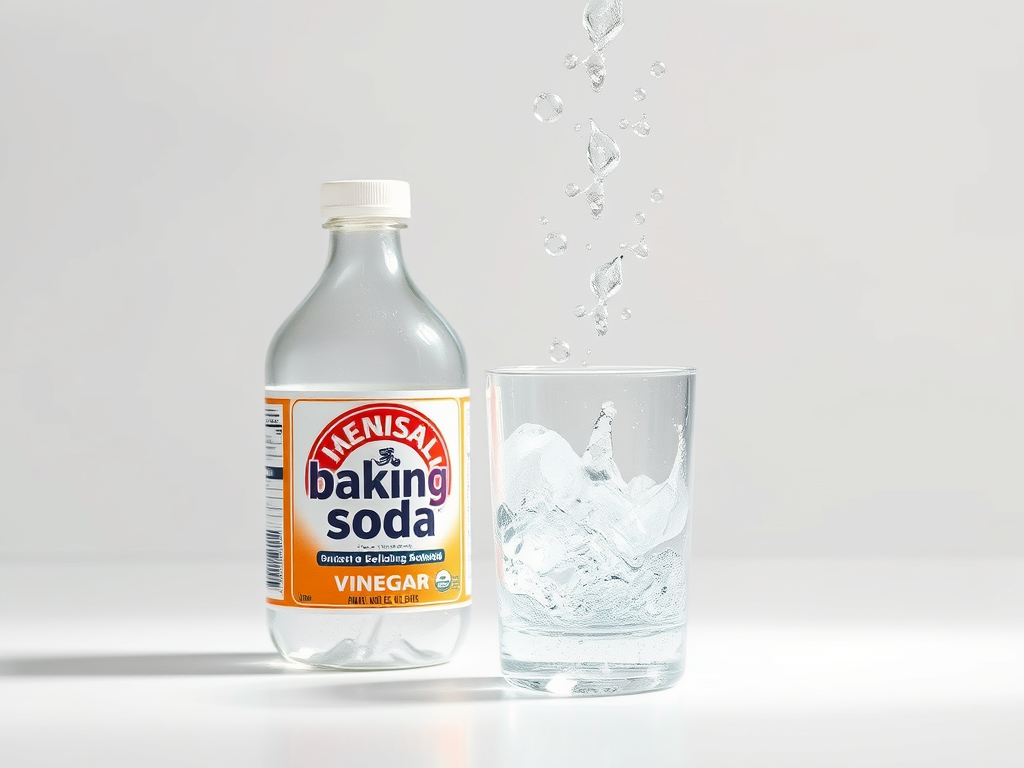
For general all purpose cleaning: Mix 1/2 cup of vinegar with 1/4 cup of bicarbonate of soda (baking soda). Add 2 gallons of water. This will be a great home-made all purpose cleaner. Now you may have a vinegar smell to contend with, but it is not an unhealthy dilution.

Vinegar and baking soda will work on most surfaces. Most surfaces.

Do Not Use Vinegar on wood surfaces, stainless steel, in irons, and garment steamers. Avoid using it on grout between tiles, inside your washing machine, electronic screens, egg spills, or stains. Do your research before assuming vinegar is your safe all-purpose cleaner. 4

Remember that vinegar will not disinfect.

I choose a certified Green Clean Company.

I would be remiss with this blog if I did not conclude with a recommendation. I’ve done my homework. Fifty years of cleaning my home has led me to one company.

I choose the Shaklee Corporation’s cleaners for my cleaning needs.

Shaklee was one of the very first Earth Day products.5 They are deeply involved in deep ocean explorations and even clean the explorers ships. (To me, that says a Lot!)

Shaklee’s Basic H2 is an all purpose, natural cleaner for all surfaces. It is ph-balanced and is in a concentrate.

Using a different solution, I can clean windows, floors, counters, doors, and even bathe my children in it. What I found amazing is that after a bath, it does not leave your skin dry. You won’t feel like you need a lotion.

I do not have to worry about special products for special surfaces. It is an all-natural all-purpose cleaner. Nature does not harm.

I remember camping in the 70s when we all became aware of chemicals in cleaners that were not our friends. My family was not allowed to bring dish wash detergents into the park. What to do to clean after meals? I was glad I had Basic H.

It was at this time I learned about natural cleaning products. I discovered that cleaning products can be safe for nature. They also do not harm the health of my family and myself.

I, also, learned about the negatives that cleaners can do to our bodies, our homes, and our children.

Once I did the research, it was an easy switch for me.

I cannot eliminate all the toxins in my home. It is not just carpets, but also furniture, cabinets, flooring, paints, etc. I think we’d have to live in a stone house? I have a feeling it would be quite cold in the winter!

What I can do, is to switch cleaning products to a company that puts Nature first. At the very least, this will help to improve the air inside my home. Good laundry products will also help with allergies. Good natural cleaning products will also make the cleaning person happy!

I did the research and I chose a good product line.

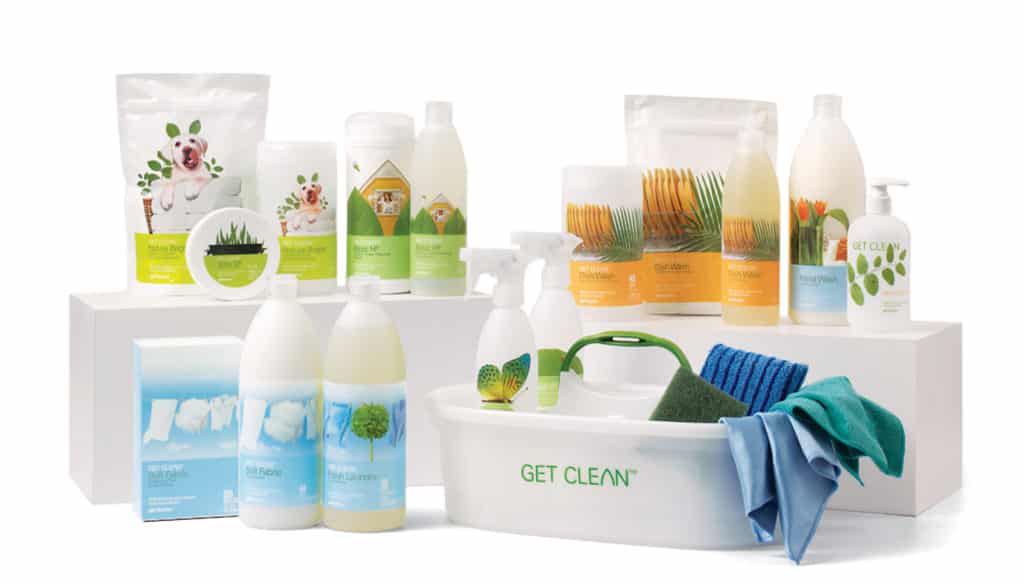
I strongly recommend the Shaklee Corporation’s Get Clean line of products that also includes laundry.

And I can state: they work.

Take your health seriously. You are the one to decide what is healthy for your family.

https://wellness.maryjessen.com

References:

  1. https://www.cdc.gov/niosh/docs/2012-126/pdfs/2012-126.pdf ↩︎
  2. https://www.epa.gov/greenerproducts/buying-green-consumers ↩︎
  3. https://blog.remoovit.com/2023/01/11/environmental-dangers-in-cleaning-products/ ↩︎
  4. https://www.goodhousekeeping.com/home/cleaning/a62330960/things-you-should-never-clean-with-vinegar/ ↩︎
  5. https://wellness.maryjessen.com/ ↩︎