Enjoying the good things in life!

Archive for the ‘Skin Health’ Category

Self-Care: At-Home Spa Day for the Holidays and into the New Year!

Are you struggling to get into the “Holiday Mood?” Sometimes the holiday can be quite overwhelming. There is soo much to do! It may seem that every hour is spoken for with work or a holiday task.

But stop! You need self-help!

Maybe you need some self-pampering!

Create a special holiday tradition for you and your loved one.

We’ve talked about how important it is to take care of yourself. You can do some easy at-home-spa treatments. Perhaps, you can enjoy them with a sister or daughter. Make it a special time, a holiday routine. Make this a holiday tradition.

Set a place. Gather nice towels. Maybe light a candle. (What’s your favorite scent? Peppermint?) Get some beverages together: Hot cocoa? Wine?

Pampering your skin: your hands and feet, is more than just cleanliness. It is investing in your own self-care. When our bodies are well taken care of, our emotional and mental well-being will improve also.

(Side Note: I am endorsing the Pomifera line of products. It can be daunting to find a good product line that does more than one thing. I don't like a bunch of bottles. And this is a pure Natural product! I like using Natural products and not chemicals.)

Assemble tools to use: Get your supplies together. Perhaps a tray or a pretty box? Keep them together so you can use them again throughout the year.

Gather: (Soap and water a small bowl for hands, a larger one if you are doing a pedicure for feet.) Fluffy towels, nail polish remover (without acetone if possible. Acetone removes nail polish easily, but it harmful to the nail bed.)

You might want to add a scrub brush for your busy nails. (I keep my tools in a small box and I’m always ready.)

Nail clippers, cuticle oil (Pomifera oil I’ll talk more of this later.); cuticle pusher; nail files; buffer; alcohol; cotton pads.

Base/top coat, nail polish;

Foot soak: perhaps some scented Epsom salts; foot exfoliator (can use a sugar scrub or Pomifera’s); foot stone for feet.

What product to use for nail care? Suggestion:

Gather good moisturizing products together. I recommend Pomifera, a natural line of products from the commonly called, Hedge Apple or Osage Orange Tree.

Does it look familiar? I bet you see it along country roads under the trees this time of year. It is not edible, but it’s seeds are where the benefits lay!

The extract of Maclura Pomifera (Osage Orange), the fruit, is rich in folklore dating back to early Native American culture. For centuries, it was used as a botanical source for treating medical ailments. The seeds were also used as a nutritional source of amino acids, proteins, carbohydrates, essential fatty acids and lipids. (You can roast the seeds, but the flesh is inedible.)

The light weight, Omega-6 rich, UV protective 100% Pure Pomifera Oil is isolated through cold pressing. It comes from the seeds of the Maclura Pomifera fruit.  This Vegan product is the rarest, most coveted oil for hair and skin care in the world.  It is nature’s unique mix of phytonutrients and bio-flavonoids that deliver the benefits of Pomifera Oil.  All of Pomifera’s products deliver moisture, shine, and body because of this luxurious oil.

(What I like about the Pomifera oil is it does not become oily on my face and hands. My skin soaks it right up to leave it feeling moisturized. I even use it as a bedtime moisturizer. No oil marks on my pillow!)

It really is quite easy to do an At-Home Spa treatment. I choose at at-home spa treatment as I can do it more often or when I feel I need it. I keep my materials together, so it is an easy procedure. Sometimes just a pedicure, and sometimes both!

Spa time: Manicures and Pedicures:

An at-home manicure is really quite simple. And it feels so good after! I’m starting with a manicure as this happens more often than a pedicure. But truth: Pedicure should be first if you are doing both.

Wash and dry hands and nails.

  1. Start with clean hands and nails. Wash your hands thoroughly. Remove any old nail polish with a acetone-free nail polish remover. Acetone can dry out your nails.
  2. I recommend Pomifera Body Butter Cleansing Bar to cleanse your hands and nails.
  3. Dry your hands thoroughly.

Pomifera Body Butter Cleansing Bar is a gentle and non-drying cleansing bar. It creates a rich and creamy lather. This lather leaves the skin clean and refreshed. Pomifera cleansing bar is infused with antioxidant-rich botanical oils to nourish and condition the skin. These oils also protect the skin’s natural moisture barrier. Pomifera cleansing bars are made in small batches. They are formulated with anti-aging Pomifera oil. This oil is a potent source of antioxidants, omega-6, and other bioactives.

  1. The next step is to Trim and Shape. You don’t want to trim and shape a soft nail. Soft nails will lend to peeling or cracking.
  2. If you are removing a lot of nail to make the nails similar, cut the sides first. Then, snip the middle to shape them up.
  3. If you are refining your shape, a simple filing will do. Glass files are the least likely to leave a jagged edge to your nail. Emery boards should be new and unused.

To shape the nails: file at a 45-degree angle. Move in the direction of your thumb in smooth, single strokes. Don’t go back and forth. Finish the nail with one stroke in the opposite direction from what you started with.

Going back and forth with an emery board actually weakens the nail edge and can lead to chipping or snags. (I recommend a clean/new emery board for manicures.) Always in one direction.

If you want square nails, carefully file the top. Shape the sides by gently filing upwards. For more rounded nails, follow the cure of your fingertips.

This is where I like to use an alcohol wipe to cleanse again, and detoxify. It removes filing shavings and cleanses at the same time.

  • Use a cuticle clipper to get rid of any hangnails.
  • Make certain your clipper is clean. You may want to rub with a cotton square dipped in alcohol.
  • ( I really try to keep my manicure items clean as you don’t want to be rubbing bacteria or dirt into your nail bed.)

Soaking, cuticles and exfoliating:

Soak and exfoliate calluses and push back cuticles. Here again, you can use Pomifera Oil, this time for a cuticle oil.

After pushing back cuticles, Now is the time for a hand-soak. Let your hands feel the warmth of the water.

What is the best thing to soak your hands in? Suggestions:

  1. Chamomile tea hand soak deeply hydrates:
    • Two cups of brewed chamomile tea
    • One tablespoon of honey
    • A small bowl of warm water. Mix well.
  2. Or try: Use milk + honey” for dry hands. Milk contains vitamin D, which is very good for your skin. It’s an anti-inflammatory and it also exfoliates. Honey is moisturizing as well as antibacterial.” DIY Milk and Honey Hand Soak: Mix 1 cup of warm milk with 2 tablespoons honey.
  3. Rice water hand soak locks in moisture.
  4. Rose water hand soak speeds healing.
  5. Oatmeal and lavender soak soothes irritation.
  6. Let them absorb the moisture. You are softening the skin to get ready for exfoliating. This makes it easier for your skin to shed dead cells and tissue.

After a bit of soaking, rub an exfoliator in and gently exfoliate your hands. You then will rinse off the exfoliator. You can use your facial exfoliator or a sugar scrub.

After exfoliating, massage your hands with a good moisturizer, paying attention to the cuticle area. (Remember your nail grows from the cuticle.)

I recommend: Pomifera Restore: Facial Exfoliant is formulated to gently exfoliate and improve skin texture. Walnut powder removes dead skin cells, preparing skin to better absorb nourishing ingredients, and reveals brighter, softer, more radiant skin. This face exfoliator is infused with antioxidant-rich Pomifera oil for added anti-aging benefits and works on your hands too!

Don’t forget to push back cuticles at this time, and to prepare the nail for painting.

If you plan to apply polish, remove any excess moisture from the nail with a small amount of rubbing alcohol. I like to do this before painting. I want to make certain that the nail area is bacteria free and dry.

At this time, I would place any nail utensil that you plan on using again, into some alcohol to sterilize. I let them soak until I’m all done. Then air dry and put away for next time. Throw out emery boards.

Buffing:

Lightly buff your nail surface to give them a natural shine. This can also help the nail polish adhere better.

Begin with the coarsest side of the buffer to remove rough patches. Next, use the medium side to smooth the nail surface. Finally, add shine with the softest side.

Move the buffer horizontally across the nail, to help smooth any roughness. Use the soft edge of the buffer. Polish any creases in your nail bed. Polish where the sides of the nail meet your skin.

Your hands should be clean and soft and you are ready to paint.

Nourishing time for your hands:

If you want natural nails, this is the time to shine with a nourishing serum. (Again, I recommend Pomifera Complete Moisturizer and Anti-Aging Serum.) Apply oil and massage into the nail. Your nails will absorb this nourishing oil. I also use this on my toe nails. Use the oil only if you are not Painting! Use the Oil only on hands if painting.

Pomifera anti-aging serum/oil is a potent source of antioxidants, omega-6, and bio-actives. It has been clinically tested to improve the appearance of age spots on your face. It also helps reduce deep and emerging wrinkles and fine lines of your face. This serum uses Pomifera oil and essential oils. These oils deliver impressive results. They come from simple ingredients that are kind to your skin and the planet. This lightweight serum can be used on its own to soften, smooth, and hydrate. You can also incorporate it into any of your existing routines to help you glow your best.

I have chosen Pomifera as my line of moisturizing for my hands. I drop oil onto my knuckles and in between the fingers. I really like how it feels. It works. Your hands are important. Use a good product line for not only your face, but your hands and body too. I rub the oil into my knees.

Nail Polish Time for your fingernails.

First a base coat. I prefer Orly base coat as it wears very well. (Orly started with being one of the few to be formaldehyde-free. Remember formaldehyde can soften the nail bed significantly over time. Not good.) Orly base coat can also be used as a top coat.

Once you are ready for your main colored nail polish, dip and wipe the sides of the brush. Do this on the inside of the bottle neck. This will prevent drips. This way you also have better control where the nail polish goes.

  1. Paint nails in three strokes. Start at the cuticle. Brush up once in the middle. Once on the right side. Once on the left side. Any more and your polish will become bumpy or too thick.
  2. Apply one coat.
  3. Allow to dry.
  4. Apply second coat. I try to paint the edges of my fingernails. It helps to prevent chipping.
  5. Finally the top coat. Orly has a base/top coat. Dab extra top coat at the edge of the nail where chips can occur. The top coat will seal the nail polish and prevent chipping. It will also help the polish last longer.
  6. Always, always use a base coat (so nail doesn’t absorb the polish) and a top coat (to seal the polish and last longer)

Enjoy! Your hands will love the pampering, and you will love the feeling!

For fingernails I would change my polish about every 10 days. Do it at a time when you can allow the nail to breathe without a sealing base/top coat. This is when I use the Pomifera oil and rub into the nail and cuticle and let it absorb. Your nails will shine!

Do you want a pedicure? It is suggested to start with a pedicure first and then do the manicure.

I chose to talk manicure first as most people apply nail polish more often on our fingernails than the toe-nails.

However, if I was doing both, I would start with the Pedicure first. Then the hands. You want your toe-nail polish nice and set before putting socks and/or shoes on. And who wants to mess up fingernail polish when polishing your toes?

I love a pedicure. I do one often. I do it often even in the winter. I try not to paint my toe nails in the winter. Who sees my toes? I cleanse and moisturize with showering. Let your nails recover from the nail polish/sealers. Let your nails breathe in the winter.

Pamper yourself. You are important.

Time to pamper our feet and toe nails.

As you did before with hands, start with clean feet.

  1. Remove any old nail polish. Try not to aggressively scrub. Let the nail polish remover set a bit, and then gently wipe off.
  2. Cut: File: and Buff.
    This is important to do before soaking your feet. Just as with your fingernails, the nails will soften in warm water. They become difficult to shape when wet or damp. If you trim when damp, you can cause more damage and tears. The nail will not cut smoothly.
  3. Clip with clean nail clippers. (wipe with alcohol) Clip to length desired. I choose to cut short. It is up to you on length.
  4. Then file the edges so they are smooth. A coarse nail file works.
  5. Buff the nail as you did with you manicure. This smooths out the nail bed.
  6. Last in the pedicure is the foot soak.

Now is the time for a good foot soak!

Gather your “chill time” favorites as this should take a while.
Wash your feet good! Be certain to get in between your toes.
Using a foot soak is so nice! (Great Christmas gift!) Some foot spas even massage your feet! Add 1/2 a cup of Epsom salts and sit for about thirty-to-forty-five minutes.

Take the time to relax. Enjoy that cup of tea. Sip the wine? Read a book. Disconnect from your phone. Enjoy the soak.

Cuticles can be a problem even for your feet. Massage a cuticle oil (Pomifera works great!) into the nail. Leave it soak in a bit. Push back the cuticle, gently with a cuticle pusher. Scrape any dead skin off the top of the nail.

Your feet love exfoliation too! A sugar scrub or a special foot scrub can work. Use something a bit more coarse than you would for your face. Scrub your entire leg including your knee cap. (Remember you can use Pomifera Exfoliant for face and legs and feet!)

Health benefits from a pedicure?

A good foot soak and massage can improve blood circulation and lower your blood pressure. It encourages better sleep and reduces feelings of anxiety and depression. It boosts energy levels and improves immune performance. It can reduce edema in pregnancy and speed recovery in foot injuries.

At home foot massage! You can do this to yourself!

Massage your feet while they are warm. Reflexology is the belief that putting pressure on certain areas of your feet can heal ailments elsewhere in your body. I do know it feels great!

With holidays: The foot massage of choice is for Anxiety: Curl your toes. Look for the depression just below the ball of your foot. Place the pad of your thumb in this depression. Hold on to the top of you foot with the other hand. Massage the area in small circles. Alternate this with holding the area firmly and pressing down.

To address low back pain, focus on your arches of the feet. Concentrate on the pressure points in your arches. Use a few drops of oil or lotion for lubrication. Moving from the heel to the toes, alternate moving your thumbs in a series of short strokes. You can press in with your thumbs. Then, “cat walk” along the arch like a cat making its bed.

Doesn’t hurt to try! I know your feet will feel good after.

Time to Break out the foot stone:

With softened skin, now is the time to use a foot stone. Work the soles of the feet and cracked heels. Focus on any area where there is rough skin.

Be careful not to be too zealous. You don’t want to make your heels sore. Gently break down the callused and dead skin to leave a healthy texture behind. Be good to your feet.

You may want to keep that foot stone in your shower to use weekly. Even in the winter, your heels can dry out. Don’t wait until they are Very rough. Always moisturize after.

Moisturizing is the best! Slather generous amounts of soothing moisturizing cream onto your feet and legs. Some recommend wrapping your leg and feet with Saran Wrap. This locks in moisture. It ensures your feet stay soft longer after you finish your pedicure. (You can leave the wrap on for a couple hours, or even overnight.) Once time is up, unwrap your feet and legs and massage extra cream into the skin.

Toe Painting Time!

Do you have a favorite color? Do you paint for the season? Whatever you choose, as you did with your fingernails, apply a Base Coat first.

Then two coats of color.

Finish with a Top Coat. Just as you did for your fingernails. The base coat protects the nail from absorbing the paint. The top coat seals the color and helps prevent chipping.

Be certain to let the nail polish dry completely before putting on socks or shoes, or slipping into bed.

Holiday De-stressing:

With the stress of the holiday season, take time out for yourself. Include your daughter or sister if you want. Make it a special part of the holiday season. You will be surprised at how calm you can feel after a good manicure and pedicure.

Holidays can have special moments. And sometimes those moments can be taking time for yourself. Teach your daughter or your sister or best friend, to take care of themselves too. Happy memories!

I know you will be happy if you did this!

Happy Holidays! Hugs! Mary.

https://wellness.maryjessen.com

References:

https://www.medicinenet.com/10_surprising_health_benefits_of_foot_spa/article.htm

https://voesh.com/blogs/news/the-power-of-pampering-6-health-benefits-of-regular-manicures-pedicures

https://www.womenshealthmag.com/beauty/a32176386/at-home-manicure

https://www.wikihow.life/Give-Yourself-a-Pedicure-Using-Salon-Techniques

https://www.goodhousekeeping.com/beauty/nails/a28170147/how-to-do-a-pedicure-tips/

https://www.elle.com/beauty/makeup-skin-care/tips/a28092/how-to-get-great-feet-at-home/

https://www.paulaschoice.com/expert-advice/skincare-advice/body-care/how-to-give-yourself-a-manicure-at-home.html

https://www.wikihow.life/Give-Yourself-a-Pedicure-Using-Salon-Techniques#aiinfo

  1. Kristin Pulaski. Salon Owner & Nail Specialist. Expert Interview. 19 May 2020.
  2. https://www.goodhousekeeping.com/beauty/nails/a28170147/how-to-do-a-pedicure-tips/
  3. https://www.elle.com/beauty/makeup-skin-care/tips/a28092/how-to-get-great-feet-at-home/
  4. https://m.youtube.com/watch?v=t1FM9LiJA0w&t=2m41s
  5. Kristin Pulaski. Salon Owner & Nail Specialist. Expert Interview. 19 May 2020.
  6. https://www.cosmopolitan.com/style-beauty/beauty/how-to/a5101/things-about-painting-your-nails-you-might-not-know/
  7. https://www.cosmopolitan.com/style-beauty/beauty/a27754061/how-to-pedicure-at-home/
  8. https://www.epa.gov/safepestcontrol/preventing-pedicure-foot-spa-infections
  9. https://www.goodhousekeeping.com/beauty/nails/a28170147/how-to-do-a-pedicure-tips

https://www.yahoo.com/lifestyle/5-hand-soaks-ahh-172836131.html
https://www.ouroilyhouse.com/hand-soak/

Understanding Photoaging: Sun Damage and Skin Health

Most of us love to be outdoors. The sun not only provides us with light. Its warm rays also create “feel-good” chemicals released in our brain. Vitamin D, essential for healthy hair, skin, bones, and mood, come from the sun. However summer skin can leave us with a tight not-so-good feeling on our face.

Did you get sunburned this summer? Maybe your skin is a little darker? Did it tan?

Being aware of what damage the sun can do to our skin is the first step to healthy young-looking skin.

Our facial skin does age. It is exposed to the sun and UVA/UVB rays. Even the ultra-violet lights of the office can damage our skin. Did you know you should wear SPF makeup including lip mosturizer/SPF for work? It is surprising at what the overhead lights can do to damage our skin, and our lips.

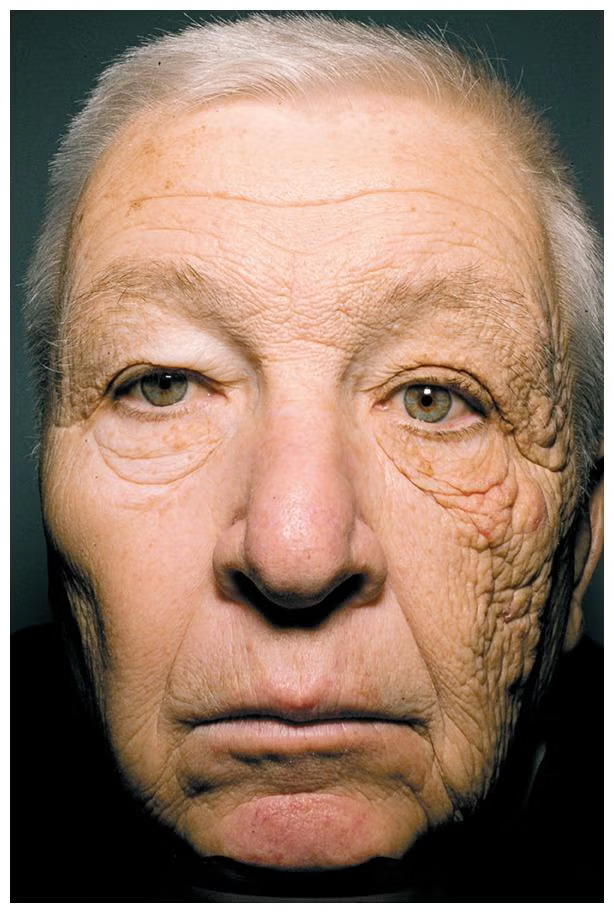
The man below was a victim of his occupation. What do you think he did most of his life? Now he has to be diligent about his skin’s health and be on the lookout for cancer.

What is PhotoAging:

When the sun prematurely ages the skin, this is called photoaging. This can lead to skin cancer. Dermatologists refer to the damage the sun does to skin by several names. These include photoaging, photodamage, solar damage, or sun damage.

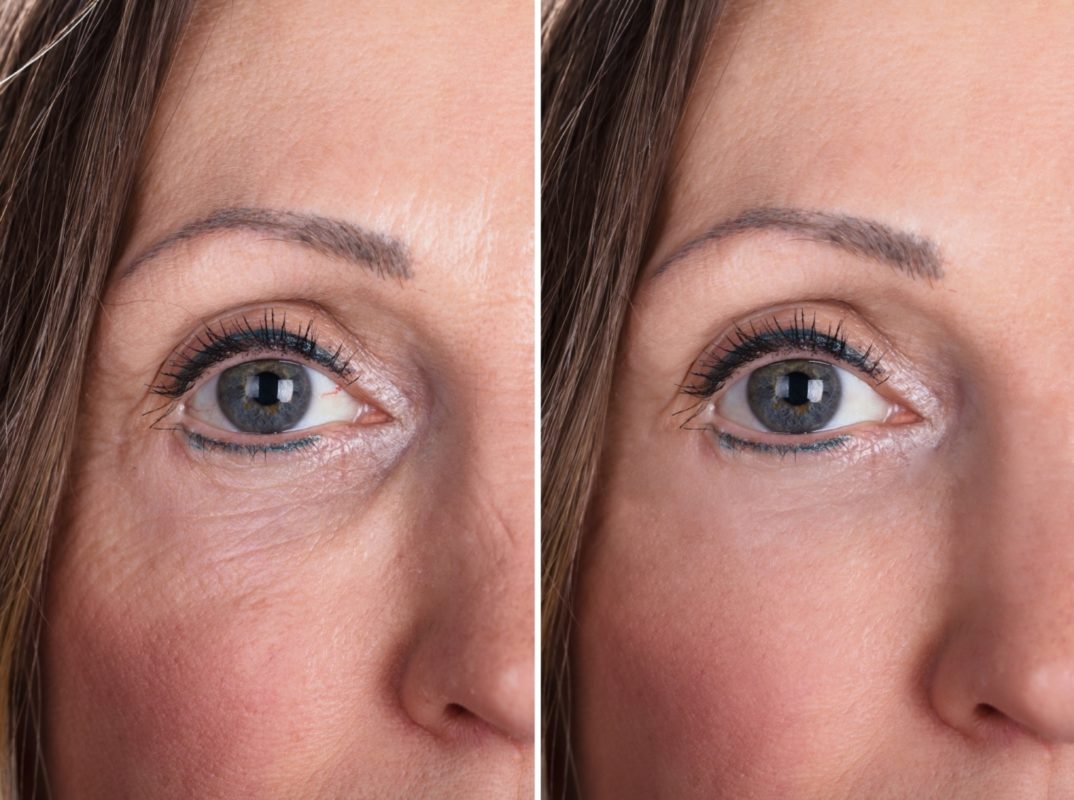
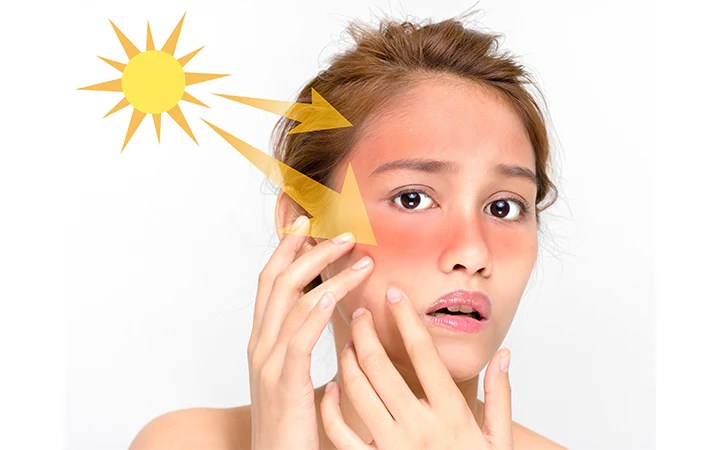
You will notice that the gal in the picture is not an old lady. Sun damage happens at any age when the skin is not protected. Staying out of the sun is sure protection; but who wants that?

We all need to learn to wear a hat when we are outside in the sun. Encourage your kiddos to wear hats. Have fun with it.

Too much sun can cause Photoaging. Dermatologists refer to the damage the sun does to skin by several names. These include photoaging, photodamage, solar damage, or sun damage.

Photoaging will increase your chances of skin cancer. Don’t play with that chance. Photoaging, caused by the sun, actually changes the DNA in your skin cells. Once the damage is done, the DNA damage cannot be reversed.

It doesn’t take long for your skin to be damaged. When the damage penetrates the lower layers of your skin, it becomes more difficult to handle. It may not be curable. It may also be difficult or costly to remove.

Some topical methods that may help your facial skin. You can treat, reduce and repair the effects of fine lines and wrinkles topically. These products will also smooth out your skin, giving it a softer touch. You can improve the feel, tone, and looks of your skin.

There are moisturizing creams that can protect your skin, and can include foundation creams that contain SPF protection. These products help in refreshing and protecting your skin and work well. The trick is to find a cream that doesn’t look layered on your face. You want a natural absorbing cream.

Look for Hylauronic Acid in the ingredients. This ingredient means that your moisturizer has “staying power.” The HA will lock in moisture and help to prevent drying. Look for this ingredient in body creams also.

Signs of photoaging: it can start early in life.

Photoaging can begin in your TWENTIES.

Signs can be: lines and wrinkles around eyes and mouth that increase in number and in depth. (Don’t forget that area of your face with sunscreen as it is often forgotten.)

Photoaging can also be worry lines on your forehead that never go away. Pigment changes, such as freckles, liver spots, age spots. White spots on your arms, legs, and back of hands (called idiopathic guttate hypomelanosis). (I have the white spots and they dry and itch. No cream will satisfy them, the damage is permanent.)

Uneven skin tone. Thinning of your skin. Lip lesions (actinic cheilitis) Red, rough scaly spots called actinic keratosis. Are you using an spf moisturizer for your lips?

These are all signs of skin damage.

Who is at risk?

Everyone really is at risk. From the time you started outside for a length of time in the sun, you are at risk. This includes now and into tomorrow if the sun shines over UV 3 rating.

However there are some people with greater susceptibility to sun damaged skin.

You are at risk if you have a light skin tone. If you have many moles. If you have freckles and burn before any tanning; this especially applies to people with red-heads and blondes. You are more apt to burn if your eyes are blue or green in color.

You are at risk if you enjoy tanning salons, and need that perfect bronzed look. During the week you are indoors, but on weekends you get intense sun exposure. Learn to use spray tans if coloring of your skin is important.

Are people of color at risk?

All skin colors are at risk of exposure to UV radiation. UV radiation exposure increases the risk of sun-damaged skin. People of color are less likely to get sun-burned because of the brown pigment, melanin, in their skin. Melanin protects the skin from some of the damaging sun’s UV rays.

If you have skin of color, you are less likely to burn. However, when it happens, your sunburn can be painful. It can also cause peeling. If this happens a lot as a young person, it increases your skin’s health risks as you age.

Oddly, there is no relationship of sun exposure and skin cancer for people of color. People of color are more likely to develop skin cancer on the palms of their hands. They may also develop it on the soles of their feet. The bad part is that this cancer is usually not detected until it is in later stages of cancer.

Health conditions that can predispose you for sun damaged skin:

You will have an increased risk of sun damage to your skin if you have an autoimmune disease. This includes Lupus erythematosus or any condition that would weaken your immune system.

Be careful if you have had an organ transplant. Be careful if you are taking any medication that can weaken your immune system. These include medications for arthritis, rheumatoid arthritis, psoriasis, inflammatory bowel disease, and cancer.

Some antibiotics will also increase your skin sensitivity. Be certain to read the prescription information when you are on an antibiotic. Ask your pharmacist for advice.

UVA and UVB light rays: the responsible rays for damage.

We’ve talked so much of UV and UVB rays. What are they?

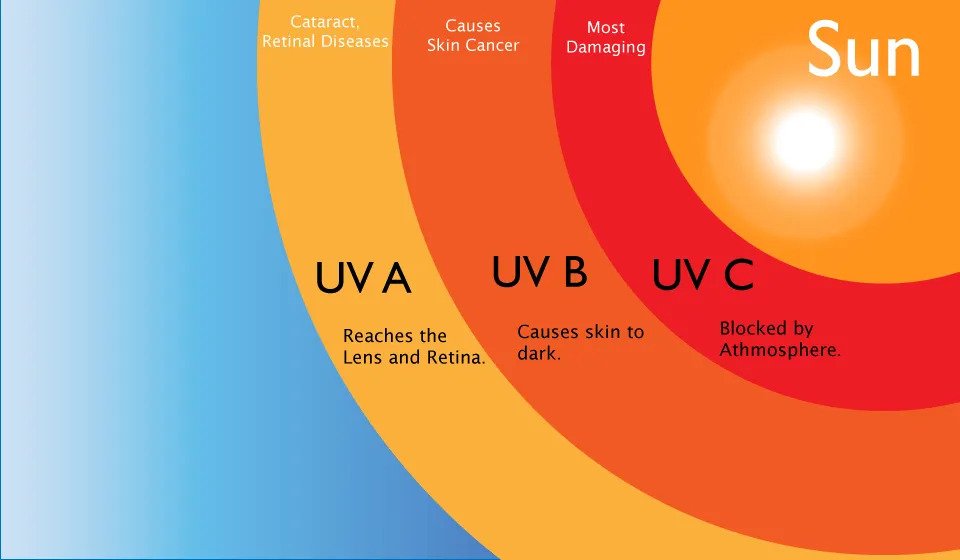
The sun actually emits three different kinds of ultra-violet rays. Long wavelength UVA or UV, medium wavelength UVB, and short-wavelength UVC. The shorter the ray, the stronger the light.

Interesting that the UVC radiation, that can kill humans instantly ,is absorbed by our atmosphere and never reaches earth. What comes to mind is the talk of the depletion of the ozone layer from environmental pollution. More UVA and UVB rays can get to earth. All of that can result in more aggressive skin damage for humans.

UVA rays: penetrate into the deeper layers of our skin and are responsible for the immediate look of tanning. UVA rays are a great threat as much of these rays are able to reach earth’s surface. They are present all day long, even when it is cloudy. Where there is light: there is UVA rays capable of damaging your skin.

UVA Light penetrates all levels of your skin to the deepest layer. UV light is linked to wrinkles, and probably plays a role in skin cancer.

UVB rays: are the ones that mother warned you about: you can get a bad sunburn from them. These also can cause cancer which is the skin cancers that are in the top layers of your skin. UVB rays are often referred to as the “burning rays.”

UVC rays: are very dangerous, but the ozone layer protects us. We need to be conscious of environment pollution and take care of this protective layer for earth.

What can I do if I have sun-damaged skin?

If you skin is damaged from cumulative sun exposure, treatments may be available for you. However, it is wise to talk with your doctor first. Then check with your insurance carrier before beginning any skin treatment. Many skin treatments are considered cosmetic and are not covered.

If you are noticing new or changing moles or spots that are brown, black, red, or white, please see a Dermatologist. Do this promptly. This could be the start of skin cancer.

If you have had a spot on your skin that continues to bleed: see a Dermatologist.

The Best “treatment” is to do your best to prevent it from happening. Always apply sunscreen of at least 30spf or higher to ALL exposed skin before going outside. Sunscreen is not a suit of armour. Even when applied properly, no sunscreen provides 100% protection against UV radiation. (Remember to apply when the UV rays are above 3.)

If you are very self-conscious of the damage: please see a Dermatologist.

How to reduce premature aging of the skin?

Don’t smoke. If you smoke: Quit. Another great reason to never smoke.

Eat healthy foods: a diet high in fruits and vegetables.

Drink less alcohol. The sugars of alcohol can damage your skin.

Exercise increases circulation and boosts your immunity, which improves the quality of your skin.

Get adequate sleep. 7s-9 hours a night. Give your body time to repair itself.

Gently wash your skin. Scrubbing can irritate. Wash your face daily. Exfoliate only once a week. Wash sweat off your skin as soon as possible. Perspiration can irritate your skin.

Apply a moisturizer every day. Apply within 3 minutes of bathing to lock in moisture. Look for moisturizers that keep skin hydrated and create a natural barrier to help seal in moisture. Hylauronic Acid is a great ingredient to help lock in moisture.

Management and Treatment: when you need help.

Photoaging cannot be completely reversed but some treatments are available that can rejuvenate your skin. First if you suspect a problem, don’t hesitate to have your doctor check it out.

Age spots are caused by overactive pigment cells. Ultraviolet (UV) light speeds up the production of melanin, a natural pigment that gives skin its color. This is manifested as age spots on skin that has had years of sun exposure. This happens when melanin becomes clumped or is produced in high concentrations.

Possible treatments: Retinoids and retinols: These encourage skin cells to slough off. This allows new skin cells to come to the surface. They stimulate collagen production, which keeps your skin tighter. These products are good for fine lines, wrinkles, age spots, and for reducing roughness and the size of pores. Be careful as these products can also be drying to your skin’s surface.

Vitamin C and other antioxidants: These nutrients slow skin damage due to rough chemicals. The damage is from free radicals which can cause skin damage. Antioxidants can also slow skin aging, lessen UV radiation damage, and decrease the breakdown of collagen.

Eating a good diet, eliminating fast foods, is a good start. Incorporate vegetables and fruits in your diet. Add good fish more often.

Alpha hydroxy acid: an exfoliant, which promotes skin cell turnover. This also can be quite drying to your skin. Be careful with exfoliants. They should really only be used once a week. Consult with a dermatologist.

Lightening agents: can lighten blemishes, sunspots and uneven pigmentation. Be careful of these over-the-counter treatments. Watch out for the ingredient: hydroquinone. This drug ingredient has not been approved nor recognized as safe and effective.

Laser skin resurfacing: These treatments remove the top layer of your skin. They increase collagen production, making your skin smoother and more even looking in appearance. Laser skin resurfacing treats uneven skin pigmentation, age spots, sun-damaged skin, fine line and wrinkles and more. Check with your insurance for coverage as this may be seen as cosmetic and not covered.

There is also Fractional resurfacing, photodynamic therapy, cryotherapy , Dermabrasion, Dermal fillers.

The laser treatment cannot be seen with the naked eye. It targets only a fraction of the skin’s surface area during each treatment session by design. It leaves the remaining microscopically untreated skin to help rapidly heal the treated areas. These treatments only last 3-5 years before another treatment is needed.

You might want to look into the above treatments if you have significant skin damage. I don’t know if these treatments are covered by insurance.

Last: a Facelift, (rhytidectomy) neck lift, brow lift, or other plastic surgery procedures. Treatments can be painful, sore, and expensive.

Prevention: Start early and continue throughout your life.

Start young. Teach your kiddos how to take care of their skin. Skin care should be taught along with tooth-brushing. When habits start young, they become ingrained and last a lifetime.

Apply and ReApply Sunscreen every two hours if you are in the sun swimming, exercising, playing ball, driving your vehicle. Even outdoors on a cloudy day.

Learn to wear a wide-brim hat. Use sunglasses with UV protections.

Don’t be afraid to wear lightweight long-sleeved shirts and pants when in prolong sun outside. Look for clothing with ultraviolet protection factor label for extra protection. There are clothing lines available with good skin protection that can be worn in the heat of the summer.

Or:

Avoid peak UV hours in the sun: 10:00 am to 4:00 p.m

Avoid all kinds of tanning salons. If you want a tanned look, use a spray-on tanning product.

Advice:

Create a new habit: Use sunscreen and reapply every 2 hours when in the sun. Learn to wear a hat when outside.

Teach your family how to take care of their skin from childhood on. Buy them a good looking hat with a large brim!

And have fun in the sun with proper protection!

Hugs.

https://wellnessmaryjessen.com

References:

https://www.fda.gov/drugs/drug-safety-and-availability/fda-works-protect-consumers-potentially-harmful-otc-skin-lightening-p

https://my.clevelandclinic.org/health/diseases/5240-sun-damage-protecting-yourself

https://www.mayoclinic.org/diseases-conditions/age-spots/symptoms-causes/syc-20355859

Maintaining Youthful Skin: Internal and External Approaches to Skin Aging

Oh dear! I’m beginning to notice lines on my face! I’m getting old!

What’s all the fuss about Hyaluronic Acid? Should I look into it? Does it really make a difference to the texture and aging of my skin? Will it help? How can I control aging of my skin, my face especially!

As we age our skin visibly changes in several ways. Our inner body is also aging is inside and we are unaware of it. Our skin is our first visible sign of aging. I like to think it is “Mother Nature’s Signal” to pay attention to needs that may be not satisfied daily.

We like to think nutrition as a weekly need. Reflection of all the fruits and veggies of the week is not enough to satisfy daily needs. Somehow we have lost the point that our body has DAILY needs. We think in terms of weekly points or calories. It should be in DAILY Recommended Values of Nutrition. (When we focus the fruits and veggies quotas, we will find ourselves more satisfied. Nutrient satisfaction with natural fibers, creates satisfaction long after meals.

Good nutritionally solid foods can relieve skin aging in five ways:

  1. Nutrition is closely related to skin health. Daily nutrition needs are required for all biological processes of the skin from youth to aging.
  2. Water is a vital need for healthy skin. Water in the body serves as: nutrient, solvent, transportation carrier, maintains body volume, and regulates our body’s temperature. Studies show that drinking more than 2 L of water per day positively affects our skin’s health. Proper water intake promotes deep hydration.
  3. Nutrients: iron, iodine, zinc, copper and other trace minerals are related to skin immunity and inflammation. Our body and our skin’s needs include trace minerals daily.
  4. Vitamin deficiency affects skin health. The lack of vitamins in your body can cause skin disorders.
  5. Proteins also play an important part. Their function is to construct and repair tissues, and supply energy. Are you getting the proper amount of protein Each and Every day? This amounts to
    • Protein requirements by age:
      • Babies need about 10 grams a day.
      • School-age kids need 19-34 grams a day.
      • Teens assigned male at birth need up to 52 grams a day.
      • Teens assigned female at birth need 46 grams a day.
      • Adults assigned male at birth need about 56 grams a day. You notice we need to increase our protein amounts as we age.

What foods will help my skin stay “youthful?”

  1. Healthy fats: Extra virgin oil is one of the healthiest oil. It is rich in healthy fats and antioxidants that reduce inflammation and oxidative stress. (Oxidative stress happens when there is an imbalance of free radicals within the skin cell.)
  2. Green Tea, which is high in anti-oxidants, help stabilize the cell. Anti-oxidants will not allow intrusion or formation of free radicals.
  3. Fatty Fish: salmon which can help improve skin elasticity and hydration is an example.
  4. Dark Chocolate: (Here be certain it is pure dark chocolate, not milk chocolate. Choose a variety that is 70% cocoa solids.) Dark chocolate is rich in anti-oxidants and flavanols which help with overall skin health.
  5. Vegetables. (You knew I’d get to these!) Vegetables carry anti-oxidants, but also many carry carotenoids which can help protect the skin against the sun’s UV rays. You still need an SPF sunblock.
  6. Flaxseeds: They are high in omega-3 and lignans, which also help fight against free radicals. These support your skin membrane and structure.
  7. Pomegranates: Anti-oxidant rich pomegranates may help with skin repair and protect the skin against sun-related damage. Most fruits are high in these anti-oxidants and should be a part of your daily diet. Try to incorporate it raw and not as a drink.
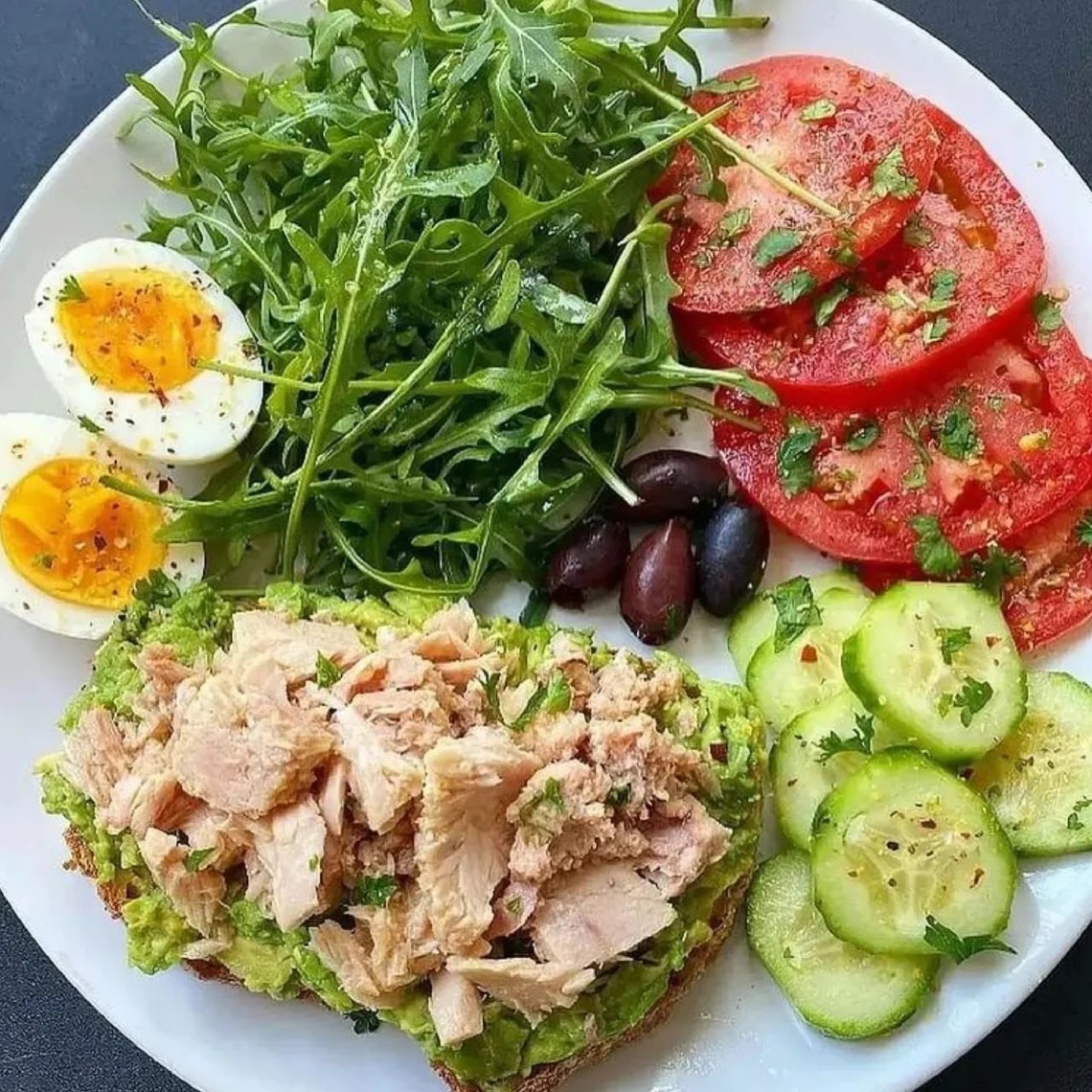
  8. Avacados. Great dip and rich in heart-healthy fats: monounsaturated fats and anti-oxidants. These help support a healthy skin membrane They also help prevent free radical damage that can lead to aging.
  9. Tomatoes. High in lycopene. Lycopene protects your skin, with some minor protection from the sun’s UV rays. Add a tomato to your salad or in your sandwich.
  10. Collagen peptides. Collagen is the most abundant protein. As we age, our body begins to break down collagen. It begins to produce less of it. This can lead to the signs of skin aging such as wrinkles, and sagging skin. Consuming collagen peptides may improve skin elasticity, moisture, firmness while reducing wrinkles.

What it comes down to: you are what you eat! Your diet can cause skin aging or it can improve it. This is a long-term process. Start early. Don’t expect big changes when you hit 60.

The combination of oral supplements for anti-oxidants and diet are needed to work hand-in-hand for healthy skin. Improvement of the health of your skin does not happen over-night. It is an on-going process. Begin your day with a daily multiple vitamin and mineral supplement. Multi-vitamins and minerals become more important over the age of 30.

Vitamin supplements:

Many vitamins claim to have anti-oxidant properties. Retinoids are the most common anti-aging supplement to treat and prevent photo-aging of the skin. They can be ingested or applied topically.

Vitamin C is a powerful anti-oxidant. Its’ concentration in the skin is most related to skin’s biological functions. This vitamin is involved with collagen in your skin.

Vitamin D can reduce DNA damage, inflammation and photo-aging process caused by ultra-violet rays. It can protect the skin.

Vitamin E and C in combination help protect against chemical assaults and UV-induced irritation and damage.

Co-enzyme Q10 can also help with anti-aging.

Last, I have to emphasize a daily multiple vitamin/mineral supplement. Many vitamins will work only in synergy with another. Always start with a good multiple supplement. Our bodies need Daily Amounts of vitamins and minerals. Sometimes this is hard to eat. Thus the daily multiple is your best friend against skin aging (that and staying out of the sun or smoke.)

As we age, our skin becomes:

The National Institute of Health defines: ‘Skin aging is a multi-process. It consists of two distinct and independent mechanisms.

The first is intrinsic, which happens naturally internally. It happens due to hormonal changes. The deficiency of estrogen and androgens (male) results in collagen degradation. It also causes dryness, loss of elasticity, and wrinkling of the skin. With menopause comes aging skin.

The second is extrinsic, which is not part of natural aging and is a result of external factors. Premature aging is usually associated with external skin damage. Environmental factors include sun exposure, smoking, and air pollution and photoaging from the sun. Always use Sun Protection on children as the damage goes deep within skin layers.

Signs of aging skin:

  1. Rough, dry, and itchy.
  2. Slack due to the loss of elasticity (through loss of collagen and elastin). With this loss of elasticity, our skin will begin to lose its firmness and sag.
  3. Transparency: This is the thinning of the top layer of our skin (epidermis) and the layer under that (dermis). We notice our veins pop out. We can watch our tendons in our hands move. We bruise more easily. And sometimes it takes longer for the bruise to disappear.
  4. We may develop skin lesions. These are non-cancerous (benign) tumors. All part of aging.
  5. We will notice skin aging in our face, besides in our hands. There is a loss of fat below the skin. It is noticeable around the wrinkles or sagging around the eyes (first), temples, chin and nose areas. .
  6. Gravity also plays a role in aging skin. It can even affect our ear lobes!
  7. Your sleeping position can affect your facial muscles. This is a result of the head positioned on your pillow night after night. This happens as your skin loses elasticity. (I noticed it on my face, after shoulder surgery. I could only sleep on one side! And yes, that side has more lines!)
  8. We all know not to smoke. It is believed that the smoke interfers with blood flow to the skin. Also stay away from second-hand smoke.
  9. About 85% of older people develop “winter itch.” This is due to dry-overheated-indoor-air. The loss of sweat and oil glands can worsen dry skin. Overuse of soaps, antiperspirants, perfumes, Hot baths or showers all contribute to dry skin. Conditioned water due to “hard water” leaves a drying saline deposit on the skin. Water without conditioning can also harm the skin with dry natural minerals. You might want to consider a Humidifier in the winter-heating months.
  10. Being out in the sun without UV protection can also damage certain fibers in the skin called elastin. (Elastin helps your skin maintain it’s shape.) Nothing can undo sun damage. Remember to reapply sun protection lotion every two hours. This cannot be stressed enough. UV sun damage cannot be undone.

Daily external injury, (extrinsic), in addition to the normal process of aging, causes loss of moisture. The key molecule involved in skin moisture is hyaluronic acid (HA) that has unique capacity in retaining water. Hylauronic Acid is present in our skin. Our body lessens its production as we age.

Hylauronic Acid

Hyaluronic Acid is a humectant. It is a substance that retains moisture. It is capable of binding over one thousand times its weight in water. This substance is naturally found in many areas of the human body. It is found in the skin, eyes, and synovial fluid of the joints.

HA is a polymer that gives space for other molecules to hitch a ride on. It can deliver medications in your body. It acts like a scaffold structure, helping tissues to grow. HA is key to wound healing in your body. HA is truly a versatile molecule.

As we age, the production of key substances in the skin, including hyaluronic acid (along with collagen and elastin) decreases. As a result, our skin loses volume, hydration, and plumpness.

How to use Hylauronic Acid:

Applying Hyaluronic Acid topically is one way to replenish your skin. Topical hyaluronic acid is only absorbed within the top two layers of your skin. It needs to be replenished often. Hyaluronic acid has two molecular forms. A large molecule cannot penetrate the skin. A smaller molecule can penetrate deeper. For maximum benefit look for a product with HA molecules in a variety of sizes.

“A high molecular weight hyaluronic acid is more likely to create a film on the skin surface. It won’t penetrate deeply into the skin. Its effect may not last as long as that of a lower molecular weight acid.” (1) (This may help you decide if the store product is worth your money.)

Hyaluronic Acid helps your joints move smoothly. It prevents pain and injury from bones rubbing against each other. It is Very good at retaining moisture. A quarter tsp of hyaluronic acid can hold about one and half gallons of water.
HA is often used for dry eyes; also used in moisturizers, creams, lotions, ointments, and serums.

Hyaluronic Acid helps your skin stretch and flex. It can reduce wrinkles. It also helps wounds heal faster.

Oddly enough Hyaluronic Acid can be taken by mouth in dietary supplements and pills. It is available in some eye drops for dry eyes. It is common used for vaginal dryness, especially for women in menopause. And it is available in topical products to reduce the appearance of wrinkles and fine lines.

It can be used by injection too. It benefits arthritis, acne scars, lip fillers, inhalers, nebulizers, and even in your nose.

Topical Hyaluronic Acid is worthy of the hype. Be aware that topical has it’s limitations to the top two layers of your skin. If you want deeper help, you must turn to your doctor for injectable HA.

I love the moisturizing benefits of Hyaluronic Acid and can notice quite quickly the response on my skin. But it is fleeting and does wear off as HA topical does not penetrate very deep. I do recommend it for use on your skin.

Find a good source of Hylauronic Acid. Do your homework.

Find a good source for a pure product. As with many over the counter creams, lotions, and serums, there is a wide difference of the ingredient.

As I have said before, I choose Shaklee Skin Care due to its science and commitment to Purity of Product.

REFERENCES:

(1) https://www.healthline.com/health/beauty-skin-care/how-to-use-hyaluronic-acid#quality-varies

Harvard Medical School https://www.health.harvard.edu/blog/the-hype-on-hyaluronic-acid-2020012318653

National Center for Biotechnology Information: //https://www.ncbi.nlm.nih.gov/pmc/articles/PMC7146365/

Medical https://www.medicalnewstoday.com/articles/318652

Eating Well: ttps://www.eatingwell.com/article/84789/anti-aging-foods-for-your-skin/

Nursing Times.net: anatomy and physiology of aging ( 27-11-2017)

Web Med: https://www.webmd.com/vitamins/ai/ingredientmono-1062/hyaluronic-acid

Cleveland Clinic: https://my.clevelandclinic.org/health/articles/22915-hyaluronic-acid