Enjoying the good things in life!

Archive for February, 2025

How Chocolate Is Made: A Cacao Journey from tree to Valentine!

There is something special about seeing how chocolate is grown. I never imagined it growing on a tree! How did you image cocoa in it’s natural form?

I did not imagine cocoa starting in a pod on a tree. I did not know of the health benefits of dark chocolate. Nor did I imagine it growing in a tropical forest?

On our vacation this past Fall, my husband and I saw how chocolate candy is made. We visited a home in Mexico where cocao was made into chocolate.

I was not aware of all that is involved in creating a piece of chocolate candy. I also did not know what is involved in making a packet of hot cocoa. But we sure did want to see how it was grown.

Wait: isn’t it cocoa?

First let me say it is a Cocao plant, or Cocao Tree.

What is the difference between cocoa and cacao?

The tree, pod, and bean/seed are typically referred to as “cacao.” The word “cocoa” is used to call the bean once it has been fermented, dried, and roasted.

How it all begins:

Chocolate begins with growing on the “cacao tree” (Theobroma cacao). It grows within 20° north and south of the Equator. It thrives on a mix of hot temperatures, a good amount of rain, and oddly also shade.

Cocao is grown in protective pods that form directly on the tree or branch.
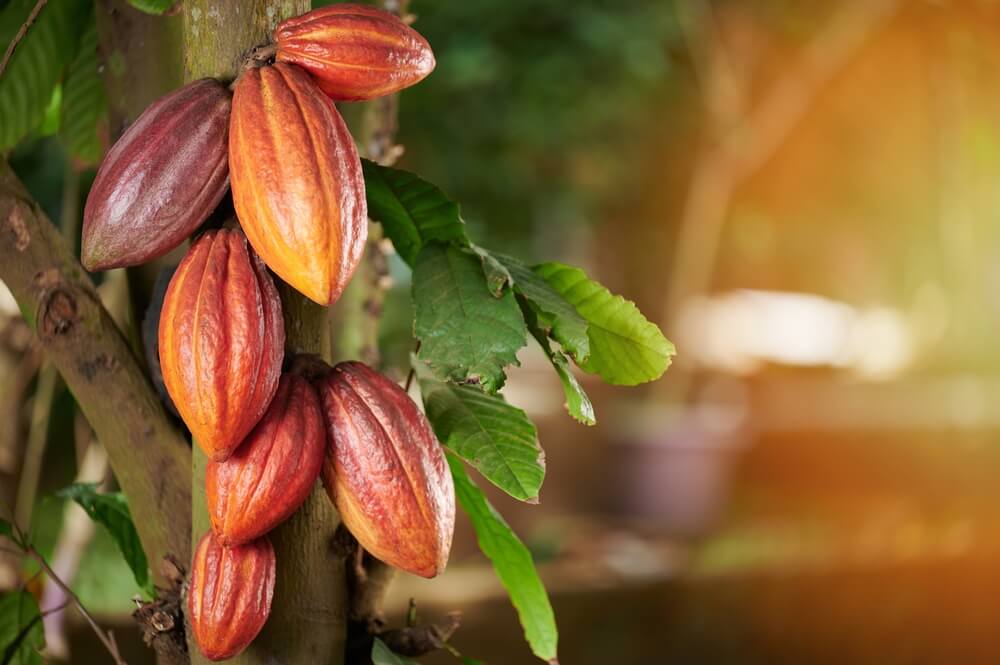
Each tree bears many pods, which are about 5–12 inches long. Each pod contains 30–50 seeds, and it’s these seeds/beans the world knows as cacao (or cocoa) beans.

(Technically what is inside the pod is a seed for the next generation.)

Cacao pods are ripe when they turn a vibrant yellow/orange color. (The pods we saw were yellow, more of pear-yellow.)

The ripening pods hang from the trunk and on the larger branches. The pods hang by small stems. They are typically harvested twice per year. However, they can be harvested continually as flowers and pods can happen at the same time.

Cocao trees grow along-side banana and other fruit trees. These other trees provide some shade and a buffer of rain water for the cocao tree. (Cocao trees need lots of rain, but evidently not direct.)

It is typical to find a Cocao tree in someone’s yard.

Harvesting:

Harvesting is done by hand with a long handled knife. Care is taken not to damage the tree or the pod when harvested.

The pod can easily be opened. Sometimes it opens by just cracking the pods together.

Another method is hitting it with a mallet or knife. (I was amazed to see a gal just knock the pods together and they opened!)

The pod opens up to a milky center where there is a “cone-like” structure that houses the chocolate beans. The beans are covered with a milky substance that is really quite sweet to eat. Bob and I did try this substance. We enjoyed the sweetness. It was kind of a cross between a kiwi and a pineapple, with just a very minor hit of cocoa.

In Latin America, this pulp is called baba. It was used to make a fermented cacao wine as early as 3,000 years ago.

Cleaning and washing:
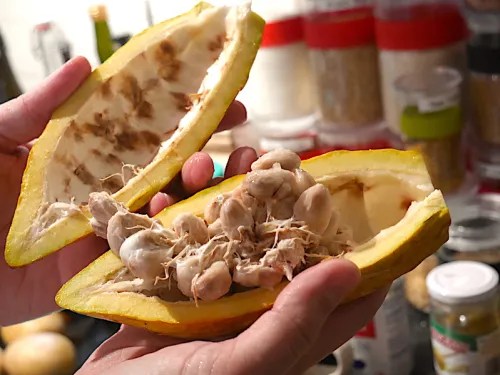
Beans are cleaned by hand, with the baba (pulp) left on to help develop flavor. Exposed to light, the cream-colored beans turn a purplish color.

The milky substance is washed off the beans, after which the beans are put out to dry. Drying is important.
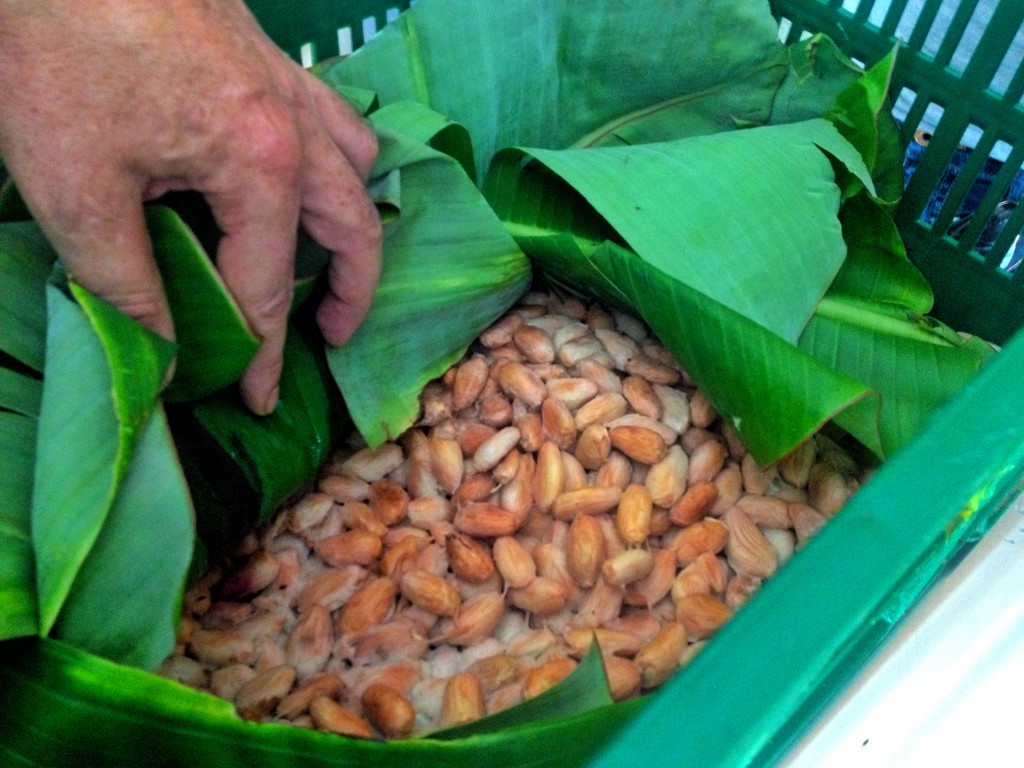
In Latin America, cocao beans are covered with banana leaves. The beans are layered in special boxes that allow ventilation.

The fermentation process lasts between 2-9 days. During this time, the beans begin to take on the dark purple color. They also develop some flavors you would recognize as “chocolate.”

The beans need to be stirred often so that all of them can be dry uniformly.

Notice they are dried in the shade. Outdoors is too much sun.

Market time:

The beans are separated as they dry. Once dried, the beans are graded, packed into sacks, bundled, and checked for quality. They are then shipped and traded on the international market.

Or, in the case of direct trade (for craft, bean-to-bar chocolates), the beans are exported directly to the chocolate maker.

Several chocolate companies source cocao beans directly from farms, including Ferrero, Lindt & Sprüngli, Askinosie, and El Rey. They then process their own way for their distinct flavors.

Processing cocao:

At home, great care is taken with the drying process. The beans must dry on a ventilated platform, out of the sun, and stirred often.
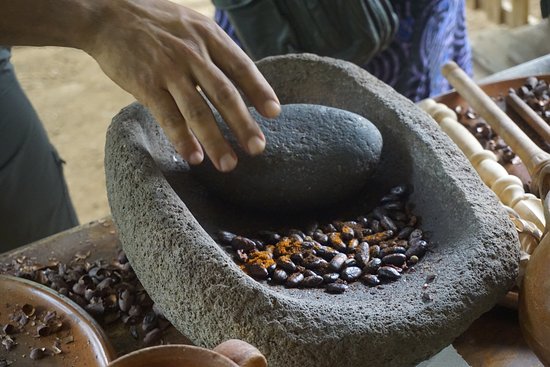
When the cocao is processed at home, after drying, the beans are rolled with a wooden pin or stone. They are crushed into a fine dust. Sugar and Cinnamon is add to this process. This home process is a lot like the manufacturing “conching” which is done by machines.

When the cocao becomes cocoa powder:

The cocao bean has become cocoa powder. With more grinding, the powder changes some more.

Crushing continues until the substance becomes almost paste-like. This is the first chocolate candy. The paste can be rolled together into a ball. And then flattened to make a slab of chocolate!

Sometimes it is just cut and packaged. After all the work: Candy is made!

But this chocolate is oh so good and different from what I would buy in the store. It is not overly sweet. It most definitely tastes of chocolate.

The chocolate that Bob and I tasted was more the raw chocolate candy. Just cocoa beans, sugar and cinnamon. (Butter may develop from all the rolling. Rolling creates a heat that slowly blends the ingredients together.)

The chocolate we can purchase in a store in the USA is much different. It is unlike the natural chocolate found in a Mexican home.

Processing at home:

When creating chocolate at home, the beans are still need to be cleaned. They are soaked and stirred and stirred to dry. They are tended carefully.

Then the beans are roasted at low temperatures to develop flavor.

(Illustrated is an at home roasting. )

Shells are separated from the roasted beans (the “meat” of the bean) by a process called winnowing. This is where the chocolate nib is formed.

Nibs are the finely ground cocoa beans. These nibs are ground into a cocoa mass. At room temperature the grinding can result in a solid paste. (Placed under extremely high pressure, this paste yields two products: cocoa powder and cocoa butter.)

The grinding process transforms the cocao bean into cocoa powder. This can be done by hand or machine. Once ground, it is ready to add any flavorings desired.

Cocoa butter happens through more grinding, then pressing out the liquids to separate the cocoa butter from the solids. 

The chocolate we buy in the store:

The chocolate production process consists of fermentation, drying, and roasting and grinding.

Mixing of all ingredients, after grinding, is next. (This is the cocoa mass, sugar, cocoa butter, emulsifiers, aroma, and milk components if needed. This is where the individual chocolate companies develop their own flavors.)

Conching (rolling) and tempering complete manufacturing process.

Conching is a vital step in chocolate making that involves mixing, kneading, and grinding chocolate to achieve a smooth and consistent texture. Conching is usually done by machine. The chocolate becomes a very smooth paste.

In Mexican homes, conching is done by hand to create the desired powder. Homemakers add flavorings, such as sugar and cinnamon at this point.

Major chemical reactions occur during fermentation, drying, roasting of cocoa beans, and conching of the chocolate mass. These reactions are the most important for flavor and aroma development. For candy companies this process is done mechanically and under great control.

Once received by the processor, beans may be blended with other ingredients. This creates desired characteristics. Alternatively, they can be kept separate as “single-origin chocolate”.

White chocolate is made with cocoa butter, sugar, and milk powder (but no cocoa mass/liquor). Because it contains no cocoa mass, some do not consider it a true chocolate.

A top ranking superfood!

“Dark chocolate: what was once considered a sweet treat, is now considered one of the top-ranking superfoods.

Chocolate dates back to 2000 BC when the first chocolate connoisseurs drank it as a beverage. Long after, chocolate was revolutionized with the invention of chocolate bars in the 1800s.

Why is dark chocolate healthy?

Chocolate is widely consumed by all generations. It is rich in fat, proteins, carbohydrates, polyphenols and other bioactive compounds [1].

According to hsph.harvard.edu, dark chocolate contains high amounts of flavanols.

Flavanols, which are plant chemicals derived from the cocoa beans, have been linked to protecting the heart from cardiovascular diseases.

Additionally, cocoa is also rich in iron, magnesium, phosphorus, copper and zinc.

It’s no wonder numerous doctors urge individuals to make dark chocolate a part of their everyday diet and nutrition.”

Impressions from our trip to see cocoa produced:

It was most interesting to see how easy cocoa can be “made.” I guess I had no idea where the powder originated. We were surprised at the casual production that happens in a home. Chocolate is sold on the street. It is not governed by the government. It is just a local produce.

Mexico opened my eyes to natural foods. Cocoa was just the beginning for me.

Truly a healthy gift!

Chocolate has become the candy of choice for Valentine’s Day. We associate it with love.

And to Montezuma’s credit, scientists say that chocolate contains two chemicals. These are Phenylethylamine and Serotonin. They are associated with heightening romantic urges, happiness, and overall energy. They also increase blood pressure and sugar levels which is a similar reaction to those in love.

Why do we love it so? Why do we crave it at times?
It is the chemical Phenylethylamine (PEA), which triggers the brain’s pleasure centers and induces feelings of happiness and excitement. This chemical reaction is similar to the feeling of falling in love, making chocolate an emotionally rewarding experience.

We fell in more in love with chocolate after visiting Mexico by watching cocao being harvested and chocolate candy being made.

Dark chocolate is recommended as a healthy natural treat.

When you buy the box of chocolate, select good quality, and try to add some dark chocolate. Dark chocolate is greater in nutrients than milk chocolate.

By choosing your chocolate gift wisely, you know that you are giving your sweetheart a healthy heart treat!

Happy Valentine’s Day!

https://wellness.maryjessen.com

References:

https://www.lakechamplainchocolates.com/making-chocolate/

https://www.popcornforthepeople.com/blogs/blog/dark-chocolate-health-benefits

Why Your Cleaning Products May Be Harmful to Health

Who likes to “spring clean?” I know…no one does! I wish the dust bunnies would take the dust away!

Many of us “spring clean” so that we can leave the indoors inside. Once it gets nice outside we want to be outdoors. Warm weather seems such a short time in comparison to cold weather. I want to enjoy the outdoors as much as I can!

I like to think I leave my worries about deep household cleaning as a “done chore” once I move outside. I really Love to Garden. I love my patio! I love my birds! And pool parties!!

However, are you aware that cleaning the inside of your home can put your health at risk!

The toxins in cleaning products put men and women, who work inside the home, at risk. There are obvious toxins in the furniture, carpets, cabinets, and fabrics, etc. inside the home. But then we add the chemicals from cleaning products, disinfectants, and aerosols.

Our quest to make our home clean leads us to trust advertising. Advertising promotes clean odors inside the home. Marketing leads us to believe that our home has to have an odor.

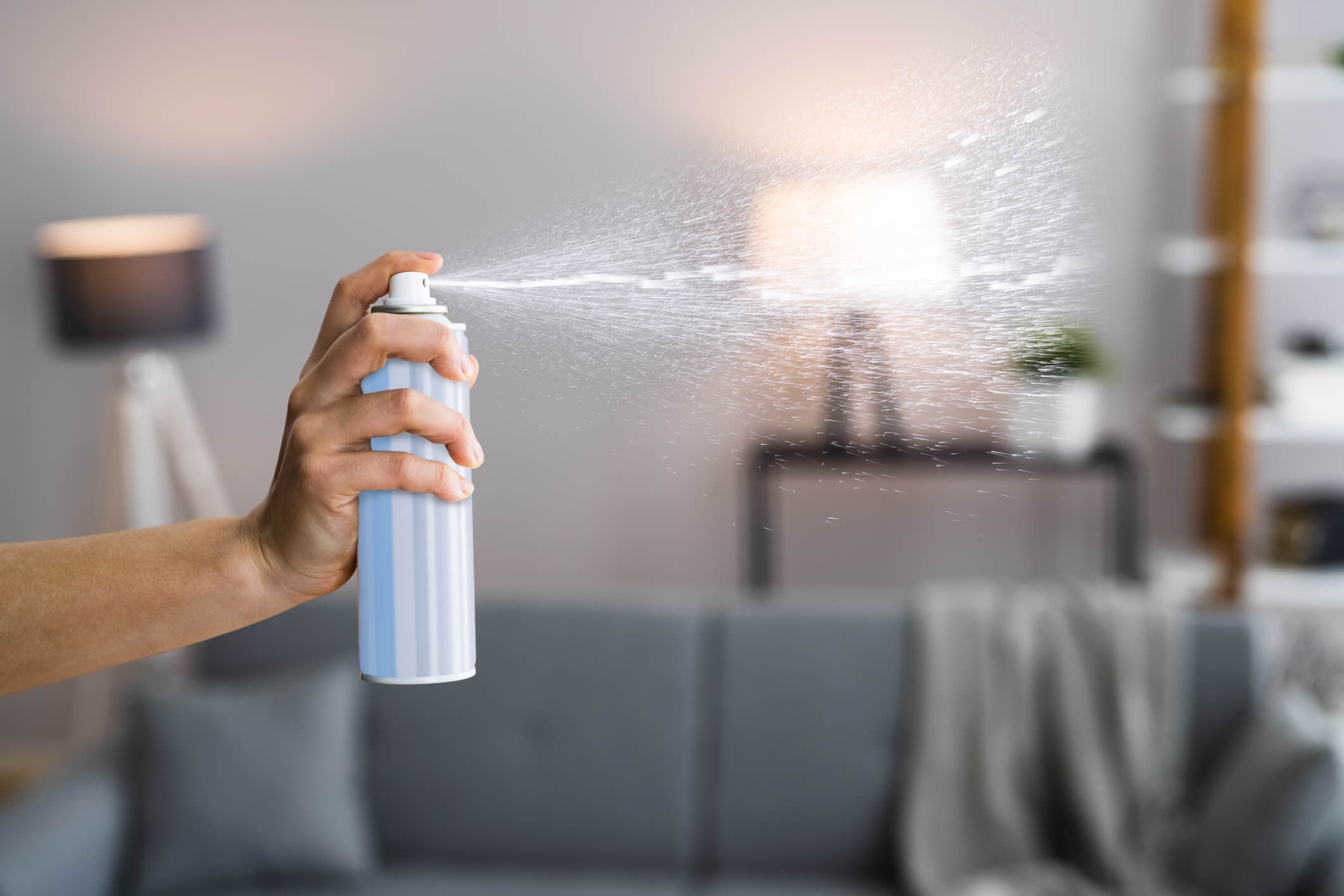
First all: spraying chemicals into the air to create a fragrance is not good for your health. Cleanliness does not smell. Your home should be odor free and a place for your body to rest and restore.

Have you read the labels of spray fragrances?

The primary chemicals enable the product to spray and release from the can.

They commonly include hydrocarbons like propane, butane, and isobutane. All of these are not good to inhale. They are needed to be able to “spray,” but not needed in a clean house. Some of these chemicals can cause an allergy “to be home.”

Who decided that your home had to smell of fragrances?

Clean does not smell. Clean does not have an odor. Your home should not “smell.”

I can’t help but wonder why advertising makes us believe that our son’s room will smell bad? I raised two boys, who shared a room. There never was an odor?

Fragrances can contain many harmful chemicals, including phthalates, parabens, styrene, musk ketone, methylene chloride, limonene, and acetaldehyde. These chemicals can cause health problems and damage the environment. These chemicals can create havoc as we breathe them in.

Let’s look at cleaning products.

You can smell chemicals when you walk down the cleaning aisle at the grocery store. That aisle definitely has an odor. And it really is not a health-friendly or earth-friendly odor.

I wish there was an odor down the cookie aisle!

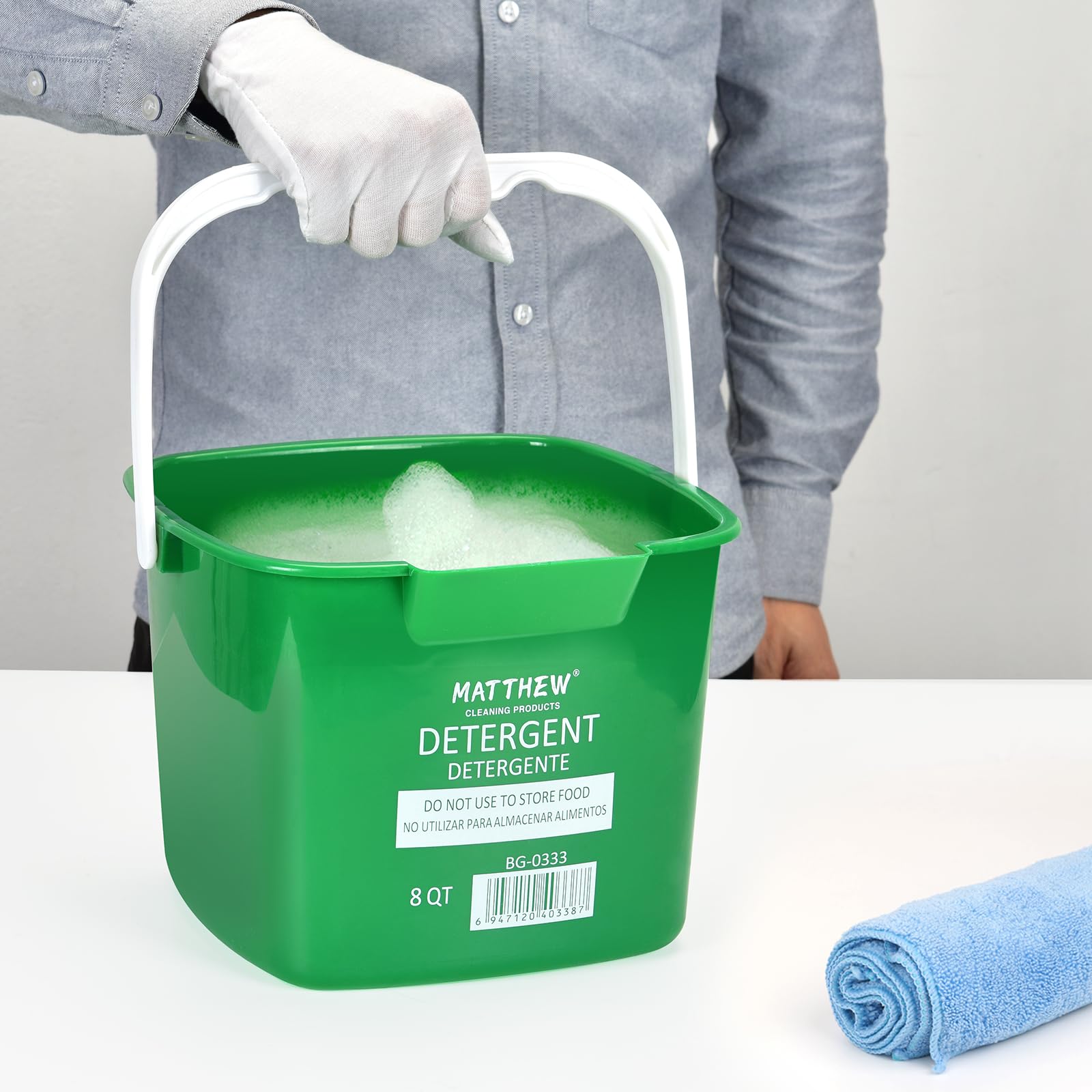
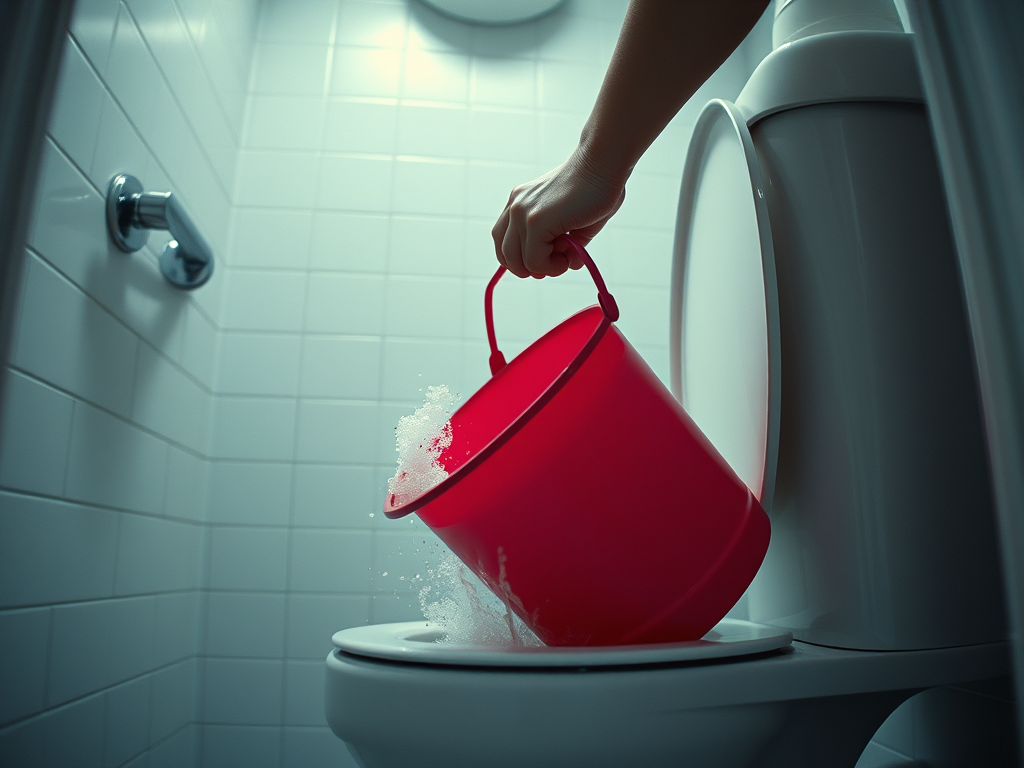
Do you fill your pail with your favorite smelling cleaning product and water? Then did you dip your hands and cloth into the mix?

What did your hand feel like afterwards? Did your hands sting or feel very dry? Does cleaning create a rash or burning sensation if you don’t use gloves?

Do your hands feel sore after cleaning? Do they need lotion? Are your hands a bit red? Do you HAVE to wear gloves?

The NEED to wear gloves should be an Huge indicator! There is something in that bottle, now in suspension in your cleaning pail, that is not good for you. Why would you have to put a layer of rubber between your hands and the cleaning agent?

To make things Clean, wouldn’t you want no chemicals? How can it be clean if the surface contains chemicals? You will absorb them by touch but needed gloves to put there?

How do these Chemicals get into the water supply?

When you are cleaning, you grab what is familiar for the job and fill your pail. Once the job is done, what do you do with the cleaning agent?

You dump in down the drain or the toilet.

What happens to that bucket of cleaning solution, that you needed gloves on to work with?

Some chemicals cannot be filtered out by your city’s water treatment plant. They end up back in your water supply. This in turn will affect the wildlife and farm animals that drink it. Agriculture will also absorb those chemicals as they are now in the soil.

Endocrine Disruptor:

Are you aware that there are common surfactant cleaning chemicals that are an endocrine disruptor? That means it causes adverse reproductive effects for those in contact or exposed to the polluted water.

Frankly endocrine disruptors frighten me. They can affect fertility today. They can also affect future generations.

Phyhalates and Triclosan are two that are not human friendly.

We read that Triclosan is slowly being discontinued as research for adverse effects becomes more known. It used to be in hand sanitizers, but was removed.

Phthalates are common in air fresheners, and laundry products (part of fragrances). They are now also found in all water sources including rainwater.

Phthalates cause severe reproductive and developmental disruption to aquatic organisms such as bacteria, algae, crustaceans, insects, and even fish.  We have not used it long enough to see what it does to humans.

We Need to be Educated! Future generations are depending on us.

Look at OSHA (Occupational Safety and Health Administration) for guidance:1

OSHA states:

“Many factors influence whether a cleaning chemical will cause health problems. Some important factors to consider include: (These factors will help to determine what cleaning product is needed. You may only need just soap and water.)

1.Look at the chemical ingredients of the cleaning product. (When was the last time you read the label on your favorite cleaning product?) Make yourself familiar with chemicals you don’t want in your home.

2. How the cleaning product is being used or stored. (There are some products that should not be stored inside your home, let alone under the kitchen sink. If the chemical should not be stored under the sink, what is that indirectly telling us? )

3. Do you open windows when you use cleaning products? Is the bathroom, especially the shower area, well-ventilated when you clean? Ventilation is VERY important with the use of chemicals. (Again, does this mean you can’t inhale it?)

4. What happens if the undiluted chemical is spilled or splashed? (Will it remove paint or finishes from wood?If the chemical removes paint or finish what will it do to your skin? Oh dear!)

5. What happens if the undiluted chemical comes in contact with your skin? (Will your skin be affected? Oh dear!)

6. Are there mists, vapors, or gases released? (This would apply to aerosols. Aerosols are meant to be inhaled. What is it that is going into your lungs?)

These are scary questions. You can find some of these warnings on the labels. Are you paying attention to them?

Do you read the label as to what you can and Cannot mix together? ( Bleach and toilet bowl cleaners are one!)

OSHA recommends:

BEFORE you clean: determine what is needed for the task. Does it need just a thorough cleaning? Does it need to be disinfected? Not all surfaces need to be disinfected every time you clean it.

You may only need soap and water to clean that spot.

When you get into disinfection, you need to read labels.

If a cleaning product is listed: “anti-bacterial” you need to read more and check the ingredients.

If the cleaning product says it kills bacteria, fungi, and mildew, it will also kill algae. Algae is an important element in our water ecosystems and food chain. We sure don’t want our bucket of cleaning product to upset the Food Chain!

Be very careful with disinfectants and especially their disposal. Do your research.

It says: “Green!”

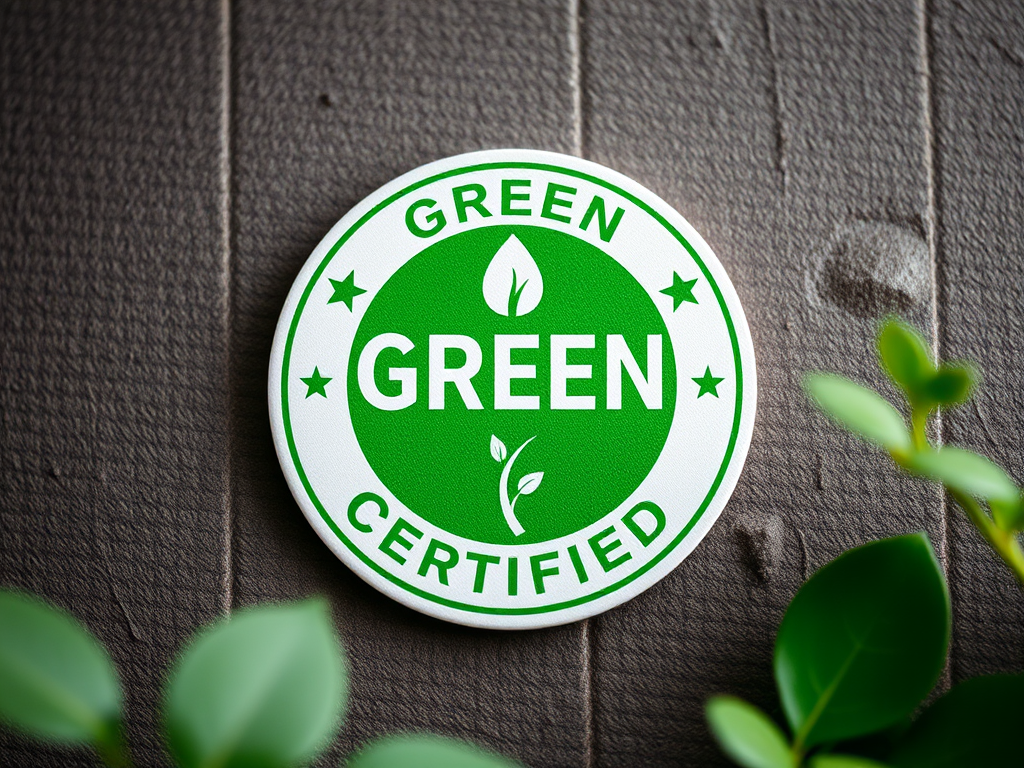
Are you aware that just because it says “GREEN” on the label, it does not mean it is safe? It also does not mean it is chemical free. The word “Green” can be a marketing word.

Marketing can be very misleading. We need to be aware.

Certified Green Cleaners must meet specific criteria as defined by the certifying organization. This is where it becomes quite scientific. A certification, with the certifying label, will indicate whether it has been thoroughly tested.2

This certification will also let you know whether the product is safe for inside your home. Look for a certification label on Green products.

Using Certified Green Products will not only protect your family’s health, but also the environment. Seventy percent of waterway pollution comes from toxic chemicals. 3

What can I use for a cleaning product now?

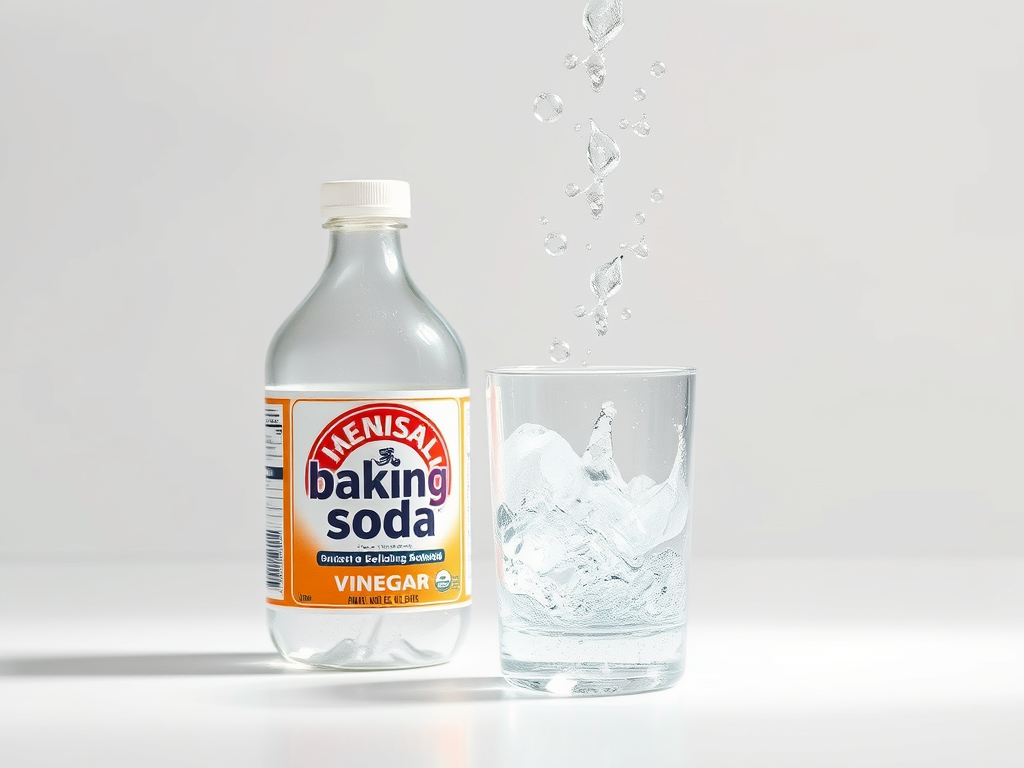
For general all purpose cleaning: Mix 1/2 cup of vinegar with 1/4 cup of bicarbonate of soda (baking soda). Add 2 gallons of water. This will be a great home-made all purpose cleaner. Now you may have a vinegar smell to contend with, but it is not an unhealthy dilution.

Vinegar and baking soda will work on most surfaces. Most surfaces.

Do Not Use Vinegar on wood surfaces, stainless steel, in irons, and garment steamers. Avoid using it on grout between tiles, inside your washing machine, electronic screens, egg spills, or stains. Do your research before assuming vinegar is your safe all-purpose cleaner. 4

Remember that vinegar will not disinfect.

I choose a certified Green Clean Company.

I would be remiss with this blog if I did not conclude with a recommendation. I’ve done my homework. Fifty years of cleaning my home has led me to one company.

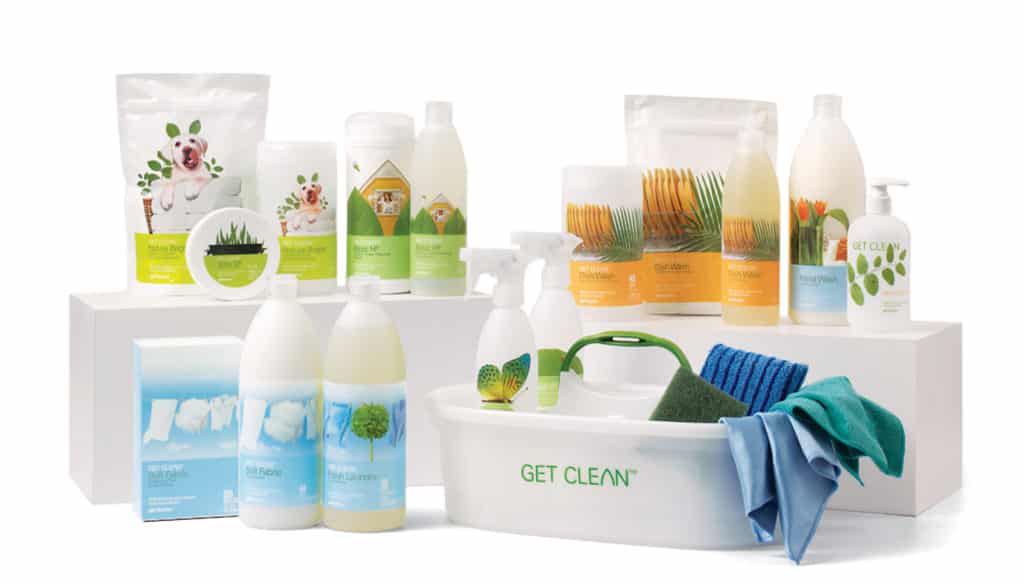
I choose the Shaklee Corporation’s cleaners for my cleaning needs.

Shaklee was one of the very first Earth Day products.5 They are deeply involved in deep ocean explorations and even clean the explorers ships. (To me, that says a Lot!)

Shaklee’s Basic H2 is an all purpose, natural cleaner for all surfaces. It is ph-balanced and is in a concentrate.

Using a different solution, I can clean windows, floors, counters, doors, and even bathe my children in it. What I found amazing is that after a bath, it does not leave your skin dry. You won’t feel like you need a lotion.

I do not have to worry about special products for special surfaces. It is an all-natural all-purpose cleaner. Nature does not harm.

I remember camping in the 70s when we all became aware of chemicals in cleaners that were not our friends. My family was not allowed to bring dish wash detergents into the park. What to do to clean after meals? I was glad I had Basic H.

It was at this time I learned about natural cleaning products. I discovered that cleaning products can be safe for nature. They also do not harm the health of my family and myself.

I, also, learned about the negatives that cleaners can do to our bodies, our homes, and our children.

Once I did the research, it was an easy switch for me.

I cannot eliminate all the toxins in my home. It is not just carpets, but also furniture, cabinets, flooring, paints, etc. I think we’d have to live in a stone house? I have a feeling it would be quite cold in the winter!

What I can do, is to switch cleaning products to a company that puts Nature first. At the very least, this will help to improve the air inside my home. Good laundry products will also help with allergies. Good natural cleaning products will also make the cleaning person happy!

I did the research and I chose a good product line.

I strongly recommend the Shaklee Corporation’s Get Clean line of products that also includes laundry.

And I can state: they work.

Take your health seriously. You are the one to decide what is healthy for your family.

https://wellness.maryjessen.com

References:

  1. https://www.cdc.gov/niosh/docs/2012-126/pdfs/2012-126.pdf ↩︎
  2. https://www.epa.gov/greenerproducts/buying-green-consumers ↩︎
  3. https://blog.remoovit.com/2023/01/11/environmental-dangers-in-cleaning-products/ ↩︎
  4. https://www.goodhousekeeping.com/home/cleaning/a62330960/things-you-should-never-clean-with-vinegar/ ↩︎
  5. https://wellness.maryjessen.com/ ↩︎

Importance of Breakfast: Tips for the Most Important Meal of the Day!

What do you usually have for breakfast? Coffee? Tea? Toast? Cereal? Fruit? Juice? Is breakfast a “sit-down meal” or a grab on the run out the door? We all are in such a hurry!

According to polls a normal breakfast can consist of the picture below:

Now I have to say that egg sandwich looks yummy! Bacon and eggs on a muffin! And with cheese!

But one has to be in a car to indulge. And we can see that there is a whole lot of fat in/on that sandwich. So maybe not a good choice?

I’m betting Eggo Waffles are a great favorite, and easier to serve and eat!

I like the taste of Eggo Waffles! A friend of mine tasted a whole lot of gluten-free waffles. Her body needed gluten-free. What she tasted was “awful!” She decided that she would still occasionally indulge in Eggo Waffles as they are the best frozen waffle! Even though she would have to do with a tummy ache after! Crazy!

I’m betting there are a lot of kiddos that start their day with an Eggo waffle. Hopefully, they will also have a glass of milk!

What happened to breakfast cereals? Especially a hot cereal? What has happened to sitting down for breakfast? Our lives are “on the run!”

Breakfast is the most important meal of the day.

It literally breaks your “fast” from the day before. I’m sure you have heard of a “Fasting” group that says you can lose weight this way! But is it any different from what we all do?

Most of us choose to eat supper between 6:00 and 7:00 p.m. Most of us do not eat afterwards. Thus begins your body’s fast time.

Seven o’clock P.M. to seven o’clock A.M. is 12 hours of fast and no food or drink. It does help a lot that we all are usually sleeping during this time of no foods!

Why is it important is that we Break the Fast with nutrition?

Importance of breakfast: Eating breakfast is considered important as it replenishes your body’s energy stores after a night of fasting.

Can Eggo Waffles do that? Upon review of the package, Eggo leaves out a lot of nutrition. It is high in calories and high in carbs. Low in proteins.

There are 195 calories in a 2 waffles: a serving size of KELLOGG’S EGGO Waffles, Homestyle. The calorie breakdown is 34% fat, 57% carbs, and 9% protein.

For a child starting the day, the ingredients guarantee “the wiggles.” They promise giggles as the morning goes along. Or maybe lack of concentration?

As we sleep, our bodies are still at work, digesting foods from the previous day. Yes, there is still food in your stomach when you hit the bed!

By morning, your blood sugar is low. Your blood sugar is the power for your body’s muscles and brain. Breakfast replenishes this.

If we miss or short-change our “break the fast” meal, our body begins to tap into our energy reserves. These reserves can be stored in our muscles. Not a good way to start the day.

Your whole system becomes stressed. Skipping breakfast or short-changing breakfast throws off our circadian rhythm! This is the built-in clock that runs our days and nights.

For children, meeting the metabolic needs are greater than for an adult. Remember a child’s body is in the “growing mode.” Nutrition is important.

Statistics show that 20% of American children don’t eat breakfast; 32% of adolescents skip breakfast.

I struggle with expecting children to sit quiet or study when their “tummies” are rumbling. It’s also hard when they are full of sugars and sugar “wiggles.”

Skipping important nutrition in the morning can affect learning, increases the risk of obesity, diabetes and heart disease. This can be said as those who eat breakfast are normally healthier all around than those who skip.

Our children are experiencing obesity and diabetes at early ages.

Putting some good protein and fiber into your stomach in the morning can actually help control appetite throughout the day. Remember it takes hours for food to be processed throughout the body.

A good breakfast could be a nutritious cereal. Did you know that statistics show the average American child will see approximately 758 breakfast cereal advertisements each year?

Most breakfast cereals advertised or available in supermarkets are either high in sugars, low in proteins, and low in nutrition. They are sold based on flavors. And we all like sweet and crunchy!

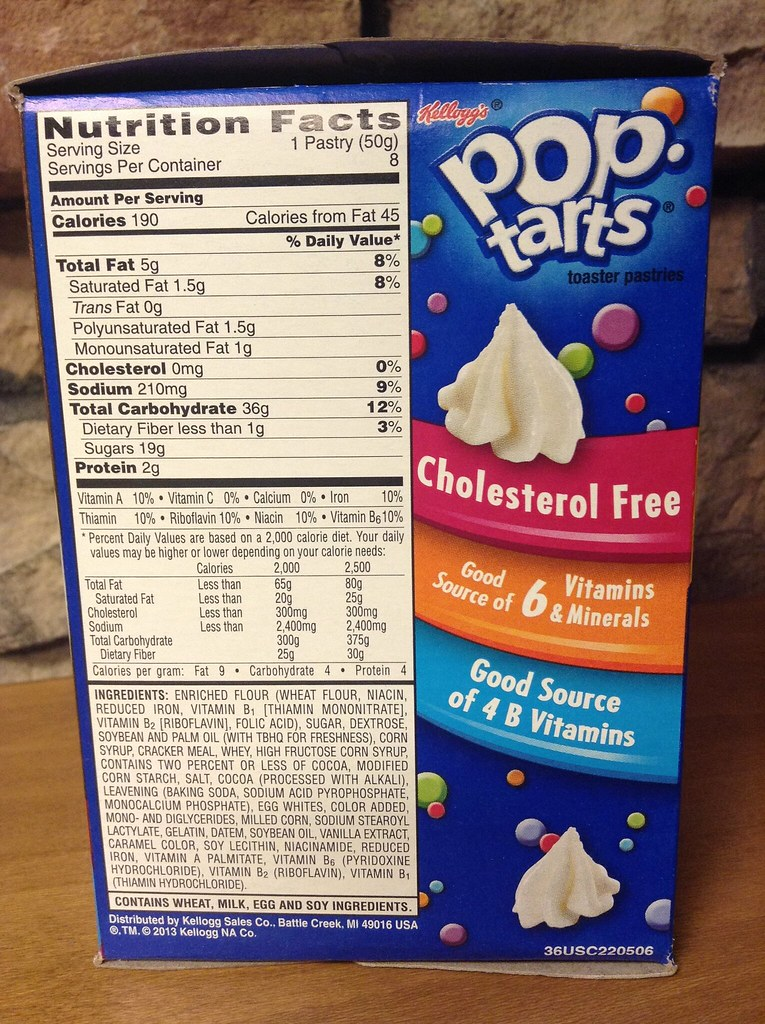
Another great kid’s favorite: Kellogg’s Pop Tarts. Pop Tarts are very low in nutrition. High in sugars.

Oatmeal has it’s advantages, but most have to be cooked. And that takes time. Be careful of sugar-free Oatmeal as it has chemical sweeteners in it instead of cane sugars. I don’t want the chemicals. I’d rather deal with cane sugar.

Carbohydrates get a bad wrap, but they do belong at breakfast. Whole grains are the best carbohydrate in the morning. Whole grains digest slower, moderate blood sugar peaks, and supply nutrition.

My choice: My suggestion:

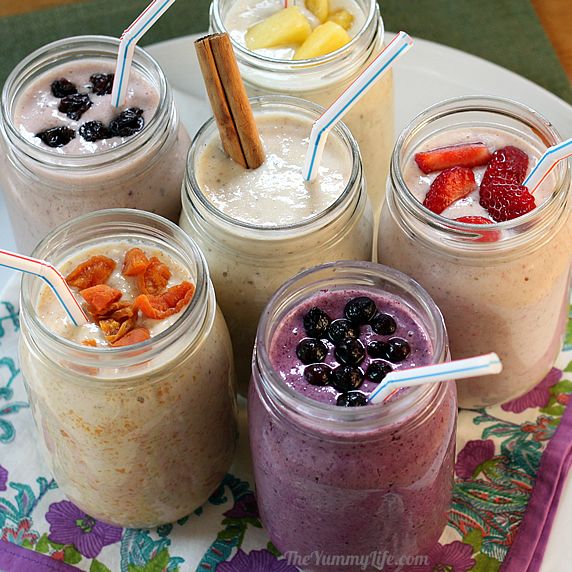
A Breakfast smoothee of milk, protein powder, and fruits and vegetables. Create at dinner time, and refrigerate. It can be made ahead; zapped in the blender in the morning, and provide the best nutrition for your body.

There are endless possibilities of flavors. And Colors with fruits and veggies! After a remix, pour the Breakfast Smoothee into a traveling mug. Then, head out the door with great nutrition for the day!

I personally like the Shaklee Cafe Latte Life Shake, and I add it to my morning coffee! If I have tea, I may add the vanilla flavor Life Shake or the Strawberry? I add fresh fruit (a banana) to my meal, and I’m all set!

Nine Tips for A Good Breakfast:

  1. Learn to read labels. Don’t buy breakfast based on the TV add. Choose your food wisely. I also feel that a good breakfast keeps the doctor away! Meaning good nutrition does pay off! Wellness does make cents!
  2. Look for whole wheat, oats, rye or other whole grains listed in the FIRST ingredients. You can always add fruit to sweeten. (I do like Oatmeal, and especially Steel Cut Oats! and I can find them Instant!)
  3. Do you know your coffee drink! A local drive-through coffee may have a lot of sugar added for flavors. Starbucks coffee contains 470 calories, 12 grams of unhealthy fats, and 59 grams of sugar! I flavor my coffee with a protein powder. The disadvantage of the powder, is I have to stir it more often. But I can do that! And again lots of flavors to choose from!
  4. Make processed meats such as bacon or sausages an occasional treat. Processed meats have been linked to colorectal cancer (even for young people), heart disease, and type 2 diabetes. Use bacon as a family breakfast on the weekend.
  5. Do not use processed meats, such as bacon or sausage, before physical activity. This includes when you or your child are exercising or playing ball after breakfast. Processed meats are hard to digest and can easily create stomach issues with activity. If you are looking for protein add an tofu or yogurt. Left over meat from dinner the night before can also be served. Beans and rice are a good source of protein.
  6. Serve Eggs in moderation. Eggs are high in cholesterol, but do have proteins, vitamins, and nutrients.
  7. Go easy on fruit Juices. Whole fruit is better as it adds more fibers. Many fruit juices are high in sugars.
  8. Eat IN, not OUT. Breakfast offerings from Fast Food places are high in Sodium, and low in fibers. Its the sodium that really can affect the rest of the day; and you will retain fluids.
  9. Lastly: blend up a Breakfast Smoothee. Combine whole fruits, yogurt, tofu, vegetables, and protein powder with milk, water, or a small amount of fruit juice. A Breakfast Smoothee can be very tasty!

Let’s get Particular!

You know I’m a Health Coach. You know I am a bit biased as to what I think is a good product. If you don’t want to read more, this is the place to end.

If you do want to find out why I am so choosy, then hang in there.

Why Shaklee? Why not some other brand?

I choose Shaklee because of it’s science and it’s dedication to Nature. How can a company produce products with chemicals and then say that they believe in Nature?

Shaklee is all about Natural. 100% pure. No pesticides, fungicides, insecticides. All the ingredients are naturally safe. Or they reject it.

Shaklee Cares:

One way Shaklee is making an impact is through its nonprofit, Shaklee Cares. I can enjoy the good health of Shaklee supplements, but what about those who can’t afford it?

Shaklee Cares provides direct support to families in need. This shows the company’s commitment to doing good.

Shaklee Cares was started in 1992 to assist its customers who were victims of Hurricane Andrew. It has since developed into a general emergency relief fund. This fund has made grants of more than $650,000 in support of 150,000 families.

Roger Barnett, Shaklee’s President, says that a Shaklee ambassador often help their customers apply for the funds. Sometimes, the ambassador even applies on their behalf. “So, if they say they need it to buy an emergency generator, we get it for them” says Barnett. If they need it “to get food for their family, we give it to them.”

I was very happy to be able to help a customer in Puerto Rico! Shaklee does care!

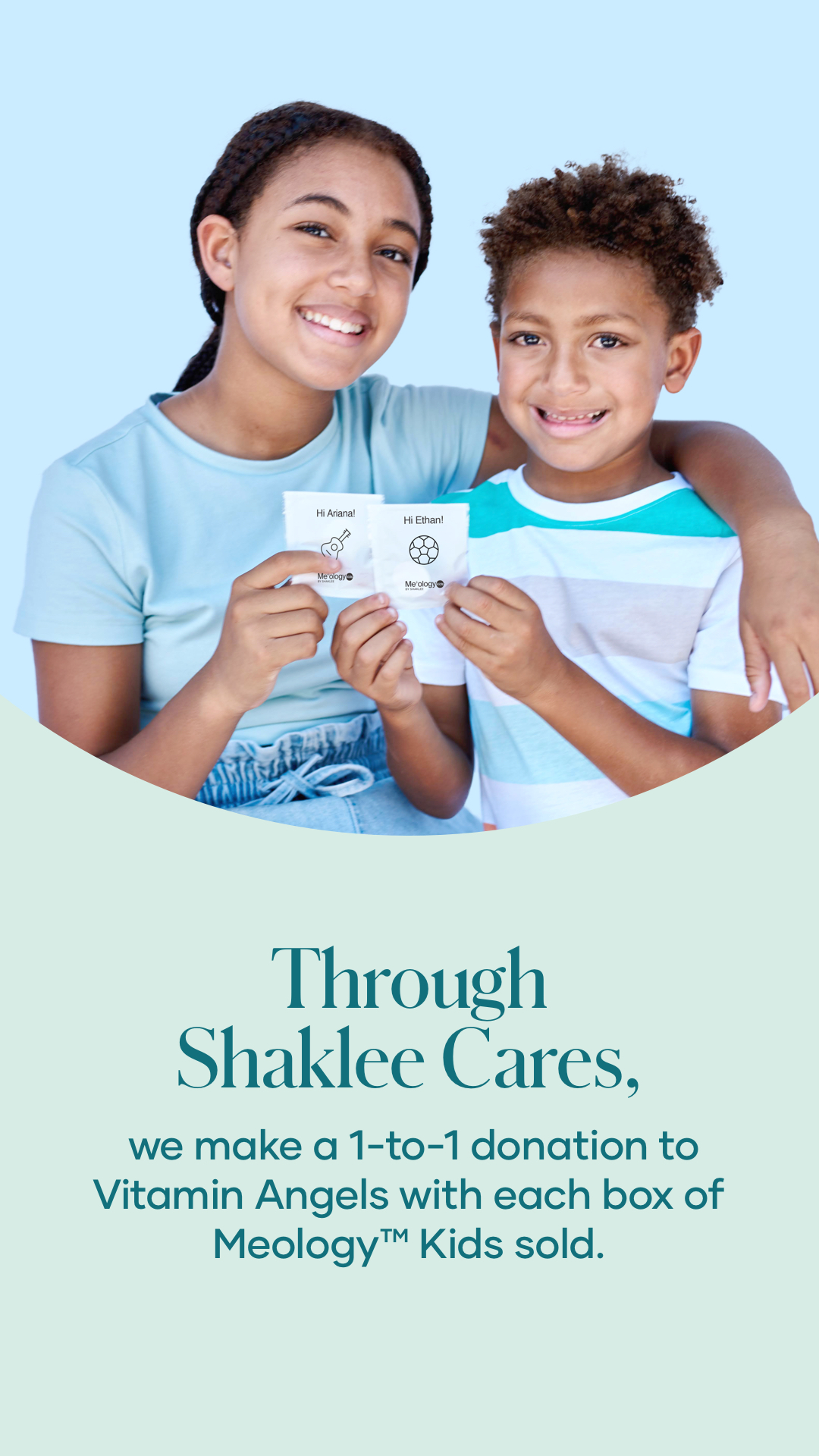
Vitamin Angel

On the 25th anniversary of Shaklee Cares, Barnett says he wanted to rally people around the future. To him, this meant two things: kids and the planet. To do this, the nonprofit began partnering with two organizations. Shaklee Cares makes donations of prenatal and children’s vitamins and other nutrition products to Vitamin Angels.

Vitamin Angels is a special program. It helps children all over the world have access to nutrition.

True Wellness:

“Shaklee’s purpose and mission is to bring true wellness to the world. Shaklee defines true wellness as physical health, financial health, emotional health, and the health of our planet. You cannot be healthy if you don’t have all of those elements,” quote Roger Barnett.

What is Shaklee quality?

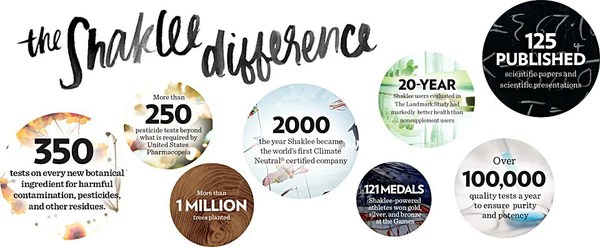
Shaklee Corp. conducts over 100,000 quality tests a year. This ensures that Shaklee products are 100% safe for you and your family.

At Shaklee, they screen for over 350 contaminants, pesticides, and impurities on every new botanical ingredient. Shaklee makes products that are gentle on the environment and they never test on animals.

I do not know of any other nutritional supplement company that does this.

What makes Shaklee nutrition so good:

The Landmark Dietary Supplement Study was conducted by UC Berkeley on behalf of Shaklee Corporation: (but not paid for by Shaklee.) (This is a big difference as many “studies” are paid by the contracting company. The results can be quite biased. )

  • Study participants The study invited about 1,200 people who had used Shaklee supplements for at least 20 years to participate. Of those, 435 completed online questionnaires. 
  • Study methods The study used a cross-sectional design, with participants completing online questionnaires and undergoing physical exams. 
  • Study findings The study found that Shaklee supplement users had better health than non-supplement users, with lower levels of cholesterol, triglycerides, homocysteine, and C-reactive protein. 

Shaklee scientists have published over 100 scientific papers and presentations, including the Landmark Dietary Supplement Study. 

I like those numbers.

The other recommendation was NASA and their use of Shaklee supplements. The need for good solid health/food products for the space program.

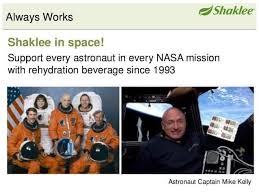
Shaklee started working with NASA in 1993. They provided a customized version of the rehydration beverage, Performance. This was called “Astroade” at the time, and used by NASA Shuttle astronauts. Today this hydration product is part of the Shaklee Sports line.

(Yes that is Senator/Astronaut Mark Kelly!)

NASA continued using Shaklee products until the end of the NASA shuttle program. However, many space astronauts continue to use the supplements.

Hydrate is used by many Olympians. They have to be very careful with the ingredients of products they ingest.

I choose to buy Shaklee products. And one of my favorites is their Life Shake.

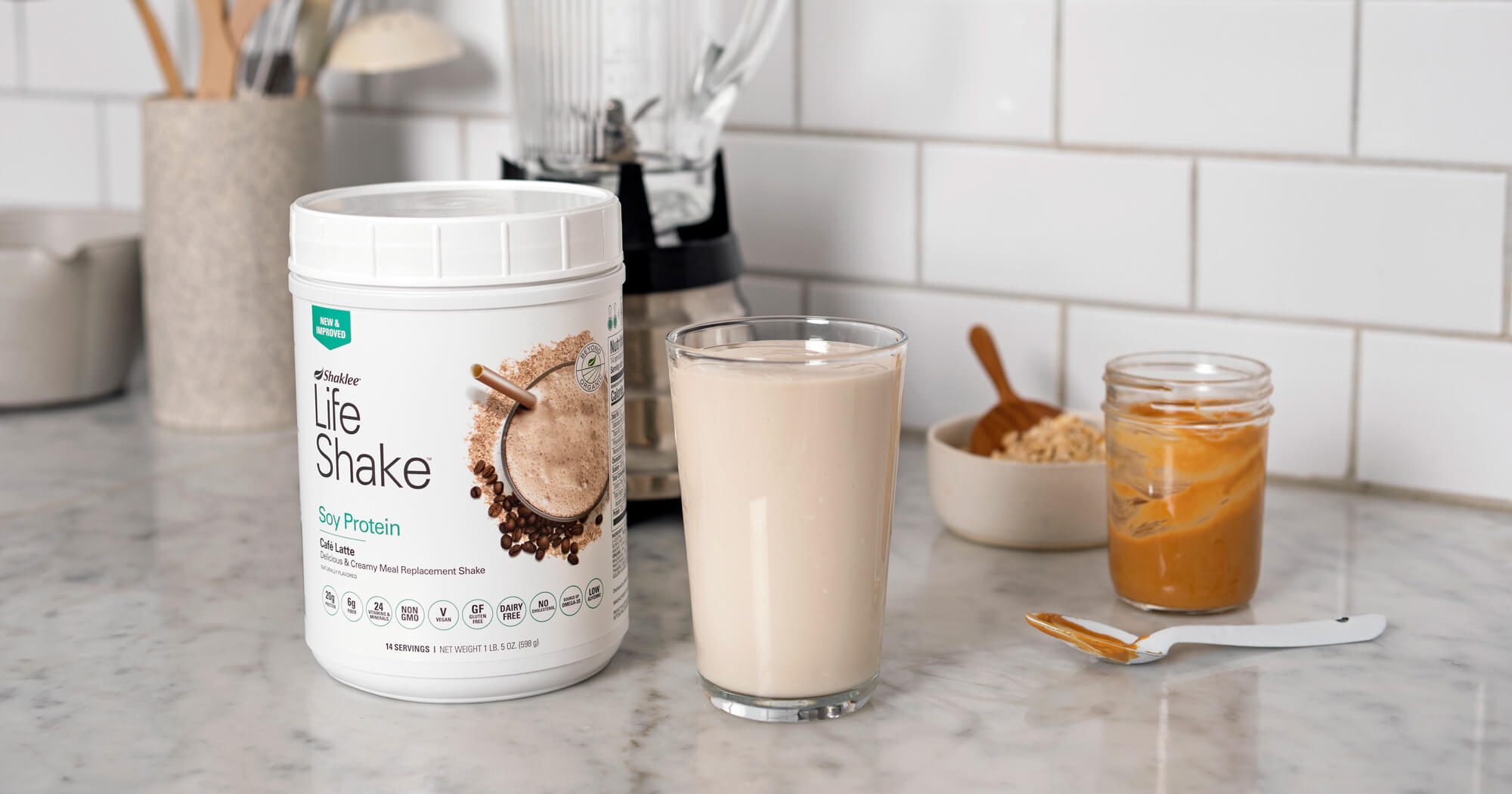
Illustrated is their protein Life Shake. It is available in whey, pea protein and soy protein. Life Shake comes in many different basic flavors with seasonal flavors to widen the choices.

Have you ever purchased a supplement product and then questioned your purchase? I have. I got frustrated with the cost of the product I purchased at Cosco, so I stopped taking it. There was no change. My body did not react to the difference. Why was I spending the money?

I’ve done this with Shaklee supplements (tried to go without! Do I really need this?), and my body will let me know if I forget too many times. I can actually feel the difference. This translates into “getting my money/health worth!

Back to Smoothees and Life Shakes:

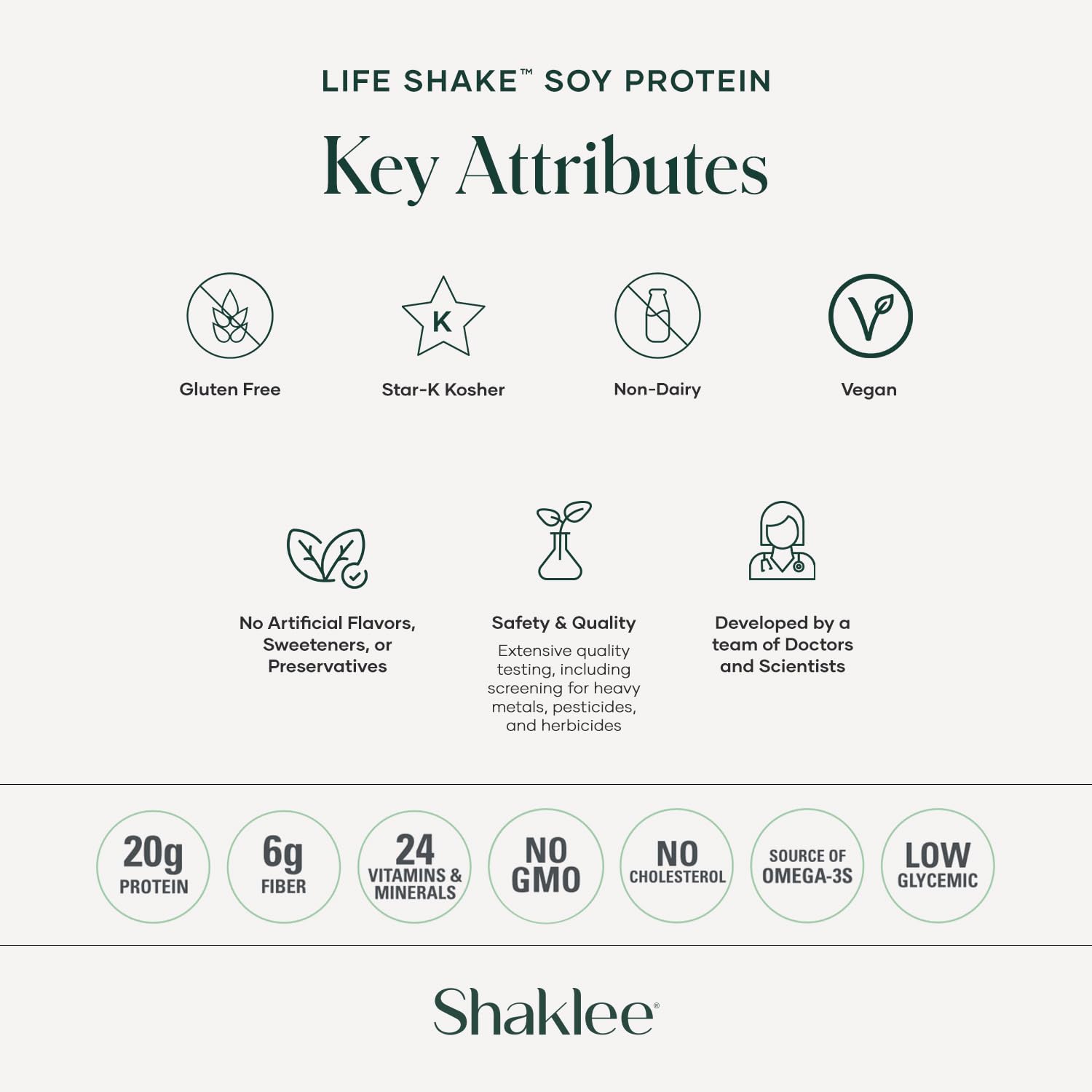
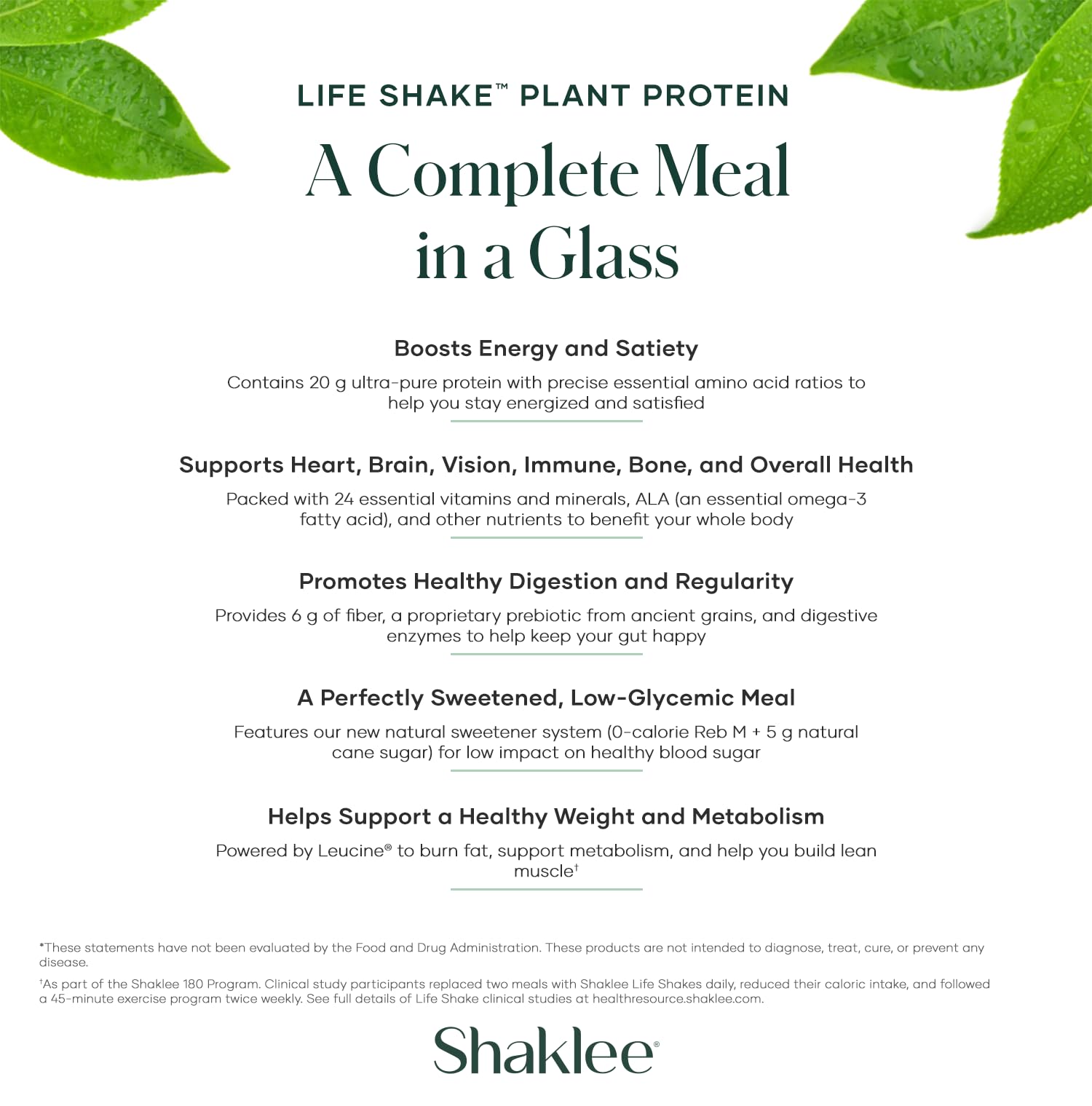
Non-gmo, gluten free, vegan available, keto-friendly, kosher are all the ways Life Shake is available. It contains 23 Essential vitamins and minerals clinically proven to support heart, brain, vision, bone, immune and overall health.

The Life Shake also includes 200 mg of Calcium plus ALA, an essential omega-3 fatty acid. It is powered by Leucine to help you build lean muscle, burn fat, improve metabolism, and reduce cravings.

I believe the reduction in cravings is Life Shake is satisfying my body’s needs.

Have you ever had a craving for a particular food? I want something sweet, or juicy, or crunchy? Sometimes this is your brain asking for what it needs: glycemic index too low, need fiber? I’ve noticed this as to wanting ” something salty” when I’m working hard and perspiring!

I like to add leafy vegetables to my shakes. I have to be in the “mood” for a green or orange colored shake. They are a nice change and can be quite tasty. (For children: green can be fun! and if it tastes of oranges or strawberries, it is even better!”)

I include fresh fruits, (although there may be a bit of chewiness with fresh fruit. If you don’t want “chewiness” use frozen fruits and vegetables.). I also use different kinds of milk. (When you digress from cow’s milk, read the label for calcium and vitamin D. Sometimes this has to be added. Is it by chemicals?) I have added water when I travel, and it is just as tasty (the flavor is not diluted).

You can also add more fiber, by adding oats. Letting the smoothee set overnight in the refrigerator will make the oats softer. Just reblend in the morning.

Breaking the Fast:

Breaking the fast with a good nutritious breakfast is important. I suggest smoothees as many times time is of the essence when it comes to especially morning meals.

Which Shake to choose? Choose a Life Shake with the most nutrition and one that will enhance the day ahead!

Start your day right! Break the Fast with Good Nutrition. Check out the nine tips for a good breakfast. And enjoy the Day!

https://blog.maryjessen.com/

References:

https://www.health.harvard.edu/staying-healthy/breaking-the-fast