

Many of us choose to buy vitamins and supplements. We may feel that our health needs a “boost.”
Or we may have read an article that suggested we try a particular vitamin for our “problem.” Facebook may have provided a suggested cure for our concerns.
We are eager for good health. We all want to look good and feel good. And we really don’t want to do all “that work!”
What is the purpose of a supplement ?
Supplements have their advantages. People take supplements to help maintain or improve their health by ensuring they get enough essential nutrients.
Some people who may benefit from supplements include pregnant women, people with osteoporosis, and vegans.
Vegans or those on limited diets should talk with their doctor. Those who restrict their diet may need a specific supplement. Your doctor will advise you if you are missing a needed nutrient from your diet.
As we age, we look at supplements as our appetites dwindle. With age sometimes there is a greater need for particular supplements. (I take joint supplements for aging joints.)
We take some supplements to improve our immunity, especially in the dark days of winter. Vitamin D3 is one that is popular.
Supplements are meant to do just what the word says: supplement a good diet.
But First, you must have a good healthy diet.
Do we choose a supplement to fix a broken diet? Do we choose a supplement to “make us well?”
Is it easier to pop a vitamin than to eat healthy? That would be so nice.
Are you depending on your supplements to give you good health? Are you finding yourself adding more bottles of supplements each time you shop? Do you find yourself relying on them?
You could save yourself a lot of money by looking at and enriching your daily meals. Supplements can be expensive.
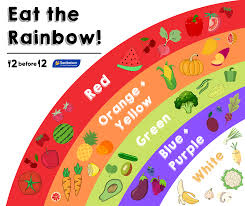
We have talked about the need of good home cooked meals. We have shown the Food Rainbow1 and the Carbohydrate Wheel. 2
By now we know that creating good health has to start at Home with Home-Cooked meals.
And home-cooking is a lot cheaper and, most times healthier, than even a drive-thru. You just need to take time to prepare. Explore new menus. Try new flavors. Eating at home can be quite “yummy!”
Always make a shopping list. Then, plan the time to prepare the meal. Many times meals can be made in larger quantities that allow “planned-ahead” meals. I love this! I always try to make “planned-ahead” meals! Besides it stretches the food budget! And it is easy to pull a favorite out of the freezer when I’m too busy to cook.
(If you need help with planning ahead, this is where a Nutrition Coach like myself comes in. I can help you plan ahead. Save money and time. I have years of study and years of cooking for a large family on a small food budget.)
We know that good eating also needs to have exercise. It is through exercise that we help our body utilize the nutrients we have eaten. It all works together.
Are you tempted to buy another supplement based on advertising? Do you feel your diet is full of too many fast-food meals or restaurant meals?
It is easy to find a supplement as they all promise that they will make us feel wonderful. And sometimes, the more we take, the merrier! Consumers think: “I’ll add this as it does that.”
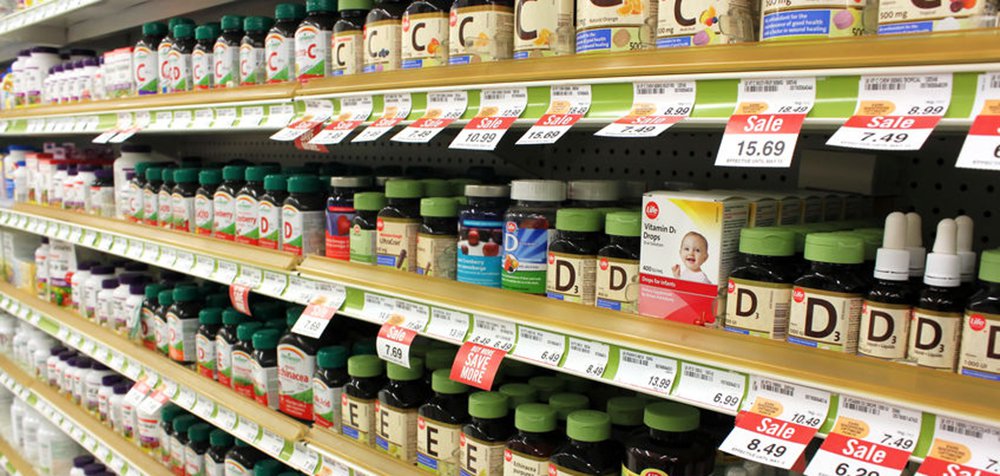
You may not realize it, but you can quickly consume many bottles of vitamins. These supplements add up fast in numbers. The cost can also add up fast.
Each bottle promises good health. Some work well together; and some do not.
You may find yourself spending a lot of money on promises. And perhaps adding supplements in a larger doses than needed.
Talk with your doctor or a nutritionist. A Nutrition Coach can help with the timing of when to take your supplement or vitamin.
You are aware that dietary supplements are not intended to treat, diagnose, Prevent, or Cure diseases. We take them to do just that: to supplement a good diet or to add what our doctor recommends.

Supplement companies want sales!
Supplement Companies want us to believe in their instant health solution by purchasing their over-the-counter products.
Drug Companies try to convince us that even with a bad diet, their pill will make you healthy.
Advertising is powerful. Advertising does not look at diet needs or personal health safety. Advertising is not personal. It is all about sales. Advertising is not about YOUR health.
Prescribed drugs are regulated. But Nutrition Supplements are Not. Be informed.
Drug companies have to go thru costly medical trials. The drug has to pass through many educated hands and scientific tests before it gets to the market. This can take years of investigation and study.
Supplements only have to undergo clinical trials and provide data that they are safe. Some clinical trials are purchased by the manufacturing supplement company. Will the test be accurate if paid by the supplement company? Look for independent clinical studies.
This testing of supplements only controls the supplement manufacturer from making false claims. But it does not stop them from stretching the truth. It also does not test the ingredients for purity?
It also does not stop some supplement companies from adding unnecessary ingredients or cheaper ingredients and then boosting the potency. Higher potencies look better. But most times they are NOT.
An example of supplements that don’t always work as promised can be found in probiotics. There is a wide range of probiotics on the market. Probiotics are being added to many different drinks and products.
Some can get through the digestive tract, most cannot. This means that the probiotic never gets to where it is needed.3 It still is a probiotic. Just not one that does not work where it should. Much research is needed on probiotics.
All good intentions of a supplement or additional vitamins can add up to being healthier. However, they can contradict what your body really needs right now.
When we see a doctor, we are trusting their knowledge.
We go to the doctor when we are ill. We go to the doctor when something is wrong. In some cases the doctor prescribes a medication that is scientifically developed to help the body heal. This prescription has gone through rigorous testing for it to be good, and for it to work!
Did you volunteer the names of the supplements that you have purchased and are taking when you saw your doctor? There should be a list in your doctor’s medical files.
Vitamins and Supplements can interfere with medications. Your doctor will recognize that.
Supplements and medications do not always mix.

That handful of pills you take each morning, needs to be shared with your Doctor.
There are many medications that have adverse affects with adding over-the-counter vitamin/mineral/herbal supplements. Be especially careful of herbal supplements.
Be mindful of mixing prescriptions and supplements with your children: Children metabolize substances different at different ages. Dosage matters greatly with children.4
Be careful of “all-natural” recommendations. The latest supplement may not be “all-natural.” All-natural is not cheap. All-natural is hard to manufacture.
Be extra careful of herbal supplements. Do not give children herbal supplements. Talk with your doctor First.
Also, be careful of mixing fish oil (Omega-3) with prescriptions. This is especially important if you are on any heart meds. Omega-3 is also found in various foods that with heart meds you may be advised to avoid.
I took the time to review a family member’s prescriptions against their supplements.
I read all this information from various sources. Then, I decided to check my family member’s prescribed drugs against his vitamins and supplements.
I found several supplements that the family member shouldn’t be taking. The family member was on heart medicines.
(This is where I thought the information needed to be shared.)
Supplements could interfere with the effectiveness of the prescribed medication for the diagnosed problem. When taken together they also could create new problems!
Just because a reaction or an interference is not definite, does not mean it could be a problem.
I recommended to the family member to stop the additional supplementation. I also recommended a discussion with their doctor.
Something important that you need to know.
Not all supplements work well with other supplements. Some supplements can cause some dangerous side effects with prescriptions.
Learn about what you are taking. Learn about what you are putting into your body.
Some vitamins or supplements have specific times to take as some should be taken on an empty stomach. Some vitamins or supplements need food in your stomach to metabolize.
An example: Antioxidants, such as vitamins C and E, might interfere with chemotherapy. Vitamin K can make your blood thinner and Warfin or Eloquis less effective and increase the risk of blood clots. St. John’s Wort (common for depression) doesn’t work well with prescriptions for depression, heart problems, HIV, and cancer. To name a few.
We know there are even some foods, even though healthy, should not be mixed with a prescription. Pineapple, a great source of vitamin C, is one that should not be mixed with heart meds.
A supplement can have greater potency and quantity of specific nutrients that can contradict the prescribed medication.
Greater potency can be a result of poor or poor quality ingredients. Greater potency can also result from chemical ingredients. Some companies advertise based on greater potency. Do your research. There is a limit to how much supplementation you need each day.
Not all supplements have the same ingredients. Be careful of a lot of chemicals. Be careful of ingredients you cannot pronounce. You want to use natural ingredients. Remember supplements fall into a grey area of regulation.
When a prescription is made, you need to be asking questions: what foods can contraindicate? What supplements won’t work with this medicine? If a doctor is unable to answer, then talk with your pharmacist.
A Nutrition coach is another option as they can help with the timing of your chosen supplements. A Nutrition coach can also help with choosing what you need based on your diet.
Your personal doctor does know what’s best for you.

Always check with your doctor when prescriptions are given as to any contradictions to the medication. Have a list of supplements available to show them.
By being honest and open with your doctor. The doctor’s visit will work for your recovery to good health if your doctor knows what all you are consuming.
Also check with your pharmacist as to contraindications. It is important that you are responsible for this information. Learn to ask about any medication prescribed.
Don’t be an armchair doctor. Talk with the person who cares about your health: your Family Doctor.
What am I to do when I want to take a supplement? Vitamin D3 is good in the winter. How will I know what to take?
Are you sure you need the supplement? Did you talk with your doctor about it? Did you ask what supplement is needed? Are their seasons for supplements?
If you have a Nutrition Coach, they are also good to discuss supplements with.
When it is recommended to consult your physician on the label, please do so. When your physician asks for what supplements you are adding, give him/her the list. When your surgeon says to stop all supplements, the Doctor does know best!
There are other herbal supplements that can contradict medication. Talk with your Doctor.
There are many different types of supplements that can interfere with surgery. Your Doctor is on your side. Let him be there for you. Some supplements can make the surgical procedure challenging. (who wants that!) Some supplements can also inhibit recovery.
I remember when I saw an Opthamologist for my dry eyes. We talked about Omega-3. He did suggest taking Omega-3 at night. He even told me how many capsules to take. We checked out a brand on his computer, and he wrote the prescription. My eyes greatly improved based on his examination and suggestion.
Do the research first. Don’t just buy based on cost.
Your health is important. You don’t want to create problems due to your good intentions?
I recommend doing some research on the supplement company as to how pure the ingredients are. Look at their guarantees and money-back promises. If there aren’t any, pass. This is where discount stores are not a good choice. They do not guarantee their vitamins and supplements.
Do not buy supplements or medical needs at Dollar Tree or any other discount store. The quality of ingredients may not be what you really want. Some companies do sell “seconds.” And some nutrients are not even manufactured in the USA. Learn to read the bottles.
Be careful of over-the-counter supplements. Remember they are on the shelf for sales. They are not on the shelf for YOU. Do your research before shopping. Look for those guarantees.
Second: look for natural ingredients. If you can’t pronounce it, it isn’t natural. You don’t want a lot of chemicals in your supplements.
Third: Always check the expiration date. Sales may happen when the item is close to expiration.
Fourth: Natural supplements are not the win-win! Just because it is natural, does not mean safe. (This is where research comes in.) Just because it says “organic” does not mean it is safe from chemicals. (A true organic ingredient is Very Difficult to grow! Your Nutrition Coach can explain this.)
Leave it to your educated doctor to decide what can be mixed. You went to see him/her for their advice. You checked out their credentials before you made an appointment. Now be smart, and follow through with their suggestions.
What should I do now?
Create a list of any supplements you have chosen to better your health. (I have one in my files on my phone.)
Next time you visit your doctor, bring him/her up to current. Show them the list of supplements you are taking. This list should be part of your medical records.
Having a list of supplements in your files helps the doctor. It is easier for the doctor to prescribe the right medication for your health problem. He can also see quite easily if there would be a conflict.
Vitamins and supplements can help you stay healthy. They can aid in your wellness. Don’t hesitate to include them, especially upon recommendation.
Vitamins and supplements cannot create wellness. That is up to you. You have to start by eating healthy at home. Make plans for good meals.
When your doctor advises Not Taking supplements or vitamins: Listen to him/her! The doctor knows about the prescribed medication and it’s effectiveness.
Remember you chose your doctor to take care of your health. He/she has years of study on wellness.
Your doctor wants you to be healthy!
Supplements are mean to supplement. Be careful and aware of contradictions.
Research the company and the ingredients. Look for guarantees and return polices. They should be there if the company is good.
Always check out any additional supplement with your doctor, pharmacist or Nutrition Coach.
Be careful with mixing supplements and prescribed needed medications. If you are taking prescriptions, talk with your doctor or pharmacist as to contra-indicators.
Be careful with supplements and vitamins and children. They don’t always mix. Do not give children herbal supplements.
Most important: Take the time to eat healthy at home. Eating as a family is always good to do.
References:
- https://www.health.harvard.edu/blog/phytonutrients-paint-your-plate-with-the-colors-of-the-rainbow-2019042516501 ↩︎
- https://www.pcf.org/blog/what-should-you-eat/ ↩︎
- https://my.clevelandclinic.org/health/treatments/14598-probiotics ↩︎
- https://www.mayoclinic.org/healthy-lifestyle/nutrition-and-healthy-eating/expert-answers/multivitamins/faq-20058310 ↩︎
I started this blog after doing research for a family member. They were taking some good vitamin and herbal supplements. I was quite surprised to see what shouldn’t be taken as it could effect the workings of the prescription. No one had warned us. I hadn’t asked.
We need to learn form this blog/situation that we all need to ask more questions. Ask questions when you are prescribed any medication. I know there are antibiotics too that fit in this blog. Learn about a diagnosis. Ask for more information if the medication is long-term.
We need to learn to be ProActive with our health.
 Mary Jessen: Wellness Makes Cents
Leave a comment