Enjoying the good things in life!

Archive for January, 2025

Understanding the Risks of Mixing Supplements and Medications

Many of us choose to buy vitamins and supplements. We may feel that our health needs a “boost.”

Or we may have read an article that suggested we try a particular vitamin for our “problem.” Facebook may have provided a suggested cure for our concerns.

We are eager for good health. We all want to look good and feel good. And we really don’t want to do all “that work!”

What is the purpose of a supplement ?

Supplements have their advantages. People take supplements to help maintain or improve their health by ensuring they get enough essential nutrients. 

Some people who may benefit from supplements include pregnant women, people with osteoporosis, and vegans.

Vegans or those on limited diets should talk with their doctor. Those who restrict their diet may need a specific supplement. Your doctor will advise you if you are missing a needed nutrient from your diet.

As we age, we look at supplements as our appetites dwindle. With age sometimes there is a greater need for particular supplements. (I take joint supplements for aging joints.)

We take some supplements to improve our immunity, especially in the dark days of winter. Vitamin D3 is one that is popular.

Supplements are meant to do just what the word says: supplement a good diet.

But First, you must have a good healthy diet.

Do we choose a supplement to fix a broken diet? Do we choose a supplement to “make us well?”

Is it easier to pop a vitamin than to eat healthy? That would be so nice.

Are you depending on your supplements to give you good health? Are you finding yourself adding more bottles of supplements each time you shop? Do you find yourself relying on them?

You could save yourself a lot of money by looking at and enriching your daily meals. Supplements can be expensive.
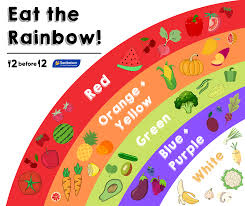
We have talked about the need of good home cooked meals. We have shown the Food Rainbow1 and the Carbohydrate Wheel. 2

By now we know that creating good health has to start at Home with Home-Cooked meals.

And home-cooking is a lot cheaper and, most times healthier, than even a drive-thru. You just need to take time to prepare. Explore new menus. Try new flavors. Eating at home can be quite “yummy!”

Always make a shopping list. Then, plan the time to prepare the meal. Many times meals can be made in larger quantities that allow “planned-ahead” meals. I love this! I always try to make “planned-ahead” meals! Besides it stretches the food budget! And it is easy to pull a favorite out of the freezer when I’m too busy to cook.

(If you need help with planning ahead, this is where a Nutrition Coach like myself comes in. I can help you plan ahead. Save money and time. I have years of study and years of cooking for a large family on a small food budget.)

We know that good eating also needs to have exercise. It is through exercise that we help our body utilize the nutrients we have eaten. It all works together.

Are you tempted to buy another supplement based on advertising? Do you feel your diet is full of too many fast-food meals or restaurant meals?

It is easy to find a supplement as they all promise that they will make us feel wonderful. And sometimes, the more we take, the merrier! Consumers think: “I’ll add this as it does that.”
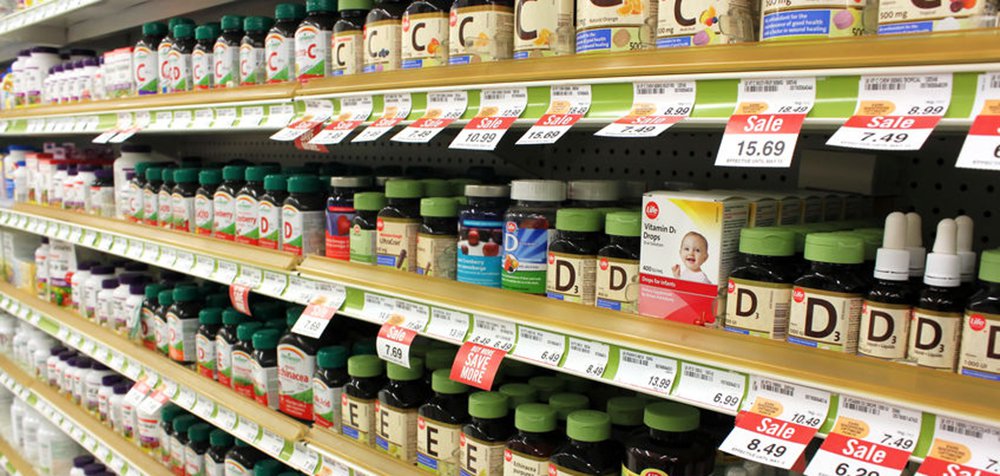
You may not realize it, but you can quickly consume many bottles of vitamins. These supplements add up fast in numbers. The cost can also add up fast.

Each bottle promises good health. Some work well together; and some do not.

You may find yourself spending a lot of money on promises. And perhaps adding supplements in a larger doses than needed.

Talk with your doctor or a nutritionist. A Nutrition Coach can help with the timing of when to take your supplement or vitamin.

You are aware that dietary supplements are not intended to treat, diagnose, Prevent, or Cure diseases. We take them to do just that: to supplement a good diet or to add what our doctor recommends.

Supplement companies want sales!

Supplement Companies want us to believe in their instant health solution by purchasing their over-the-counter products.

Drug Companies try to convince us that even with a bad diet, their pill will make you healthy.

Advertising is powerful. Advertising does not look at diet needs or personal health safety. Advertising is not personal. It is all about sales. Advertising is not about YOUR health.

Prescribed drugs are regulated. But Nutrition Supplements are Not. Be informed.

Drug companies have to go thru costly medical trials. The drug has to pass through many educated hands and scientific tests before it gets to the market. This can take years of investigation and study.

Supplements only have to undergo clinical trials and provide data that they are safe. Some clinical trials are purchased by the manufacturing supplement company. Will the test be accurate if paid by the supplement company? Look for independent clinical studies.

This testing of supplements only controls the supplement manufacturer from making false claims. But it does not stop them from stretching the truth. It also does not test the ingredients for purity?

It also does not stop some supplement companies from adding unnecessary ingredients or cheaper ingredients and then boosting the potency. Higher potencies look better. But most times they are NOT.

An example of supplements that don’t always work as promised can be found in probiotics. There is a wide range of probiotics on the market. Probiotics are being added to many different drinks and products.

Some can get through the digestive tract, most cannot. This means that the probiotic never gets to where it is needed.3 It still is a probiotic. Just not one that does not work where it should. Much research is needed on probiotics.

All good intentions of a supplement or additional vitamins can add up to being healthier. However, they can contradict what your body really needs right now.

When we see a doctor, we are trusting their knowledge.

We go to the doctor when we are ill. We go to the doctor when something is wrong. In some cases the doctor prescribes a medication that is scientifically developed to help the body heal. This prescription has gone through rigorous testing for it to be good, and for it to work!

Did you volunteer the names of the supplements that you have purchased and are taking when you saw your doctor? There should be a list in your doctor’s medical files.

Vitamins and Supplements can interfere with medications. Your doctor will recognize that.

Supplements and medications do not always mix.

That handful of pills you take each morning, needs to be shared with your Doctor.

There are many medications that have adverse affects with adding over-the-counter vitamin/mineral/herbal supplements. Be especially careful of herbal supplements.

Be mindful of mixing prescriptions and supplements with your children: Children metabolize substances different at different ages. Dosage matters greatly with children.4

Be careful of “all-natural” recommendations. The latest supplement may not be “all-natural.” All-natural is not cheap. All-natural is hard to manufacture.

Be extra careful of herbal supplements. Do not give children herbal supplements. Talk with your doctor First.

Also, be careful of mixing fish oil (Omega-3) with prescriptions. This is especially important if you are on any heart meds. Omega-3 is also found in various foods that with heart meds you may be advised to avoid.

I took the time to review a family member’s prescriptions against their supplements.

I read all this information from various sources. Then, I decided to check my family member’s prescribed drugs against his vitamins and supplements.

I found several supplements that the family member shouldn’t be taking. The family member was on heart medicines.

(This is where I thought the information needed to be shared.)

Supplements could interfere with the effectiveness of the prescribed medication for the diagnosed problem. When taken together they also could create new problems!

Just because a reaction or an interference is not definite, does not mean it could be a problem.

I recommended to the family member to stop the additional supplementation. I also recommended a discussion with their doctor.

Something important that you need to know.

Not all supplements work well with other supplements. Some supplements can cause some dangerous side effects with prescriptions.

Learn about what you are taking. Learn about what you are putting into your body.

Some vitamins or supplements have specific times to take as some should be taken on an empty stomach. Some vitamins or supplements need food in your stomach to metabolize.

An example: Antioxidants, such as vitamins C and E, might interfere with chemotherapy. Vitamin K can make your blood thinner and Warfin or Eloquis less effective and increase the risk of blood clots. St. John’s Wort (common for depression) doesn’t work well with prescriptions for depression, heart problems, HIV, and cancer. To name a few.

We know there are even some foods, even though healthy, should not be mixed with a prescription. Pineapple, a great source of vitamin C, is one that should not be mixed with heart meds.

A supplement can have greater potency and quantity of specific nutrients that can contradict the prescribed medication.

Greater potency can be a result of poor or poor quality ingredients. Greater potency can also result from chemical ingredients. Some companies advertise based on greater potency. Do your research. There is a limit to how much supplementation you need each day.

Not all supplements have the same ingredients. Be careful of a lot of chemicals. Be careful of ingredients you cannot pronounce. You want to use natural ingredients. Remember supplements fall into a grey area of regulation.

When a prescription is made, you need to be asking questions: what foods can contraindicate? What supplements won’t work with this medicine? If a doctor is unable to answer, then talk with your pharmacist.

A Nutrition coach is another option as they can help with the timing of your chosen supplements. A Nutrition coach can also help with choosing what you need based on your diet.

Your personal doctor does know what’s best for you.

Always check with your doctor when prescriptions are given as to any contradictions to the medication. Have a list of supplements available to show them.

By being honest and open with your doctor. The doctor’s visit will work for your recovery to good health if your doctor knows what all you are consuming.

Also check with your pharmacist as to contraindications. It is important that you are responsible for this information. Learn to ask about any medication prescribed.

Don’t be an armchair doctor. Talk with the person who cares about your health: your Family Doctor.

What am I to do when I want to take a supplement? Vitamin D3 is good in the winter. How will I know what to take?

Are you sure you need the supplement? Did you talk with your doctor about it? Did you ask what supplement is needed? Are their seasons for supplements?

If you have a Nutrition Coach, they are also good to discuss supplements with.

When it is recommended to consult your physician on the label, please do so. When your physician asks for what supplements you are adding, give him/her the list. When your surgeon says to stop all supplements, the Doctor does know best!

There are other herbal supplements that can contradict medication. Talk with your Doctor.

There are many different types of supplements that can interfere with surgery. Your Doctor is on your side. Let him be there for you. Some supplements can make the surgical procedure challenging. (who wants that!) Some supplements can also inhibit recovery.

I remember when I saw an Opthamologist for my dry eyes. We talked about Omega-3. He did suggest taking Omega-3 at night. He even told me how many capsules to take. We checked out a brand on his computer, and he wrote the prescription. My eyes greatly improved based on his examination and suggestion.

Do the research first. Don’t just buy based on cost.

Your health is important. You don’t want to create problems due to your good intentions?

I recommend doing some research on the supplement company as to how pure the ingredients are. Look at their guarantees and money-back promises. If there aren’t any, pass. This is where discount stores are not a good choice. They do not guarantee their vitamins and supplements.

Do not buy supplements or medical needs at Dollar Tree or any other discount store. The quality of ingredients may not be what you really want. Some companies do sell “seconds.” And some nutrients are not even manufactured in the USA. Learn to read the bottles.

Be careful of over-the-counter supplements. Remember they are on the shelf for sales. They are not on the shelf for YOU. Do your research before shopping. Look for those guarantees.

Second: look for natural ingredients. If you can’t pronounce it, it isn’t natural. You don’t want a lot of chemicals in your supplements.

Third: Always check the expiration date. Sales may happen when the item is close to expiration.

Fourth: Natural supplements are not the win-win! Just because it is natural, does not mean safe. (This is where research comes in.) Just because it says “organic” does not mean it is safe from chemicals. (A true organic ingredient is Very Difficult to grow! Your Nutrition Coach can explain this.)

Leave it to your educated doctor to decide what can be mixed. You went to see him/her for their advice. You checked out their credentials before you made an appointment. Now be smart, and follow through with their suggestions.

What should I do now?

Create a list of any supplements you have chosen to better your health. (I have one in my files on my phone.)

Next time you visit your doctor, bring him/her up to current. Show them the list of supplements you are taking. This list should be part of your medical records.

Having a list of supplements in your files helps the doctor. It is easier for the doctor to prescribe the right medication for your health problem. He can also see quite easily if there would be a conflict.

Vitamins and supplements can help you stay healthy. They can aid in your wellness. Don’t hesitate to include them, especially upon recommendation.

Vitamins and supplements cannot create wellness. That is up to you. You have to start by eating healthy at home. Make plans for good meals.

When your doctor advises Not Taking supplements or vitamins: Listen to him/her! The doctor knows about the prescribed medication and it’s effectiveness.

Remember you chose your doctor to take care of your health. He/she has years of study on wellness.

Your doctor wants you to be healthy!

Supplements are mean to supplement. Be careful and aware of contradictions.

Research the company and the ingredients. Look for guarantees and return polices. They should be there if the company is good.

Always check out any additional supplement with your doctor, pharmacist or Nutrition Coach.

Be careful with mixing supplements and prescribed needed medications. If you are taking prescriptions, talk with your doctor or pharmacist as to contra-indicators.

Be careful with supplements and vitamins and children. They don’t always mix. Do not give children herbal supplements.

Most important: Take the time to eat healthy at home. Eating as a family is always good to do.

https://www.maryjessen.com/

References:

  1. https://www.health.harvard.edu/blog/phytonutrients-paint-your-plate-with-the-colors-of-the-rainbow-2019042516501 ↩︎
  2. https://www.pcf.org/blog/what-should-you-eat/ ↩︎
  3. https://my.clevelandclinic.org/health/treatments/14598-probiotics ↩︎
  4. https://www.mayoclinic.org/healthy-lifestyle/nutrition-and-healthy-eating/expert-answers/multivitamins/faq-20058310 ↩︎

https://www.fda.gov/consumers/consumer-updates/mixing-medications-and-dietary-supplements-can-endanger-your-health#:

https://www.cancer.org/cancer/managing-cancer/treatment-types/complementary-and-integrative-medicine/dietary-supplements/safety.html#

I started this blog after doing research for a family member. They were taking some good vitamin and herbal supplements. I was quite surprised to see what shouldn’t be taken as it could effect the workings of the prescription. No one had warned us. I hadn’t asked.

We need to learn form this blog/situation that we all need to ask more questions. Ask questions when you are prescribed any medication. I know there are antibiotics too that fit in this blog. Learn about a diagnosis. Ask for more information if the medication is long-term.

We need to learn to be ProActive with our health.

Nutrition for Student/Child Athlete.

Before any game an athlete needs to prepare.

Uniform? Shoes? Water bottle? Let’s go!

But more should happen long before leaving for the game.

Any athlete knows he needs to fuel his body. This is essential to deliver the sports response he has practiced for. Your athlete may remember all the plays. But is his body able to deliver?

Let’s start with Nutrition for Child Athletes:

The meals the day before do count. The body is not functioning only on today’s foods. It is also using what you fed it yesterday.

So how was yesterday’s meals? Yes, a good athlete will always start with yesterday’s meals. Just thinking you can “fuel up” in the morning does not work.

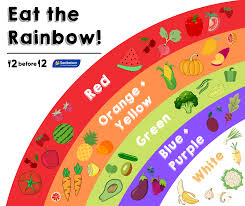
Make a good meal for everyone. Include the Food Rainbow and also good Carbs at every meal. Start by just thinking colors: Make your dinner plate colorful. Go for the basic colors.

Food Rainbow

Remember years ago how schools taught about the Food Rainbow? Choose something from each color group for your meals. This ensures that your body has a good foundation to work with.

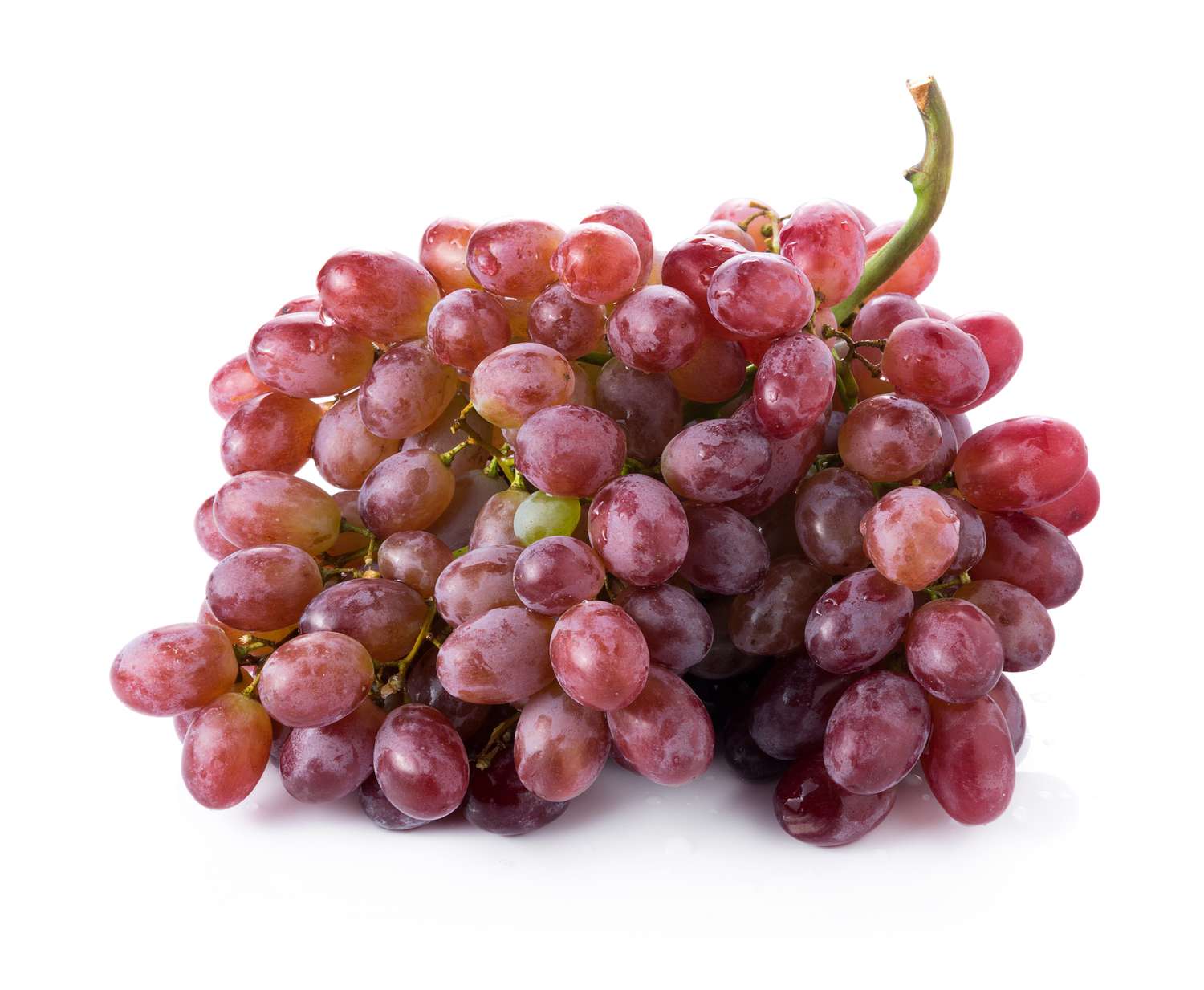
I like to serve a fresh vegetable: slice tomato or raw carrot. Include in the main portion something yellow and dark green: peas and corn? As for dessert: sliced fruit or a fruit bowl: Some grapes and a sliced orange. Think color when you put your meal together.

There are many good reasons for this coloration. Not only does it make eating more attractive (we all eat with our eyes!), it is nutritious.

We should always try to eat from every color spectrum throughout the day.

There are other reasons for the colors to be important.

The importance of the colors in our foods:

What do the colors bring to our plate?

Reds: such as tomatoes, strawberries, and red beans contain vitamin C and vitamin A. They also contain potassium and antioxidants.

What are antioxidants: Antioxidants are compounds that neutralize free radicals. Free radicals are unstable molecules that can damage cell membranes and other structures. A diet rich in antioxidants can help prevent diseases, such as common colds or this winter’s flu.

Yellow or Orange: include carrots, peaches, squash and pineapple. All loaded with vitamins C and A, and potassium. These vitamins help enhance vision.

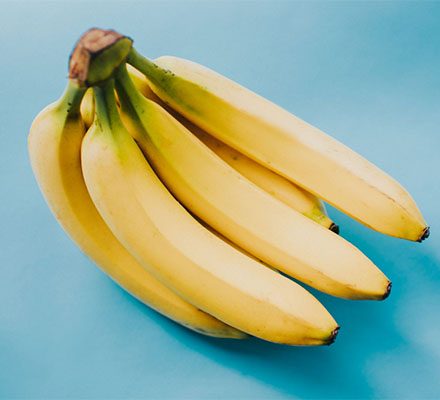
White: Mushrooms, bananas, onions, leeks, cauliflower are good for your heart and help control cholesterol. Cholesterol is also important for children as children are becoming heavier in weight.

Green: are dark green leafy vegetables: spinach, broccoli, brussel sprouts are good choices. Green vegetables also help maintain vision health, strong bones and teeth. Green means lots of Vitamin K which aids in blood clotting process. These vegetables also contain potassium. Other green vegetables: avacado, green beans, pears, cucumbers, apples, Romaine lettuce, honeydew melon, celery and green grapes.

Leeks and cauliflower make a great soup!

Blue/purple: are many fruits and vegetables that can get overlooked. These include cranberries, purple grapes, raisins, and eggplant. Also beets, plums, black berries and blueberries. All of these help the urinary tract stay health. The encourage good memory functions and promote healthy aging.

Blue/purples fruits and vegetables is the food group often omitted. The health benefits of this group should be a part of our daily diet as much as an apple or a banana.

Try to choose foods high in fiber as they will give greater food satisfaction.

Fresh is always better than cooked. Try not to use a lot of oil or fry. Steaming or grilling is the best. When you boil vegetables, you leach out nutrients. Pouring out the water, also pours out nutrition. (Perhaps save the water for a soup base.)

If you can’t get fresh fruits or vegetables, frozen does work. Most fruits and vegetables are flash-frozen where they are picked to keep nutrition.

Eat dried fruits in moderation. And if you are counting calories, go for smaller pieces of fruits as dried fruits can be higher in calories.

Eating the rainbow each day gives our body any needed nutrients to fuel the day and the day after.

Is there a Carbohydrate wheel?

A great athlete will start by eating nutritionally good the day before the game! Just eating a good breakfast is no guarantee of good performance.

Good performance starts before the day of the game. When an athlete is “is season,” they need to be eating well every day.

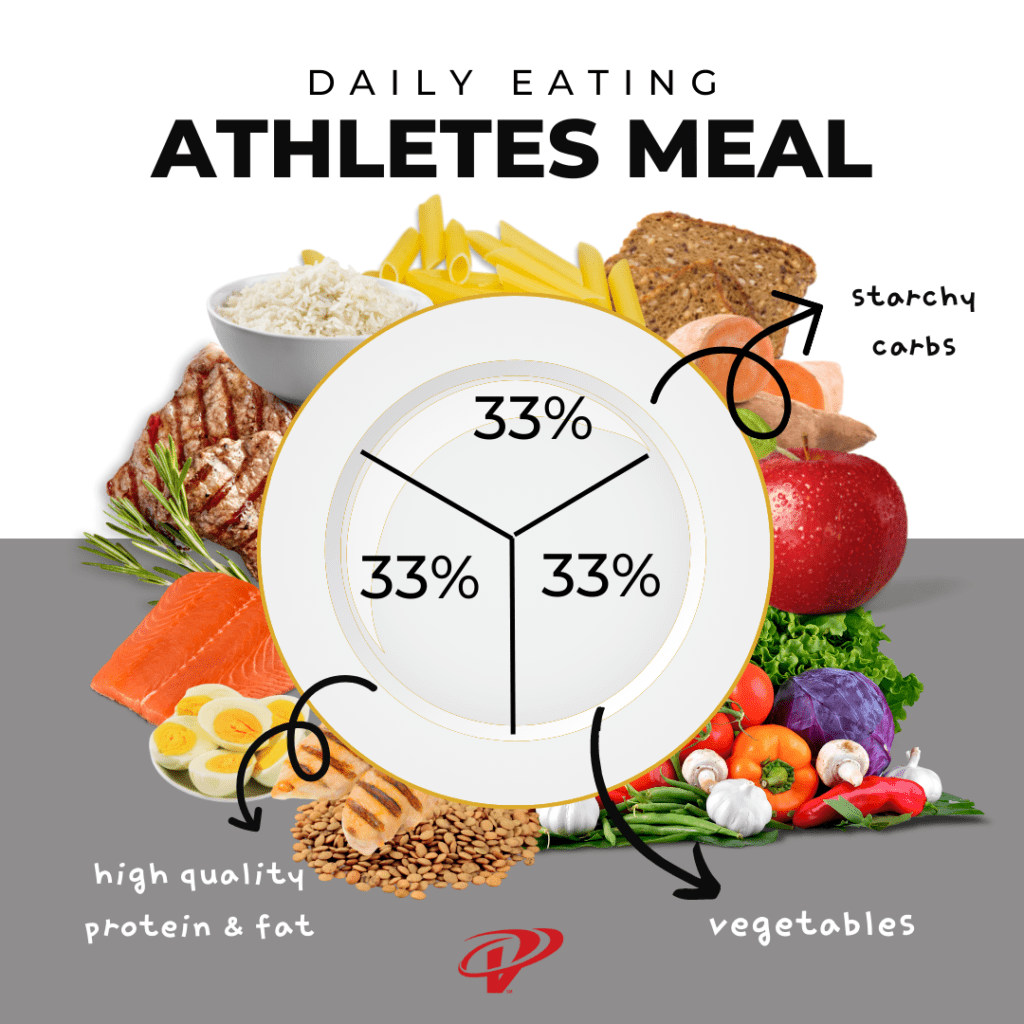
An athlete’s dinner should include the suggestions shown above on the plate.

Good carbs are: whole wheat minimally processed breads, rice, pasta, and starchy vegetables (peas, potatoes, yams, squash, red beans).

It is common for HS football teams to have a spaghetti night the day before a game.

Why all this talk about nutrition when I started with student athletes?

You don’t have to be playing a sport to know the importance of every day nutrition. We do get a lot from our foods. Just not as much as Mom and Dad or Grandparents did.

We have talked about nutrient loss in our soil. Fortify yourself with foods rich in good nutrition. However also add a multiple vitamin supplement. This is especially important if you are out with people or in crowds.

Crowds like to share. Parents and families and friends are in the audience. The bleachers can be full. And everyone is cheering and having a great time! And they are also sharing whatever their body is working on.

Be ready for the assault. Make the nutrition for your athlete important for the whole family.

Foods the day of the game are important for your athlete.

Back to the subject:

If you want to help your child do well during the game, start with a good breakfast.

Prepare a meal that has good hydration, and plenty of complex carbohydrates. A baked potato is a good start. Add some butter. Or a serving of rice and beans with perhaps an egg scrambled in. Add some onions or leeks? This is where a whole fruit juice is good. Hydration is important.

Don’t forget Oatmeal with fruit. Oatmeal is a great complex carbohydrate.

Carbohydrates are fuel for the game.

Forget the sausage and bacon and eggs. Fats are hard to digest and can create problems during activity. Focus on good carbohydrates. If you are not certain which ones, let’s chat!

Make certain your athlete has good hydration.

Start hydration hours before they get to the game. An athlete should have at least 2 glasses of water 2-3 hours before the game.

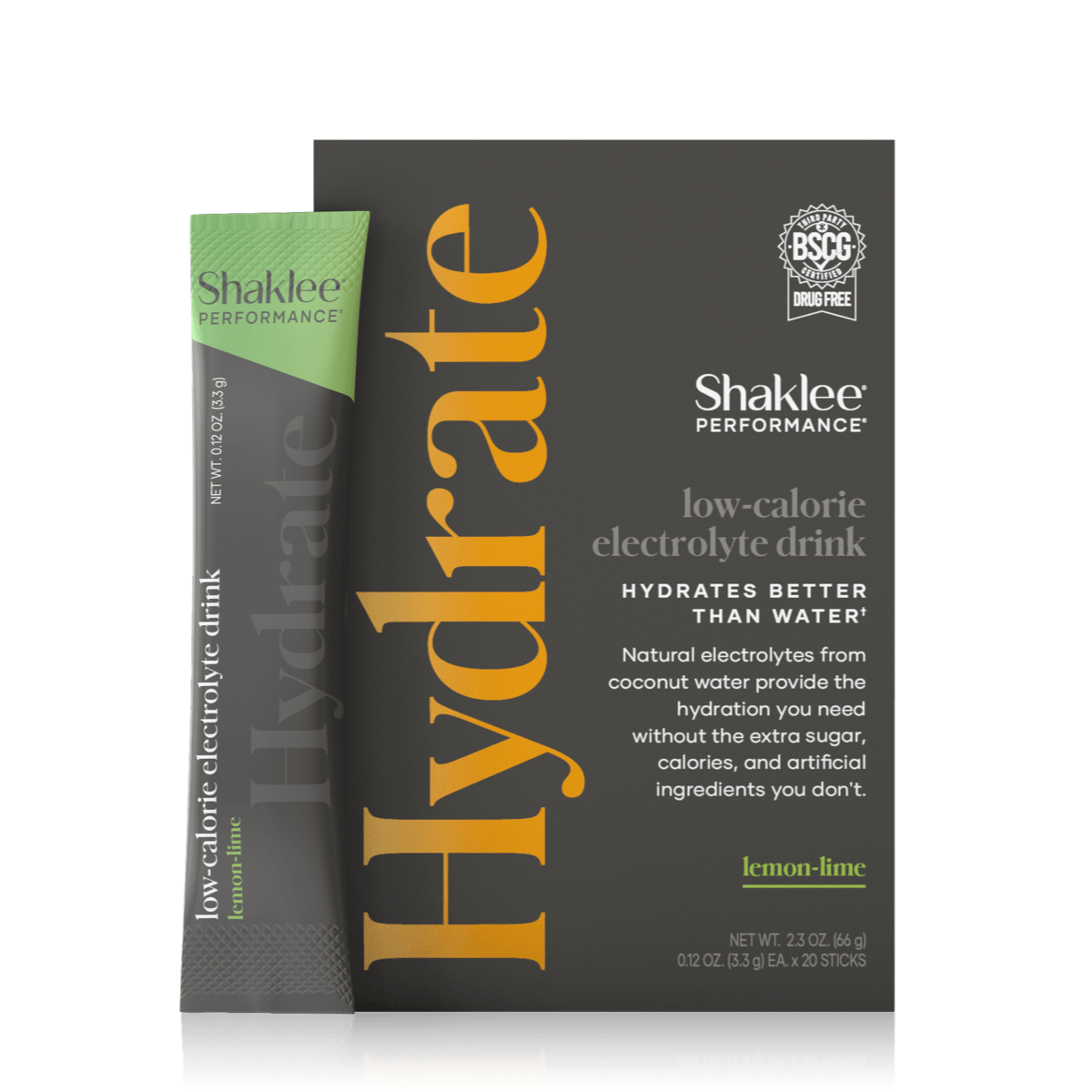
Consider an electrolyte drink. I recommend Shaklee’s Performance. It was designed for NASA, not a football team. It still ranks as the best drink and is used by high performance athletes around the world.

Monitor the color of your child’s urine. It should be a pale yellow. Dark yellow means the child is a bit dehydrated. More hydration is needed.

When an athlete is dehydrated, their face can get very red and is usually is not a cause for concern. If the flushed skin occurs along with other symptoms, such as confusion, it could indicate a heat-related illness. Difficulty breathing or exhaustion might also suggest heatstroke or heat exhaustion. Pay attention to your child’s breathing when their face is flushed.

During the game hydration is important too. A good sports drink will help with balance. It contains three basic components: fluid, carbohydrates (otherwise known as sugar), and electrolytes (usually sodium and potassium). It does not need vitamins or antioxidants. The body only is looking to regain balance of fluids.

Water does not help other than being just a fluid.

During a game, it’s recommended to drink fluids every 15-20 minutes. Take in around 4-8 ounces of water or a sports drink each time.

Fluid intake depends on the intensity of the activity and the climate they are playing in. For longer games, consider a sports drink to replenish electrolytes lost through sweat.  Offer a sports drink when the playing area is quite warm.

Teach your child to listen to their body:. As a parent, you should be watching your child for signs of thirst. Don’t wait until your child is very thirsty to drink, as that indicates dehydration is already setting in. Watch that they drink every chance that is available.

Be aware of your child’s needs. Don’t let them “hit the wall.”

In sports, “hitting the wall” occurs when an athlete suddenly becomes fatigued. The exhaustion happens due to depleted carbohydrate stores. If the athlete had started with a sound breakfast, this would not happen.

And many times it is in school sports. This means the athlete ran out of “gas” or not enough carbohydrates to fuel his body.

It is quite tough on the body. A proper recovery should happen after this. (Start the day with a good carbohydrate load: good fibers, good wheats, little sugars.)

After the game: Recovery is very important.

And be certain to follow the game with a recovery drink, Performance/hydation sports drink. I suggest to have a Recovery drink available in the car for when the game is over.

Recovery is just as important as getting ready for the game.

Even though “game day” is over, a good athlete is always preparing for the next game. The athlete needs to eat healthy all season. Keep hydration up. Be aware of your child athletes’s hydration levels. Don’t wait until a dry mouth. Drink before that.

If you want a personalized plan for your athletic child, I’ll be glad to work with you.

https://www.maryjessen.com

References:

https://foodinsight.org./eat a rainbow

Embrace New Year Resolutions with Positivity

How did you start the year?

What did you do after the balloons and noise-makers and champagne were gone? Did you make a list of New Year Resolutions? Was this list a long one or a short one?

I have never really written down a list for the New Year “to do.” I don’t know if maybe I am afraid of seeing what I do not achieve throughout the upcoming year.

Lately, I have come to the conclusion that new year’s resolutions need not be big steps. Instead, they can be small positive actions or just creating a new habit. (I also don’t assess a number of times: 3x a week for arm-curls. Instead it should be: exercise weekly, as weekly can become more often as the year goes by. )

A time of reflection:

January 1 can be a day of reflection on the good things of 2024.

But it doesn’t have to be the FIRST of the year. It can be at any time in the beginning of 2025.

Reflecting on the past year can be beneficial. It helps us consider how to improve ourselves and our way of life.

“We spend January 1 walking through our lives, room by room, drawing up a list of work to be done, cracks to be patched,” wrote Ellen Goodman.

Why do we feel we need to make a New Year resolution?

Google reflects: “A probable reason for (making) the New Year’s inspiring resolutions is the extra motivation many people feel around the end of the year.” We feel we want to start fresh and maybe make the new year better.

The start of a new year is a great benchmark.

The beginning months of the year allow us to look back. They make us think about where we stand right now in life. It helps us get clarity on what could be done better. With reflection, we can then create better habits for the year ahead.

Beginning the new year with resolutions does not have to be a dreadful list of tasks not completed.

I’ve realized I prefer creating a New Year’s list of what “I want to do in 2025.” This is more appealing than a list of tasks to accomplish. (Just a different approach.) I also think it is a more positive approach.

Do you create a list of changes for the new year?

A mental review of the ups and days of fun of the past year is a good way to think.

Are you remembering the highs, the good times of the year?

Make a list of the good times that improved your life and you want to repeat.

Have you found that you seem to abandon the “resolution” list by the 30 to 45-day mark?

Was your resolution list too much or too hard?

Were you critical of yourself?

Maybe there were too many items on your list?

New Year resolutions should be a list of what can be fun to do in the new year. It should include an easy way to create a new habit.

“Tomorrow is the first blank page of a 365-page book. Write a good one!” advises Brad Paisley.

I like this idea. It also plays into creating a journal for the upcoming year. I like the idea of creating a journal of positivism. This make it easier to write. The journal becomes fun to create. (I will talk more of this later.)

Creating a list of resolutions can be quite intimidating!

Mark Twain says: “Continuous improvement is better than delayed perfection.”

Continuous improvement sounds hopeful as it does not have an end. Continuous improvement is not self-critical. It is an rewarding motion.

This quote has led me to create a list of what I want to improve or do more of. Positive thoughts and actions.

Don’t start by looking at the reflection of yourself in a mirror:

Looking at yourself in the mirror is not always the way to start the year. Many times we tend to be quite self-critical.

You want to look around at your physical surroundings first.

We can start by looking at our immediate surroundings and decide what needs improvement. Improvement means a commitment of time. Maybe forgoing a vacation this year to improve your home or yard?

Do you have a resolution for the inside of your home?

Organization is always good for the mind. It gives our brain strength. Your brain loves organization.

Organization of your home does not have to be a BIG job.

As you look around are you satisfied with the organization of your home base? Does the inside of your home need improvement? Don’t look at the whole house. Look at your “living” rooms. Look at the rooms YOU are in the most. (Kids rooms don’t count! maybe next year?)

Does the inside of your home need a straightening or an organizing?

Sometimes just organizing the physical things around you can help make you feel good. Having an organized spot is better for you than being surrounded by what is not allowing you to feel “all-together.”

You can start with your cupboards in your kitchen. Are they full of good foods? Nutritious foods? Are you eating healthy? Don’t throw food out; donate it. Make a list of what you can improve. Maybe more fruits and vegetables. Less snacks?

What is your food budget? Are you wanting to save money this year?

A change in your eating habits could help save money. Good foods do not cost as much as snacks or pop.

Good foods also give your greater satisfaction after eating. Good foods do make a difference in how we physically and mentally “feel.”

How to start the day organized:

You have changed or organized your foods and your cupboards, what is next?

It is advised to start each day with making your bed!

This simple action of making your bed lets your brain start the day organized. It helps throughout the craziness of the day. Try it? Your bed doesn’t have to look like out of “Good Housekeeping.” All it means is to straighten the sheets and blankets and fluff your pillow. Simple. Easy and not a big project. Your brain loves the act.

What is the meaning of the hated word “diet?”

Are you concerned about your weight?

Don’t think the word”diet” as a negative.

Merriam Webster defines the word: 1. a the food and drink that a person, animal, or group usually (takes many birds live on a diet of insects). b: the kind and amount of food selected for a person or animal for a special reason (as improving health) or consuming each day. c: a plan of eating and drinking less than usual (so as to reduce one’s weight) 2 something experienced repeatedly( such as more fruits and vegetables)

“Diet” is a word that is meant to be a note of what you eat each day. The word “diet” does not mean what foods you have to give up to meet a society marker of what to eat or weigh. (I’m not going into weight. Sometimes just changing what you are eating can accomplish this.)

We all eat differently. There is a way to eat healthy, and not focusing on the elimination of your favorite foods. I encourage you to think of adding color and texture to your foods. I want to think of replacement or addition.

Diet really can mean something experienced repeatedly Each Day!

Make a resolution to create a “diet” of your favorite fruits, and include new vegetables.

You notice that the word “diet” is basically what we eat each day.

A New Year’s resolution can be adding to your diet! Adding is a positive resolution, and one that can be easier to continue.

Winter has many different fruits and vegetables!

By adding more raw fruits and vegetables, you move the ugly calories aside.

Years ago, when I worked at an Assisted Living facility, I decided to gather different fruits from the grocery stores. I purchased fruits that were not on the daily menus. I wanted to offer different tastes and colors.

This activity was a HUGE success. We tried Jack fruit! We tried different bananas. We tried mangoes. All fruits that were not part of a daily menu. And worth of a note in your journal. And perhaps becoming a substitute for the usual bag of apples?

So don’t let the word “diet” in your new year resolution to be an ugly word.

Use the word to be a sweeter way of adding more fresh fruits and vegetables. (Your body will love you!)

Make plans for getting outside of your house:

Consider creating a resolution to get out of the house more and into your local, state, or national parks.

Make plans to visit each of the parks in your city. That can be a fun number to achieve!

Try to spend four hours at each park. (Don’t tell yourself, it really is about adding exercise.) Your local parks may have some great programs to visit or partake.

Recently I became a Indiana Master Naturalist. This is a program offered by the Parks Department in Indiana. (..maybe your state has one too!) We hold a spring “Hawks” program and a fall “Owl” program in a local park. It is a great success! And a lot of fun. Families here Love it! You might look into your local parks for such-type programs.

Make plans to enjoy the outdoors.

Plan a picnic, even in the winter! A walk with a stop of hot cocoa at the end, and don’t forget the marshmallows!

Select a hike that the park department may offer. Use the bike/walking trails in your neighborhood. Or maybe just the sidewalks!

Find a park program and reserve a spot! This is all the fun part of a new year resolution.

Gratitude and enjoyment is a positive resolution.

Did you look back through last year and feel some gratitude that you went, or saw, or enjoyed something special? Gratitude is a great way to make the day easier. (Don’t count “just getting through the year! There has to be some fun in it?)

Consider starting a journal of the fun things you do each week.

(Remember the park hikes? Remember choosing a raw fruit or vegetable? All some fun things to do and are worthy of a journal note.) Indirectly this becomes a Gratitude Journal. I’m betting you have heard about a gratitude journal?

Sometimes the thought of writing a gratitude journal can be daunting.

But writing in a journal becomes easier if you list what was good and fun that day. You can even reflect and remember the entire week.

We went on vacation this past season. I decided to write a short journal about our activities, sights, and meals. It started me thinking that a gratitude journal need not be an itemized list of what I’m grateful for. It can be created by indirectly listing what was good that day. I can write that!

Suggestion: create a day of the month to try something different to eat or an activity. Make a note of this activity in your journal.

Remember a journal is just taking notes of what was fun and good to remember!

How to start a journal? On a specific day, let each family member will get to choose what they want to try. Get the family involved. Do this at a family meal. (What no family meal? Create one!) It is easier to do different “things” when it is a family action. And then make a note of it in a a journal.

Can a resolution can also be creating a new fun habit?

A new year’s resolution is just creating a habit you want to do throughout the year: a new “diet.”

Remember the word “diet” can be a new habit. It can also be developing a habit farther. It should be an enjoyable new habit!

What type of habits am I suggesting?

If you like to read, maybe adding more non-fiction to your list of books. This can include book of education. Education for the job ahead. Education for advancement in your career. Education for the new hobby. For me, a bird book! Or it could be just changing what you eat.

Germany Kent advises: “Never underestimate the power you have to take your life into a new direction.”

Don’t feel intimidated by a resolution:

New Year Resolutions do not have to be intimidating. Just think about last year and decide what you want different in the New Year.

Don’t make a list of what went wrong last year. Just think of what you want to do better or more often.

You can add a weekly trip to a park.

Try new fruits and vegetables.

Make notes of what was fun and yummy! Make a list of what to do for 2025.

“The best way to predict the future is to create it!” Peter Drucker

365 ways/days to improve oneself to the fullest.

Make each day or week fun and worthwhile.

Step into 2025 with purpose and positive vibes! Start the new year with a list of fun for the future.

When we create positive new actions, we are creating great New Year Resolutions/”diets”!

With some planning I know you can create a better and fun new year!

\Do you want to take a trip in 2025? Trips don’t have to be expensive.

(The trip can be to site see in your nearby city.Many suburbanites have never been to the local big city.)

Are you thinking a trip to the library? A course of study? (This is where a class might be fun. I took the Indiana Master Naturalist class two years ago. It has a requirement/encouragment of activities that need to be done each year. It gets me out of the house/routine.)

(I have another resolution: I want to finish my Nutrition Coach classes. This is a good online class that I can finish this winter when I’m indoors more.)

A recipe? Do you like to cook or bake? My daughter found cooking classes at a local home goods store!

A trip to the museum? (Every town has some type of museum.) Don’t forget your local parks and even libraries. (Libraries also have book clubs whereas you read the book and once a month, gather to discuss it!)

A new hobby? Do you like to sew? Perhaps paint? There are clubs to teach and share.

Or a new organization to join? Volunteer work? (Volunteer work is needed today. Young families are so busy. But joining a volunteer group also teaches our kiddos that helping others is important.)

All of the above steps of improvement are fun and create new habits (“diets”) for the new year.

Remember a resolution is just creating a new habit.

If You followed the above suggestions, do you realize you created a New Year’s resolution plan?

Wow! A great New Year resolution plan!

And you created this list by thinking of positive actions for you and your family!

Organizing your home (and maybe improving it);

Improving how you eat;

Adding more exercise;

Improving yours and your family’s health;

Looking into a new hobby;

perhaps Planning a local trip;

Developing and writing a journal;

and adding Enrichment to yourself and your family!

Do share what are the most important actions you want to do in 2025. You can be inspiring to others.

https://wellness.maryjessen.com/

https://blog.maryjessen.com/