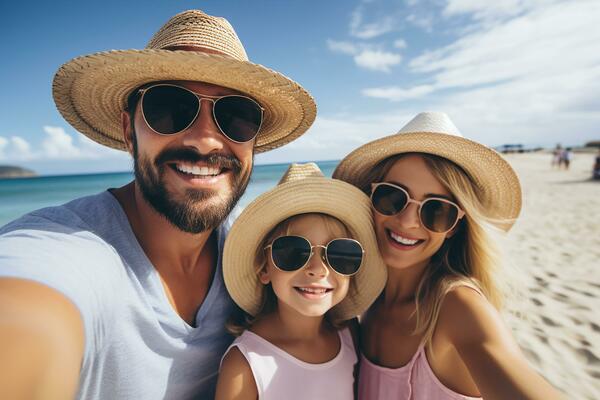
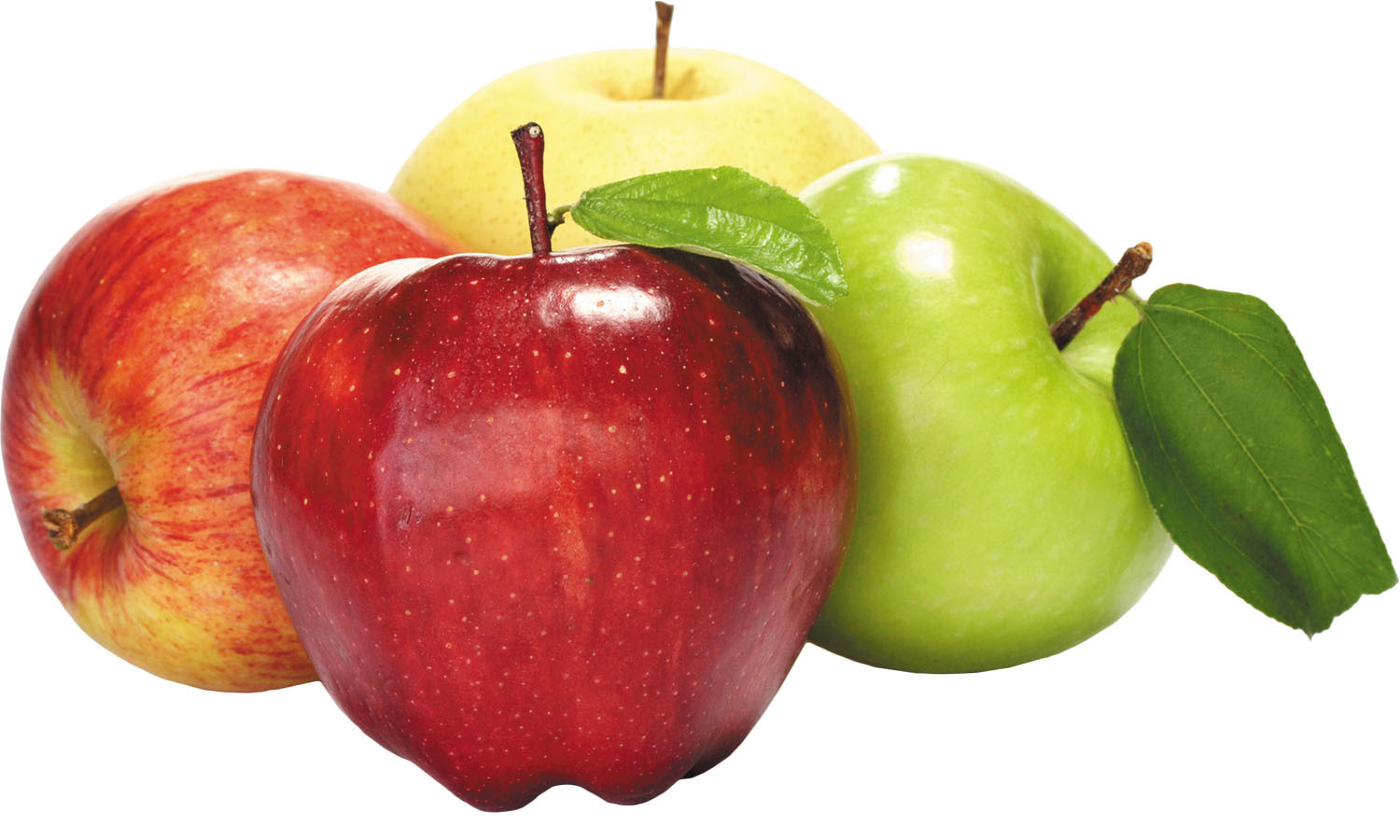
Enjoying the good things in life!

Archive for October, 2024

The Fascinating History of Halloween Traditions/Can Halloween be healthy?
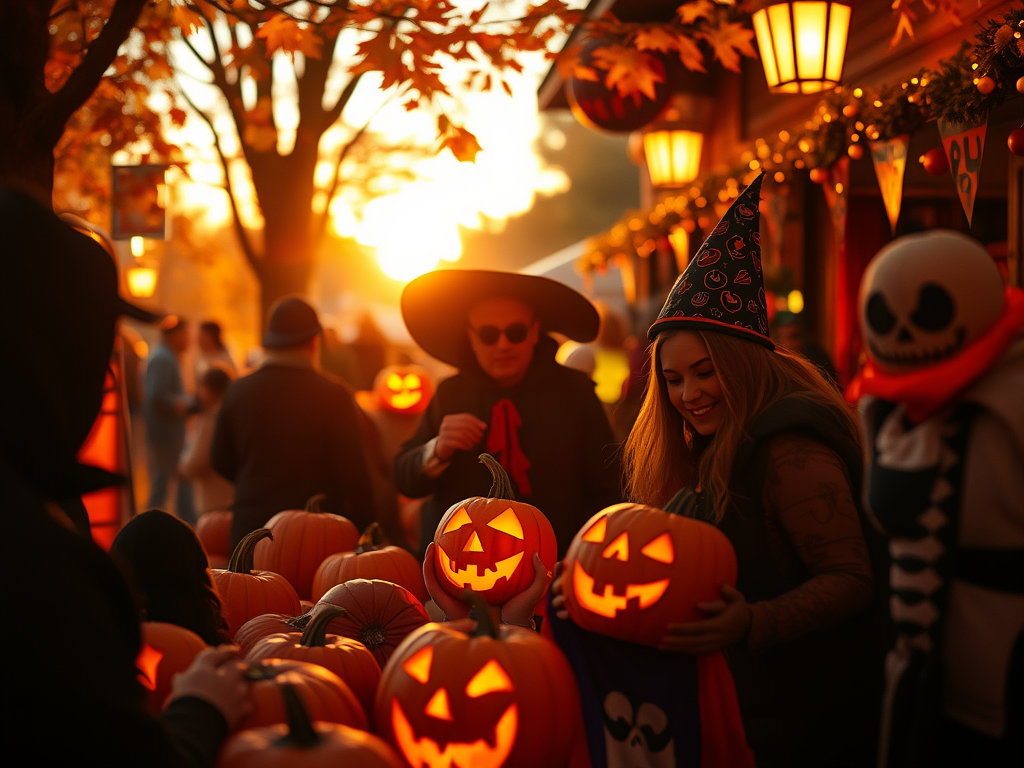
Happy Halloween!

This holiday did not start out as fun. It has a very spooky history.

Cost of Halloween:

Halloween spenders spend 11.6 Billion dollars! with 3.8 Billion dollars for costumes. And it is said: $3.1 Billion on candy! 1

Christmas is number one expensive holiday, followed by Thanksgiving, with Halloween being third!

The average expense of Halloween is $103.63 per person. Most of the money is spent on costumes. (This year the cost of candy may become second for sure!)

History of Halloween:

I always want to know the history of an annual event. Especially when it is a holiday celebrated by so many people.

Halloween is among the oldest traditions in the world! This holiday touches on the relationship between the living and the dead. It evolved from ancient rituals honoring the transition from Spring to Winter, from living to dead.

Every recorded civilization has some ritual observance for when people die. They have beliefs about where people go after death. Most civilizations have had ways to honor the dead. Some of the traditions in the US can be traced back to the Celtic festival of Samhain.

Controversy over a claim:

Some believed SamHain was the Celtic God of the Dead, and Halloween was his feast day. It was the Christian church of Northern Europe that changed the observance of this pagan holiday. The Church transformed the pagan rite into a secular holiday.

How were the Druids involved?

Perhaps you’ve heard of the Druids and their practices. Interesting is the fact that they also included stocking supplies for the winter, slaughtering cattle (later to eat?), disposing of the bones in a “bone fire,” later to be called a bonfire.

Gatherings of communities feasted and drank alcohol on this holiday. During all this, people were aware of this being the “thin time” of the year. This was the time for the possibility of ghosts showing up at the party. This was the “thin time” of year between living and dead.

The “thin time” of the year:

The phrase “the veil is thin” or “thin time” of the year is deeply meaningful. It reminds us of the profound spiritual significance of Halloween. It supposedly is a time to connect with our ancestors. We can seek guidance from our angels, guides, and ancestors. We can also explore the mysteries of the spiritual realm.

During autumn, the life of the plant returns to the soil. It goes there to sleep in the cold time of winter. Autumn completes the life cycle of the plants.

Thus it is a time to reconnect with loved ones. Life around us is withdrawing. Autumn is a season of transformation from living to the dead/sleep of winter. (As spring is the opposite: a time of new life.)

The “Hunter’s Moon” of October:

The Hunter’s Moon of October encourages a positive mindset for the dark months ahead. (This year’s Hunter’s Moon was exceptional! And if you think of the connection of the name “Hunter’s” moon, it can also associate with preparing for winter.)

The departed were expected and welcomed at this time of year. People practiced setting out favorite foods for the departed loved one.

It was the Irish who also added that elves, fairies, and “wee folk,” sprites, and dark energies could also appear.

How did masks become a costume of Halloween?

People believed in spirits. There was a good chance the spirits were souls who had wronged someone. To deceive the spirit, people of that time, would darken their faces with ashes from the bonfires.

This practice developed into wearing a mask. Druids even wore animal skins to drive away phantoms; some began dressing as ghosts, demons and other malevolent creatures.

And then it became Christianized.

It was in the 8th century that Pope Gregory III designated November 1 as the “Feast of the Souls.” Some scholars claim this was done intentionally to Christianize SamHaim by turning it into “All Hallows’ Eve.”

Once Christianized, “All Hallows’ Eve” became a night of vigil. People engaged in prayer and fasting. They prepared for the next day when the saints were honored. It was a time of honor and prayer. It was a time of prayer and honor of the dead.

The jack-o-lantern.

The jack-o-lantern is linked to an Irish folktale of Stingy Jack. He was a clever drunk and con man that fooled the devil into banning himself, Stingy Jack, from hell. But because of Jack’s sinful life, he could not enter heaven.

After his death, Stingy Jack roamed the world carrying a small lantern. It was made of a turnip with a red-hot ember inside to light his way.

Turnips for lanterns!

On All Hallows’ Eve, the Irish hollowed out turnips. They carved faces into them. They placed a candle inside so they would be protected from the spirits of Stingy Jack. There was still a belief that the veil of between life and death which was the thinnest on that night. Spooky!

Shortly after emigrating the the United States, the Irish traded the turnips for pumpkins as their lantern of choice.

The history of trick-or-treating can be traced back to Scotland and Ireland.

(Have you ever asked the ‘trick or treaters” to perform a trick? It is a fun reaction!)

First “souling” than it became “trick or treat!”

Was there always a trick or treat Halloween in the USA?

In the mid 19th century, immigrants fleeing the Irish Potato Famine brought Halloween to the United States. This famine included the countries of Ireland and Scotland.

In the early 20th century, Irish and Scottish communities revived the tradition of “souling.” “Souling” involved asking for donations of food. Instead of pledging to pray for the dead, they would sing a song, recite a poem, or tell a joke. They might also perform another sort of “trick” before collecting their treat. The treat typically consisted of fruit, nuts, or coins.2

The haunted history of Halloween costumes.

They also revived “guising,” which means dressing up as evil or frightening characters.

By the 1920s, pranks had become the activity of choice for young people.

The Great Depression increased the Halloween mischief into vandalism, physical assaults, and sporadic acts of violence. It is believed that this type of mischief led to the adoption of Halloween community based activities.

The Birth of Halloween Parties:

Elizabeth Krebs was frustrated. It was the morning after Halloween. Her garden and the town’s gardens were in shambles again after October 31. Children did the vandalizing, wearing masks so no one would recognize them.

The next year, 1913, Ms Krebs made a decision. She would use her own resources to organize a party for the young people. She hoped that the vandalizing would stop. She hoped to tire the children enough that they would go home to bed and no more vandalizing.

From failure to success:

But it didn’t work. Perhaps it was too small a scale. The next year in 1914, the whole town decided to get involved. A costume contest was held. A parade was designed. Her plan worked! Their gardens survived!

The success of Ms Krebs idea took hold and soon after many other towns followed suit. They held costume contests, parades, music, food, dancing, and sweet treats, all accompanied by frightening decorations of ghost and goblins.

Ms Krebs is sometimes cited as the “mother of modern Halloween.”

Trick or Treat was interrupted by WW II, as sugar was rationed. It re-emerged again after the war. The familiar tradition of today dates back to the 1950s where costumes became mass produced. (I remember plastic costumes and plastic facial masks.)

Today Halloween is focused on the young. We celebrate with trick or treat. We wear costumes most likely of Disney characters. We give out candy to children and hold Halloween parties. Halloween has finally gotten quite civilized!

A hallowed Night of Transformation:

A mask or costume can transform a person into another entity. For one night, your child or you can become Darth Vader. You can also become Dora the Explorer, a fairy, a princess, Superman, or even a zombie!

The costumes of today represent the fears and hopes of the wearer. People of long ago wore masks to deter unwelcome spirits. They also anticipated the joy of a reunion with the dead. Today we wear costumes for fun with very little thought to what they represent.

Traditional Halloween Foods!3

Every holiday has its special foods. Halloween is not an exception.

Countries have different traditional Halloween foods. (Interesting. I did not know that!)

PUMPKIN PIE is in first place in the US for traditional Halloween dessert. And you thought it was only for Thanksgiving!

Pumpkin pie is recognized around the world. It consists of a crusty pie with a spicy pumpkin filling. Easy to make, and available to buy!

PUMPKIN BREAD is another reminder of Halloween and fall. Spicy and crispy-crusted loaf to be served with or after a Halloween dinner. (I bet it would be good with cream cheese!)

CARAMEL APPLES: Everyone enjoys caramel apples! A basic dip for the apple is in sugar, water and corn syrup. And you can add or dip, the apple, into different coatings: nuts, chocolate, or sprinkles!

APPLE BREAD: a delicious way to use apples. Mix the dough ingredients and top with brown sugar coated apple slices.

CARAMEL CORN: A simple sweet snack with popcorn and brown sugar, butter, corn syrup, vanilla, and baking soda.

SOUL CAKES: A traditional Halloween food that is made to respect the deceased ancestor’s spirit. It is a spice cake resembling a biscuit.

It evolved into going dressed-up to honor the deceased. People went door-to-door and performed songs in return for money or food. Soul Cakes were traditionally handed out.

This is where the costumes of today, and the door-to-door trick or treating is believed to have originated.

DEVIL’S FOOD CAKE: The cake got its name in the 70s. This occurred when cocoa powder was used in the cake dough. Dark or heavily spiced food started to be called “deviled” back then (deviled eggs?), and so did the cocoa-based chocolate cake.

Celebrating Halloween around the world.

Other countries have their traditions too.

Ireland: a fruity bread. It is a raisin-loaded bread with a surprise backed inside. Surprises can be a silver coin (wealth), a gold coin (marriage). Some surprises can have good meanings, and some not such.

Italy: Tarrali, these are chewy little bean shaped biscuits, made from almonds, pine nuts, cinnamon, and lemon zest. They can also be shaped into a ring.

Ecuador: rolls sweet rolls into bread babies. The rolls signify baby dolls and represent deceased people. It is eaten on the Day of the Dead. The bread-like rolls are made with wheat and stuffed with a sweet jelly.

(picture of Ecuador’s baby bread)

Spain creates a soft marzipan tube. It is shaped like a bone and filled with fruit and nuts. Examples include coconut, kiwi, chestnut, and strawberry. It is dipped into a syrup.

(shown to the right is a Spanish/Mexican Day of the Dead bread)

Halloween evolved from the Celtic festivals observing the dead. Countries have different specialties for observance. Perhaps research treats from other countries. Make one and offer it to your family for the Halloween Holiday. (I’m thinking pumpkin bread or apple bread?)

Candy for the Halloween. Is there a healthy candy?

Drum roll: The Number One Favorite Candy for Halloween:

Reese’s Peanut Butter Cups!

Oddly also one of the healthiest candy!

Peanut M&M comes in second and is also considered a healthy candy. In a poll most of the 50 states chose either Reese’s Peanut Butter Cups or Peanut M&Ms. (I prefer Peanut M&Ms.)

Kansas you like Candy Corn! (just a couple pieces, please!) And Georgia likes Nerds. Connecticut likes Sour Patch Kids! Interesting and fun!4

The Best candy to offer for all ages: 5

The Best candy to offer is Hershey’s Mini Chocolate Bars. Three pieces equal 190 calories. They contain 3 g of protein and 21 g of sugar! It is easy to eat and melts in the mouth (without nuts or “krackles”)

The very worst? It is Nerds with 42 g of sugar. (4 grams of sugar in 1 tsp = 10.5 Teaspoons of sugar in one little bag!!!) Only 180 calories, and no proteins. Smarties is close to last also with 36 grams of sugar! (Only 9 teaspoons of sugar in one roll!) I think I read that Candy Corn is right there next to Nerds.

Reese’s Peanut Butter Cups: 5 pieces: 23 grams of sugar (5.25 teaspoons sugar) not soo good but has protein and fiber: 220 calories, 1 g fiber!, 4 g protein, 4% calcium, and 6% iron! But also 13 grams of fat. (So good and not so good. But what did you expect: it’s candy! I guess I never thought of protein and candy together!) Interesting!

Be careful how much candy kiddos eat before bedtime or school!

Remember sugar is a stimulant. A lot of sugar turns a child into a restless imp!

Or you can give out: Mini Pretzels. 3 grams of fat, 132 calories in 32 sticks, but 330 grams of sodium, less than 1 gram of sugar, 0 protein. Lots of carbs, very little sugar, with a whole lot of sodium for a small treat.

Is it possible for Halloween to be a healthy holiday?

There are ways to make Halloween healthy.

First choose a fruit before the candy. Eating an apple will diminish how much empty sugar calories you eat. Then enjoy the candy sweet.

Combine the pretzels with cheese and an apple. I’d sneak in carrots or celery too!

An apple is always good. Apples are relatively high in sugar, but they’re still a good choice. A large apple has about 25 grams of sugar. This amount is significantly higher than the sugar content of a banana or orange, for example. But!

The advantage the apple has over candy: Apples contain fiber, vitamin C, and antioxidants. A medium-sized apple provides the following: 11–14% of a person’s daily fiber needs. 10% of a person’s daily vitamin C needs. And is plenty sweet!

You can also think of donating the candy to a charity. My town has a dentist that takes in candy and ships it overseas. (Yes, it still is a lot of sugar calories, but children overseas don’t usually get a whole 5 pounds of candy to eat. Its fun to share. Sometimes this dentist ships candy to armed forces overseas for a treat, or to share.)

What is the safest Halloween Treat? Safest meaning easy for a small child to eat.

If you kiddos are very small, definitely check their bags for candy that they won’t choke on. You can make a game out of it: decide which candy to eat each day. Maybe lay it out in plastic bags. I’m betting in a week, the interest will disappear. And so can the candy.

The safest option of trick or treat candy is individually wrapped treat, without nuts or common allergens.

The of choice for easy to eat is miniature chocolate bars. You want something that does not cause choking. Yogurt covered raisins can be another alternative; altho raisins have fallen out of favor.

If you want safe: choose something that melts in the mouth. Small pieces or bite-off piece is better than something hard or chewy when it comes to little people.

Be careful of sticky candy that sticks to the teeth.

Sticky candy is a challenge for your teeth. So is extra hard or large candy. Bit-O-Honey falls into the category of sticking to your teeth. So does taffy, and even Tootsie Rolls.

Hot candies are not a good choice: Hot Tamales, Atomic fireballs. Peeps are not favored either, nor is candy corn. Little people don’t do hot candies.

Do you check your trick or treaters bag?

55% of parents check the kiddos’ candy for harmful materials. Look for small rings in bags for little people. Look for something that little people shouldn’t put in their mouths. Also check for the candy that sticks to their teeth.

40% of adults admit to removing candy from the child’s trick or treat bag. 21% admit to throwing the entire haul of candy out after a few weeks!

I won’t tell you the percentage that gives out old candy. (What’s old candy?)

(And you thought you were the only one who checked the treat bags?)

Please be careful as to how much candy the child eats before bedtime. I always made sure that my kiddos had something to eat before trick or treat. Many times “sloppy joes” were offered to the whole group of kids! It became an impromptu party! Food before “trick or treat” means candy does not become supper.

And please, no candy before school or at school lunches. Your child’s teacher will thank you.

Best advice for Trick or Treaters: (and their parents)

How to Trick or Treat Safely (recommended by American Family Insurance)

  • Walk — don’t run — from house to house using sidewalks when possible.
  • Carry a flashlight so you can safely see where you are walking
  • Be aware of and avoid open flames like candles in jack-o’-lanterns.
  • Avoid homemade treats and only eat factory-wrapped candy.
  • Remove your child’s or teen’s makeup soon after trick-or-treating to avoid skin irritation. A face washing after is always good.

I’ll add that parents walking with kiddos can be fun for all. (I so look forward to talking with neighbors on that night. Everyone’s door is open and the lights are on! My whole street feels so warm!)

Halloween is a fun night of traditions. It is fun to be someone else for a night, especially for little people. Take time to enjoy.

I like Halloween for the porch lights and the costumes. It is a special night for all participants.

Don’t just give out the treats, take the time to interact with your door-ringers and even their chaperons! I’ve given out treats for the chaperons too! It will give you joy to see their reactions. And it’s fun to talk to the neighbors on that dark, but warm-lit night.

As you child ages, perhaps share some of the history of the night. Use pumpkin in your meals.

Buy safe treats. Maybe omit cheap heavy sugared candies.

Encourage a good meal before a candy treat. (And yes, I won’t tell if you throw a lot of the Halloween candy out. I think the fun is walking that night and seeing all the costumes and the open doors with smiling faces!)

There are ways to make the Halloween “haul” healthy. Watch how much your kiddo eats and when. Candy is meant to be a treat after a meal. Candy is not an in-between snack.

By rationing it out, you are also teaching children that sweets are special and not usual.

You are also teaching them it is after a meal to enjoy. Candy is not meant to be eaten by the bowl in front of the TV. All of these action do help in creating good eating habits for your children in the future.

Maybe create a new food tradition or a fun Halloween night meal. Offer chili or sloppy joes before trick or treating. Incorporate pumpkin into your meal. There are many recipes: from soups to breads. Pumpkin soup is a real delight in the Fall. You can roast slices like a sweet potato to eat at your meal.

Cook with pumpkin and include them in your meal plans. This shows your kiddos that Fall offers more than just candy.

Have fun this Halloween! I hope the weather is good!

And don’t forget to brush your teeth!

https://wellness.maryjessen.com

References:

  1. https://www.investopedia.com/financial-edge/1012/how-much-americans-spend-on-halloween.aspxt ↩︎
  2. https://www.worldhistory.org/article/1456/history-of-halloween/ ↩︎
  3. https://www.chefsdeal.com/blog/traditional-halloween-foods ↩︎
  4. https://www.realsimple.com/most-popular-halloween-candy ↩︎
  5. https://www.bigcitymoms.com/parenting-articles/what-are-the-healthiest-halloween-candies-theyre-not-what-you-think/ ↩︎

https://www.history.com/news/halloween-trick-or-treating-origins

Kickstart Your Day: The Importance of Breakfast

Start your engine! Breakfast energizes your sleeping body. Breakfast starts your engine!

You have gone without food or water for at least 10-12 hours. Your body is dry and craving fluids too. There is no gas for that engine to run on.

Your inner body has constant need. It is like an engine that needs a constant flow of fuel. It is your metabolism, a chemical process, that demands energy. Your metabolism is always active. It breathes, circulates blood, digests foods, grows and repairs cells. It manages hormone levels and regulates your body temperature. It takes place inside you as your body converts foods and drinks into energy. This process looks for an energy source first thing upon rising.,

Think of your body as that fancy car above. We know that car needs good fuel to run efficiently. We know it needs fluids too.

Your well is dry. Your fuel tank is empty.

Breakfast kickstarts this engine into motion. Start with a good glass of good water.

Ever feel you just can’t get started in the morning? Seem to drag yourself out of bed? Can’t seem to get going?

Well its because you are low on fuel. Your engine is running on fumes! It’s choking and sputtering! It’s looking for the “pit stop.”

Breakfast is where you fuel your engine, and start to burn calories/fuel throughout the day. This important meal helps you focus and have enough energy to do your daily tasks.

Breakfast also helps lower bad LDL cholesterol. It reduces the chances of getting diabetes and heart disease. The first meal of the day, Breakfast, actually helps you not gain weight.

Your metabolism is like a fine tuned engine. Breakfast is the best time to “increase” your metabolism. This is when you boost the fine running of your engine. Give your body enough fuel that it runs smoothly all day, and is not dragging or running on idle.

When you skip breakfast, your body reads that as it then needs to conserve rather than burn any incoming calories. Conserve! Your body goes into a slower mode of energy. You are drifting to that pit stop! You’ve got things to do and places to go! Your body needs fuel!

And as that engine slows down, you begin to look for fuel. That’s when that donut, that you would normally pass up, looks so good!

People who skip breakfast, eating fewer calories, creating smaller meals, eating less during the day, actually gain weight. Your metabolism is in a conservation mode.

Sounds strange, but true.

The less you give your engine, the more it will try to conserve. It Has to keep running. If you don’t feed it, it goes into “idle,” and your metabolism, that burns calories, slows down.

We want it to be in an active “burning” mode. You need to add some good carbs/fuel to that “pit-stop-breakfast.”

(Your body’s energy source is from glucose. Glucose is broken down from the good carbs you eat. The body stores glucose for energy as good fat. Some of this glucose is stored as glycogen in your liver, and smaller amounts in your muscles.)

It is during the night that your engine goes to idle, using stored fuel for maintenance work. During times of not eating, or going without foods for 12 hours or more, your glycogen stores are low. Your liver releases glycogen as glucose to keep blood sugars low.

Once your glycogen stores are used up (no food coming in), your body looks elsewhere. And energy levels dip. This can be why it is hard to get out of bed. Your engine is sputtering.

As you watch your fuel gauge, learn how to keep better energy levels for yourself. This practice restores your glycogen storage as needed and keeps your metabolism UP during the day. And all starting from a good breakfast.

What are we choosing for your first meal of the day?

Do you start with cereal?

Do you start with eggs and toast?

Or perhaps you are starting with Eggo Waffles?

Eggo Waffles are not good energy sources. Neither are Pop Tarts. The nutrition in them is minimal for good energy. They are meant to be a cookie or a dessert. The sugar content is too high for breakfast.

What is your normal breakfast?

Is your normal breakfast a bowl of boxed cereal? Are you looking at breakfast as a meal, or just a pit stop on the way out the door? Are you chugging down a bowl of cereal as you are running out the door?

It’s ok to choose boxed cereal, if you are choosing one without a lot of sugar added. Look also for fiber. This is a great time to add fiber to your diet. It slows down digestion, giving your body longer lasting needed energy.

Aim for boxed cereals that contain no more than four to six grams of sugar per serving. This amount is about one to one and a half teaspoons of sugar. When I think 1 and 1/2 teaspoons of sugar I think that’s a lot, especially on an empty stomach. Unfortunately, the above cereals are high in sugars.

Be careful of the sugar content. Sucralose “This artificial sweetener substitute of sugar can be about 600 times sweeter than sugar concentrate. Some regulatory agencies have stated that it’s safe for consumption. However, some studies have suggested that it may affect health negatively.

Sucralose, aspertame, or any other artificial sugars does more harm than good, especially for that young child. Be certain to read the label on the box. Look for cereals with natural sugars, or minimal sugars.
Artificial sugars can be 200 to 700 times sweeter than table sugar
.

Oddly enough, Rice Krispies, (which always seems to be full of air! Isn’t the slogan: snap, crackle, and pop?) by itself has 9 grams of sugar. Imagine the count with marshmallows!

Artificial sweeteners don’t contain calories or good sugar. This can be an analogy to poor fuel for that high performance engine. Poor fuel for your personal “engine” lacks beneficial nutrients like vitamins, fiber, minerals, or antioxidants. All sweeteners do is over-rev your engine. And we know what that can do to our beautiful, expensive car. Imagine it in your body.

Sweeteners like fruit juice, honey, molasses and maple syrup contain natural sugar and have some nutritional benefits. Fruit has fiber, vitamins and antioxidants. Even raw honey and maple syrup can contain antioxidants and minerals like iron, zinc, calcium and potassium. Raw, natural, local honey is very good for you. Look at breakfast with a need for good fuel for the day.

How can I child sit still in class today after indulging in a high sugar breakfast? The average breakfast boxed cereal has TWO teaspoons of sugar in a serving. Does your boy eat one or two servings? Growing boys seem to eat more than one bowl many times. That’s a lot of sugar.

Consumer Reports rates the best breakfast cereals. The cereals rated highly include Nature’s Path Organic Heritage Flakes and Post Grape-Nuts Flakes. General Mills Cheerios and Post Great Grains Raisins, Dates & Pecans are also among them. General Mills Total is one of them.

One Degree Organic Foods Sprouted Ancient Maize Flakes is another. General Mills Wheaties is also highly rated. Kind Honey Almond is included. Post Grape-Nuts Original and Barbara’s Multigrain Spoonfuls Original are listed too.

Adding fruit to make the cereal bowl makes the cereal sweeter, the milk sweeter, and more nutritious. Cooking oatmeal in the microwave can open the door to fun. Oatmeal with applesauce, cinnamon, and nuts will taste like a cake! But this kind of “cake” will do great things to your personal engine.

What’s the point?

We decided that there is great importance with eating Breakfast.

Cereal for breakfast is fast and quite common. But what is the nutrition value in that bowl of cold cereal? Will it help your kiddo to sit still and learn? Have you given his body a source of good “brain-power?” Remember poor fuel will make an engine stall, or stop, or sputter.

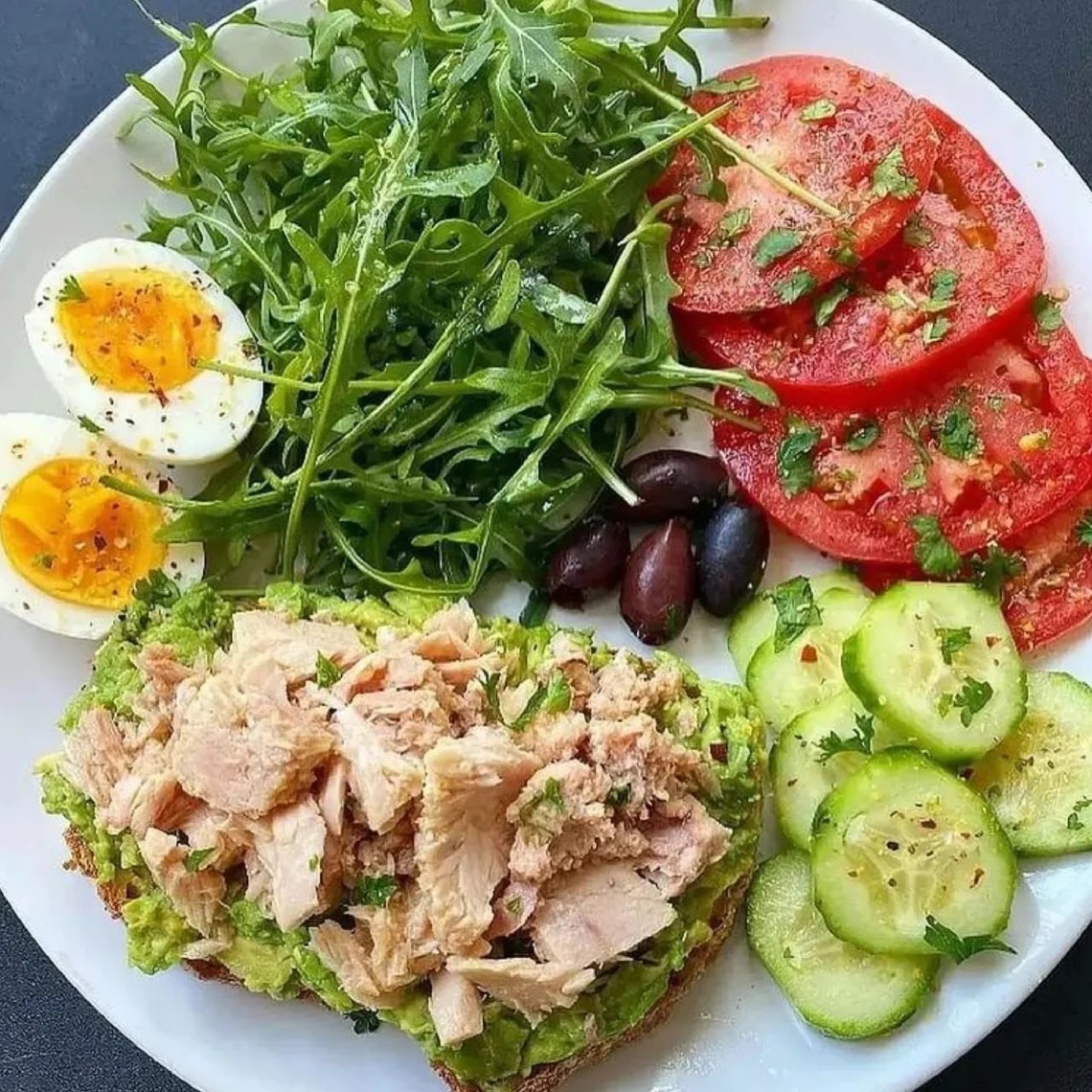
Creating a good breakfast can be simple. Start with a scrambled or fried egg. Add a couple of cherry tomatoes or perhaps a bit of last night’s vegetables. Raw vegetables are allowed at breakfast! And don’t forget the fibers of fruit. A couple carrots alongside scrambled eggs is a winner. Not only does it add colors, but great nutrition.

What about English Muffins and eggs? These can be made ahead to pop into your microwave. (You can scramble eggs on the weekend, cut into squares, freeze flat, and add to your muffin.)

Ten reasons why breakfast is so important:

  • Improves Concentration and Focus. …
  • Helps Lift Your Mood. …
  • Helps Manage Your Appetite. …
  • Helps Your Heart. …
  • Improves Academic Performance. …
  • Aids in Weight Management. …
  • Helps Pregnant Moms Meet Nutritional Needs. …
  • Boosts Your Immune System.
  • For many people it is also the time for milk! Don’t forget the milk. Even adults need calcium.
  • A glass of milk and some fruit is a sure win!
  • Calcium is important. If you can’t afford the bottle or box of milk, mix it 1/2 and 1/2 with dehydrated milk. Chill well and your family won’t notice the difference.
  • Your body needs calcium. Calcium is needed for growing bones, and for aging bones. Water or coffee or even tea does not make it, unless you add a generous amount of milk. No sugar.

Breakfast actually starts your metabolism. It energizes our body. We are concerned about our metabolism and find it difficult to lose weight. Why would you lose the ability to jump start your metabolism? Isn’t a faster metabolism what we want such that we can burn more calories?

You can also start with a good fiber cereal. Oatmeal? There are several different kinds: Steel Cut Oats are my favorite. Don’t buy the ready to serve packets. Too much sugar. You can make it just the same by buying quick cooking oats and cooking right in the bowl. Add milk. Add fruit. (Fruit cups with natural sugar) and you are good to go!

Different fruits will give the cereal different tastes. You can also add cocoa to the cereal. Just enough to make the cereal brown. Add strawberries!

So much better than the packet mix of Quaker Oats Strawberry Oatmeal. Some packets can carry 10-17 grams of sugar! or 4 teaspoons of sugar! Adding fruits is a good way to add taste and sweetness to quick cooking oats.

How about adding nuts and pure maple syrup? Strawberries and blueberries? All created in one bowl. (cheaper than by package) And with much more nutrition.

What are the suggestions for a fast and easy breakfast? Breakfast should give our kiddos learning power. Our school kiddos should also be able to sit still to learn.

You might be thinking: I don’t have time in the morning to serve everyone eggs and waffles. I can’t mange to cook sausage, eggs, toast, juice,or cereal. I have to get myself to work! My family is on the fly in the morning. We won’t have time to sit for breakfast. Preparing a big breakfast is not possible! (Oh I remember those days!)

Consider adding a Shake/supplement to your daily meals.

For my breakfast, I’m looking at protein/soy/plant-based shakes. I want the protein and fiber that I can easily digest. I did my research. I liked what I found, and what the nutrition values are. The one I chose is made from natural ingredients, not synthetic ingredients. I like that the one I chose is safe from harmful additives. And it is in a dissolvable powder.

If the shake has fiber, it has good energy/carbs for my body to work with. Proteins, plus Carbs are what I’m looking look for.

Your choice is up to you. Do your research!

You research your car. You researched for your home.

Why aren’t you researching for your health? Take the time to go on line and look for what is available.

When looking at protein shakes, choose a company that guarantees it’s products to be pure. Choose a company that offers a money-back guarantee if you don’t like it. This applies even after you have consumed the bottle.

Don’t do the research in the grocery aisle. Look it up ahead of time. Know what you are buying before you get to the store.

Don’t choose the shake on sale at Cosco or Walmart. Check it out first.

Does it have what you really want? And has it had any recalls? Do Olympic athletes drink it? Olympic athletes need to be chemically pure. Good question.

I choose Shaklee Corporation for all of the above.prescriptions. I researched and I like what I found.

I like that the Shaklee Company fuels the “stars.” I’m not talking paid movie stars. I’m talking Olympic athletes, and even the far-flung stars of NASA: astronauts. These athletes’ lives depend on good nutrition.

I’m adding a Shaklee Life Shake for my breakfast. I start the day with a shake, and some fruit. If I’m super hungry, I might add a slice of whole grain toast with peanut butter. I do this if I know the morning will be busy and with a lot of movement. Be conscious of good carbs. No white bread. Look for a good whole wheat bread. Maybe even with nuts and whole grains.

The shake shown is with Pumpkin Life Shake, with whipped cream and cinnamon on top! What a great start to the day! That will definitely start your day smiling!

You can add Chocolate Life Shake or Cafe Latte Life Shake to coffee at lunch. And enjoy some fruit and veggies.

I made a decision for myself and my family.

I don’t have the time. A shake seems to fit the time frame. I can add the contents together even the night before.

Then in the morning, add milk, or if Shaklee, even water works, and blend. (water does diminish some nutrients; we’ve done this when we were traveling and milk was not available.

I really like the Cafe Latte shake and it tastes great in my coffee! Or this fall, add the Salted Caramel. No need for creamers. I’m betting you will agree that is one Terrific Coffee/shake to take with you. (And a lot cheaper and better for you than Starbucks, who only adds sugars.)

I hope this leaves you with great Breakfast ideas. I know for myself, somedays it is hard to “think” a breakfast meal. My thoughts are to make it easy to fix and serve. And minimal clean up! And to prepare something that me and my family would really like to eat or drink.

What are you choosing for your Breakfast?

Breakfast is an important meal. This is the meal that jumpstart your metabolism. This is the time to get your metabolism running on High. Don’t skip that important pitstop. Don’t skip this very important meal.

You plan for other meals. Plan for the most important one meal of the day. If you would like some help planning, I am here to help.

What you choose today will walk with you throughout the day. It will keep your engine running smoothly.

Get that motor running on Efficient! Choose Health. Start the day with a Good Breakfast: Every day.

ps: Can you tell I live in Indianapolis!

If you are interested in the Shaklee Life Shake products, check them out through my Wellness.MaryJessen website. The connection is below.

REFERENCES:

https://www.betterhealth.vic.gov.au/health/healthyliving/breakfast

https://www.webmd.com/food-recipes/breakfast-lose-weight

https://www.mynetdiary.com/food/calories-in-homemade-plain-waffles-oz-18367-0.html

https://my.clevelandclinic.org/health/body/21893-metabolism

https://www.mayoclinic.org/healthy-lifestyle/nutrition-and-healthy-eating/in-depth/calcium-supplements

https://wellness.maryjessen.com

Understanding Photoaging: Sun Damage and Skin Health

Most of us love to be outdoors. The sun not only provides us with light. Its warm rays also create “feel-good” chemicals released in our brain. Vitamin D, essential for healthy hair, skin, bones, and mood, come from the sun. However summer skin can leave us with a tight not-so-good feeling on our face.

Did you get sunburned this summer? Maybe your skin is a little darker? Did it tan?

Being aware of what damage the sun can do to our skin is the first step to healthy young-looking skin.

Our facial skin does age. It is exposed to the sun and UVA/UVB rays. Even the ultra-violet lights of the office can damage our skin. Did you know you should wear SPF makeup including lip mosturizer/SPF for work? It is surprising at what the overhead lights can do to damage our skin, and our lips.

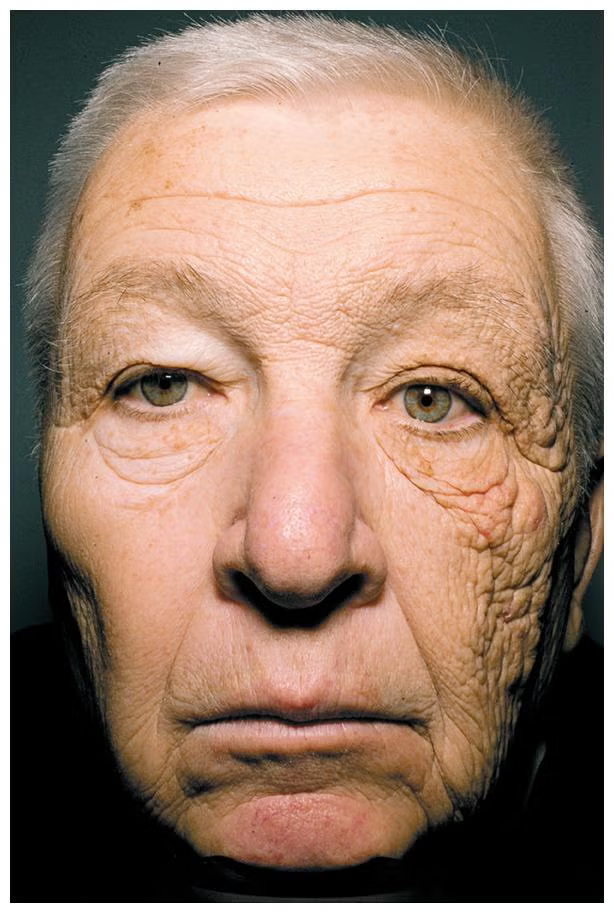
The man below was a victim of his occupation. What do you think he did most of his life? Now he has to be diligent about his skin’s health and be on the lookout for cancer.

What is PhotoAging:

When the sun prematurely ages the skin, this is called photoaging. This can lead to skin cancer. Dermatologists refer to the damage the sun does to skin by several names. These include photoaging, photodamage, solar damage, or sun damage.

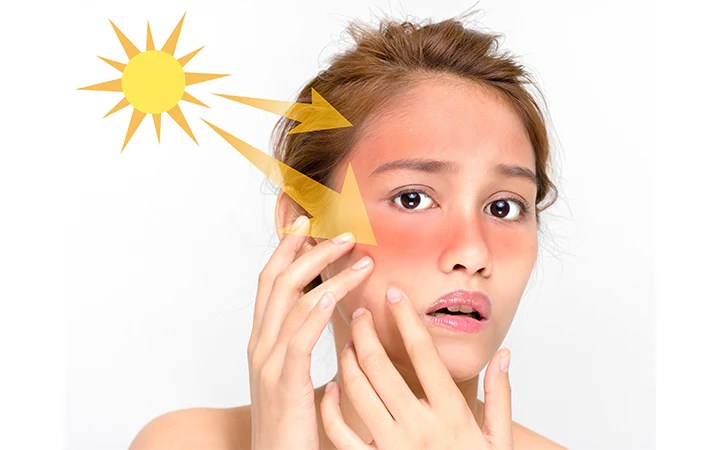
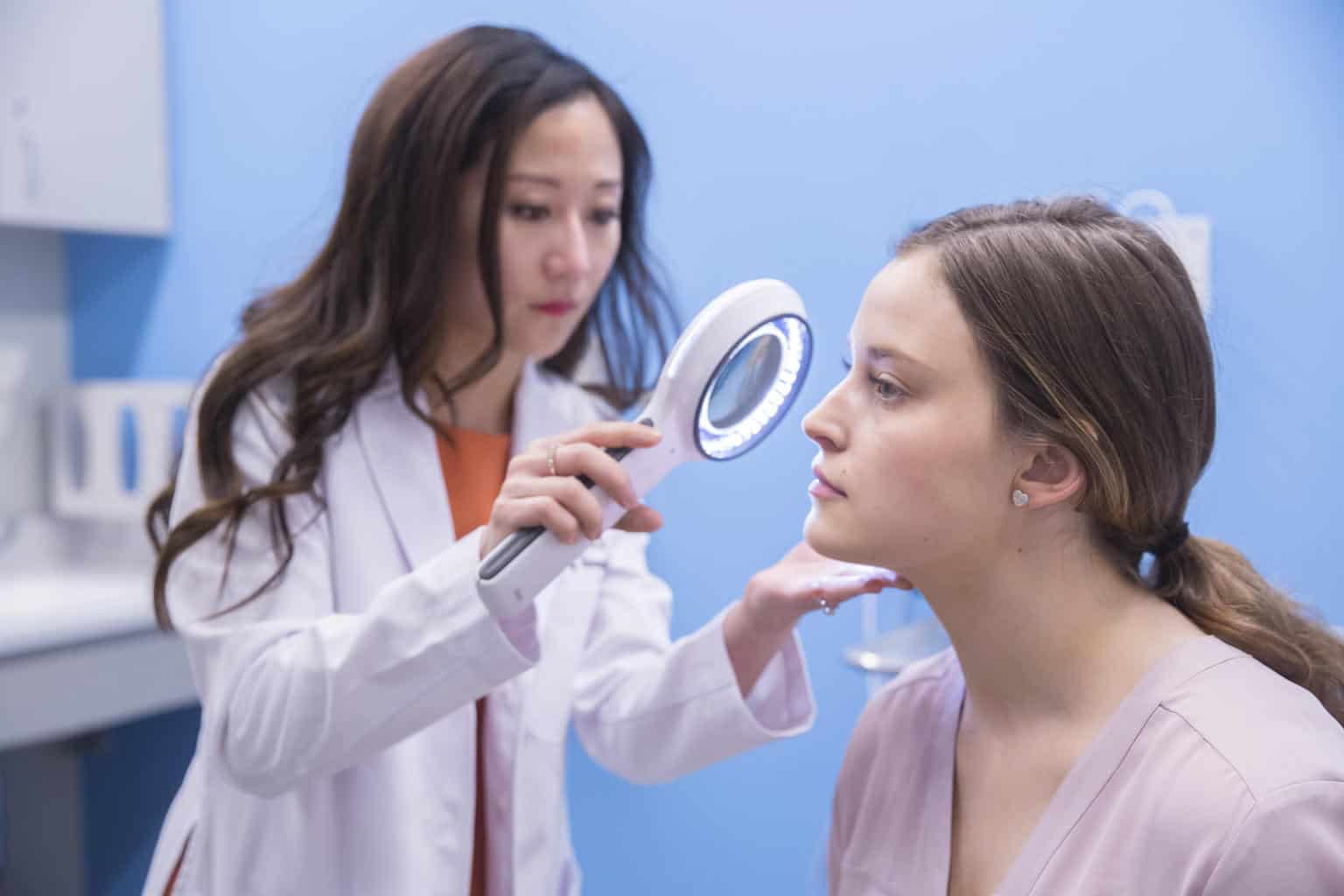
You will notice that the gal in the picture is not an old lady. Sun damage happens at any age when the skin is not protected. Staying out of the sun is sure protection; but who wants that?
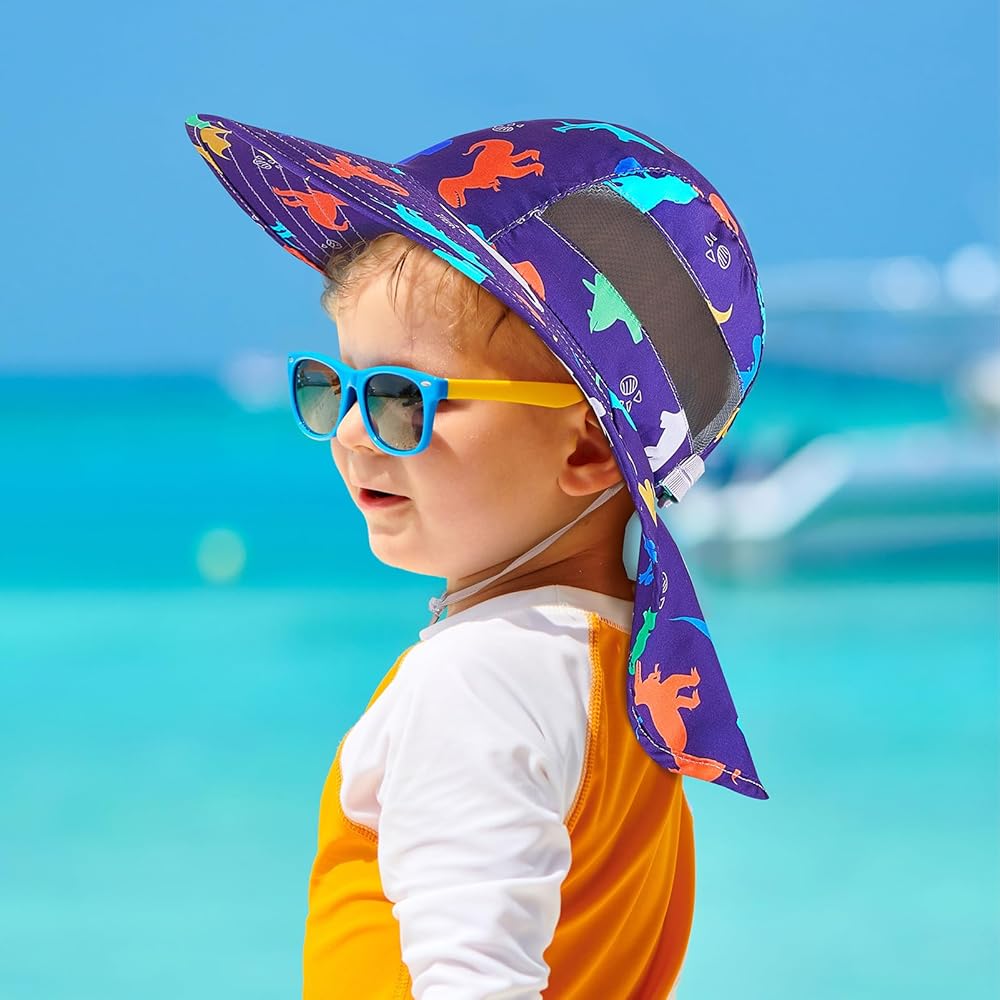
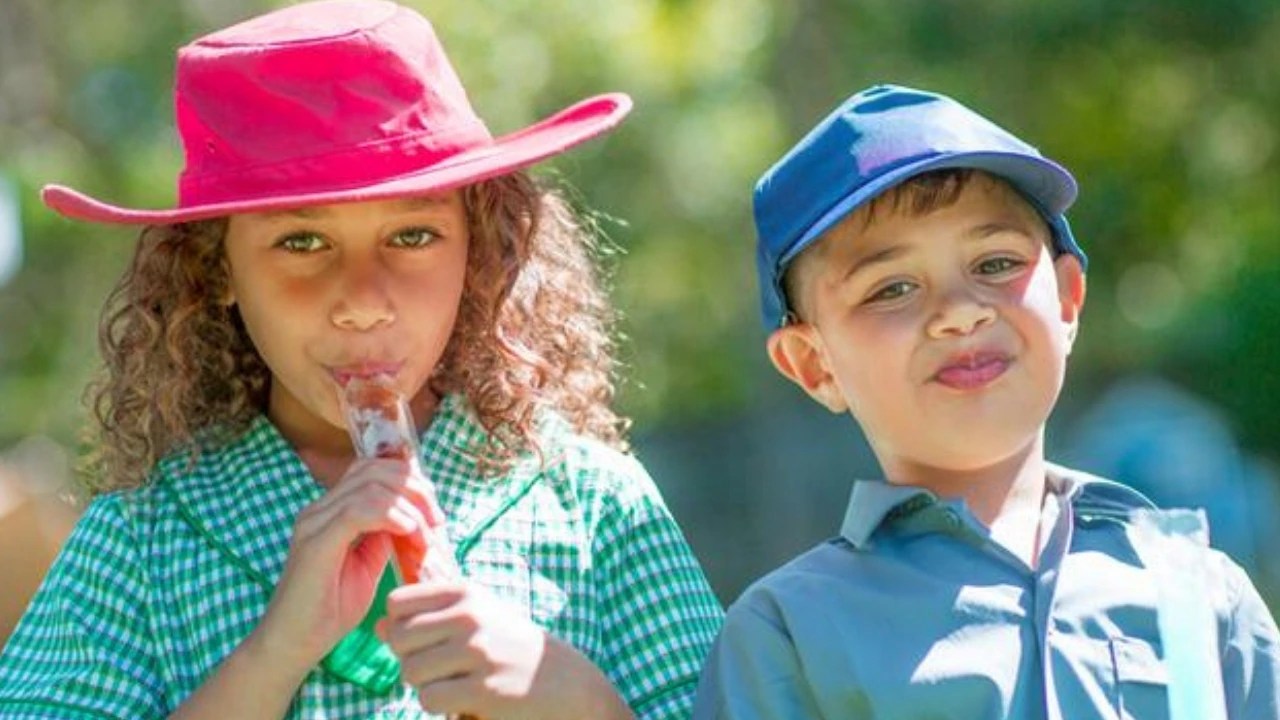
We all need to learn to wear a hat when we are outside in the sun. Encourage your kiddos to wear hats. Have fun with it.

Too much sun can cause Photoaging. Dermatologists refer to the damage the sun does to skin by several names. These include photoaging, photodamage, solar damage, or sun damage.

Photoaging will increase your chances of skin cancer. Don’t play with that chance. Photoaging, caused by the sun, actually changes the DNA in your skin cells. Once the damage is done, the DNA damage cannot be reversed.

It doesn’t take long for your skin to be damaged. When the damage penetrates the lower layers of your skin, it becomes more difficult to handle. It may not be curable. It may also be difficult or costly to remove.

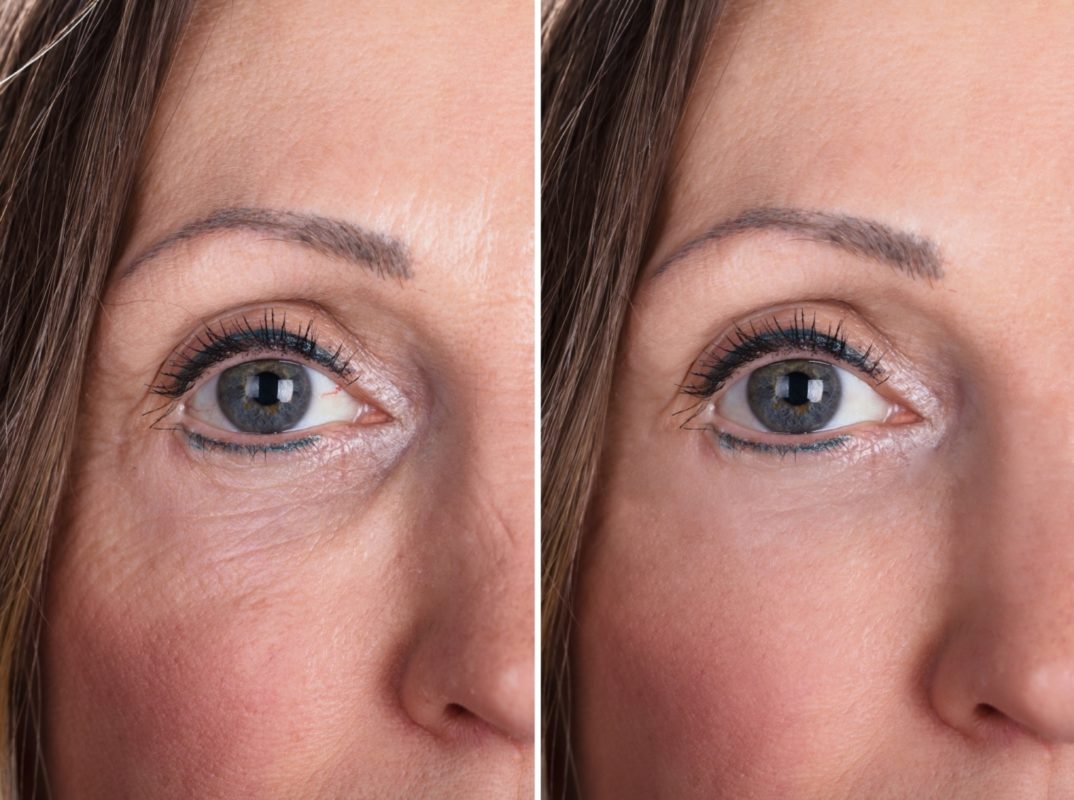
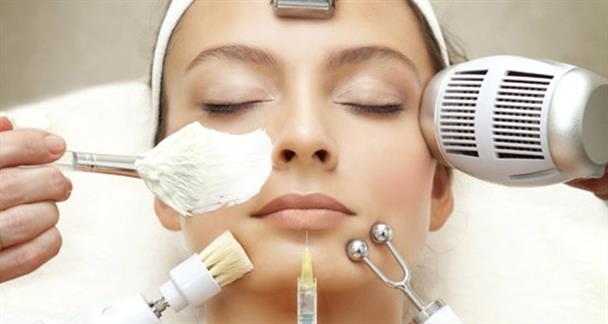
Some topical methods that may help your facial skin. You can treat, reduce and repair the effects of fine lines and wrinkles topically. These products will also smooth out your skin, giving it a softer touch. You can improve the feel, tone, and looks of your skin.

There are moisturizing creams that can protect your skin, and can include foundation creams that contain SPF protection. These products help in refreshing and protecting your skin and work well. The trick is to find a cream that doesn’t look layered on your face. You want a natural absorbing cream.

Look for Hylauronic Acid in the ingredients. This ingredient means that your moisturizer has “staying power.” The HA will lock in moisture and help to prevent drying. Look for this ingredient in body creams also.

Signs of photoaging: it can start early in life.

Photoaging can begin in your TWENTIES.

Signs can be: lines and wrinkles around eyes and mouth that increase in number and in depth. (Don’t forget that area of your face with sunscreen as it is often forgotten.)

Photoaging can also be worry lines on your forehead that never go away. Pigment changes, such as freckles, liver spots, age spots. White spots on your arms, legs, and back of hands (called idiopathic guttate hypomelanosis). (I have the white spots and they dry and itch. No cream will satisfy them, the damage is permanent.)

Uneven skin tone. Thinning of your skin. Lip lesions (actinic cheilitis) Red, rough scaly spots called actinic keratosis. Are you using an spf moisturizer for your lips?

These are all signs of skin damage.

Who is at risk?

Everyone really is at risk. From the time you started outside for a length of time in the sun, you are at risk. This includes now and into tomorrow if the sun shines over UV 3 rating.

However there are some people with greater susceptibility to sun damaged skin.

You are at risk if you have a light skin tone. If you have many moles. If you have freckles and burn before any tanning; this especially applies to people with red-heads and blondes. You are more apt to burn if your eyes are blue or green in color.

You are at risk if you enjoy tanning salons, and need that perfect bronzed look. During the week you are indoors, but on weekends you get intense sun exposure. Learn to use spray tans if coloring of your skin is important.

Are people of color at risk?

All skin colors are at risk of exposure to UV radiation. UV radiation exposure increases the risk of sun-damaged skin. People of color are less likely to get sun-burned because of the brown pigment, melanin, in their skin. Melanin protects the skin from some of the damaging sun’s UV rays.

If you have skin of color, you are less likely to burn. However, when it happens, your sunburn can be painful. It can also cause peeling. If this happens a lot as a young person, it increases your skin’s health risks as you age.

Oddly, there is no relationship of sun exposure and skin cancer for people of color. People of color are more likely to develop skin cancer on the palms of their hands. They may also develop it on the soles of their feet. The bad part is that this cancer is usually not detected until it is in later stages of cancer.

Health conditions that can predispose you for sun damaged skin:

You will have an increased risk of sun damage to your skin if you have an autoimmune disease. This includes Lupus erythematosus or any condition that would weaken your immune system.

Be careful if you have had an organ transplant. Be careful if you are taking any medication that can weaken your immune system. These include medications for arthritis, rheumatoid arthritis, psoriasis, inflammatory bowel disease, and cancer.

Some antibiotics will also increase your skin sensitivity. Be certain to read the prescription information when you are on an antibiotic. Ask your pharmacist for advice.

UVA and UVB light rays: the responsible rays for damage.

We’ve talked so much of UV and UVB rays. What are they?

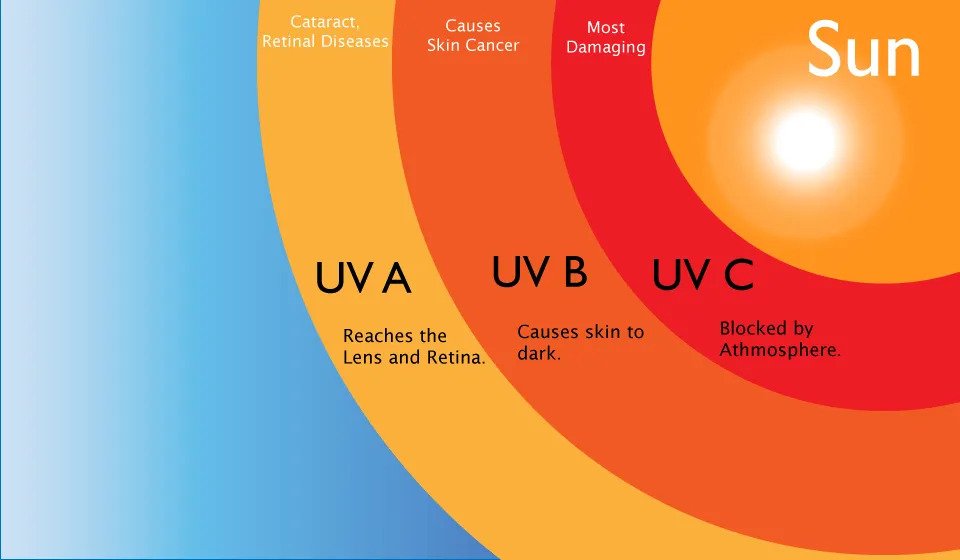
The sun actually emits three different kinds of ultra-violet rays. Long wavelength UVA or UV, medium wavelength UVB, and short-wavelength UVC. The shorter the ray, the stronger the light.

Interesting that the UVC radiation, that can kill humans instantly ,is absorbed by our atmosphere and never reaches earth. What comes to mind is the talk of the depletion of the ozone layer from environmental pollution. More UVA and UVB rays can get to earth. All of that can result in more aggressive skin damage for humans.

UVA rays: penetrate into the deeper layers of our skin and are responsible for the immediate look of tanning. UVA rays are a great threat as much of these rays are able to reach earth’s surface. They are present all day long, even when it is cloudy. Where there is light: there is UVA rays capable of damaging your skin.

UVA Light penetrates all levels of your skin to the deepest layer. UV light is linked to wrinkles, and probably plays a role in skin cancer.

UVB rays: are the ones that mother warned you about: you can get a bad sunburn from them. These also can cause cancer which is the skin cancers that are in the top layers of your skin. UVB rays are often referred to as the “burning rays.”

UVC rays: are very dangerous, but the ozone layer protects us. We need to be conscious of environment pollution and take care of this protective layer for earth.

What can I do if I have sun-damaged skin?

If you skin is damaged from cumulative sun exposure, treatments may be available for you. However, it is wise to talk with your doctor first. Then check with your insurance carrier before beginning any skin treatment. Many skin treatments are considered cosmetic and are not covered.

If you are noticing new or changing moles or spots that are brown, black, red, or white, please see a Dermatologist. Do this promptly. This could be the start of skin cancer.

If you have had a spot on your skin that continues to bleed: see a Dermatologist.

The Best “treatment” is to do your best to prevent it from happening. Always apply sunscreen of at least 30spf or higher to ALL exposed skin before going outside. Sunscreen is not a suit of armour. Even when applied properly, no sunscreen provides 100% protection against UV radiation. (Remember to apply when the UV rays are above 3.)

If you are very self-conscious of the damage: please see a Dermatologist.

How to reduce premature aging of the skin?

Don’t smoke. If you smoke: Quit. Another great reason to never smoke.

Eat healthy foods: a diet high in fruits and vegetables.

Drink less alcohol. The sugars of alcohol can damage your skin.

Exercise increases circulation and boosts your immunity, which improves the quality of your skin.

Get adequate sleep. 7s-9 hours a night. Give your body time to repair itself.

Gently wash your skin. Scrubbing can irritate. Wash your face daily. Exfoliate only once a week. Wash sweat off your skin as soon as possible. Perspiration can irritate your skin.

Apply a moisturizer every day. Apply within 3 minutes of bathing to lock in moisture. Look for moisturizers that keep skin hydrated and create a natural barrier to help seal in moisture. Hylauronic Acid is a great ingredient to help lock in moisture.

Management and Treatment: when you need help.

Photoaging cannot be completely reversed but some treatments are available that can rejuvenate your skin. First if you suspect a problem, don’t hesitate to have your doctor check it out.

Age spots are caused by overactive pigment cells. Ultraviolet (UV) light speeds up the production of melanin, a natural pigment that gives skin its color. This is manifested as age spots on skin that has had years of sun exposure. This happens when melanin becomes clumped or is produced in high concentrations.

Possible treatments: Retinoids and retinols: These encourage skin cells to slough off. This allows new skin cells to come to the surface. They stimulate collagen production, which keeps your skin tighter. These products are good for fine lines, wrinkles, age spots, and for reducing roughness and the size of pores. Be careful as these products can also be drying to your skin’s surface.

Vitamin C and other antioxidants: These nutrients slow skin damage due to rough chemicals. The damage is from free radicals which can cause skin damage. Antioxidants can also slow skin aging, lessen UV radiation damage, and decrease the breakdown of collagen.

Eating a good diet, eliminating fast foods, is a good start. Incorporate vegetables and fruits in your diet. Add good fish more often.

Alpha hydroxy acid: an exfoliant, which promotes skin cell turnover. This also can be quite drying to your skin. Be careful with exfoliants. They should really only be used once a week. Consult with a dermatologist.

Lightening agents: can lighten blemishes, sunspots and uneven pigmentation. Be careful of these over-the-counter treatments. Watch out for the ingredient: hydroquinone. This drug ingredient has not been approved nor recognized as safe and effective.

Laser skin resurfacing: These treatments remove the top layer of your skin. They increase collagen production, making your skin smoother and more even looking in appearance. Laser skin resurfacing treats uneven skin pigmentation, age spots, sun-damaged skin, fine line and wrinkles and more. Check with your insurance for coverage as this may be seen as cosmetic and not covered.

There is also Fractional resurfacing, photodynamic therapy, cryotherapy , Dermabrasion, Dermal fillers.

The laser treatment cannot be seen with the naked eye. It targets only a fraction of the skin’s surface area during each treatment session by design. It leaves the remaining microscopically untreated skin to help rapidly heal the treated areas. These treatments only last 3-5 years before another treatment is needed.

You might want to look into the above treatments if you have significant skin damage. I don’t know if these treatments are covered by insurance.

Last: a Facelift, (rhytidectomy) neck lift, brow lift, or other plastic surgery procedures. Treatments can be painful, sore, and expensive.

Prevention: Start early and continue throughout your life.

Start young. Teach your kiddos how to take care of their skin. Skin care should be taught along with tooth-brushing. When habits start young, they become ingrained and last a lifetime.

Apply and ReApply Sunscreen every two hours if you are in the sun swimming, exercising, playing ball, driving your vehicle. Even outdoors on a cloudy day.

Learn to wear a wide-brim hat. Use sunglasses with UV protections.

Don’t be afraid to wear lightweight long-sleeved shirts and pants when in prolong sun outside. Look for clothing with ultraviolet protection factor label for extra protection. There are clothing lines available with good skin protection that can be worn in the heat of the summer.

Or:

Avoid peak UV hours in the sun: 10:00 am to 4:00 p.m

Avoid all kinds of tanning salons. If you want a tanned look, use a spray-on tanning product.

Advice:

Create a new habit: Use sunscreen and reapply every 2 hours when in the sun. Learn to wear a hat when outside.

Teach your family how to take care of their skin from childhood on. Buy them a good looking hat with a large brim!

And have fun in the sun with proper protection!

Hugs.

https://wellnessmaryjessen.com

References:

https://www.fda.gov/drugs/drug-safety-and-availability/fda-works-protect-consumers-potentially-harmful-otc-skin-lightening-p

https://my.clevelandclinic.org/health/diseases/5240-sun-damage-protecting-yourself

https://www.mayoclinic.org/diseases-conditions/age-spots/symptoms-causes/syc-20355859

The Origin and Health Benefits of Apples | Apple Day Celebration

Apples, apples what a treat
Sweet and tart and good to eat
Apples grown and apples red
Hang from branches overhead
And when they ripen, down they drop
So we can taste our apple crop.

International Apple Day falls in September, on the 21st this year. There is an apple today for every taste. Options range from the very bitter Granny Smith to the sweet crunch of Honey Crisp. There are many more different choices in between. It seems every year there is a different apple introduced.

Apples are not just tasty to crunch, or bake. They are rich in nutrients: fibers, vitamins, and antioxidants. A great snack choice. Apples help protect us against diseases, support immune health, and even help to manage our weight.

Besides crunching, you can bake then, roast them, caramelize them, pie them, and even dunk for them!

Origin of the Apple:

Apples are not native to the US. There originated in Central Asia, in the Tien Shan mountains of mainly Kyrgyzstan and and parts of northwestern China. Traders along the Silk Road brought them to Europe. And the European colonists brought them to the United States.

Unfortunately you cannot grow an Apple tree from a seed of today’s apples. The tree you would grow would not resemble the apple you just ate. Apples must be propagated to attain the characteristics of the original apple. You have to plant more than one apple tree for it to pollinate. Our precious honey bee is responsible for most of the fertilization.

Johnny Appleseed/ John Chapman

Johnny Appleseed, his name was actually John Chapman (born September 26, 1774, Leominster, Massachusetts—died March 18?, 1845, near Fort Wayne, Indiana, U.S.) was an American missionary nurseryman of the North American frontier. He did not wear a pail on his head, nor did he walk barefoot as legend has it. But he did help to create apple-tree nursery stock throughout the Midwest.

Johnny Appleseed was a conservationist, frontiersman, and early horticulturist. He owned more than 1,200 acres of land across PA, Ohio, IN, and IL. He passed away near Fort Wayne, IN.

Chapman was quite eccentric, loved to develop nurseries. He did not believe in grafting a tree. Thus, his apples were small and tart. They were better suited to hard cider!

John Chapman will always be known as Johnny Appleseed for his dedication on bringing apple trees to the Midwest.

“An apple a day keeps the doctor away!”

Apples are quite popular and are ranked among the top three fruits of the world! They are easy to store and transport.

One serving of an apple provides 95 calories, 0 grams fat, 1 gram of protein, 25 grams of carbohydrates, 19 natural grams of sugar, and 3 grams of soluble and insoluble fiber.

An apple contains Vitamin C. It also gives us phytochemicals: quercetin, catechin, chlorogenic acid, and anthocyanin.

What do phytochemicals do for us? They protect your cells from damage caused by environmental toxins and the body’s natural chemical (metabolic) processes. “Phytochemicals have antioxidant properties and offer protection that decreases the risk of many diseases.”

UCLAhealth.org: “Phytochemicals also work as antimicrobial agents. They reduce the chance that viruses and bacteria (that) can grow in the body. Early research suggests that when an infection does occur, phytochemicals help ensure your immune system has an appropriate response. They can also reduce ongoing inflammation associated with inflammatory diseases.

Phytochemicals act as chemoprevention — they hinder cancer development — by preventing DNA damage. They can also repair mutated genes, slow cancer growth and help abnormal cells die more quickly. Making simple dietary changes to include more phytochemicals provides a safe, cost-effective way to prevent cancer.” (1)

When you peel an apple, you lose much of the fiber and the majority of flavonoids. (Quercetin: a flavonoid that has anti-inflammatory properties.)

We have heard that apples are good sources of Pectin. Pectin is a soluble fiber that may help prevent constipation, a modest effect on lowering LDL (the bad cholesterol). It can also help prevent some chronic diseases, including some cancers, and bowel disorders.

Sounds like a good idea to add that Apple a Day!

What about the pesticides?

We know that our fruit is heavily sprayed to prevent bugs and diseases. Who wants to eat a wormy apple? Most apples are washed before being sold. However, the remaining amount of pesticide is unknown. The type of pesticide is also unknown. Additionally, the residue left is unknown.

Although some pesticide residue can permeate the flesh, washing and peeling removes much of it. However, you are removing a lot of the nutrition. FDA suggests just a good scrubbing with water will work. No soap.

If you are concerned about pesticides, it is recommended to soak the apples in a baking soda solution. Use 1 teaspoon of baking soda and 2 cups of water. Soak for 10-15 minutes. Then rinse well. Dry thoroughly before storing.

Right now it is said that the benefits of eating an apple outweigh the potential pesticide risk.

To store apples:

Usually apples will stay fresh in your crisper drawer of your refrigerator for 1-2 months. Apples do continue to ripen after being picked. Store apples in their own drawer as they emit a gas that will speed the ripening of other fruits.

Apples will last on your counter for about 1-2 weeks, but the texture will change.

Which one: Apple juice or Apple Cider?

Apple juice has been filtered to remove solids. It is pasteurized so it remains fresher longer. Sugar is sometimes added. During filtration, the flavors of tart and bitterness from the natural apple flavonoids are removed. Apple juice is usually has a uniform sweet flavor.

Apple cider is produced from mashed raw apples that are pressed to extract the liquid. It is not filtered. It is sold pasteurized and unpasteurized. It can appear cloudy as it contains pulp and sediment. It is more acidic and contains more flavonoids than apple juice.

Now for the tasty part: a suggested easy recipe!

  1. Number one favorite can be to slice the apple, and spread peanut butter on the slices!

2. Enjoy crisp apples with cheese. My kiddos loved this for an after school snack. I added whole wheat crackers.

Microwave “Baked” Apple for One.

Microwave “Baked” Apple for One

1 cored apple. Place in bowl with largest part of hole up.

Fill the hole with 1.1/2 tsp sugar, cinnamon, or even pumpkin spice. Add raisins or nuts as desired. You can even drizzle with maple syrup.

Wrap tightly your bowl in plastic wrap. Try to make air tight. The plastic wrap will bubble as apple cooks. It works like a steamer. Microwave on High for 5 minutes.

Remove from microwave oven, WITH GLOVES. The bowl will be quite HOT. Let Cool 5 minutes.

Serve alone or with ice cream, crumble cookies, crumbled graham crackers, or evaporated milk or 1/2 and 1/2. ENJOY!!

HUGS!

https://www.wellnessmaryjessen.com

References:

https://www.schoolhousebythesea.com/students/poems-and-verses/apples/

https://en.wikipedia.org/wiki/Apple

https://www.google.com/search?q=johnny+appleseed

(1) https://www.uclahealth.org/news/article/what-are-phytochemicals-and-why-should-you-eat-more-them

https://www.allrecipes.com/recipe/18389/microwave-baked-apples/