Enjoying the good things in life!

Archive for September, 2024

American Business Woman’s Day: September 22, 2024 Celebrating Achievements and Contributions of Women

A bit of History: American Business Woman is celebrated every year on September 22. It is a special day to mark achievements and contributions of and from the women in business.

I believe we need a bit of history. It is good to remember what was fought for and accomplished years ago that allows us achievements of today. It also helps us move forward. Figuratively speaking: it’s like walking in the shoes of the women that did so much for us in years past.

In 1949, before women had many of the rights of today, the American Business Woman’s Association was founded. This organization supports women’s professional growth and achievements.

It wasn’t until the 1970s that women were allowed credit. Women were in the workforce, but couldn’t own the car that took them to work! (This means women today that are in their 70s, couldn’t even sign a lease for rent when they started working.)

September 22, 2024

September 22 marks a recognition of the hard work and the legacy of 68 million working women and 7.7 million woman-owned business in the United States.

If you are a woman-owned business, you might want to treat the office today! Let’s celebrate achievements of the past, present and future!

This annual “recognition date” shines a light on the need for equal opportunities and rights of women in the workplace. We are hearing too many times when these rights are being challenged or ignored. Learn what rights a woman has in business. Don’t let “authorities” tell you different or disrespect you.

Woman-owned business and women in business are still fighting for their rights and respect. Hug that gal next to you. Encourage your friends to keep working! There is much more to accomplish.

Women-owned businesses

Women own 36% of small businesses worldwide. Women in business make a significant impact on the economy and society of their countries. This number is actually growing.

A woman-owned small business is a great example for young women of today. Today’s society does not have “women in the kitchen.” The woman today is more educated and interested in improving herself and her community. She wants the world of tomorrow to be be a better place.

We need to acknowledge ourselves for the hard work and dedication in being an independent woman-owned business. What women contribute is important.

What does it take to be a successful Businesswoman today?

Embrace the Opportunity to Grow: When you are offered a chance to be challenged, take it. Focus on what’s important to you. Think about your values. Does it align with what’s important to you? If it does: Go For It!

I started out with an large community event that I was totally responsible for. This was not quite a business, but the size and scope of the event was almost like running a business.

This event had been “going on” for many years, but was in need of new leadership. I had been on the team in past years. Suddenly, the work was “thrown on me.” I did hesitate. I did realize what it all entailed.

It was almost like running a business. It took 8 months to put the whole event together. Then to be repeated for 18 years. (although at that time I did not realize how many years I would be involved.) Could I do it successfully? My family did enjoy the event every year and had a great time. But lead it? Take it over? How important was it for me to do?
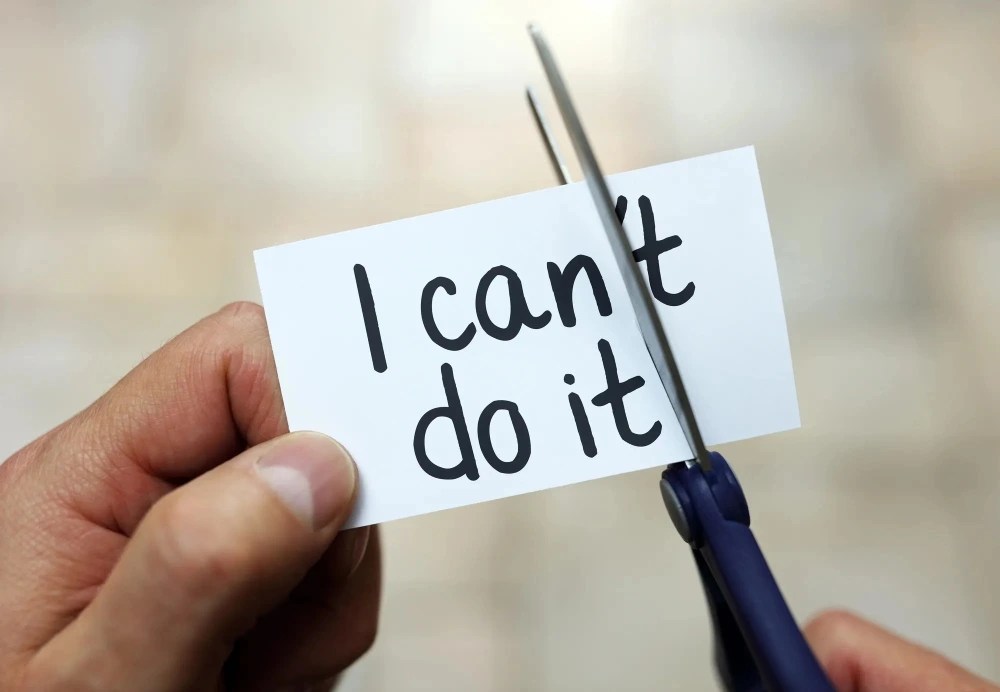
Confidence:

Women need to believe that they are quite capable of running a successful business. I was quite hesitant, and I asked to think it over. I had never been “in charge” of a project of this size. I was always the team player, never the CEO.

Women need to help each other believe that they all are making valuable contributions for the working women of tomorrow. It sometimes is difficult for women to speak up with confidence. It can be difficult for a woman to stand strong in thought, appearance, and voice. Women run households every day. Why are we so hesitant to run a business? A household is a business and has all the necessary components of a successful business.

Assertiveness:

When you doubt yourself, do your knees tremble, hands shake a bit? I’ve had it happen when I was told “You can’t do it!” I was told I had no experience. Those words did rock my psyche.

This is where assertiveness comes in. I knew this event was important and my family enjoyed it. Confidence in yourself will bring out assertiveness. I decided that I would find a way to continue, to make it work, to be a success. I was going to make it even bigger! I had the creativity. I had the dream. And I wanted to do it.

Don’t be afraid to ask for help:

Look for good backup and support. Make certain you have a mentor or coach that can help with the hurdles. Learn to listen and take advice.

I created a team from the community. I looked for volunteers. I solicited local business support. I needed people around me that would be supportive and helpful. And my team came through. I feel the team accomplished this job, not me, the individual. This event could not have happened without a good team.

The first big challenge was to find a way to finance it. I had to come up with $20,000. I decided to send out letters to the community, who wanted the event, to ask for donations. My thought was to include all of the closely-neighboring-communities. That kind of canvass had never been done before. I needed a team to help with this and I needed a place to do it!

Don’t be afraid to ask for help. People will step forward. Help will come. Don’t limit yourself. Don’t judge your help. Embrace them. Give them tasks to do so they can feel part of your team.

Develop Tenacity:

Become a force to be reckoned with. Sit tall at the table. The biggest hurdle can be to not take criticism harshly, and definitely not to take it personally. It is the idea that is being criticized. Stay focused. If you have to brush up on decorum, do it. Have your presence look positive and strong. Straighten that backbone: you can do this. Dress, walk, and talk for success.

Become knowledgeable:

Keeping up with education fosters confidence. Become knowledgeable with businesses in the area that can help you achieve. Look around you for resources. Be open to suggestions. Experiment to see if the thought will work. (Can you do this on a small scale?) If it doesn’t work, concede, and take a different path. Don’t be afraid of improvement and inspiration from others.

Do you need training? Is there an area of your business whereas you might not be strong? Today there are a lot of classes offered online. It is easy to study from our own homes. Don’t be afraid to look. Or perhaps look for a person of knowledge, you can trust, and ask them to be on your team.

At the time of my challenge, we only had “snail mail;” No computer help. Mass mailings were by hand. That meant composing a letter of need. We had to get 10,000 letters printed. I did enlist a local printing company for help. We had to stuff envelopes. The they needed to be labeled by hand. Stamped, and mailed. Then, of course, we opened each and every one. I learned more about the postal system. I knew the mailing was going to be a HUGE task. I got to know the staff at the printing company and the local post office quite well! I looked for help in the community. I looked for people/businesses that were doing what I needed and could help. I asked for help.

The letters went out: The money poured in, some in quarters taped to a card. I did what they thought could not be done. It was thrilling and surprising! Confidence or stubbornness? A bit of both. But it worked. (Years later, when I moved on, the event fell apart due to lack of funding and direction.)

We kept tract of the returns on our mailings. Who and where responded the best. What kind of businesses responded. For us it improved our solicitation. (Again this is where technology helps. The post office was a valuable tool.)
Create a plan:

Create clear goals and align them with the project. Do they work into your values, or your life’s purpose. (Mine was to help my community grow.) Decide objectives and deadlines that can be achievable. Create a calendar of deadlines and achievement for the time period.

A plan of action is always a good way to start any project. It doesn’t have to have details at this time, but a broad sense of time and goal.

I needed to develop a monthly plan to achieve this. First money. Then participants of the event. Money first. I made a monthly plan as this event took 8 months to finish. I was looking at a long time investment. Family support and knowledge of your goal is always important. This is especially true if the task takes months to finish and will require a lot of your time.

Get financial advice for your business. Make plans for needs of today and needs of tomorrow. Your financial budget may require saving money for a continuation of the project. You may also need a better place for your business in the future. Find a good financial advisor. You could start with your own banker. He would also have recommendations or referrals for you.

There is a famous saying: failure is NOT the opposite of success, it’s a PART of success. Everything in life has positives and negatives. We all fall before we learned to walk confidently, and especially before we ran. It takes a strong person to get up, pull up those boot-straps, and try again. There are many, many very successful people that started out with more “nos” than can be imagined. And they still succeeded.

There was no way this event was not going to happen. I had a lot of criticism in the beginning; doubts that this enormous event would succeed. Comments behind my back that it wouldn’t work. I couldn’t raise that kind of money by mail, in such a short time. Comments that I personally couldn’t do it. But, that was not going to stop me. Failure was not a choice. Determination became strong. That was the tough part of it all.

Remember Michael Jordan, Basketball Great: “I’ve missed more than 9,000 shots in my career. I’ve lost almost 300 games. 26 times, I’ve been trusted to take the game winning shot and missed. I’ve failed over and over and over again in my life.” And then he went on to the one of the greatest basketball players of all times.

Sometimes your greatest criticism from others is really not about you. Put on your “outside armor” and move on. Don’t take it personally. Learn to become your own cheerleader Think Michael Jordan!

Look for Support:

Look for good backup and support. Make certain you have a mentor or coach that can help with the hurdles. Learn to listen and take advice. I talked with my printing company, and the post office. I attended events outside of our area to gather information and help.

Learn not to take failure personally. In the business world, failure is only a thought that that idea didn’t work. Consider, think, and try another way. Remember it’s like learning to walk.

“Nothing is impossible; the words itself says I’m possible.” Audrey Hepburn.

Your team can be your greatest support. Listen to it. Cherish them.

Invest in Yourself:

Investment can be in education, and can also be in joining associations. Joining community organizations will further your presence and your neighbors will get to know you. And you will get to hear and learn about your community’s needs, wants, and desires.

Get to know the community your business will serve:

Don’t be afraid to get involved in your community. Start with volunteering in local organizations and charities. You will become more self-confident, learn about day-to-day problems, and most important, the community will begin to learn about you.

Many new business struggle as they lack network or recognition. Get financial advice. Plan ahead for your money. You need to get yourself out to be known. This is where looking at organizations and perhaps joining an organization in the area will help. Attend community board meetings when you can: Library meeting, city hall meetings.

This event encouraged me to become more involved in my city’s organizations. I spent time with people over dinners. I attended different city meetings. New friendships happened. I did join a new organization in the city. It felt strange to become more civic involved. At first I felt I had nothing to contribute, but I soon learned that I did. Community involvement can always help your project. If anything it can give you perspective.

I remember volunteering for a group. I went down the stairs of the bank where they met. I wondered, “what am I doing here?” But in that group were people I needed to meet for my later success.

Remember those who helped you achieve your goals:

For me, as this would be a continuing event, I recognized the importance of a “thank you.” I couldn’t keep asking the community and businesses every year for contributions. I needed to acknowledge their importance to the event. I also needed to thank them each year for their support.

Each individual or business received a thank you. I went back to my printing company, had them print a very nice thank-you-5×7-certificate. I sent it out by mail or I delivered it. It is important to remember who is on your team and who helped you achieve success. A thank you is important. (The certificate was displayed in local businesses even after we moved away from this city! )

In the business world, “thank yous” are a bit different. But there are ways to say thank you. Offer a sale to that client? Offer a sale for your continuing clients? or a Saturday sale? A Workshop for that client and employees for FREE. Offer a workshop at the library. Depending on size of the client there are many ways to say thank you for your support. Don’t forget to thank your team. Bring in donuts one morning for your team. Or stop by a client’s office with treats. Buy coffee for who you are meeting that day.

Just remember it is important to remember your support team and your clients. Without them, your business would not succeed.

My volunteer team were my employees. I depended on them. Many of the team were intimidated by the scale of work. Volunteers are more difficult to keep if they do not feel a part of the work. Volunteers must be valued and appreciated, perhaps more than an employee. I think back, and I had a Great Team with many of the same people each year.

This was a challenge on a scale I was unaccustomed to handling. The challenge was immense for one person. It definitely challenged me. I learned many things, and met many great people. Much of what I learned I am taking into the next business of mine: Wellness Makes Cents.

(Before we left the city, the city did reward us with a very nice “thank you!” but the event was never again as successful.)

My Advice to a new Business woman/owner:

Be certain to give yourself one good Hug often. (Remember the blog on self-hugs.) Being in charge of a business or a large city event can take it’s toll. The pressure is on to succeed. It can be harder when the public is watching and waiting for the result. The stress can be significant.

Personal time is important too.

Don’t forget your physical and mental health. The saying is: 100% when on the job; and 100% when you are at home.

Allow yourself some personal time. It is important that you can find the time for yourself. Give yourself a HUG. And give yourself a pat on the back once in a while for rising to the challenge.

This is where Self-Care comes in. Be good to yourself: Have a fun lunch, not a business lunch. Have a manicure or pedicure. Take time for recharge. Take time for yourself. Make your weekends for you and loved ones. Only by recharging, will you be ready for the next challenge.

Remember: Your business is your Career, not your life.

Women need to support each other.

It is difficult to start a business. Don’t start it in a cold market. Get to know your community first. Launch among friends and neighbors. Watch your business grow. I know I can depend on community women to help my business.

If you have a choice of a small business vs corporations when you shop, go for the small business. Greet the owner, and especially if it is a woman. Support her. Tell her how much you value her presence in your community. Consider becoming her frequent customer. And maybe, after asking, give her a Hug!

Hugs!

https://wellnessmaryjessen.com

Autumn: A Time for Reset, Rejuvenation and Fun!

WHEN THE FROST IS ON THE PUNKIN:

  • ….The husky, rusty russel of the tossels of the corn,
  • and the raspin’ of the tangled leaves, as golden as the morn;
  • The stubble in the furries–kindo’ lonesome-like, but still
  • A preachin’ sermuns to us of the barns they growed to fill;
  • The strawstack in the medder, and the reaper in the shed;
  • the hosses in theyr stalls below–the clover over-head!–
  • O, it sets my hart a-clickin’ like the tickin’ of a clock,
  • When the frost is on the punkin, and the fodder’s in the shock!

Fall! Autumn! James Whitcomb Riley expresses it so poetically. We can almost feel it as we read an excerpt from his famous poem.

Fall is a transition time. The days get shorter every day, more noticeably by each week. It can be a busy time as we ready our homes and our families for the cold dark months ahead.

I do like Autumn (nicer sounding than “fall”…as in leaves…) There is color everywhere and the trees are so vibrant. We know that the leaf’s chlorophyll is what makes them green. As the day-light gets shorter, there is less and less time for photosynthesis to work. The green fades and the leaf’s actual color comes thru! The sap of the tree runs back to the root. The leaves drop. The tree above ground goes into winter’s rest.

Interesting to note: the colors of the trees are actually their nutrition showing thru. Carotenoids produce yellows, orange, and browns. Anthocyanins produce reds and purples. (You thought it was just humans that had them!) And of course, Chlorophyll which gives the leaf green color, but only with photosynthesis.

As the weather shifts, our bodies start to acclimate to the changing temperatures and humidity. This time of year disrupts our sleeping patterns. We rise in the dark. For a month, we come home in the dark. (How do they do it in Alaska?) Some of us really struggle with the time change.

WHEN DOES AUTUMN BEGIN? Who loves Autumn?

Some say Autumn starts September 1 (meteorologically). But I prefer the equinox date which falls on 22 or 23 of September. (Hey, it’s my birthday!)

A study done by the Journal of Aging, found that babies born in Autumn months actually live longer. Many live to 100! (However, it really is all about mobility, strength and balance that are necessary to lead to a longer life.)

AUTUMN IS TIME FOR A RESET, NOT JUST WITH THE CLOCK. We restart with new routines. Organization the night before is a sure way to de-stress the morning rush hour.

Autumn is the time we are back to routines. Vacations are over. School is in session. Families are creating schedules. The greatest “structure,” that comes back in Autumn, be that families are eating together again.

Routines give structure to the home and the family. It helps with managing stress to have a set routine at home. Learn to even choose the night before, the clothes for tomorrow. Lay out shoes and purses, briefcases, or book bags. Make certain any due materials are inside the proper bag and ready to go. Lay out coats if needed. Find the mittens if needed. Preparation the night before makes the mornings run a lot easier and allows time for Breakfast!

Many of us have problems with the time change. Shorter days and strange light-time can leave some people feeling confused and depressed, and can also create feelings of loneliness. Find ways to de-stress for yourself. Take up a hobby, join a social group or join a gym. Don’t let the light hours influence your day. Incorporate routines into your life. Set a bedtime routine. Set a morning routine. Routines do help and can give your mind peace.

STRESS AND S.A.D. Seasonal Affective Disorder (SAD) is a type of depression that’s related to changes in seasons. SAD begins and ends at about the same times every year. Stress can also contribute to feelings of sadness and depression. It is important to recognize the impact of both on mental health. It’s crucial to implement coping strategies and seek support from friends, family, or mental health professionals to manage these conditions. Additionally, engaging in regular physical activity is beneficial. Exposure to natural light can also help. Maintaining a healthy lifestyle can play a significant role in alleviating symptoms of both stress and SAD.

Adding more light and a bit of celebration of the Autumn holidays can help to relax Seasonal Affective Disorder (SAD). SAD is a type of depression triggered by the change of seasons. The increased darkness can be upsetting and depressing. Some people become very upset with the time change AND the added darkness. As the light dims outside, light up more inside. String indoor mini lights for decoration and ambiance. Decorate for the Autumn holidays such that coming home everyone will feel warm and invited. Autumn decorations do make a mental difference as they add cheer to a darker home.

Children today suffer from more stress than ever. Studies show that social networking and sometimes even on-line game-playing adds to their stress. Encourage hobbies and activities that give them a personal challenge. These activities should allow display of their work. Examples include painting, clay modeling, car models, sewing. All these activities do help a child’s mental health.

START WITH MEALS: Breakfast is a very important meal of the day. Learn how to make it easy and quick.

Make breakfast the meal of champions: Start with whole grain cereals. Try to stay away from boxed cereals as they are full of sugars. It is easier today to prepare oatmeal in the evening. Add some fruit and yogurt. Refrigerate it overnight. Have it all ready so in the morning family can enjoy breakfast.

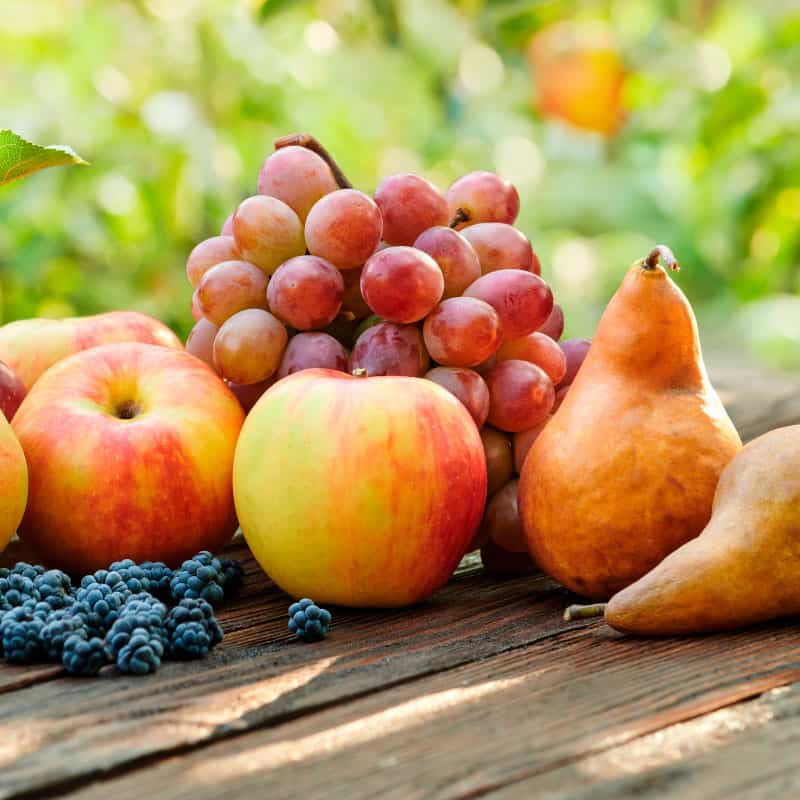
Add apples to breakfast. My family like to add fruit cups to oatmeal. It gives natural sugar and the fruit is tasty. (only fruit with natural juices.) Whole grains are important for energy. There are many different types of oatmeal today. Try to stay away from instant as it has lost some nutrition with processing and added sugars. Milk is a good protein source in the morning. Add to milk a protein powder. There are many flavors to choose from. Have a colorful breakfast.

Prepare for morning meals on the weekend by making your family’s favorite egg/English Muffin. Make eggs on the weekend. Create an oblong pan of eggs to make breakfast sandwiches. Cut the eggs into squares. You can add your own cheese, meats, or bacon. This way, you can grab and go. English muffins hold up well in the freezer. Grab a sandwich. Nuke it. And an apple and you are ready for the day. Easy and cost-effective. Much tastier too! Add preserves to cheese on the muffin. Engage kiddos to create fun sandwiches. Don’t forget to label!

Make mealtimes important. Plan ahead for nutritious family meals that don’t take a lot of prep. Learn to shop only once a week. Incorporate Autumn’s harvest into your meals. This is a great time for stews and soups that simmer while you play or work. Take the time to set a pretty table. Use napkins. Make meal time special. Add some silk flowers? Or a pumpkin?

The American Heart Association actually offers mealtime conversation cards to get the “talk” going. (We have a tradition. We go around the table, with each person saying one thing, good or bad, about their day. Even if it is only lunch that was the highlight!) But don’t let lunch menus become a normal answer. Kiddos have to think and learn to remember. After a while, it is surprising to hear about their days. Ask also how they were treated during the day. Be aware of any signs of bullying.

FOODS TO INCORPORATE TO STAVE OFF AUTUMN ILLNESS: Warm soups and stews! Use Autumn vegetables for nutrition and flavor! Make a big batch to freeze for another meal.

The seasons change and as temperatures drop, our bodies naturally crave foods that give warmth. These types of foods offer comfort and help our immunity. Spice things up. Try something new.

What is a good choice to add in the Autumn time of year?

All kinds of berries: antioxidants.

Vitamin E: nuts, almonds, walnuts, brazil nuts are rich in vitamin E, zinc, and selenium that support our immunity.

Dark leafy vegetables (spinach, kale, swiss chard) are filled with Vitamin A, C and other antioxidants. These can be easily added to soups or stews.

Spices: Turmeric, ginger, cinnamon provide anti-inflammatory properties. These can be added to teas, curries, or baked goods. Turmeric is a good anti-inflammatory spice.

ProBiotic foods: make yogurt a daily food, but make it unsweetened. (Great for snacks. Can add fruits, or a drizzle of honey for sweetener.) Fermented foods such as saurkraut, kimchi and miso can be added to salads or sandwiches.

Don’t forget Autumn fruits; they can make a sweet dessert. Cut up ahead of time and serve on a platter. Offer two kinds or add a slice or two of cheese, or a couple nuts. Watch it disappear!

VITAMINS FOR AUTUMN: Autumn fruits are delicious! Be certain to check them out and add them to your meals!

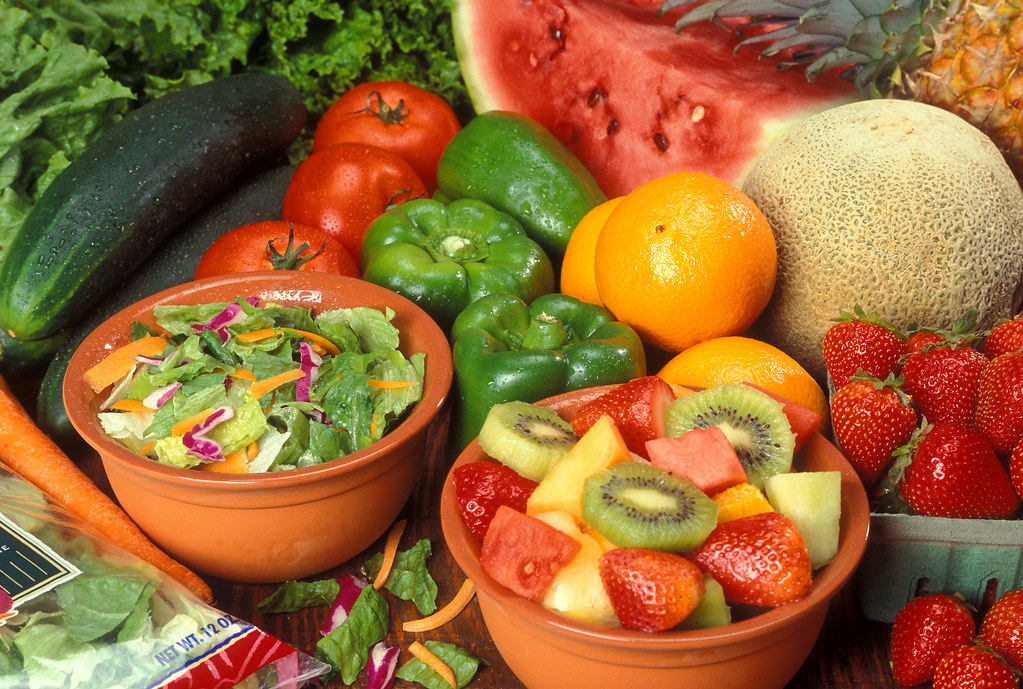
Eating lots of fruits and vegetables can prevent some chronic health problems. They help your body stay strong and fight off infections. Be certain to add Vitamin C-rich foods, like oranges, broccoli and kale. Limit sugary drinks. Water does taste good with sliced fruit in it!

Vitamin D3 is another winter vitamin that you want to add. It is commonly called the “sunshine vitamin,” which is in short supply as the days get shorter. Vitamin D3 is great also for your immunity. Kids vitamins today are very tasty and easy for them to take.

Echinacea and elderberry are known as great age-old remedies to combat the common cold. Be certain to talk with your physician before adding herbal supplements. This will make certain there is no contra-indication if you are on prescription medications. Both herbs are great in teas, especially warm or hot.

UNPLUG AND GET YOUR LEGS MOVING!

This is a great time for hayrides, and pumpkin and apple farms. Take advantage of cool clean air in the Autumn. It will also reduce the stress of the changes happening with routines and schedules. And it is fun to explore together.

Of course, for the above to work: we all need to unplug. Set a time frame for social networks or emails. No phones at the dinner table. Leave them on the counter, on silent. Suggestion is to definitely unplug at least one hour before bedtime.

This is a great time for walks, jogging, cycling, hiking, apple picking, pumpkin choosing and gardening.

Do dress appropriately for the weather. Perhaps keep a light jacket in the car for impromptu excursions. It will be useful if the weather turns cooler than when you started out.

Remember your sun screen when outside. UVA/UVB rays are there even in cooler days and cloudy days. You can still get sunburn.

Use moisturizers for your skin and lip balm to prevent dry lips. Add a humidifier inside once the heat is constantly on. Condition your hair and don’t style it too tight. Use a cap. Don’t forget hydration. You need proper hydration at any time of the year, not just in the heat of summer.

BEDTIME ROUTINES:

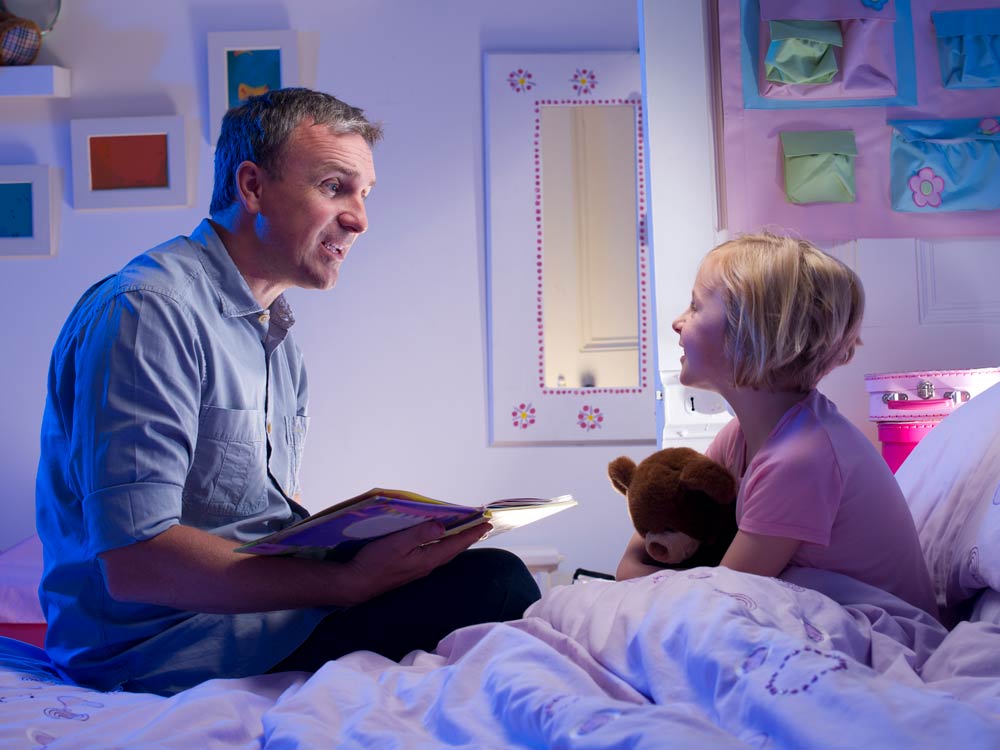
Create a family bedtime routine: our bodies loves routines and it will help you calm enough to sleep. Being outside before/right after dinner, will also help your body rest. Perhaps try reading before sleeping, be careful of blue light as it can interrupt sleep signals. Listen to calming music works for many. Children love to be read to before turning over to sleep. Great snuggle time and Hug time.

We all need at least 7-9 hours of rest each night. Children need more. Schedule your sleep time as important as that meeting for tomorrow.

DON’T FORGET YOUR PERSONAL HEALTH:

Take the time to create doctor appointments. Health checkups are important as we go into the cold, dry, indoor months. Schedule wellness check-ups (make certain boosters are up to date), and don’t forget the dentist. Eyes should also be checked. If you haven’t had flu or CoVid boosters, schedule them too. A once-a-year check up gives you and your doctor a baseline for your health.

BASIC HYGIENE DOES HELP OUR IMMUNITY:

Talk about hygiene to our kiddos: Washing hands regularly. Remind our kiddos not to touch their face often. They should cover their mouth when they sneeze, using their inside arm. Include face washing and teeth brushing at the beginning and end of the day, part of their routines. These routines will go on into their adulthood.

Show kiddos how to properly wash their hands. Rub with soap for at least 20 seconds, or recite “Mary had a little lamb” in their heads. Encourage good hand washing especially at school or when coming indoors from anywhere outside. Not a bad idea for kiddos busy hands, to wash their hands before eating. This is the time of year for colds and flu. Hand washing does make a difference in keeping some of those germs away.

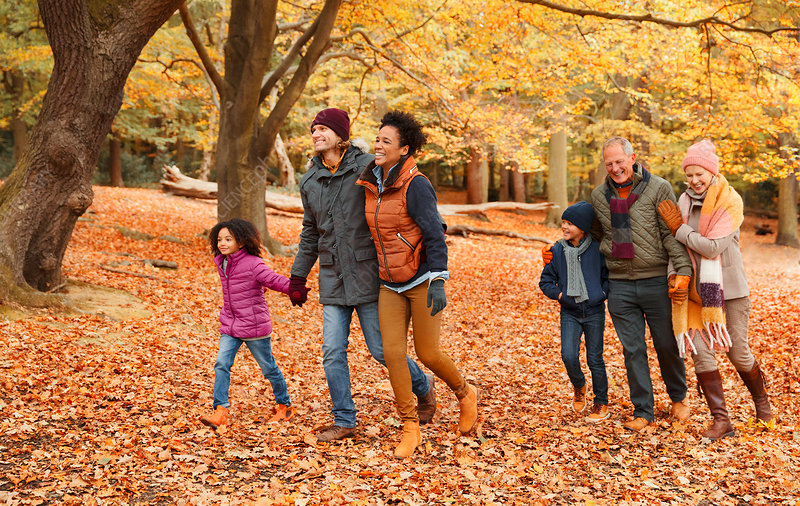
Multi-generation family walking in autumn park is always special. Invite your extended family and make it a fun explore.

Autumn is a gathering time. We gather our crops and harvest them. We gather more together in closed places. Keep up on good health tips to keep your immunity strong. Embrace Autumn and get outside to enjoy Mother Nature’s greatest art work of colors! Challenge: who can find the Biggest Leaf!

REFERENCES:

https://newsroom.heart.org/news/5-lifestyle-tips-for-a-healthy-fall

https://www.stjohns.health/blog/2022/august/wellness-tips-for-fall/

https://health.clevelandclinic.org/health-tips-for-fall

https://www.nih.org/nihd-news/2022/august/fall-health-tips-for-the-entire-family/

Activeminds.org/blog/15-autumn-wellness-tips-to-keep-you-healthy-this-fall

https://www.fs.usda.gov/visit/fall-colors/science-of-fall-colors

Check out my Wellness Library at: https://wellnessmaryjessen.com

Boost Your Well-being with Positive Thinking | Thinking of You Week September 2024

What a powerful thought to send. “I think of you often. I hope that in some way, just knowing that you’re on my mind, will brighten up your day.”

How did just reading that thought make you feel?

It is hard to imagine in our busy world that there are others thinking positive thoughts for us each day.

But it is a declaration of positive thinking to send a paper Hug. Positive thinking happens when we think of others in our minds, and not of ourselves. Positive thinking or being an optimist with life can have a huge impact on our own physical and mental health. This doesn’t mean you are ignoring the current problems or challenges of the day. It simply means you approach life with thoughts of things working out for the good.

There are physical health benefits of positive thinking. These include a longer life span and lower chances of a heart attack. It also results in better all-round physical health. There is greater resistance to illness like the common cold. Other benefits include lower blood pressure, better pain management, and better stress management.

With positive thinking, we are more creative. We become clearer thinkers. We are better to have around; we find joy in life. We have better coping skills. We experience less depression. We also develop greater problem-solving skills.

Positive thinking can lead us to think of others and a want to encourage others to feel good too.

Sending a card is a small gesture of positive thinking. Texting a note is another simple way to show you care. Better yet, making a phone call can make a big difference in someone else’s life.

What to say? First: Make it simple. Don’t worry about perfect sentence structure. Use simple everyday words. Add meaning to your words. “Sending thoughts and hugs!” “You’ve got this!” You can add why you are writing. Start with “dear” or just “Hi!” Or just a note: “just wanted to say, I’m missing you today. Hugs!” Make it simple. Short sentences.

We worry about our physical health. We exercise. We eat good nutritious foods. But we also need to consider our mental health. Sometimes when one is down, a note to cheer another may be the solution for both receiver and sender.

In 2014, “Thinking of You Week,” was actually established by the Greeting Card Association of England. (really!) It protects and encourages the British greeting card industry.

In 2018, it came across the pond and was caught on by our greeting card industry. This whole concept has grown in popularity since then. We all like happy mail!

The week chosen for “Thinking of You” is September 16 thru the 22, 2024. Now I’m not advertising for the card industry. I have no stock in Hallmark! I just believe in sending out good mail. Sending out a paper Hug.

We all get so much junk mail. Many times it doesn’t even get into the house if you are walking by the garage waste basket.

Wouldn’t it be fun to get a note that says: “I’m thinking of you?”

I know when I send them, I wait in anticipation for their arrival at my friends. The whole act makes my day better. I’m sending that paper hug to someone who just might be glad it came that day!

Question? Did you save your last ‘feeling good’ card? Many times I add it to my bulletin board in my office, or just stand it on a shelf. It’s a nice reminder that someone cares.

Taking care of your own mental health can be fun. Learn to be a positive thinker. Turn off the news! Create a card on line. Go to the Dollar Store and pick one out. And take the time to send it. Someone will be Very Glad you did.

Take time this week to send a note of care to someone you miss or love. You will feel that Love come back.

https://wellness.maryjessen.com

Discover the Power of Hugs: Stress Reduction and Emotional Well-being

I’m a hugger. I have always been. Some days I crave a hug. (Is it stress that is motivating me?)

Do you like hugs or do you shy away from them?

I always ask before I hug someone new. My friends know that I’m a hugger. I think sometimes they wait for it. I many times end my notes with a hug, even if it is online. And I mean to send the thought of caring to the recipient.

Have you ever had a very bad day and just want a hug? You know how that feels. Kind of warms your heart and gives you courage to go on.

I do ask when I hug a stranger, but I’ve never been refused! I ask before I hug someone I barely know, but I’ve never been refused. Always, always ask.

Why does it matter that I have to ASK before I hug?

A hug can be an invasion of private space. We are in a society that values space.

Look at a movie theatre. Look at the distances between seating when the theatre is not full. We choose to sit apart. We value space. Now I’m not talking sitting next to chatty people, I’m just making a point. The farther apart we can sit, the happier we are. We like our space.

Do you choose to eat outside when you go to a restaurant? Now I know that the heat of summer or the cold of winter plays into this decision. But have you notice greater commadrie among those outside? Inside the tables are scattered. When we choose to sit inside, it is off to the side by ourselves. I have asked the waitress to move her choice.

Do you clap or sing “Happy Birthday?” This is a group hug for the recipient. Are you part of it?

I know of a friend of my daughter’s who is not a hugger. He really struggles with touch. I asked, he agreed to a hug. Now I think he kind of looks for that hug when we meet. He discovered some advantages of the hug.

What’s the big deal about a Hug?
There is just something about that embrace that says “I care.” I hope when you read it on your note, message, or email, you feel that. I’m sending” “I care!”

Why would I want a hug?


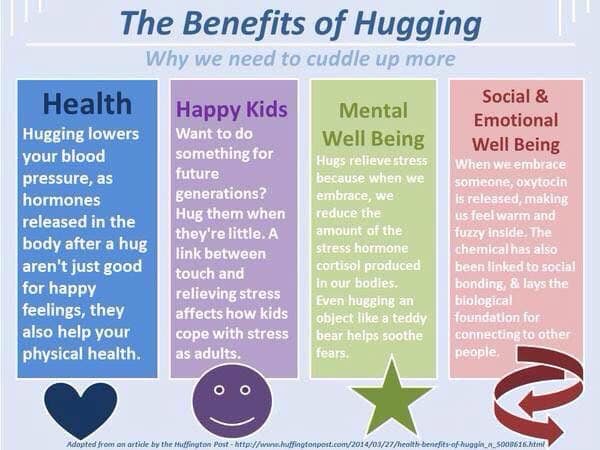
Hugs can have health benefits. We are not always aware of the benefits of it. A Hug can reduce fear, stress, and even pain. It can support your immune system and cardiovascular system with that embrace.

A hug activates the part of your brain, your parasympathetic system (vagus). This system restores energy and repairs our body. It also elevates feelings of love, compassion, and gratitude.

A hug can release the “love hormone,” Oxytocin. When you are embraced you can feel trust and attachment, even just for the moment. Ocytocin helps ease this bonding by activating the pleasure parts of your brain. This hormone is also related to happiness. This hormone is what generates “that feeling.”

There is something special about oxytocin and mothers. Women feel this effect when they cuddle their babies closely. It can literally make a mother’s heart “sing and feel warm!”

WHAT HAPPENS WHEN YOU DON’T GET HUGS?

Not receiving physical affection can be related to loneliness, depression, and stress. It can also cause physical pain and poor sleep quality. Additionally, it could result in personality disorders and attachment issues. No physical affection can also lead to trouble in “feeling” emotions in general.

That’s how important a Hug is.

What does a hug really do for my body?

Bedtime Hugs: definitely will help your brain calm down and sleep better. Feeling secure in a relationship does help you sleep calmly.

A bedtime hug for a child can be quite powerful. It sends them to sleep with the feelings of “I’m loved” and “I’m cared for.” Powerful.

Hugging a newborn child can increase the baby’s weight and improve all-over development. For a child to develop with good self-esteem, they need hugs frequently. Children need hugs more so than an adult, who already has a sense of self-esteem.

A hug from a loved one decreases cortisol, the stress hormone. Touch will disable the part of the brain that reacts to stress, and leads to a more relaxed rest.

Well-being Hugs: touch biologically reinforces the part of the brain that gives you calmness.

Serotonin is also released with a hug. This hormone elevates mood, controls anxiety, and reduces feelings of aloneness.

Hugs improve Immunity: It is understood that hugs give us perceived social support. This can lead to being sick less. The feelings of belonging is one of the tenets for good health.

The gentle pressure on your sternum with a good hug stimulates the thymus gland. This gland regulates and balances your body’s production of white blood cells. These are the cells that keep you healthier.

Studies relate to improved immunity from the reduction of the feelings of stress/tension/conflict. Non-sexual hugging is a means of conveying empathy, caring, and reassurance. Powerful feelings.

It is interesting to read that more hugs can increase salivary oxytocin. They can also lower levels of alpha amylase (3) and lower blood pressure.

The 10 second hug is actually better than the 1 second or quick hug. The longer hug goes farther.

Time does make a difference in a hug: 10-second helps the body fight infections, eases depression, and lessens tiredness. A 20-second hug reduces the harmful effects of stress. It can lower cortisol. It also relieves elevating blood pressure, and can actually help your heart.

The release of the hormone, dopamine, is what gives us that “good feeling.”

Hugs help your heart and cardiovascular system. A good hug can actually lower your blood pressure. This effect lasts even after the participant has left the room.

Interpersonal touch is linked to increased attachment security. A hug, or at the least, a pat on the shoulder, is linked to support. Touch gives higher relationship satisfaction, and eases conflict.

We know that a good hug will help with physical pain. Just the touch of knowing someone cares can make a difference. Cancer patients who received hugs of a healing-touch report less post-operative pain. A hug can also help with less use of narcotic painkillers. Amazing.

A hug can actually influence physical performance. A study with the NBA showed that teams with higher touch rates, actually performed better. That tap on the shoulder, head-bump, chest-bump (depending on sport) seems to transfer a lot of trust. This trust enhances their performance.

Childhood teams need to encourage “team-ship.” My thought is that no child should sit by themselves on the bench. A team needs to be together, even on the bench. They don’t have to touch at a young age. Just knowing someone is next to you is a big start. At a time-out, or half-time, team members need to finish with a hand-hold pat.

When someone feels a part of the bigger picture, losses are not so personal. It is not the individual that lost, it is the team. Touch eliminates that overwhelming emotion that many times leads to tears. This is also the time for the hug or the pat on the shoulder that says: I’m here. I’m proud of YOU.

Start early and your child will never feel alone.

Hugs can reduce Fighting: Couples who hug more, fight less. It is thought that a good hug blunts negative feelings. It also reduces the stress of the day.

Cortisol is a killer when left unchecked. Stress is part of our daily routines. Those who received hugs often believed they had better social support, and helped lower the stress hormone.

Snuggling with your pet works great to release your “cuddle” hormone, oxytocin. Not only does it build an attachment, but it also releases those “feel good feelings.”

A hug, according to a study, a hug can reduce the anxiety of mortality. It makes us feel safe. It makes us feel not so alone. This thought is fascinating. No one wants to die alone. Those hugs give us courage to face the unknown.

GIVE YOURSELF A HUG!

Don’t be afraid to hug yourself! Sounds silly. But putting your arms around yourself can reduce your pain. The thought is that that self-physical touch is not what your body expects. This confuses the brain as it tries to figure out where the sensation is coming from. Pain is blocked by crossing your arms.

“You play the most important role in your own wellness, and hugging yourself can help remind yourself of your power. Instead of waiting for someone to hug you and offer support, make yourself feel better and give yourself that hug. (2)

Research says: 4 a day for survival; 8 hugs a day for maintenance; and 12 hugs a day for growth. That sounds like a LOT! But when I think of a child and hugs, it makes sense to me.

Start with that morning self-hug. I think it is more powerful than the suggestion of making your bed each morning. It has been said that that making your bed gives your brain organization to start the day. You have accomplished a task. The day is not wasted. Imagine what that self-hug will do too!

That morning self-hug would go even farther. It gives you power. It gives you self-confidence. Try it! You’ll be surprised.

It is unfortunate that most people in the USA are touch-deprived. We don’t like to be touched, or we think we don’t like it. We live solitary and busy lives. This reduces social interactions, and …touch. How many people are living by themselves? Or perhaps living with people that they don’t really interact with due to schedules. This definitely breeds loneliness. Start with the Self-Hug.

ALWAYS ASK:

Our society pushes people from touch who are not directly related to them. This social norm is putting our society at a great disadvantage. We are becoming distant to our neighbors. Maybe more hugs would mean less anger. (I do strongly suggest: always, always, ASK if you can give a hug. Then it won’t be misunderstood.)

Did you stand in front of a check-out person, in a store, who obviously is having a very bad day? It can be hard to deal with the public sometimes. I ask if they want a hug? And the answer is always “yes.” I also tell them during that moment that I value their work. It is a moment of gratification for both of us. Priceless.

Notice the differences in touch among other countries:

Look at other countries. The live as communes, meaning that grandparents or siblings live together more often than solitary. Family is the support. Elders babysit. Cousins interplay with the babies. Family gatherings is a part of life. Touch is every day. They are happy with the support.

In the USA, we are content with sometimes only holiday gatherings. Why? It is much more gratifying to gather when the only talk may be who wants to play what? That’s when touch becomes deep.

The importance of human connection cannot be stressed enough. We need it.

When someone wraps their arms around you, you do feel the comfort and a feeling of not being all alone. It warms our soul.

It is no surprise that a good long hug can make us feel so good.

I’ll be sending you a hug each time we communicate! Who says a non-verbal hug doesn’t count?

Reference:

  1. https://www.verywellmind.com/the-power-of-a-hug-on-your-health-5211361

2. https://www.healthline.com/health/hugging-benefits

3. https://www.healthline.com/health/hugging-benefits

3.)The ability of alpha amylase to hydrolyze (break down) starch primarily benefits the digestive system. Additional health benefits of alpha amylase include support for the immune system. It aids in the management of inflammatory conditions. It also provides support for aging. (https://www.xtend-life.com/blogs/supplement-ingredients/amylase#)

4. NIH: Does Hugging provide stress-buffering social support? https://www.ncbi.nlm.nih.gov/pmc/articles/PMC4323947/

5. https://www.medicinenet.com/how_do_hugs_make_you_feel/article.htm

Boosting Immunity with Healthy Habits: Tips and Insights

There is no such thing as a “central immune system.” It is all about cells, proteins, tissues, and organs all around your body. These components work together to defend you from outside invading bacteria, viruses, parasites, and more! It can detect intruders that are unwanted or hazardous to your health. It can then arouse your “army” to gather defenses and get ready to fight to eliminate the invader.

Two Special Parts to our immune system:

There are actually two parts of your immune system. Your inner immune system (innate, which is inherited) is our first-on-the-scene, a first-responder. This is a group of cells. They will multiply when an invader is found. They will surround it. They will cover it, and they will kill it! This system is inherited and is here from the moment you are borne.

There is another immune system “part,” called the adaptive immune system. This develops over time as you become exposed to different germs, bacteria and viruses. This particular system actually grows stronger as you challenge it more. This “system” has a great memory and a good range of defenses against all kinds of invaders.

Your immune system produces anti-bodies. These are copies of past invaders. They create a pattern of how your body responded to the “invaders.” This is where you can get quite sick with an illness. The next time, you may not get as sick with the same illness. Your defenses have great memories.

Our immune system goes hand-in-hand with your gut!

And there’s more to your defenses! Your immune system has co-helpers!

The majority of our immune system is directly connected to your gut. Over 70% of our immune system lives in our gut! Inflammation in your gut will have a bad effect on your immune system as a whole. In this case I’m talking long-term stressors. (I’ve talked about that in past blogs.)

Chronic Inflammation:

Chronic inflammation in your gut causes the gut walls to stop working as they should. This weakens and loosens the tight structure in your intestinal walls that keep nutrients in and toxins out. When your gut’s walls become inflamed, the intestinal walls become porous. This means the intestinal walls then have openings for invaders to get in and cause all sorts of problems.

Good Gut Health

Good gut health can come with proper foods: raw fruits and vegetables. Low saturated fats. And low sugars. Sugars are awful for your gut. Learn to drink water, perhaps flavored with fresh fruit or a squirt of lemon or lime. Hydration is almost as important as a good diet.

Immunity begins at home first:

Healthy foods are good for your gut. Start with raw fruits and veggies, whole grains, nuts, low-processed meats, low sugars, and high fiber foods. Your daily diet is important to your immune system.

Pro- and Pre-biotics:

What are Pro– and Pre- Biotics? An answer From Katherine Zeratsky, R.D., L.D.: Probiotics are foods or supplements that contain live microorganisms intended to maintain or improve the “good” bacteria (normal microflora) in the body. 

Prebiotics are foods (typically high-fiber foods) that act as food for human microflora.

Pre- and Pro- Biotic foods: We need both in our diet.

Some healthy foods contain pre- and pro-biotics. These are essential for a happy, functioning gut. Superfoods for the gut contain both pre- and probiotics. They are fermented foods like kimchi, sauerkraut, aged cheeses, yogurt, pickles, and kombucha.

Prebiotic-rich foods like garlic and onions. You can add apples as they contain pectin. This is a soluble fiber that can reduce inflammation. Apples can also enhance beneficial gut bacteria, block harmful bacteria, and decrease weight gain. Don’t forget bananas, asparagus, leeks, onions, barley, oats, legumes, nuts, pomegranates.

Oh I can imagine good foods from the above list: soups with barley or leeks. Cool weather breakfasts with oatmeal with apples. Great food choices. All good pre-biotics for a healthy immune system.

Finally, there are probiotic-rich foods like yogurt and sauerkraut. These foods contain beneficial bacteria that support the growth of healthy gut flora and promote digestion and nutrient absorption. (But be certain to read your labels as many yogurts are full of sugars, and that’s a negative.)

Serving suggestion: Soft cheese (gouda, cream cheese, marscapone) with sour-dough bread. Serve your sour-dough bread and cheese with perhaps a pickle. Have a fresh apple for dessert! All great pro-biotics. Don’t forget saurkraut as a side dish to pork? Again with apples for dessert. (Apples aid in the digestion of pork!) Or for dessert: a spoonful of yogurt with fresh fruit and a dollop of Redi-Whip on top?

What else can I do?

And we have talked about the importance of sleep, rest and restoration. When you sleep you are not “just renewing cells,” you are also developing a strong cellular defense system. Children who don’t have a priority of sleep do seem to “catch” whatever is going around. Sleep is so important not just for children, but adults too.

We live in a society that exposes us to many gut-harming factors:

Colds and flu:

These gut-harming factors can include chemicals such as glypsoate exposure. (This common pesticide-chemical is in Round-Up and has many harmful side-effects.) Many farm-used pesticides, antibiotics in our meats, environmental pollutants, and other airborne toxins are also included in the list of harm to our foods. Add to that the surface germs and bacteria we touch every day. Yikes! We are daily exposed to many different immune challenges on a daily basis.

Children have about 6-10 colds a year! Adults average 2-4 colds a year. An estimated 10-20% of Americans come down with the flu each season that goes from November to March. Children are 2-3 times as likely to get sick with the flu than adults. Children spread cold/flu viruses easily from one to another. It is always a good suggestion for everyone to get a flu shot. Flu shots give the “pattern of defense” to your immune system.

Small but large steps to help our immune system:

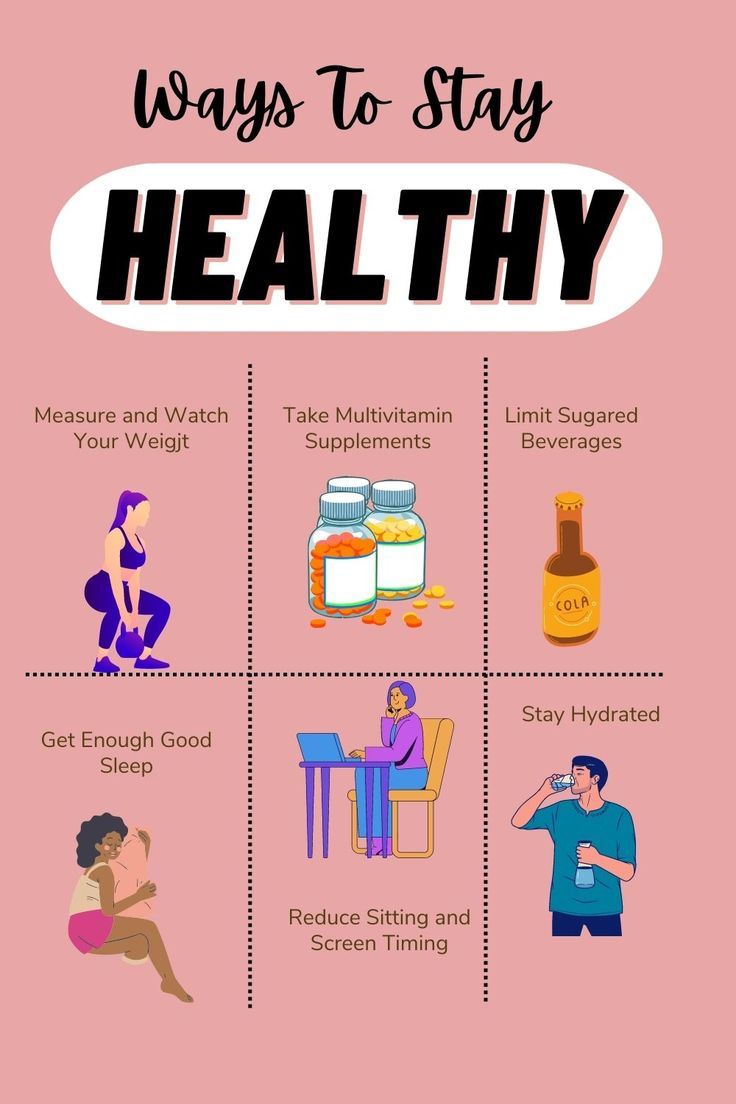
  1. Eat your anti-oxidants: that means consume a diet rich in fruits and vegetables. Learn to serve them at every meal. These foods contain the range of anti-oxidant nutrients needed for a healthy immune system.
  2. Take a multi-vitamin. Even with a diet rich in anti-oxidants, it can be difficult sometimes to consume the recommended daily amounts. A vitamin-mineral multi-vitamin supplement may be necessary to keep a healthy immune system. This supplement can help fortify your body with the missing nutrients of the day.
  3. Take immune boosting herbs to enhance your immune system.
    • Elderberry: may help you recover faster! (Great tea! Get it pure)
    • Cinnamon: Add to desserts, and even your coffee!
    • Garlic: best known for lowering your cholesterol and reducing the risk of heart disease, can also help prevent colds. (Add garlic to as many of your meals as you can, especially in the cold-inside months.)
    • Echinacea: Serve in a cup of tea. Add to herbal mint teas.
    • Oregano and Turmeric: Great herbs to add to foods.
  4. Watch your weight. Learn how to eat healthy. Watch carbs and sugars, and of course saturated Fats.
  5. Hydration cannot be emphasized enough. Proper fluids can help your system remove toxins. Good hydration can also help your body process nutrients easier.
  6. Sleep! Cannot be stressed enough. Especially take note of the number of hours your children sleep. Unplugging may not make you popular, but then neither will the family getting sick make life fun.
  7. Exercise: Get a Move On! Get off the couch. Get off the video games. It only takes 45 minutes a WEEK of moderate exercise to improve your health and your immune system.
  8. Reduce your stress. Our kiddos, too, have daily stress; perhaps more stress today than yesteryears, especially before iphones. Learn and teach your family a sleep routine for a good night’s rest.
  9. Meditation goes along with sleep. Meditation can be done before sleep. Take the time to empty your mind of today’s worries. (I find, for me, reading positive-themed books. You want to put soothing thoughts into your brain before sleep.) Stay away from falling asleep with TV on.
  10. Sociability and humor. It can be a lot of fun to join a group: play cards, book clubs, or community theater? Do something for your community. Helping your community can definitely affect your mental state in a very positive way. The above-mentioned activities don’t have a magic wand, but they do enhance your immune system. Stay social.

All-around healthy habits can encourage and enhance your immune system. This includes what you eat and how you rest. Staying sociable is also important. Who wants to be sick?

If you would like more immune-healthy suggestions: join my Facebook page: https://www.facebook.com/groups/wellnessmakescentswithmarycommunity/

References:

https://www.nccih.nih.gov/health/colds-flu-and-complementary-health-approaches

https://my.clevelandclinic.org/health/body/21196-immune-system

https://www.ncbi.nlm.nih.gov/books/NBK279396/?report=printable

https://wellness.maryjessen.com